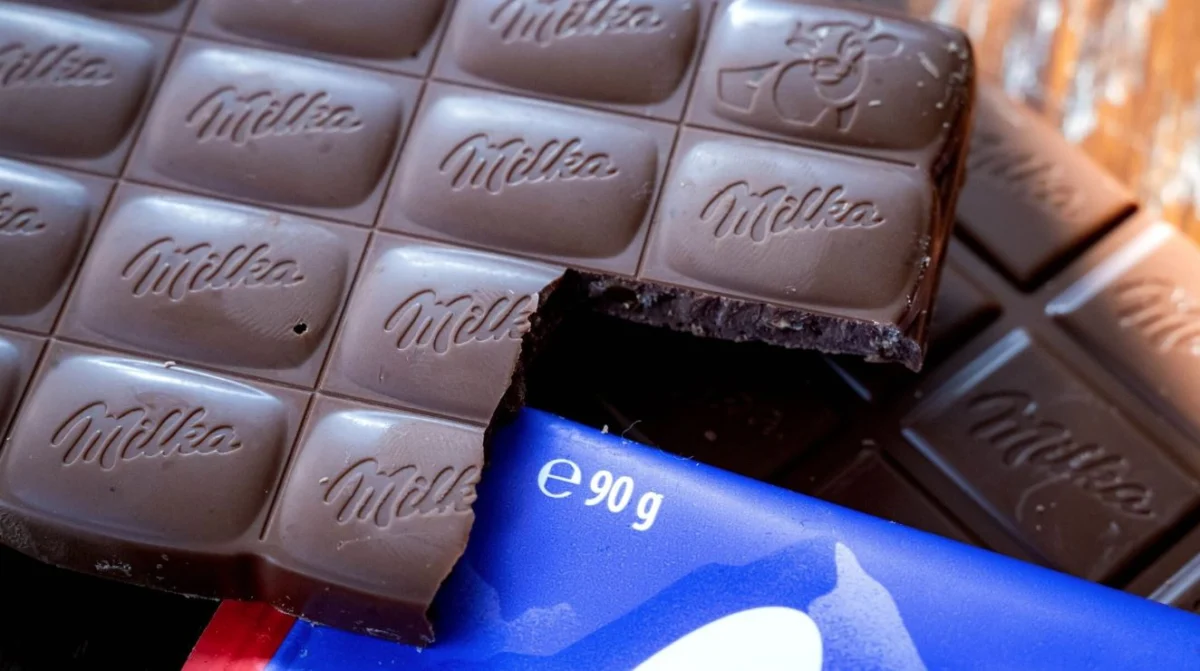
BREMEN, Germany – May 14, 2026 – In a ruling poised to send ripples across the European consumer landscape, a German court has found global confectionery giant Mondelēz International, producer of the iconic Milka chocolate, guilty of deceiving consumers and violating competition law. The landmark decision by the Bremen Regional Court marks a significant victory in the battle against "shrinkflation," the controversial practice where manufacturers reduce product quantity while maintaining or increasing prices, often with subtle or unchanged packaging.
The case centered on Milka’s classic "Alpenmilch" chocolate bar, which saw its weight surreptitiously reduced from 100 grams to 90 grams. Crucially, the product’s distinctive purple packaging remained largely unchanged, a factor the court deemed created a misleading visual perception for long-standing consumers. This ruling not only validates consumer complaints but also sets a powerful precedent for accountability in an era of rising inflation and evolving market strategies.
Main Facts: A Deceptive Reduction
The core of the legal challenge, brought forth by the influential German consumer protection organization Verbraucherzentrale Hamburg (VZHH), revolved around the alleged obfuscation of a significant product change. For decades, the 100-gram Milka Alpenmilch bar has been a staple in households across Germany and beyond, its size and packaging creating an ingrained expectation among consumers.
Mondelēz International, the parent company of the Milka brand, implemented a 10% reduction in the chocolate bar’s weight, shrinking it from 100g to 90g. This alteration was not accompanied by a similarly noticeable change in packaging. Instead, the iconic purple wrapper retained its familiar dimensions and visual cues, leading the Bremen Regional Court to conclude that consumers were intentionally misled. The court’s judgment highlighted the discrepancy between the product’s actual content and the "visual expectation" that consumers had developed over years of purchasing the chocolate.
Adding insult to injury for consumers, this reduction in quantity was coupled with a significant price hike. The Milka Alpenmilch bar, which previously retailed for approximately €1.49, saw its price increase to €1.99 in early 2025, just as the weight reduction became apparent. This dual blow of less product for more money encapsulated the very essence of shrinkflation, making the VZHH’s legal challenge particularly resonant with the public.
The court explicitly stated that for manufacturers to avoid charges of deception, any significant alteration to a product’s size or quantity must be communicated via a "clear, understandable, and easily distinguishable notification" on the packaging itself. Mondelēz’s defense, which cited informing consumers through its official website and social media channels, was deemed insufficient by the court, emphasizing the need for direct, on-package transparency. This ruling underscores a critical distinction: while online communication can supplement, it cannot replace, clear labeling at the point of sale, especially for products with established consumer expectations.
The case gained considerable public attention in Germany, particularly after consumers collectively voted the Milka Alpenmilch bar the "fake packaging of the year 2025," an annual award bestowed by VZHH to highlight egregious examples of misleading packaging. This public outcry undoubtedly fueled the legal action and amplified the significance of the court’s subsequent decision. The verdict is not merely a legal technicality; it is a validation of consumer vigilance and a clear signal to manufacturers about the perils of opaque product changes.
Chronology: A Timeline of Shrinkage and Scrutiny
The story of the Milka shrinkflation case is one that unfolded over several years, culminating in this pivotal court ruling.
Early 20th Century: The Birth of Milka and Alpenmilch
Milka, a brand synonymous with Alpine milk chocolate, was established in 1901 by the Suchard company in Switzerland. Its distinctive purple packaging and cow mascot quickly became iconic. The "Alpenmilch" (Alpine Milk) variant became a flagship product, known for its smooth texture and generous 100-gram format, which for decades represented a standard size for chocolate bars across Europe.
Late 20th/Early 21st Century: Corporate Acquisitions and Global Expansion
Over the decades, Milka changed hands multiple times, eventually becoming part of Kraft Foods in 1990. In 2012, Kraft Foods spun off its global snack and food brands into a new company, Mondelēz International, which then became the custodian of Milka. Under Mondelēz, Milka continued its global expansion, maintaining its reputation for quality and its well-established product lines.
Pre-2025: Economic Pressures Mount
Leading up to 2025, the global economic landscape was marked by significant inflationary pressures. Supply chain disruptions, exacerbated by geopolitical events and lingering effects of the pandemic, led to soaring costs for raw materials, particularly cocoa, sugar, and dairy products, as well as increased energy and transportation expenses. These rising input costs put immense pressure on food manufacturers to maintain profitability.
Early 2025: The Covert Reduction and Price Hike
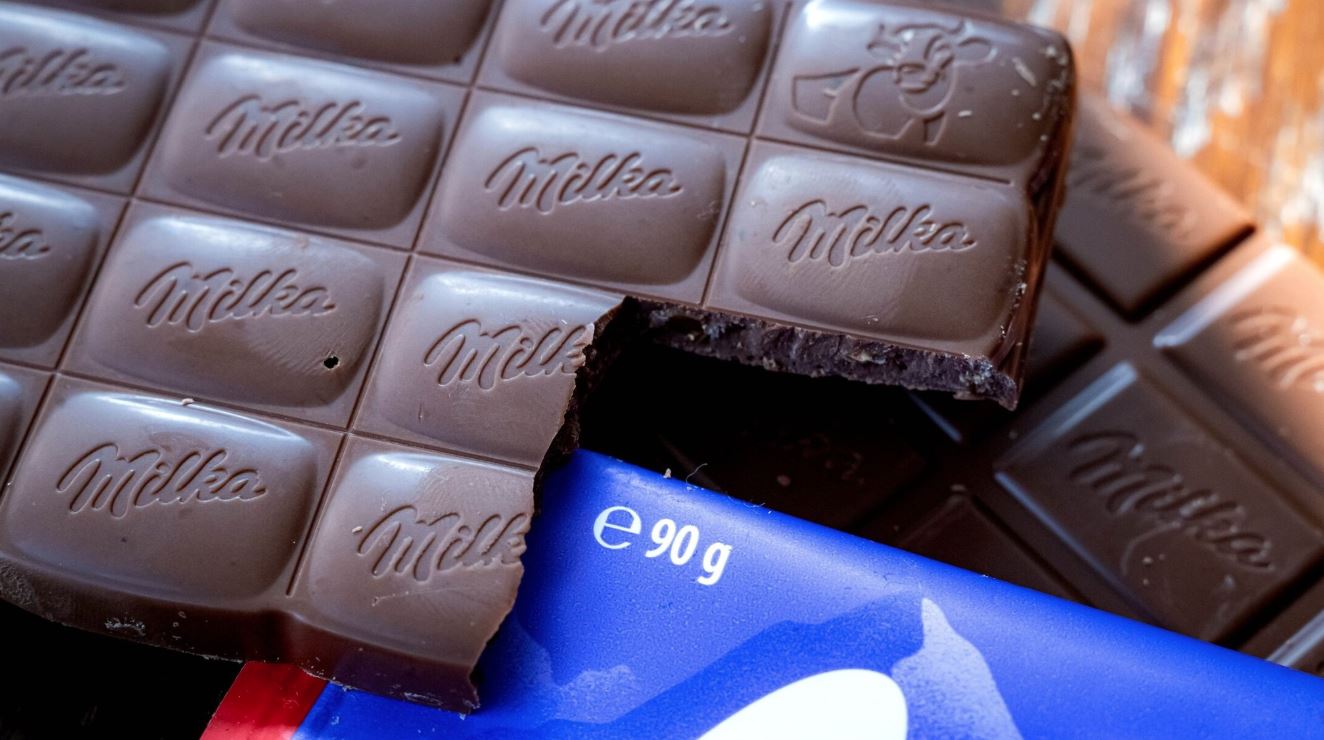
It was around early 2025 that Mondelēz International implemented the controversial change to the Milka Alpenmilch bar. The weight was reduced from 100 grams to 90 grams, representing a 10% decrease in product. Concurrently, the retail price for the now-lighter bar increased from approximately €1.49 to €1.99. The physical change to the chocolate bar itself was minimal, reportedly just a millimeter thinner, making the reduction even harder for the casual consumer to detect without close inspection of the nutritional label. The critical element of the deception, as the court later determined, was the near-identical packaging.
Mid-2025: Consumer Outcry and "Fake Packaging" Award
Observant consumers and consumer protection advocates quickly noticed the change. The Verbraucherzentrale Hamburg (VZHH), a leading consumer watchdog, received numerous complaints. VZHH subsequently nominated the Milka Alpenmilch bar for its annual "Mogelpackung des Jahres" (Fake Packaging of the Year) award for 2025. The public overwhelmingly voted for Milka, highlighting the widespread frustration and sense of betrayal among consumers. This public recognition elevated the issue beyond individual complaints to a national discussion on corporate transparency.
Late 2025: Legal Action Initiated
Following the public outcry and the "Fake Packaging" award, VZHH decided to pursue legal action against Mondelēz International. The lawsuit was filed in a German regional court, accusing the company of unfair competition and misleading consumers by reducing the product quantity while maintaining deceptive packaging. The legal strategy focused on the visual expectation created by years of consistent packaging and the inadequate notification of the change.
May 14, 2026: The Bremen Regional Court Ruling
The culmination of this chronological sequence was the ruling by the Bremen Regional Court. The court meticulously examined the evidence, including the unchanged packaging, the extent of the weight reduction, and the company’s communication strategy. It ultimately sided with VZHH, declaring Mondelēz’s actions to be a violation of both consumer protection and competition laws. This ruling solidified the perception that shrinkflation, when executed without explicit and obvious disclosure, constitutes a form of deception.
Supporting Data: The Broader Context of Shrinkflation and Consumer Rights
The Milka case is not an isolated incident but rather a prominent example within a growing global phenomenon. Understanding the supporting data behind shrinkflation and consumer protection efforts provides crucial context for the Bremen court’s decision.
Defining Shrinkflation:
Shrinkflation, a portmanteau of "shrink" and "inflation," describes the practice of reducing the size or quantity of a product while its price remains the same or increases. It’s a stealthy form of price increase, often preferred by manufacturers over overt price hikes, as consumers tend to be less sensitive to changes in quantity than to changes in price tags. This strategy allows companies to maintain profit margins in the face of rising production costs without alarming consumers with higher sticker prices. However, as the Milka case demonstrates, when done without transparency, it quickly erodes consumer trust.
The Role of Consumer Protection in Germany:
Germany boasts a robust consumer protection framework, with organizations like Verbraucherzentrale Hamburg (VZHH) playing a critical role. VZHH is part of a national network of consumer advice centers (Verbraucherzentralen) funded by the federal government and states. Their mandate includes informing consumers about their rights, providing independent advice, and taking legal action against companies engaged in unfair or misleading practices. VZHH’s "Mogelpackung des Jahres" award is a powerful tool for public awareness and corporate shaming, effectively shining a light on practices that might otherwise go unnoticed by the average shopper. The German legal system provides avenues for consumer organizations to sue companies on behalf of the collective interest, rather than requiring individual consumers to initiate lawsuits, making collective action more feasible and impactful.
Economic Pressures and Raw Material Costs:
Mondelēz International’s primary defense centered on the rising costs of raw materials and supply chain disruptions. Indeed, the period leading up to 2025 saw unprecedented volatility in global commodity markets.
- Cocoa: Cocoa prices experienced a significant surge, driven by adverse weather conditions in West Africa (the primary growing region), diseases affecting crops, and structural underinvestment. Futures contracts repeatedly hit multi-year highs.
- Sugar: Global sugar prices also rose due to poor harvests in key producing nations and increased demand.
- Dairy: Milk and dairy product costs, crucial for "Alpenmilch" chocolate, fluctuated upwards, influenced by feed prices, energy costs, and labor shortages.
- Logistics and Energy: The cost of transportation, packaging materials, and energy also escalated, adding further pressure to manufacturing budgets.
While these economic realities are undeniable, the court’s ruling suggests that the method of cost mitigation chosen by Mondelēz was unacceptable due to its lack of transparency.
Impact on Consumer Trust:
Shrinkflation directly undermines consumer trust. When consumers discover they are getting less for their money, especially when the change is disguised, they feel cheated and disrespected. This erosion of trust can have long-term consequences for brand loyalty and perception. Surveys consistently show that transparency is a key factor in consumer purchasing decisions, and practices like covert shrinkflation directly contradict this expectation. The Milka case is a stark reminder that consumers are increasingly aware and willing to challenge such practices, often supported by vigilant consumer protection groups.
The "Visual Expectation" Argument:
A crucial aspect of the Bremen court’s decision was its emphasis on "visual expectation." The court acknowledged that packaging design, particularly for long-established products, creates a powerful psychological association for consumers. When a package retains its familiar look and feel, consumers implicitly expect the contents to remain consistent. This is particularly true for products like a 100g chocolate bar, where the weight has been a standard for generations. The court argued that merely changing a small number on the label, while keeping the overall aesthetic identical, is insufficient to counteract this deeply ingrained visual expectation and therefore constitutes misleading advertising. This legal interpretation sets a high bar for manufacturers regarding packaging changes.
Official Responses: Reactions and Justifications
The court’s ruling elicited varied responses from the involved parties, each framing the outcome within their respective objectives and challenges.
Mondelēz International’s Stance:
Following the verdict, Mondelēz International expressed disappointment but did not immediately indicate whether it would appeal the decision. In their defense throughout the proceedings, the company consistently attributed the product changes to unavoidable economic pressures.
- Cost Argument: Mondelēz reiterated that the "dramatically rising costs for raw materials, especially cocoa, and along the entire supply chain" forced them to "review the weight of some Milka products." This is a common justification used by manufacturers globally when implementing shrinkflation. They argued that maintaining the original 100g weight would have necessitated an even sharper price increase, potentially pricing the product out of reach for many consumers.
- Transparency Claim: The company maintained that it had fulfilled its obligation to inform consumers about the changes. They asserted that information regarding the new weight was available on their official website and disseminated through their social media channels. However, the court found this indirect communication insufficient to counteract the misleading impression created by the unchanged physical packaging in retail stores. This highlights a fundamental disagreement over what constitutes adequate consumer notification in the digital age.
- Focus on Innovation: While not directly related to the specific legal challenge, Mondelēz has often emphasized its commitment to innovation and providing a range of products to consumers. They might argue that adapting product sizes is part of evolving market dynamics, though this argument clearly fell short in the face of legal scrutiny regarding transparency.
Verbraucherzentrale Hamburg’s Reaction:
The Verbraucherzentrale Hamburg (VZHH) hailed the court’s decision as a significant triumph for consumer rights and a crucial step in combating deceptive business practices.
- Validation of Consumer Concerns: VZHH officials expressed immense satisfaction, stating that the ruling validated the frustration and sense of betrayal felt by countless consumers. They emphasized that the court recognized the core issue: that consumers rely on packaging for quick purchasing decisions, and manufacturers have a responsibility not to exploit that reliance.
- Setting a Precedent: Melanie Böhm, a spokesperson for VZHH, commented on the historical significance of the verdict, suggesting it would serve as a powerful deterrent against similar shrinkflation tactics by other companies. She emphasized that the ruling sends a clear message: "Hidden price increases through reduced product quantities, especially with unchanged packaging, will no longer be tolerated."
- Advocacy for Clearer Labeling: VZHH reiterated its broader call for more stringent regulations regarding product labeling, advocating for mandatory "change flags" or other prominent notifications on packaging when product quantities are reduced. This case provides strong momentum for such legislative changes.
Broader Regulatory and Government Silence (Implied):
As of the immediate aftermath of the ruling, there were no specific statements from the German federal government or broader EU regulatory bodies directly addressing this particular verdict. However, the ruling undoubtedly places increased pressure on lawmakers to consider strengthening existing consumer protection laws and potentially introducing new legislation specifically targeting shrinkflation. The European Union has a robust framework for consumer rights, including directives on unfair commercial practices and misleading advertising, under which this case falls. The outcome could prompt a review of how these directives are interpreted and enforced across member states, particularly concerning packaging and product changes.
Implications: A Precedent for Transparency
The Bremen Regional Court’s ruling against Mondelēz International carries far-reaching implications, not just for the confectionery giant but for the entire food industry, consumer protection agencies, and consumers across Europe and potentially beyond.
For Mondelēz and Milka:
- Financial Penalties and Legal Costs: While the specific penalties are yet to be fully detailed (e.g., potential fines or requirements for corrective action), the immediate implication is significant legal costs. Should the ruling stand, Mondelēz may face injunctions preventing them from selling the product with the current packaging without clear warnings. There could also be calls for consumer compensation or restitution, though this is often a more complex legal battle.
- Reputational Damage: The "fake packaging of the year" award already inflicted reputational damage. This court ruling further solidifies Milka’s image as a brand that engaged in deceptive practices. Rebuilding consumer trust will require substantial effort, potentially involving transparent communication campaigns, clearer labeling, or even a return to previous product sizes.
- Re-evaluation of Product Strategy: Mondelēz will likely need to re-evaluate its shrinkflation strategies across its entire product portfolio, not just for Milka. Any future product reductions will almost certainly require significantly more prominent and unambiguous communication on packaging. This could force a shift from subtle changes to more overt alterations, such as completely redesigned packaging or explicit "new size" labels.
- Potential for Further Litigation: This German ruling could embolden consumer groups in other European countries to launch similar lawsuits against Mondelēz or other manufacturers employing similar tactics. The legal precedent set here could make it easier for other jurisdictions to prosecute shrinkflation cases.
For the Food Industry:
- A Landmark Precedent: This is perhaps the most significant implication. The ruling serves as a clear legal precedent that opaque shrinkflation, especially when existing packaging creates a strong visual expectation, constitutes consumer deception and a violation of competition law. This will force other food manufacturers to reconsider their own practices.
- Increased Scrutiny: Expect heightened scrutiny from consumer protection organizations, media, and the general public on product size and price changes. Companies will find it harder to implement covert reductions without facing public backlash and potential legal challenges.
- Shift Towards Transparency: The ruling could catalyze a broader shift towards greater transparency in the food industry. Manufacturers might be compelled to adopt clearer labeling practices, such as "new size" banners, "quantity reduced" notifications, or even side-by-side comparisons on packaging when changes occur. This could become a competitive advantage for brands that prioritize clear communication.
- Innovation in Cost Management: Companies might be pushed to find alternative strategies for managing rising costs, such as genuine product innovation, more efficient production processes, or negotiating better supply chain deals, rather than resorting to hidden quantity reductions.
For Consumers:
- Empowerment and Validation: The ruling is a significant victory for consumers, validating their long-standing complaints about shrinkflation. It empowers them by showing that their collective voice, channeled through consumer protection organizations, can lead to meaningful legal action and accountability.
- Increased Awareness: The high-profile nature of this case will undoubtedly raise consumer awareness about shrinkflation. Shoppers are likely to become more vigilant, checking net weights and comparing unit prices more closely.
- Potential for Better Information: In the long term, this ruling could lead to more transparent product information, allowing consumers to make more informed purchasing decisions and truly compare value for money.
Broader Regulatory Environment:
- Strengthening of Consumer Laws: The case highlights potential gaps or ambiguities in existing consumer protection and competition laws concerning shrinkflation. It could prompt legislative bodies, both in Germany and at the EU level, to review and strengthen regulations to explicitly address and prevent deceptive quantity reductions. This might include mandatory reporting of product changes, specific labeling requirements for quantity reductions, or even stricter definitions of "misleading advertising."
- Role of Consumer Watchdogs: The success of VZHH in this case underscores the vital role of independent consumer protection organizations in holding corporations accountable. It may lead to increased funding or broader mandates for such organizations across Europe.
- Fair Competition Principles: The ruling also reinforces the principles of fair competition, ensuring that companies do not gain an unfair advantage by misleading consumers about the value of their products.
Future Outlook:
The Milka shrinkflation case is likely to be remembered as a turning point in the ongoing struggle between corporate profitability and consumer transparency. While economic pressures will continue to challenge manufacturers, this ruling sets a clear expectation: companies must be upfront and unambiguous about any changes that impact the value consumers receive. The era of covert shrinkflation, at least in Germany, appears to be drawing to a close, paving the way for a more transparent and trustworthy marketplace. The ripple effects of this historic decision are only just beginning to unfold.