In the rapidly evolving world of digital commerce, the relationship between brands and their service providers has reached a critical inflection point. For many retailers, the phrase "My eCom agency sucks" has transitioned from a frustrated whisper in the boardroom to a common industry refrain. Whether it is a lack of transparency, perceived overcharging, or a misalignment of strategic goals, the tension between e-commerce brands and the agencies they hire is palpable.
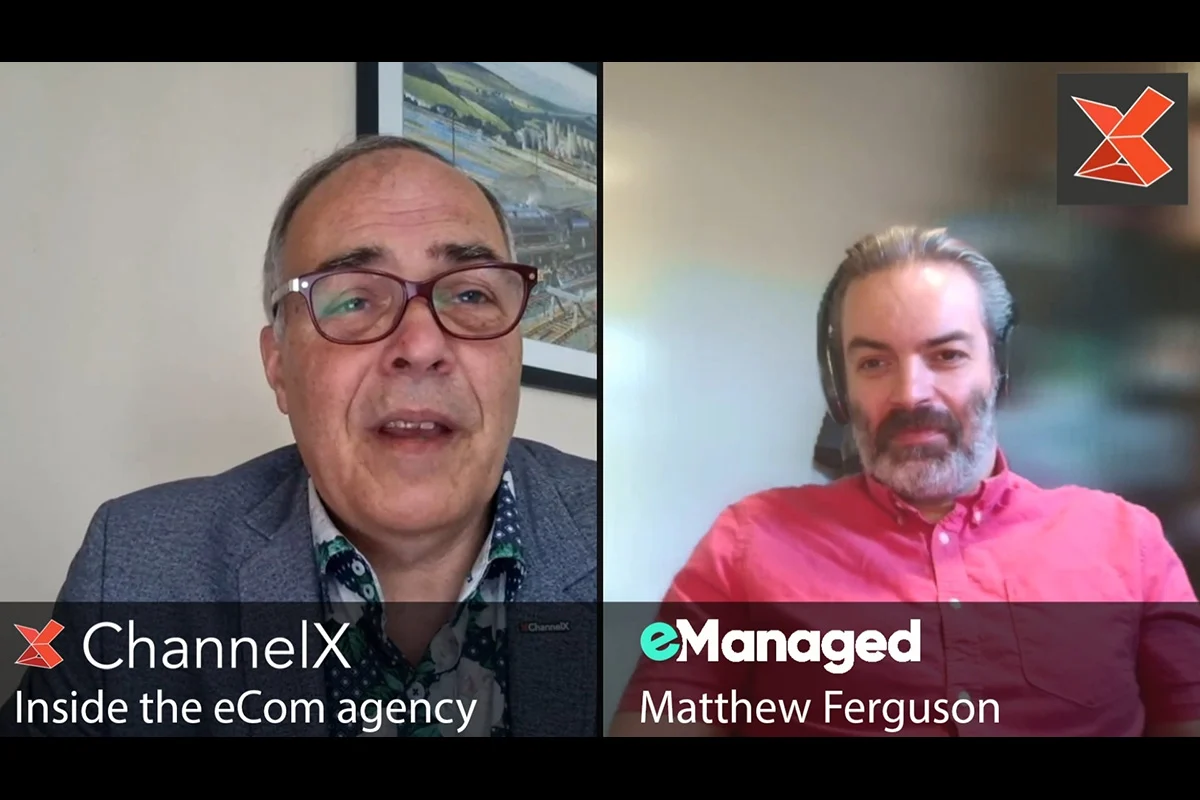
This month marks the launch of a new investigative video series, Inside the eCom Agency, which aims to peel back the curtain on the industry. Hosted by industry veterans, including Matthew Ferguson of eManaged, the series seeks to deconstruct the friction points that define the modern agency-client dynamic. By examining the ecosystem from both internal agency operations and the external client perspective, the series challenges the status quo of the agency model.
The Anatomy of Discontent: Why Brands Feel Let Down
The grievances voiced by retailers are remarkably consistent across the industry. Despite the sophisticated tools and vast data sets available today, many brands feel they are not receiving value for their investment. The primary complaints generally fall into four distinct categories:
- The Transparency Gap: Clients often report a fundamental lack of clarity regarding what exactly they are paying for. When billing structures are opaque, it becomes difficult to distinguish between high-value strategic work and "fluff" tasks.
- The "Kickback" Suspicion: A persistent fear among brand managers is that agency recommendations—such as choosing a specific platform or software partner—are driven by hidden affiliate commissions or "kickbacks" rather than the actual needs of the brand.
- The Risk of Churn: Changing an agency is an operationally expensive and high-risk endeavor. Brands often feel "trapped" with an underperforming partner because the prospect of migrating data, re-onboarding teams, and retraining staff feels more daunting than enduring poor service.
- Value-to-Cost Mismatch: The most common refrain is simply that the agency costs too much for the output provided. This perception is often exacerbated when agencies fail to articulate their impact in terms of ROI or measurable business growth.
Chronology of the Agency Evolution
To understand why these issues persist, one must look at the lifecycle of the e-commerce agency model. The industry has shifted from the early days of boutique, expert-led firms to a landscape dominated by consolidated, VC-backed conglomerates.
The Rise of the Agile Boutique
In the early stages, agencies were often founded by a single expert—someone who had spent years in the trenches of SEO, PPC, or platform development. These "agile startups" offered deep, specialized knowledge. Clients worked directly with the architects of their strategy, creating a high-trust, high-agility environment.
The Shift to Scale
As e-commerce matured, the demand for "full-service" agencies exploded. To meet this, many firms sought outside investment. This led to a period of rapid acquisition and scaling. While this provided agencies with more resources and broader service offerings, it also introduced a new set of problems: corporate bureaucracy, higher overheads, and a focus on quarterly growth targets that didn’t always align with the client’s long-term health.
Supporting Data: Agency Models and Their Impacts
The inaugural episode of Inside the eCom Agency highlights a fundamental divide in the market: the difference between self-financed firms and VC-backed entities.
The VC-Backed Model
Agencies backed by venture capital or private equity often operate under intense pressure to maintain high margins. This often manifests in:
- High Staff Turnover: To keep costs down, these agencies may employ junior staff to manage complex accounts, leading to a loss of institutional knowledge.
- Upselling Pressure: Because they have investors to satisfy, the focus often shifts from "How do we help this brand grow?" to "How do we increase the monthly retainer?"
- Standardized Solutions: To achieve scale, these agencies often adopt "cookie-cutter" strategies. While efficient for the agency, these strategies often ignore the unique needs of the individual brand.
The Self-Financed Boutique
Conversely, agencies that are self-financed or owner-operated tend to have a different set of incentives. Their goals are often tied to client retention and reputation rather than immediate exit valuations. These agencies are more likely to:
- Invest in Long-Term Partnerships: Because they are not answering to external shareholders, they can afford to take a long-term view of a client’s success.
- Maintain Senior Expertise: These firms often keep their senior talent involved in day-to-day operations, ensuring that the strategy being sold is the strategy being executed.
Official Perspectives: The Industry Veteran’s View
Matthew Ferguson, a veteran in the e-commerce agency space, suggests that the "suck" factor often stems from a fundamental misalignment of goals. "If an agency’s goal is to maximize the lifetime value of a client through automated upselling, but the client’s goal is to maximize their conversion rate through bespoke testing, you are starting from two different places," Ferguson notes.
The industry is currently witnessing a pushback against the "full-service" monolith. Many brands are moving toward a hybrid model—retaining an in-house core team while hiring specialized, small-scale agencies for specific tasks. This approach reduces the risk of being overly dependent on a single, potentially misaligned partner.
Implications for the Future of E-Commerce
The implications of this industry-wide distrust are profound. We are likely to see several shifts in the coming years:
1. The Death of the "Black Box"
Agencies that refuse to provide transparent reporting and clear billing will find it increasingly difficult to compete. The modern brand manager is data-literate; they expect full visibility into how their budget is spent and the specific impact of each campaign.
2. Specialized vs. Generalist
The pendulum is swinging back toward specialization. Brands are tiring of generalist agencies that provide "average" results across five different channels. Instead, they are looking for "T-shaped" partners: agencies with a broad understanding of the ecosystem but deep, expert-level specialization in one or two critical areas.
3. Alignment of Incentives
The most successful agencies of the future will be those that align their compensation with the brand’s success. Whether it is performance-based pricing or shared-risk models, the era of the flat, high-margin monthly retainer is facing serious scrutiny.
4. Cultural Fit as a KPI
Brands are beginning to realize that technical competence is only half the battle. Cultural alignment—sharing the same work ethic, communication style, and long-term vision—is now being recognized as a critical success factor in the agency selection process.
Conclusion: How to Fix the Relationship
The frustration felt by many brands is not necessarily a sign of a broken industry, but rather a sign of an industry that is growing up. As the series Inside the eCom Agency explores, the key to solving the "why agencies suck" problem lies in better vetting, clearer contracts, and a shift away from the "vendor" mindset toward a "partner" mindset.
For agencies, the path forward is clear: move away from the high-pressure, scale-at-all-costs models that prioritize the agency’s valuation over the client’s growth. For brands, the lesson is equally clear: demand transparency, prioritize cultural fit over brand names, and never be afraid to challenge the status quo.
As we continue to follow the Inside the eCom Agency series, we expect to dive deeper into these issues, featuring guests from both the brand side and the agency side to share their experiences. The goal is not just to complain, but to foster a more professional, transparent, and profitable ecosystem for everyone involved.
The digital commerce space is too competitive to be held back by ineffective partnerships. It is time for both agencies and brands to reassess their roles, realign their goals, and start building the collaborative future that the industry deserves.