India has officially ascended to the top of the global demographic pyramid. As the world’s most populous nation, boasting 1.46 billion residents, it represents the final frontier for global retail expansion. However, while Western and Chinese firms often view India through the lens of sheer volume, they frequently falter when attempting to translate their success to the subcontinent.
The disconnect is rarely about the appetite for consumption; it is about the nuance of the Indian consumer. As I previously outlined, navigating India’s complex regulatory environment—which balances the protection of native sellers with the desire for foreign direct investment—is only half the battle. The true challenge lies in product-market fit. To win in India, brands must master a unique trifecta: aggressive pricing, localized distribution, and a deep understanding of a demographic where Millennials and Gen Z account for nearly 50% of the population.
Main Facts: The Anatomy of Local Success
Why are foreign giants like Starbucks or traditional heritage retailers often outpaced by younger, home-grown Indian entities? The answer lies in "Value-Added Accessibility." Successful Indian brands are not simply selling commodities; they are democratizing premium experiences.

The modern Indian middle class is digitally native, hyper-aware of global trends, yet deeply pragmatic regarding expenditure. The four companies profiled below—Blue Tokai, Minimalist, Snitch, and Mokobara—have succeeded because they identified "whitespace" in the market. They did not attempt to compete on sheer scale alone; they competed on brand trust, operational efficiency, and the agility to pivot based on real-time feedback.
The Strategic Shift
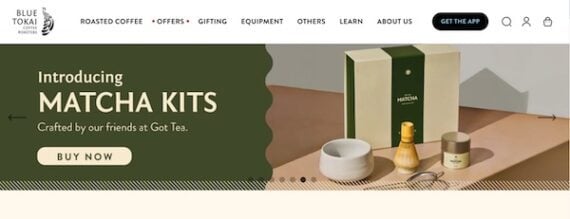
- Blue Tokai: Challenged the tea-dominant culture by positioning high-end coffee as an affordable luxury.
- Minimalist: Revolutionized the beauty sector by stripping away marketing "fluff" in favor of ingredient-led transparency.
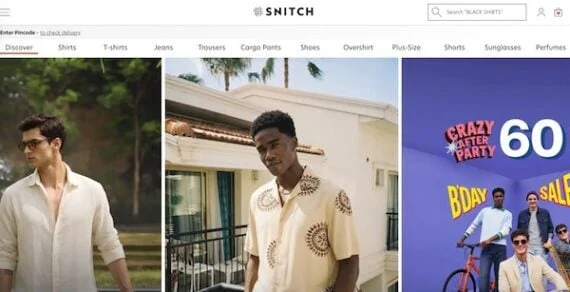
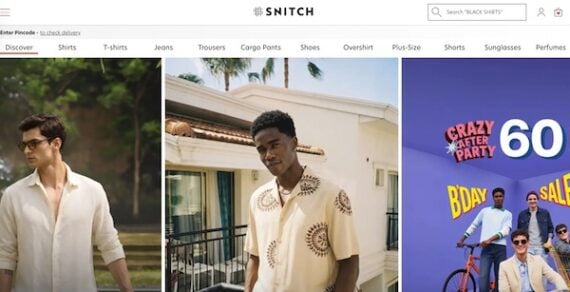
- Snitch: Adopted a "Zara-plus-AI" model, ensuring that inventory risk is mitigated by hyper-local, fast-fashion manufacturing.
- Mokobara: Targeted the "premium-aspirational" gap in the travel gear sector, previously dominated by stagnant legacy brands.
Chronology: From Concept to Market Dominance
The trajectory of these four brands highlights the rapid maturation of the Indian D2C (Direct-to-Consumer) ecosystem over the last decade.
- 2013 (Blue Tokai): Founded during the early stages of India’s specialty coffee awakening. The brand spent its first several years building a supply chain from scratch, working directly with Indian farmers to ensure quality before scaling to 240 stores.
- 2019 (Snitch): Originally a B2B wholesaler, the company realized the potential of D2C as India’s digital infrastructure improved. By 2020, they pivoted entirely, leveraging their existing supply chain to feed a high-speed online retail engine.
- 2020 (Minimalist & Mokobara): Both brands launched during a pivotal year for Indian e-commerce. The pandemic-induced shift toward online shopping acted as a catalyst, allowing these "digital-first" brands to bypass traditional retail distribution hurdles.
- 2025 (The Inflection Point): The acquisition of a 90% stake in Minimalist by Hindustan Unilever for $350 million served as a bellwether, signaling that the era of "local disruptors" has arrived and that the legacy giants are now the ones doing the chasing.
Supporting Data: Understanding the Consumer Base
The economic backbone of these brands is the demographic shift within India. With a median age of approximately 28 years, India is an outlier in a world of aging populations.
The Demographic Dividend
- The Gen Z and Millennial Cohort: These groups represent roughly 730 million people. Unlike their parents, this segment is characterized by "aspirational spending." They are willing to pay a premium for quality, provided the brand story aligns with their values—be it sustainability, transparency, or aesthetic appeal.
- Operational Efficiency: In the Indian context, "efficiency" is measured by the ability to manage inventory. Snitch, for instance, operates with a design-to-shelf cycle of under 25 days. By using AI to track social sentiment, they reduce dead stock, which is the primary killer of retail profitability in emerging markets.
- The "Quick Commerce" Factor: Mokobara’s integration into 30-minute delivery ecosystems demonstrates that in India, convenience is no longer a luxury; it is a competitive requirement.
Official Perspectives and Industry Implications
Industry analysts point to a "re-localization" of retail. When speaking on the acquisition of Minimalist, industry experts noted that foreign brands often rely on global branding that feels "distant" or "out of touch" with the specific climate, cultural nuances, or price sensitivity of the Indian shopper.
The "Blue Tokai" Effect
Blue Tokai’s leadership has frequently highlighted that their competitive advantage isn’t just the coffee; it is the transparency. By detailing the origin of every bean on their packaging, they built a layer of trust that global competitors, who often rely on centralized, opaque supply chains, struggle to replicate.
The "Snitch" AI Model
Snitch’s reliance on AI for demand forecasting is a lesson for global players. In India, where market preferences can shift based on regional festivals or localized social media trends, the ability to launch 10 new styles daily—in tiny, agile batches—allows for a "fail-fast" strategy. This minimizes the financial risk of unsold inventory, which remains a massive overhead for foreign retailers entering the market with massive, centralized warehouses.

Implications for Global Brands: The Path Forward
For foreign merchants looking to enter India, the road is clearly marked by the success of these four pioneers. The era of "copy-paste" international retail is effectively over.
1. Transparency as a Marketing Pillar
As seen with Minimalist, the Indian consumer is becoming increasingly educated. They are no longer swayed by aggressive, celebrity-led campaigns alone. They want to know what is in the product, how it is made, and why it is priced the way it is. Brands that offer "radical transparency" are winning the loyalty of the educated urban middle class.
2. The Power of the "Hybrid" Model
While D2C is the entry point, the most successful brands are those that eventually integrate into the "Phygital" experience. Blue Tokai’s 240 stores are not just points of sale; they are community hubs. Mokobara’s move into both branded stores and quick-commerce delivery shows that in India, you must meet the customer where they are—whether that is on an app or on the high street.
3. Pricing as a Strategic Weapon
Foreign brands often enter India with a "premium" mindset, assuming they can charge global prices. The success of these homegrown brands, which provide premium quality at a 20-30% discount to legacy competitors, proves that the Indian market is highly elastic. Success is found in the "accessible premium" segment—where the product feels expensive, but the price remains grounded in local purchasing power.
4. Agility Over Scale
The lesson of Snitch is perhaps the most vital: Don’t aim for massive inventory to start. Use technology to track the market, produce in small, agile batches, and scale only when the data confirms demand. The "big bang" entry strategy that many multinationals favor is often a recipe for disaster in a market as fragmented as India.
Conclusion
The Indian market is not a monolith; it is a complex, rapidly evolving landscape of 1.46 billion opportunities. As the stories of Blue Tokai, Minimalist, Snitch, and Mokobara demonstrate, the brands that thrive are those that respect the consumer’s intelligence, master the supply chain, and remain agile enough to pivot in an environment where change is the only constant. For foreign brands, the invitation to enter India is open, but the price of admission is a complete reimagining of the retail playbook. Those who adapt to the local rhythm will find a massive, loyal, and growing customer base waiting for them. Those who don’t will likely find themselves as case studies in the high cost of cultural blindness.