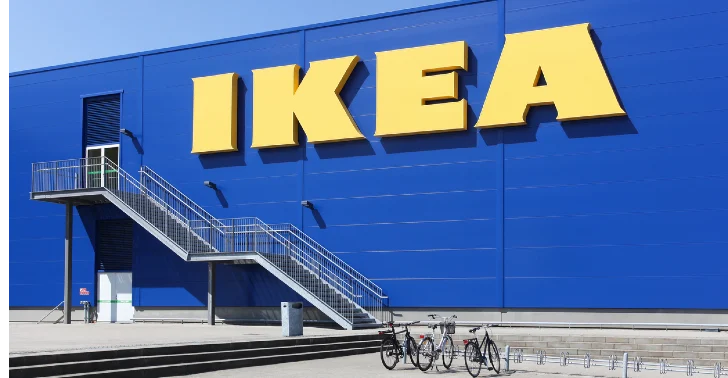
Furniture giant Ikea is significantly accelerating its transition toward a circular business model. In a strategic move to capture the booming resale market, the Swedish retailer has announced the expansion of its peer-to-peer (P2P) marketplace, "Ikea Pre-owned," into the United Kingdom, Ireland, and Germany. This latest expansion marks a major milestone for the company, bringing its active second-hand platform footprint to nine countries and signaling a departure from traditional retail-only operations.
Alongside the geographic expansion of its marketplace, the company is also diversifying its circular services by launching a dedicated "Buyback" pilot program in Portugal and Spain. By enabling customers to sell furniture directly back to the retailer, Ikea is effectively closing the loop on its product lifecycle, aiming to retain value within its ecosystem while making sustainable shopping more accessible to the mass market.
The Chronology of a Circular Transformation
Ikea’s venture into the second-hand market did not happen overnight; it is the culmination of years of iterative testing and strategic repositioning. Earlier this year, the company was recognized by Cross-Border Commerce Europe as the continent’s best-performing cross-border seller, a title that underscored its dominance in both traditional retail and digital innovation.
The Pilot Phase (Early 2024)
The journey began in early 2024, when Ikea launched a pilot for a second-hand, customer-to-customer (C2C) marketplace in Spain and Norway. The goal was to create a dedicated space where consumers could trade used Ikea furniture, bypassing the fragmentation of third-party platforms like eBay or Facebook Marketplace.
Rapid Scaling (Mid-2024 to Present)
The initial pilot proved that demand for branded, pre-owned furniture was robust. Encouraged by the metrics, the company systematically rolled out the platform to Portugal, Poland, Sweden, and Belgium. The recent announcement concerning the United Kingdom, Ireland, and Germany represents the most ambitious phase of the rollout to date, placing the platform in some of the retailer’s most significant and high-volume markets.
The Buyback Integration (Late 2024)
As the marketplace matures, the strategy is shifting from mere platform hosting to active participation. By the end of December 2024, the retailer will introduce a "Buyback" option in its Iberian markets. This evolution allows the platform to function not just as a classifieds board, but as a gateway for Ikea to reacquire inventory directly from its customers, which can then be refurbished or resold, further cementing the company’s commitment to its "circular by 2030" goal.
Supporting Data: By the Numbers
The success of the Ikea Pre-owned marketplace is not merely anecdotal; the data paints a compelling picture of a platform that has tapped into a significant consumer pain point. As of August 31, 2026, the platform had logged an impressive 15 million visits, a figure that highlights the massive reach of the Ikea brand even in the competitive resale space.
Market Traction and User Engagement
The platform has generated 95,700 unique product listings to date. While these numbers are still evolving, the velocity of the marketplace has exceeded initial internal expectations. Perhaps more importantly, the platform has served as a powerful tool for customer acquisition and retention. Approximately 25.5 percent of marketplace users have either joined or reactivated their membership in the "Ikea Family" loyalty program.
The incentive is clear: Ikea allows loyalty members to list products on the marketplace for free. By removing the transaction fees typically associated with third-party resale platforms, the company has effectively gamified the circular economy, turning casual sellers into loyal, long-term brand participants.
Official Responses and Strategic Vision
The leadership at Ingka Group, the largest franchisee of the Ikea brand, views these developments as a fundamental shift in how the company interacts with its consumers. Emily Birkin, Development & Transformation Manager at Ingka Group, emphasized that the marketplace is the result of a deliberate, data-driven methodology.
"We started small, listened closely, and have developed the marketplace step by step," Birkin stated. "The data tells us there is clear interest. Testing the option for customers to sell direct to IKEA on the marketplace and exploring delivery partnerships are practical next steps."
For the company, this is not just about environmental sustainability; it is about infrastructure. By controlling the platform, Ikea can ensure that the "pre-owned" experience maintains the same brand standards as a new purchase. The integration of delivery partnerships—which the company is currently exploring—is expected to further streamline the process, removing the logistical hurdles that often discourage individuals from buying or selling large, bulky furniture items.
The Buyback Mechanism: How It Works
The introduction of the Buyback option adds a layer of convenience that differentiates the Ikea marketplace from generic classifieds sites. Under this new model, when a customer lists an eligible product for sale, the platform will display an option for the user to receive a direct offer from Ikea.
If the customer accepts the offer, the process is straightforward:
- The Offer: An estimated value is provided based on the item’s condition and demand.
- The Handover: The customer takes the item to a participating local Ikea store.
- The Finalization: The store verifies the product, completes the buyback, and issues credit or payment to the customer.
This system provides a "guaranteed" sale, mitigating the uncertainty of waiting for a buyer on a peer-to-peer platform. For the consumer, it is a frictionless way to recycle furniture that might otherwise end up in a landfill. For Ikea, it provides a consistent stream of pre-owned stock that can be repurposed or sold at a discount in "As-Is" store sections, creating a self-sustaining retail cycle.
Implications for the Future of Retail
The expansion of Ikea’s second-hand marketplace carries profound implications for the global retail landscape. It challenges the traditional "take-make-waste" manufacturing model and forces competitors to reconsider their own roles in the product lifecycle.
Disrupting the Third-Party Resale Market
By creating an in-house platform, Ikea is effectively reclaiming the second-hand market for its own products. This move threatens third-party marketplaces that have historically benefited from the high volume of Ikea furniture resale. By providing a brand-native environment, Ikea can offer superior customer support, standardized product information, and a trust-based ecosystem that generic marketplaces cannot match.
The Sustainability Mandate
As consumer awareness regarding the environmental impact of "fast furniture" grows, brands are under increasing pressure to demonstrate sustainability. Ikea’s strategy is designed to combat the stigma of disposable furniture. By facilitating the resale of its goods, the company is extending the life of every product it sells, which is a critical step toward its goal of becoming a fully circular business.
Data as a Competitive Advantage
The platform acts as a feedback loop. By analyzing which products are most frequently listed for resale, which ones retain their value, and why customers choose to sell them, Ikea gains invaluable insights into product durability and design flaws. This data will likely influence future product development, leading to furniture that is designed not only to be sold once but to be repaired, reused, and eventually recycled.
Challenges Ahead
Despite the momentum, the path forward is not without challenges. Scaling a C2C marketplace requires navigating complex logistical and regulatory environments across multiple European nations.
- Logistics: Furniture is difficult to move. Unlike smaller consumer goods, the shipping or transportation of sofas, tables, and cabinets remains the biggest barrier to widespread second-hand adoption.
- Quality Control: Maintaining brand reputation on a C2C platform is difficult. If a customer receives a damaged item from another user, the negative experience is often unfairly associated with the Ikea brand.
- Market Saturation: In some regions, the second-hand market for furniture is already highly saturated with established players. Ikea must convince users that its specific platform offers enough value—either through ease of use, trust, or integration with the loyalty program—to justify moving away from their current habits.
Conclusion
Ikea’s aggressive expansion into the second-hand market is a bold assertion that the future of retail is circular. By integrating peer-to-peer marketplaces with direct buyback services, the company is creating a comprehensive ecosystem that benefits both the consumer and the environment.
With 15 million visits and a growing user base, the "Ikea Pre-owned" project has moved well beyond the pilot stage. It is now a central pillar of the company’s long-term strategy. As it continues to roll out these services in the UK, Ireland, and Germany, the company is setting a new benchmark for how global retailers can take responsibility for their products long after they have left the warehouse floor.
The success of this initiative will be closely watched by the retail industry. If Ikea can successfully scale this model, it may well define the standard for 21st-century commerce, where the sale of a product is merely the beginning of its life, rather than the end. Through this evolution, Ikea is not just selling furniture—it is selling a philosophy of longevity, proving that even a titan of mass production can pivot to lead the charge toward a more sustainable, circular future.