Over a decade after establishing itself as a premier direct-to-consumer (DTC) destination for high-quality organic cotton children’s apparel, Monica + Andy is undergoing a significant transformation. The brand, which first gained notoriety for its rigorous commitment to transparency in the garment supply chain, is officially branching out into the $70 billion global baby care market.
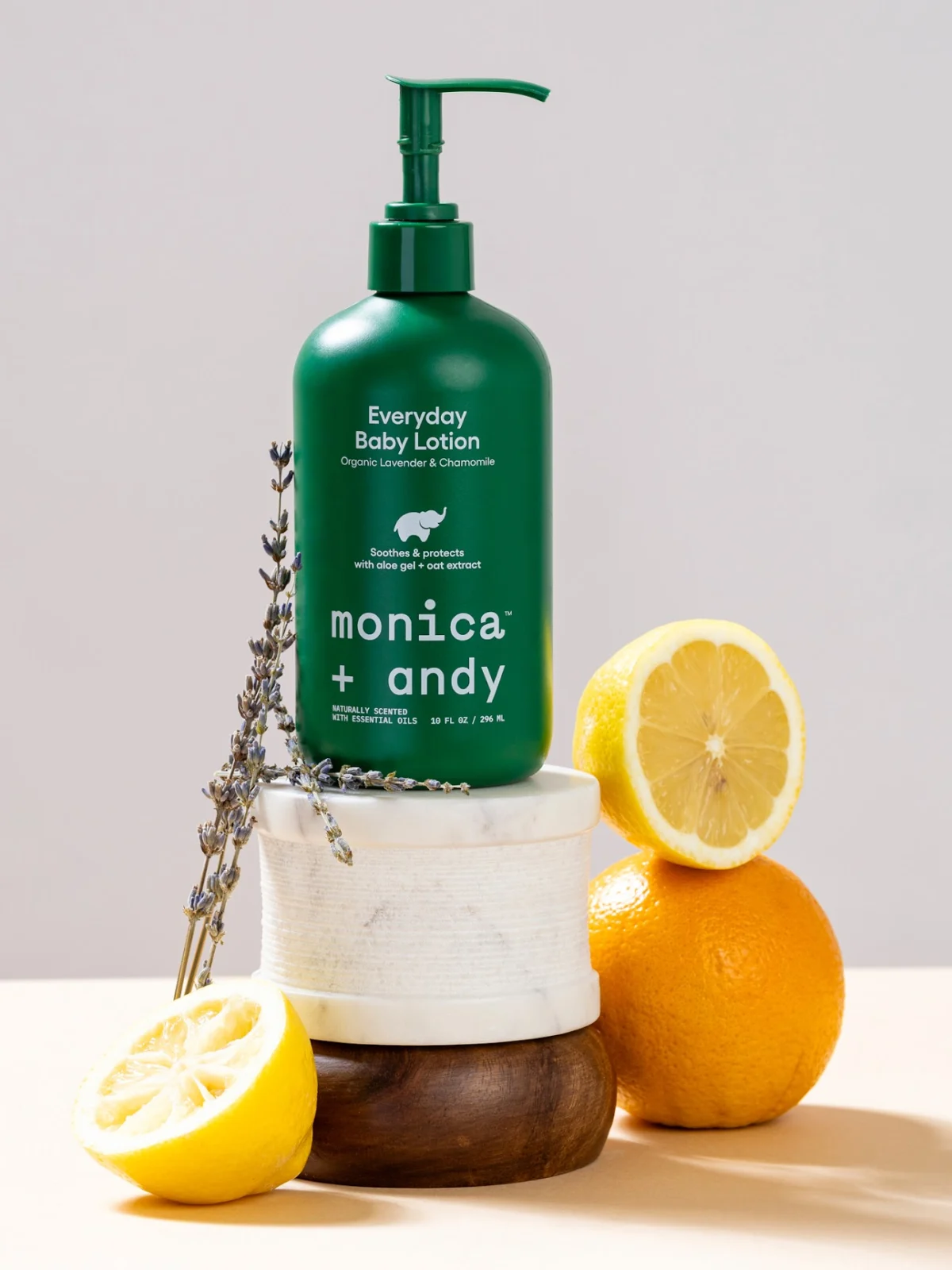
This expansion marks the most substantial shift in the company’s history, signaling a move from a clothing-centric retailer to a comprehensive lifestyle brand for the modern parent. By launching a curated line of baby-care essentials—including 2-in-1 shampoo and body wash, bedtime cream, soothing balms, soap, and gentle laundry detergent—Monica + Andy is leveraging its established brand equity to address the intimate needs of newborns and toddlers.
The Evolution: A Chronology of Growth
Founded in 2014, Monica + Andy emerged during the height of the DTC boom. CEO and founder Monica Royer launched the brand with a singular, uncompromising vision: to provide clothing that was not only aesthetically pleasing but also ethically sourced and free from the synthetic chemicals often found in mass-market textiles.
- 2014: The brand launches with a focus on certified organic cotton, utilizing a supply chain that traced every garment back to the fields where the fiber was harvested.
- 2017–2020: Having solidified its reputation in children’s apparel, the company expanded into maternity wear and “Mommy + Me” sets, broadening its consumer base to capture the full lifecycle of new parenthood.
- 2023: A pivotal year for the brand, Monica + Andy secured a massive distribution partnership with Walmart. This move brought the brand into the physical retail space, placing its products in over 1,400 stores nationwide.
- 2024: The current milestone. Building on the operational momentum gained from its Walmart partnership, the brand is now launching its inaugural baby-care collection, transitioning from a clothing retailer into the wellness and personal care aisle.
For Royer, the delay in entering the personal care space was intentional. "I always envisioned taking Monica + Andy beyond clothing," Royer notes. "It just took longer than I initially thought to get there. The logistics of mastering our footprint in Walmart in 2023 were significant, but that experience gave us the foundation we needed to expand our mission."
The Science and Sourcing of Better-For-You Care
The transition into baby care was not a decision made lightly. Royer, who has long been vocal about her desire to protect the skin of children, approached the development of these new products with the same scrutiny she applied to her cotton supply chain.
The Organic-First Mandate
The company’s product development process was centered on the concept of "clean" ingredients. In the world of baby wellness, "clean" is often a nebulous marketing term; however, Royer aimed to move beyond buzzwords by prioritizing organic-first ingredients that could withstand both regulatory rigor and the practical demands of the mass-market consumer.
The Cost-Quality Paradox
A primary challenge in this expansion was price point accessibility. To be successful in a retail giant like Walmart, Monica + Andy had to develop premium-quality, plant-based formulations while keeping the end price between $10 and $20. This necessitated a delicate balance between sourcing high-end botanical extracts and optimizing the manufacturing process to ensure scalability without compromising safety.
Ingredient Transparency
The brand’s new lineup relies heavily on plant-based derivatives. The 2-in-1 shampoo and body wash features a proprietary blend of aloe, oat, and organic calendula, chosen specifically for their soothing properties. The bedtime cream utilizes avocado and mango extracts, known for their deep moisturizing capabilities.
"I wanted to make sure I learned everything about different types of ingredients," Royer explains. "We tested a variety of both plant-based and non-plant-based alternatives. That testing process was exhaustive, but it ultimately reaffirmed my commitment to keeping this brand entirely plant-based. What touches a child’s skin first is an incredibly personal and important matter."
Data-Driven Strategy: The Outcome-Based Approach
Monica + Andy’s move into personal care is underpinned by a shift in consumer behavior. According to Royer, modern parents are increasingly moving away from "category-based" shopping (e.g., buying "shampoo" because they need shampoo) to "outcome-based" shopping (e.g., buying a product to achieve "better sleep" or "softer skin").
By mirroring this consumer psychology, the brand has designed its packaging to highlight the specific benefits of its ingredients. The goal is to provide parents with a clear value proposition: if you want to soothe, protect, or nourish your child, these products are the direct mechanism to achieve those results.
Marketing Through Community: The Micro-Influencer Engine
Rather than relying solely on traditional advertising, Monica + Andy is doubling down on its long-standing relationship with its community. The brand manages its influencer network entirely in-house, a strategy that has served them well since their DTC inception.
For the launch of the baby-care line, the company is deploying a network of micro-influencers—real parents who are already deeply embedded in the Monica + Andy ecosystem. These influencers have been tasked with documenting their real-time experiences with the products, from the initial unboxing to testing the formulations in their own homes.
"We are seeing them go into Walmart stores, film their hauls, and share honest reviews of the product performance," says Royer. "This peer-to-peer validation is the most powerful tool we have. We don’t want to just sell a product; we want to build a shared experience of what it means to care for a newborn."
Implications for the Retail Landscape
The entry of a brand like Monica + Andy into the baby-care aisle has broader implications for the retail sector:
- Brand Extension as a Survival Strategy: As the DTC market becomes increasingly saturated, brands that were once defined by a single product category must pivot toward a "total life" model to maintain customer loyalty.
- The Democratization of "Clean" Care: By partnering with Walmart, Monica + Andy is effectively democratizing access to premium, organic-first baby products. This signals a trend where "clean" beauty and wellness are no longer reserved for high-end boutique shoppers but are becoming standard expectations for the average family.
- The New Standard for Supply Chain Integrity: By applying the same "field-to-shelf" transparency that the brand pioneered in the garment industry to the chemical formulation industry, Monica + Andy is setting a new bar for industry competitors.
Conclusion: A Future Beyond Apparel
As Monica + Andy moves into this next chapter, the company is positioning itself not merely as a clothing label, but as a trusted partner in the journey of parenthood. The brand’s ability to successfully transition from the tactile, visual world of cotton to the chemical and biological world of baby wellness is a testament to the strength of its mission-driven model.
For parents, the implication is clear: the brand that they have trusted to dress their children for over a decade is now asking to be trusted with their children’s daily care. If the successful launch of its baby-care line is any indication, the modern parent is more than ready to listen. As Royer looks toward the future, the focus remains simple: continue to identify the gaps in the market where quality and safety are lacking, and fill them with products that meet the highest possible standard.
In an era where consumer trust is the most valuable currency, Monica + Andy’s pivot suggests that the future of retail lies in the depth of the brand’s values, not just the breadth of its inventory.