In an era defined by rapid technological advancement and unprecedented connectivity, the global food system remains paradoxically broken. While hundreds of millions of people grapple with the visceral reality of hunger, the world simultaneously discards billions of tonnes of edible produce. This misalignment—a reflection of deep-seated structural inefficiencies—is not merely a humanitarian failure; it is an environmental catastrophe. As we look toward a future with a growing global population, the imperative to revolutionize how we grow, distribute, and consume food has never been more urgent.
The Magnitude of the Crisis: A Global Snapshot
The statistics surrounding global food systems are staggering. In 2025 alone, an estimated 645 million people faced the indignity of hunger. Yet, according to data from the United Nations Environment Programme (UNEP), more than 1 billion meals are wasted every single day.
This waste is a significant driver of climate change. Food loss and waste are responsible for 8% to 10% of total annual global greenhouse gas emissions. To put this into perspective, the carbon footprint of food waste is more than three times the emissions produced by the entire global aviation sector. When food is discarded, the resources used to produce it—water, labor, energy, and land—are also squandered, exacerbating the pressure on our planet’s already strained ecosystems.
Chronology of Inefficiency: From Farm to Fork
The journey of food from soil to plate is fraught with points of failure. Historically, the supply chain has been linear and reactive.
- Pre-Harvest: Climate volatility and pest pressure lead to massive crop losses before a harvest even begins.
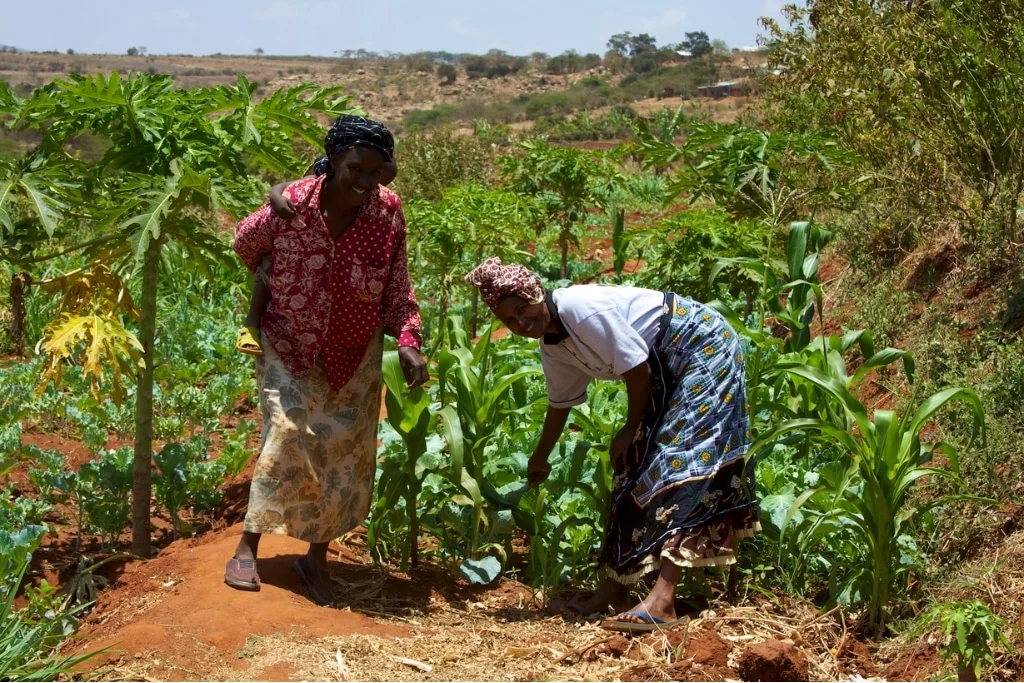
- Harvest & Storage: In developing economies, post-harvest losses often exceed 50% due to a lack of cold-chain infrastructure, poor storage facilities, and inadequate transportation networks.
- Distribution: Traditional, fragmented supply chains rely on multiple intermediaries, driving up costs and slowing down delivery, which allows perishables to spoil.
- Consumption: In developed nations, "cosmetic standards" and supply chain over-ordering lead to mass disposal of perfectly nutritious food.
However, a new wave of entrepreneurs is rewriting this narrative. By leveraging biotechnology, artificial intelligence, and circular economic models, these innovators are bridging the gap between smallholder farmers and modern markets.

Innovative Solutions: Four Startups Leading the Charge
1. AgroSustain (Lausanne, Switzerland): Extending Life through Nature
AgroSustain is tackling the biological reality of decay. Founded in Lausanne, the company has developed a dual-pronged approach to extend the shelf life of fresh produce through natural biocoatings.
The Technology:
- Tornado (Pre-harvest): This foliar spray acts as a protective shield, helping crops withstand environmental stressors like drought. Testing has revealed remarkable results, including a 30% increase in tomato yields and a 37% surge in grape production.
- Afondo (Post-harvest): An invisible, odorless, and tasteless coating that serves as a sustainable alternative to harsh chemical fungicides. By slowing water loss and decay, Afondo can extend the shelf life of produce by up to five weeks.
Environmental Impact:
Beyond extending shelf life, AgroSustain prioritizes a low-carbon distribution model, favoring sea freight over air travel and aggressively minimizing plastic packaging. Their approach proves that agriculture does not have to rely on synthetic chemicals to be productive; it can be sustainable, resilient, and highly efficient.
2. Matriark Foods (New York, USA): The Upcycling Revolution
In the United States, nearly 40% of the food supply goes to waste. Matriark Foods, founded by non-profit leader Anna Hammond, views this "waste" as a resource.
The Strategy:
Matriark partners with regional farms to rescue "commercially unusable" produce—vegetables that might be the wrong shape or size for traditional supermarkets. By processing these into nutrient-dense broths, stews, and concentrates, they capture value that would otherwise end up in a landfill.

Data and Results:
Since its inception in 2019, the company has diverted 1.5 million pounds of vegetables from landfills, saved 362 million gallons of water, and reduced greenhouse gas emissions by 7.8 million pounds. Their commitment to social equity is equally robust, as they actively direct meals to food banks and support culinary education in underserved New York communities.
3. YoLa Fresh (Casablanca, Morocco): Optimizing the Supply Chain
In Africa, where post-harvest losses hover near 50%, YoLa Fresh is deploying digital logistics to stabilize the market.
The Mechanism:
Co-founders Larbi Alaoui Belghiti and Youssef Mamou utilize an AI-driven platform to analyze retailer demand and connect it directly to smallholder farmers. By eliminating unnecessary intermediaries and streamlining transport into a 12-hour turnaround window, they ensure that produce reaches the retailer at peak freshness.
The Economic Ripple Effect:
Retailers benefit from consistent, lower-cost supplies, while farmers receive payment within 24 hours—a rarity in traditional agricultural models. With a 99% satisfaction rate and the capacity to handle over 1,000 tonnes of perishables daily, YoLa Fresh is proving that tech-enabled infrastructure is the key to scaling food security in emerging markets.
4. RegenCrops (Hyderabad, India): The AI-Powered Farm
RegenCrops represents the intersection of ancestral wisdom and modern Artificial Intelligence. In Telangana, the company is helping farmers transition away from the "chemical treadmill."
The Approach:
The platform uses AI-driven image processing to detect pests early and provides tailored, sustainable protocols to replace synthetic pesticides. By training farmers in regenerative practices—such as crop rotation, natural pest barriers, and micro-irrigation—RegenCrops restores soil health.
Impact Metrics:
Model farm trials have shown a 76% reduction in synthetic fertilizer use, an 85% decrease in disease incidence, and a 95% reduction in water usage. Furthermore, the platform helps farmers monetize their efforts by connecting them with carbon credit markets, turning sustainable stewardship into a new revenue stream.
Supporting Data: The Cost of Inaction
The urgency of these startups’ missions is supported by cold, hard data. The transition to a circular food economy is not just a moral choice; it is an economic necessity.
- Climate Mitigation: The UN has explicitly identified food system transformation as a cornerstone of the Paris Agreement targets.
- Resource Efficiency: Every tonne of food saved is a reduction in the water footprint, land usage, and energy expenditure required to feed a global population projected to hit 10 billion by 2050.
- Economic Opportunity: Startups like YoLa Fresh and Matriark demonstrate that food waste reduction can be profitable, fostering new industries that prioritize durability and efficiency over volume and disposal.
Official Perspectives and Implications
International bodies, including the FAO and various climate NGOs, have increasingly called for "systemic shifts" rather than incremental changes. The implications of this are clear: we must move away from the traditional, wasteful "take-make-dispose" agricultural model.
However, individual action is only the starting point. For these innovations to achieve global impact, they require a supportive ecosystem. Governments and policymakers must play a central role by:

- Providing Subsidies for Innovation: Redirecting agricultural subsidies from high-chemical, low-efficiency models toward regenerative and tech-driven startups.
- Infrastructure Investment: Investing in cold-chain logistics, particularly in the Global South, to ensure that harvests reach markets before they spoil.
- Regulatory Reform: Standardizing "use-by" labels and easing the regulations that prevent the distribution of "ugly" but perfectly safe produce.
Conclusion: A Call to Action
The stories of AgroSustain, Matriark Foods, YoLa Fresh, and RegenCrops offer a blueprint for a more resilient future. These companies are not merely solving a logistical problem; they are redesigning the relationship between human nutrition and planetary health.
As the world faces the mounting pressures of a warming climate, the ability to feed ourselves sustainably will define our resilience. By championing these innovations at scale and fostering a food system that values every calorie, we can begin to close the gap between the abundance we produce and the hunger that persists. The solutions exist; the task now is to ensure they are adopted with the speed and scale that the planet demands.