BRUSSELS, Belgium – August 10, 2026 – Europe’s ambitious economic growth trajectory for 2026 hangs precariously in the balance, jeopardized by an unprecedented and prolonged heatwave coupled with severe drought conditions that have scorched the continent for months. A stark new analysis by the Dutch sustainable banking institution, Triodos Bank, warns that the relentless extreme weather could effectively nullify the European Union’s projected 1.1% economic expansion, translating into a staggering loss of approximately €180 billion from the bloc’s gross domestic product (GDP). This grim forecast underscores the escalating financial toll of climate change and raises urgent questions about the continent’s economic resilience in an era of intensifying environmental challenges.
The European Commission had initially projected a modest yet steady 1.1% economic growth for the EU in 2026, a figure seen as a crucial step towards post-pandemic recovery and stability amidst ongoing global uncertainties. However, Triodos Bank, renowned for its specialization in financing environmentally and socially sustainable projects, contends that the pervasive heat and drought could trigger a direct reduction of around 1% in the EU’s GDP. Such a decline would almost precisely offset the anticipated growth, plunging the continent’s economy into a state of near stagnation and derailing recovery efforts across multiple sectors.
This comprehensive study by Triodos Bank goes beyond mere meteorological observations, meticulously detailing the cascading economic ramifications of the extreme weather. From significant declines in agricultural output and strained energy grids to plummeting labor productivity and widespread disruptions in transport networks, the interwoven impacts paint a sobering picture for Europe’s immediate economic future. Human health and vital ecosystems are also suffering immense strain, further exacerbating the crisis. The findings serve as a potent reminder that climate resilience is no longer merely an environmental imperative but a fundamental pillar of economic stability and prosperity.
The Unfolding Crisis: A Summer of Scorching Records
The summer of 2026 will undoubtedly be etched into Europe’s meteorological history as one of its most brutal on record. What began as an unusually warm spring quickly intensified into a series of successive heatwaves, culminating in prolonged periods of extreme temperatures and parched conditions across virtually the entire continent. This chronological account traces the relentless progression of a crisis that has now reached the heart of Europe’s economy.
Early Warnings and Southern Europe’s Inferno
The first ominous signs emerged in late May and early June, as Southern European nations, particularly Spain, Italy, and Greece, began experiencing temperatures far exceeding seasonal averages. Heat advisories, initially treated with caution, quickly escalated to red alerts as mercury levels soared past 40°C in numerous cities, weeks ahead of typical summer peaks. Forest fires, usually a later-season phenomenon, ignited with unprecedented ferocity across the Mediterranean basin, stretching firefighting resources to their limits and devastating vast swathes of land. Reservoirs, crucial for irrigation and drinking water, began to show alarming drops in levels, prompting early restrictions on water usage in several regions of Spain and Italy. Farmers, already contending with unpredictable weather patterns in recent years, voiced profound concerns over the fate of their spring crops.
The Northward March and Widespread Drought
By late June and early July, the extreme heat, once largely confined to the south, began its relentless northward march. Countries historically less accustomed to such prolonged intensity, including France, Germany, Belgium, and even parts of Scandinavia, found themselves grappling with record-breaking temperatures. Major rivers like the Rhine, Danube, and Po, vital arteries for trade, transport, and energy production, saw their water levels recede dramatically, reminiscent of the severe droughts of 2022 and 2024 but on an even grander scale. This widespread drought exacerbated agricultural stress, not only for traditional summer crops but also impacting fodder for livestock. Cities across the continent implemented emergency measures, from public cooling centers to restrictions on outdoor activities and construction work during peak heat hours. The sheer duration of the heat, often lasting for weeks without significant breaks, prevented recovery and deepened the cumulative impact on infrastructure, natural resources, and human well-being.
Peak Impact in August and Economic Reckoning
As August dawned, the relentless conditions showed little sign of abatement. While some localized thunderstorms offered temporary respite, they were often accompanied by destructive hail or flash floods on parched ground, providing insufficient relief from the overarching drought. It was against this backdrop of persistent and widespread environmental stress that the Triodos Bank study was released, offering the first comprehensive economic assessment of the summer’s devastating toll. The study’s timing, mid-summer, captures the cumulative damage already incurred and projects the likely full-year economic impact, painting a stark picture of a continent struggling to cope with the immediate and long-term consequences of a summer defined by extreme heat and drought. The human cost, measured in increased hospitalizations and heat-related fatalities, alongside the ecological devastation, provides a grim context for the projected economic losses.
Supporting Data: Dissecting the €180 Billion Economic Blow
The Triodos Bank analysis meticulously unpacks the mechanisms through which extreme heat and drought are expected to shave 1% off the European Union’s GDP, amounting to approximately €180 billion. This figure, almost equivalent to the EU’s forecasted economic growth, underscores a multi-faceted crisis impacting virtually every pillar of the continent’s economy.
Agricultural Output: A Crop of Losses
The most immediate and visible impact of the prolonged heatwave and drought is felt in the agricultural sector. Triodos Bank projects a significant decline in EU agricultural output, estimated to fall by a substantial 3% to 7%. This reduction is not uniform across the continent or across different crop types. Southern European nations, already grappling with water scarcity, are seeing devastating losses in key Mediterranean produce such as olives, grapes, and citrus fruits. Yields for staple crops like wheat, maize, and sunflower seeds are severely diminished across the breadbaskets of France, Germany, and Eastern Europe due to insufficient rainfall and heat stress during critical growth stages.
The economic implications extend far beyond the farm gate. Lower yields translate directly into reduced income for farmers, many of whom are already operating on thin margins. The ripple effect travels up the supply chain, impacting food processors, distributors, and ultimately, consumers. This scarcity, exacerbated by global market pressures, is a primary driver behind the "increase in food prices" cited by the study, contributing to inflationary pressures and eroding household purchasing power across the EU. Livestock farming is also under severe strain, with reduced availability of fodder, increased costs for feed and water, and direct heat stress on animals leading to lower productivity and higher mortality rates.
Labor Productivity: The Heat Tax on Human Endeavor
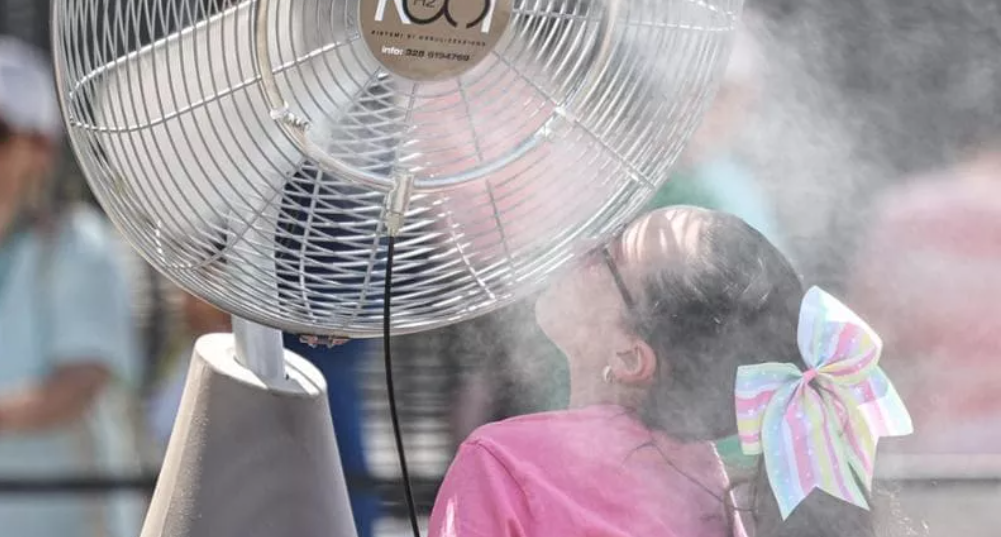
The study highlights a critical yet often underestimated economic cost: the reduction in labor productivity. Triodos Bank’s analysis confirms that worker efficiency significantly diminishes when temperatures rise above approximately 25-30 degrees Celsius. This threshold is particularly impactful in sectors requiring physical exertion, outdoor work, or operating in environments without adequate climate control. Construction sites, manufacturing plants, logistics warehouses, and agricultural fields become hazardous and less productive workplaces under intense heat.
The effects are multifaceted:
- Reduced Physical Output: Workers become fatigued faster, require more breaks, and are physically less capable of performing demanding tasks. This directly translates to fewer goods produced or services rendered per hour.
- Cognitive Impairment: Studies have shown that extreme heat can impair cognitive functions, leading to reduced concentration, increased errors, and slower decision-making, impacting even office-based roles in non-air-conditioned buildings.
- Increased Absenteeism: Heat-related illnesses, ranging from exhaustion and dehydration to severe heatstroke, lead to higher rates of sick leave, further reducing the available workforce.
- Safety Concerns: The risk of accidents increases in hot conditions, particularly in industrial and construction settings, leading to work stoppages and additional costs.
While difficult to precisely quantify across an entire economy, the cumulative effect of reduced productivity across millions of workers represents a substantial drag on economic activity, eroding the competitiveness and output of businesses throughout the EU.
Energy Sector Strain: Demand Surges, Supply Falters
The heatwave presents a dual challenge to Europe’s energy sector. On one hand, demand for electricity surges dramatically as households and businesses rely heavily on air conditioning and cooling systems. On the other hand, the very conditions driving this demand simultaneously hinder energy production.
- Hydropower Limitations: Critically low river levels severely impact hydroelectric power generation, a significant source of renewable energy in many European countries.
- Nuclear and Thermal Plant Cooling: Nuclear power plants and conventional thermal power stations depend on ample cooling water, typically drawn from rivers or seas. Reduced water levels and elevated water temperatures force these plants to either scale back operations or shut down entirely to avoid environmental damage (heating up the water bodies further) and maintain safety protocols.
- Infrastructure Stress: The extreme heat itself can stress electricity grids, leading to equipment malfunctions, power outages, and increased maintenance costs.
The combined effect of soaring demand and constrained supply inevitably leads to the "increase in electricity prices" noted by the study, further burdening consumers and industries already struggling with other inflationary pressures.
Transport Disruptions: Slowing the Lifelines of Trade
Europe’s interconnected transport networks, vital for the flow of goods and people, are also highly susceptible to extreme heat.

- Railways: Heat can cause railway tracks to buckle and expand, necessitating speed restrictions or even temporary closures to prevent derailments, leading to delays and increased operational costs.
- Roads: Asphalt surfaces can soften and degrade under intense heat, requiring costly repairs and potentially limiting heavy vehicle traffic.
- River Transport: The dramatically low water levels in major rivers like the Rhine and Danube significantly impede barge traffic. Barges are forced to carry lighter loads to avoid running aground, drastically increasing transport costs and delivery times for bulk goods, industrial components, and fuels. This directly contributes to "transport restrictions" and creates bottlenecks in critical supply chains.
These disruptions cascade through the economy, delaying deliveries, increasing logistics costs for businesses, and impacting everything from manufacturing schedules to retail availability.
Human Health and Ecosystems: The Foundational Costs
Beyond direct economic metrics, the study implicitly acknowledges the foundational costs to human health and natural ecosystems, which, while harder to assign a direct monetary value to, underpin economic functionality. Increased hospital admissions for heatstroke, dehydration, and exacerbated respiratory conditions place immense strain on healthcare systems. The psychological toll of living through a prolonged heat crisis, coupled with the trauma of wildfires and water scarcity, also impacts societal well-being. Environmentally, the widespread drought threatens biodiversity, degrades soil quality, increases the risk of desertification, and reduces the natural capacity of ecosystems to provide essential services like water purification and carbon sequestration, representing long-term costs to environmental capital.
Regional Vulnerabilities: France, Italy, Spain, and Belgium Bear the Brunt
The Triodos Bank study identifies France as particularly vulnerable to the economic fallout, alongside Italy, Spain, and Belgium, which are also expected to incur "considerable economic damage."
- France: With its significant agricultural sector, extensive nuclear power fleet reliant on river cooling, and large landmass exposed to varied climate zones, France faces a multi-pronged assault. Agricultural losses in key regions, coupled with reduced industrial output due to labor and energy constraints, contribute heavily to its projected economic hit.
- Italy and Spain: These Mediterranean nations are on the front lines of climate change. Their economies, heavily reliant on agriculture and tourism, are acutely sensitive to heat and water scarcity. Reduced harvests, strained water resources, and the impact of extreme heat on outdoor tourism activities are major factors.
- Belgium: Despite its northern European location, Belgium’s dense industrial landscape and reliance on efficient transport networks make it susceptible to productivity losses, energy price spikes, and disruptions in river transport, particularly on the Rhine.
These regional disparities highlight the uneven impact of climate change across the EU, demanding tailored responses and potentially increasing intra-bloc economic divergence.
Official Responses and Calls for Action
The alarming findings of the Triodos Bank study have sent ripples through European capitals and Brussels, prompting a re-evaluation of current climate adaptation strategies and economic forecasts. While the European Commission initially maintained a relatively optimistic outlook for 2026, the severity and persistence of the summer’s heatwave have necessitated a more urgent and coordinated response.
European Commission: Acknowledging the Threat
The European Commission, while not immediately revising its 1.1% growth forecast, has acknowledged the "significant challenges" posed by the extreme weather events. A spokesperson for the Commission, speaking on condition of anonymity, indicated that internal assessments were underway to gauge the full extent of the economic damage and to determine if adjustments to the macroeconomic outlook would be necessary in the coming months. The Commission has reiterated its commitment to the European Green Deal, framing the current crisis as a stark validation of the need for accelerated climate action and robust adaptation measures. Discussions within the Commission have reportedly intensified around emergency funding mechanisms for affected agricultural sectors, as well as exploring options to bolster energy grid resilience and support Member States in water management strategies. There is a growing consensus that investment in climate-resilient infrastructure and sustainable practices is not merely an environmental expenditure but a critical economic safeguard.
National Government Responses: Patchwork of Emergency Measures
Across the most affected Member States, national governments have scrambled to implement a range of emergency measures and develop more comprehensive adaptation plans.
- France: The French government has declared an "agricultural disaster" in numerous departments, paving the way for emergency aid and compensation for farmers facing devastating crop losses. President Macron’s administration has also accelerated plans for water retention and irrigation projects, while simultaneously issuing public health warnings and implementing stricter labor laws regarding outdoor work during peak heat.
- Italy: In Italy, authorities have focused on public health, issuing widespread red alerts for heat-related risks in major cities and opening numerous cooling centers. The government is also grappling with the dual challenge of protecting its crucial agricultural sector, particularly its vineyards and olive groves, and supporting its tourism industry, which has seen some decline due to the extreme conditions. Debates have intensified over long-term water infrastructure investments.
- Spain: Already a pioneer in water management due to its arid climate, Spain has further tightened water restrictions in several regions, impacting both agricultural and urban consumption. The Spanish government has also committed to increasing investment in renewable energy sources and grid modernization to reduce reliance on vulnerable conventional power plants and meet the surging demand for cooling.
- Belgium: For Belgium, the focus has been on protecting its industrial heartland and ensuring the continued flow of goods through its ports and waterways. The government has engaged with employers to ensure safe working conditions and has explored contingency plans for managing potential energy shortages or transport bottlenecks on the Rhine.
These national responses, while crucial for immediate relief and adaptation, highlight the fragmented nature of climate policy implementation across the EU, often reacting to crises rather than preemptively building systemic resilience.
Triodos Bank’s Advocacy: Investing in Sustainability
As the source of the impactful study, Triodos Bank has amplified its call for a paradigm shift in financial investment. Their message is clear: the current economic model is unsustainable in the face of escalating climate impacts. "Our findings are a stark reminder that the cost of inaction on climate change far outweighs the investment required for a sustainable transition," stated a Triodos Bank spokesperson. "Financing projects that foster climate resilience, such as sustainable agriculture, renewable energy, circular economy initiatives, and green infrastructure, is no longer a niche activity but an economic imperative. Banks, investors, and policymakers must collaborate to redirect capital towards building an economy that can withstand and thrive amidst these new climatic realities." Their specialization in sustainable finance lends significant weight to their recommendations, urging a proactive approach to prevent future economic shocks.
Implications: A Future Defined by Climate Resilience
The summer of 2026 and the Triodos Bank study serve as a pivotal moment, forcing Europe to confront the profound and immediate economic implications of a rapidly changing climate. The projected €180 billion loss is not merely a statistical anomaly but a stark warning about the future of economic stability and societal well-being on the continent. The implications extend far beyond the current summer, pointing towards a future where climate resilience will be an indispensable factor in economic competitiveness and human security.
Accelerating the Green Transition
The most significant implication is the undeniable urgency it adds to Europe’s green transition. The economic losses detailed by Triodos Bank make a compelling case that delaying climate action is not only environmentally irresponsible but economically ruinous. This crisis will likely galvanize further investment in renewable energy sources, energy efficiency measures, and the development of a circular economy. The vulnerability of traditional energy infrastructure and fossil fuel reliance has been brutally exposed, reinforcing the argument for a swift and comprehensive shift away from carbon-intensive practices. Policy discussions will inevitably pivot towards not just emissions reduction, but also aggressive adaptation strategies.
Reimagining Infrastructure and Urban Planning
Europe’s existing infrastructure, built largely for a more stable climate, is proving increasingly inadequate. The buckling railway lines, strained power grids, and low river levels necessitate a complete rethink of infrastructure planning. Future investments must prioritize "climate-smart" infrastructure capable of withstanding extreme weather events. This includes resilient transport networks, advanced water management systems (including rainwater harvesting, wastewater recycling, and aquifer recharge), and energy grids designed for both higher demand and distributed renewable generation. Urban planning will also need to adapt, with greater emphasis on green spaces, urban cooling solutions, and building codes that promote passive cooling and energy efficiency, especially in densely populated areas.
Transforming Agriculture and Food Systems
The vulnerability of European agriculture demands a fundamental transformation of food systems. This will involve significant investment in climate-smart agriculture techniques, such as drought-resistant crop varieties, precision irrigation, agroforestry, and soil health management. Diversification of crops and farming practices, along with support for local food chains, could enhance resilience. Furthermore, the crisis highlights the need for robust food security strategies at both national and EU levels, including strategic reserves and early warning systems to mitigate the impact of future climate-induced harvest failures. The challenge will be to balance food production with environmental sustainability, ensuring both economic viability for farmers and ecological integrity.
Social Equity and Vulnerability
The implications also extend to social equity. Extreme heat disproportionately affects vulnerable populations – the elderly, the chronically ill, low-income households without access to cooling, and outdoor workers. The economic impact on labor productivity, coupled with rising food and energy prices, exacerbates existing inequalities. Future policy responses must therefore incorporate a strong social dimension, ensuring that adaptation measures are equitable and that support systems are in place to protect the most susceptible segments of society. This includes accessible cooling centers, public health campaigns, and social safety nets designed to cushion the economic blows of climate disasters.
A New Economic Reality
Ultimately, the summer of 2026 marks a turning point, signaling a new economic reality for Europe. The continent can no longer afford to view climate change solely as a long-term environmental threat; it is an immediate and tangible economic adversary. The €180 billion price tag is a wake-up call, demonstrating that climate resilience is not a luxury but a fundamental prerequisite for sustained economic growth and stability. The challenge for European leaders, businesses, and citizens alike will be to integrate climate action into every facet of economic planning, transforming vulnerability into an opportunity for innovation, sustainable growth, and a more resilient future. The path forward demands urgent, coordinated, and ambitious action to ensure that Europe’s economic aspirations are not continually overshadowed by the escalating costs of a warming world.