As the first full week of January 2026 draws to a close, market participants, policymakers, and private sector analysts are bracing for a massive influx of economic indicators. Friday, January 9, represents a critical juncture for the U.S. economy, as the morning schedule features a "quadfecta" of data releases—the Employment Report, Housing Starts, Consumer Sentiment, and the Federal Reserve’s Flow of Funds report—that will undoubtedly dictate the mood of Wall Street and the strategic posture of the Federal Reserve heading into the next FOMC meeting.
The Main Facts: A Busy Friday Morning
The sheer density of the data release schedule on January 9 underscores the complexity of the current economic landscape. According to Calculated Risk, the day’s agenda is packed with high-impact reports that will provide a granular look at both the labor market and the consumer psyche.
The primary focus, as always, is the December Employment Report, scheduled for release at 8:30 AM ET. Market consensus currently projects a modest gain of 55,000 jobs, with the unemployment rate expected to tick down to 4.5%. This follows a period of volatile labor market data and intense scrutiny over the cooling effects of previous monetary tightening.
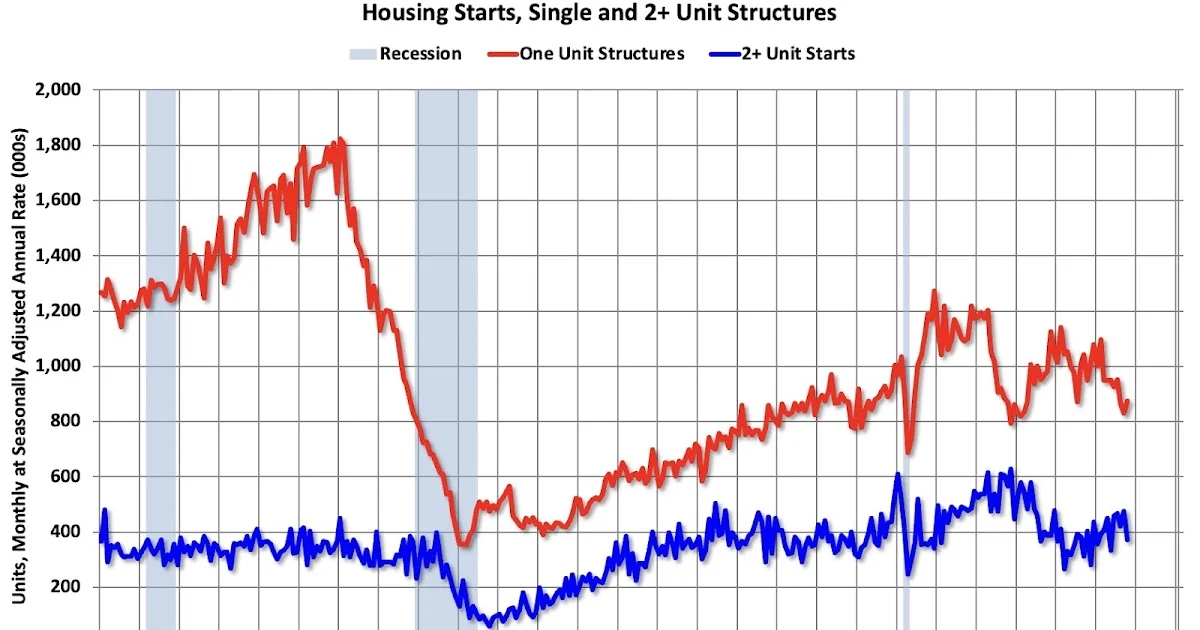
Following the employment data, at 10:00 AM ET, the market will receive the long-awaited data for Housing Starts for September and October. The delay in this specific series has left analysts flying somewhat blind regarding the health of the residential construction sector, making this release particularly anticipated. Concurrently, the University of Michigan will release its preliminary Consumer Sentiment Index for January, a vital bellwether for household spending intentions. Finally, at 12:00 PM ET, the Federal Reserve will release the Q3 Flow of Funds Accounts, offering a comprehensive look at the balance sheets of U.S. households and businesses.
Chronology of the Data Release
The sequence of these releases is designed to test the market’s capacity for rapid assimilation of macroeconomic information.
- 8:30 AM ET: The Employment Report (December). This serves as the "anchor" release. Investors will be dissecting the payroll numbers, wage growth metrics, and labor force participation rates. A print near the 55,000 mark would suggest a stabilizing labor market, while a significant miss could trigger volatility.
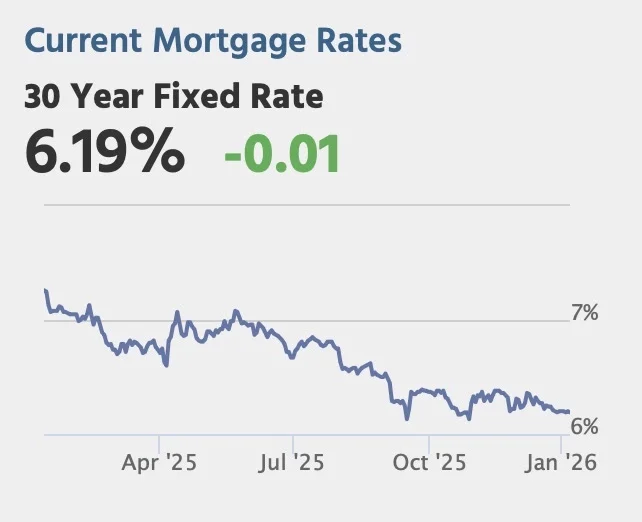
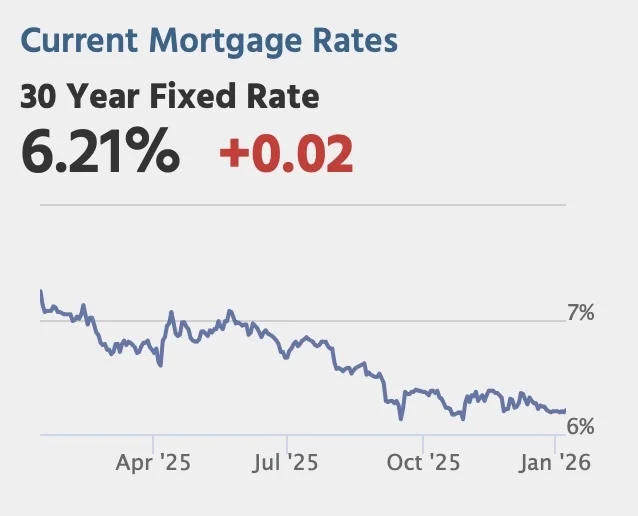
- 10:00 AM ET: Housing Starts (Sept/Oct) and Consumer Sentiment. By mid-morning, the focus shifts from the labor market to the real estate sector and the consumer. The housing market remains sensitive to mortgage rates—which, as tracked by MortgageNewsDaily, are currently reflecting high-tier lending scenarios—and the construction data will reveal if developers are pivoting in response to financing costs.
- 12:00 PM ET: Flow of Funds (Q3). As the midday lunch hour approaches, the Flow of Funds data will provide a retrospective look at wealth distribution and debt accumulation from the third quarter. This is essential for understanding the underlying structural resilience of the American economy.
Supporting Data: Understanding the Context
To fully grasp the significance of Friday’s data, one must look at the trends that have led us to this point.
The Labor Market Tightrope
The projected gain of 55,000 jobs represents a cooling trend compared to the robust growth seen in previous years. The Federal Reserve has been vocal about its desire to see a "rebalancing" of the labor market to mitigate wage-push inflation. If the unemployment rate drops to 4.5%, it suggests that while job creation is slowing, the pool of available workers is being absorbed at a pace that keeps the labor market relatively tight.
Housing and Interest Rate Sensitivity
The residential construction sector has been the most vulnerable to the high-interest-rate environment. By releasing both September and October data simultaneously, the government is providing a "catch-up" snapshot. Analysts will be looking for signs of stabilization; if housing starts show a resilience despite elevated mortgage rates, it may indicate that the supply-demand imbalance in the housing market is providing a floor for the industry.
The Consumer Sentiment Pulse
The University of Michigan index has been a volatile indicator over the last twelve months. It is heavily influenced by inflation expectations and gas prices. A downward trend here would signal that consumers are beginning to feel the cumulative weight of interest rate hikes, which could foreshadow a slowdown in retail spending in the first half of 2026.
Official Responses and Expert Outlook
While we await the official numbers, the silence from the Federal Reserve during this "blackout" period is deafening. However, recent rhetoric from committee members suggests a "data-dependent" approach.

Market analysts have been busy adjusting their models. The consensus view, as cited by Calculated Risk, suggests that the Fed is looking for a "soft landing" scenario. Any data that significantly deviates from the projected 55,000 jobs or suggests a sudden spike in unemployment would likely force a recalibration of interest rate expectations.
Industry experts argue that the Q3 Flow of Funds report is perhaps the most overlooked piece of data. By showing how household net worth has changed in light of shifting asset prices and debt service requirements, the report will tell us whether the American consumer is still "dipping into savings" or if they have successfully deleveraged. This is the ultimate indicator of the economy’s "runway" before a potential recessionary cliff.
Implications for the Broader Economy
The implications of Friday’s data are far-reaching.
Monetary Policy Implications
If the job growth is lower than expected, the Fed may be encouraged to pause or potentially pivot on its interest rate strategy. Conversely, if the labor market remains stubbornly hot, the "higher for longer" narrative will gain momentum, likely pushing Treasury yields higher and putting further pressure on equity markets.
Real Estate Market Dynamics
For the housing market, the combination of employment and starts data will be vital for mortgage lenders. If unemployment rises, the risk profile of mortgage portfolios increases. If housing starts are weak, the construction industry may face significant headwinds, impacting regional employment and GDP growth.
Consumer Behavior
Consumer sentiment is the final piece of the puzzle. If the January sentiment reading shows that households are becoming pessimistic, it could trigger a "self-fulfilling prophecy" of reduced spending. This would impact corporate earnings, particularly in the discretionary goods sector, which is already dealing with supply chain complexities and fluctuating consumer demand.
Systemic Stability
The Flow of Funds report will provide the data necessary to evaluate the health of the U.S. financial system. Specifically, analysts are looking at the corporate debt load. If the report shows that firms have successfully refinanced their debt at manageable rates, the likelihood of a systemic "credit event" diminishes significantly.
Conclusion
As we move toward the close of the week, the economic dashboard for Friday, January 9, 2026, acts as a high-stakes stress test for the U.S. economy. We are at a moment where every data point is weighted with the potential to shift market sentiment. Whether the results confirm the "soft landing" narrative or point toward a more turbulent transition remains to be seen.
Investors, policymakers, and the general public should be prepared for volatility. The synchronization of these reports—ranging from the immediate pulse of the labor market to the deeper, structural shifts in household balance sheets—will provide the most comprehensive map of our current economic reality that we have seen in months.
As Calculated Risk has consistently highlighted, the key is not just to look at the headlines of the employment report, but to understand the interconnectedness of housing, consumer sentiment, and systemic capital flows. Friday will not only define the direction of the market for the coming weeks, but it will also set the tone for the first quarter of 2026, a year that is already shaping up to be a defining period for the American economic cycle. Keep a close eye on the 8:30 AM release; it is the first domino in a chain that will influence everything from your mortgage rate to the cost of your groceries in the months to come.