In a significant consolidation of the Australian consumer product landscape, Athan Didaskalou and Richard Li, the powerhouse duo behind the high-growth luggage brand July, have made a strategic move into the reusable drinkware market. The pair has acquired a 20% stake in Memobottle, the Melbourne-born company famous for its signature flat, paper-sized water bottles.
The transaction, which values the 12-year-old design firm at $10 million, represents a calculated synergy between two companies that have redefined their respective categories through aesthetic minimalism and functional innovation. By investing in a personal capacity, Didaskalou and Li are not merely acting as financial backers; they are stepping into active roles on the Memobottle board, signaling a hands-on approach to scaling the brand’s international footprint.
The Strategic Marriage of Travel and Hydration
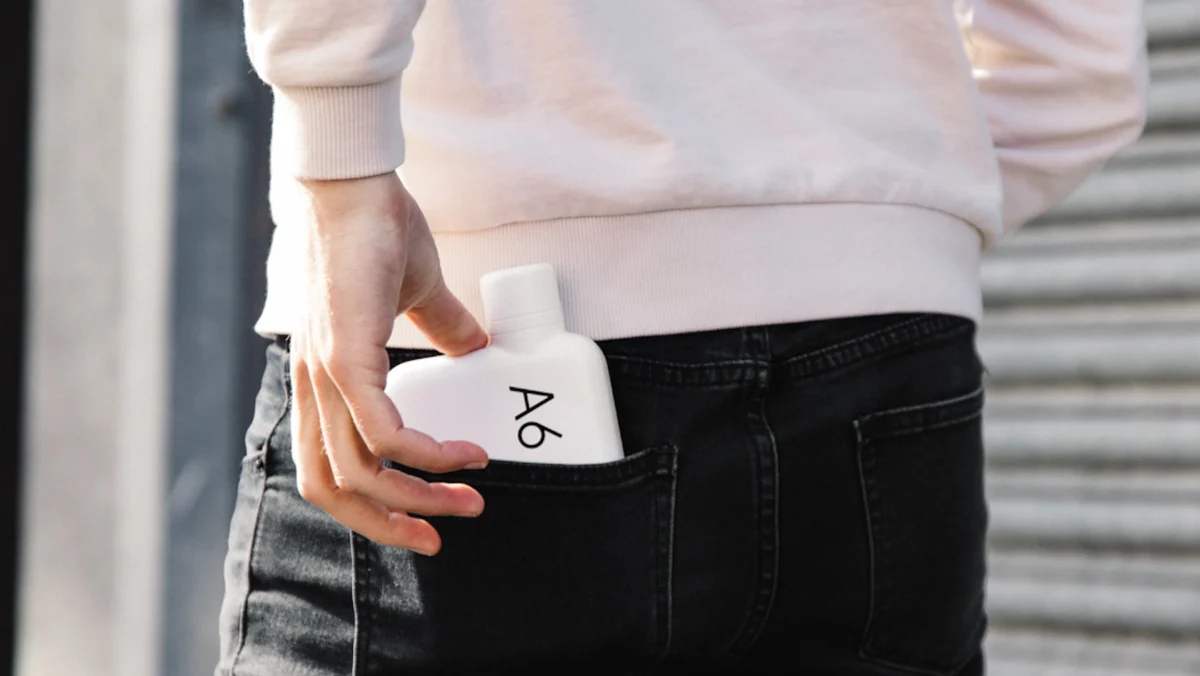
The acquisition brings together two of Australia’s most recognizable "design-first" consumer brands. July, which has rapidly become a household name in the premium luggage and travel accessories space, has built its reputation on solving the "broken suitcase" problem with durable, stylish, and tech-integrated gear. Memobottle, conversely, disrupted the saturated hydration market by identifying a fundamental flaw in traditional bottle ergonomics: they were round, bulky, and ill-suited for the modern professional’s satchel or laptop bag.
By securing a 20% equity stake, Didaskalou and Li are leveraging their expertise in global supply chains, direct-to-consumer (DTC) marketing, and premium branding to propel Memobottle into its next stage of maturity. For Memobottle, the partnership provides more than just a capital injection; it offers a roadmap for operational excellence modeled after the rapid ascent of July.
A Chronology of Innovation: From Kickstarter to Global Cult Status
To understand the weight of this $10 million valuation, one must look at the trajectory of Memobottle, which has evolved from a niche Kickstarter project to a design-led global enterprise.
- 2012–2013: The Concept Phase. Founders Jesse Leeworthy and Jonathan Byrt identified a global problem: the environmental impact of single-use plastic bottles, exacerbated by the fact that circular bottles were inconvenient to carry. They began prototyping a bottle shaped like a sheet of paper.
- 2014: The Kickstarter Explosion. Memobottle launched its maiden crowdfunding campaign. It became an instant hit, resonating with a demographic of urban professionals, students, and travelers who prioritized portability.
- 2015–2018: Global Expansion. The brand secured retail partnerships across North America, Europe, and Asia. Its design was lauded in prestigious museums and design awards, cementing its status as an "object of desire" rather than just a utility item.
- 2019–2023: Diversification. Memobottle expanded its product line to include varying sizes (A5, A6, and slim profiles) and premium accessories, including leather sleeves and cleaning kits.
- 2024–2025: Operational Scaling. As the brand matured, it sought strategic partners to help navigate the complexities of international logistics and retail expansion.
- 2026: The July Partnership. The investment from Didaskalou and Li marks the beginning of a new chapter, integrating Memobottle into a broader ecosystem of high-end lifestyle products.
Supporting Data: The Economics of Reusable Design
The valuation of $10 million for a 12-year-old company—while modest compared to "unicorn" tech startups—is a testament to the resilience and high-margin potential of the premium reusable goods sector.
The global reusable water bottle market is currently experiencing a CAGR (Compound Annual Growth Rate) of approximately 4–5%. However, brands that focus on "lifestyle" branding, such as Stanley, Yeti, and Memobottle, often outperform the broader market by commanding higher price points and fostering stronger brand loyalty.
Memobottle’s success has been driven by three key metrics:
- High Customer Lifetime Value (CLV): Unlike mass-market bottles, Memobottle’s design aesthetic appeals to a demographic that treats the product as a fashion accessory, leading to repeat purchases for different sizes or seasonal colors.
- Asset-Light Operations: By maintaining a focus on design and outsourced manufacturing, the company has kept overheads manageable, allowing for the healthy margins required to attract sophisticated investors like the founders of July.
- Cross-Border Reach: A significant portion of Memobottle’s revenue is generated in international markets, providing a hedge against domestic economic volatility.
Official Responses and Strategic Intent
While neither party has released a comprehensive five-year plan, the implications of the appointment of Didaskalou and Li to the board are clear. In initial commentary, the focus remains on "synergy" and "shared design philosophies."
"We have long admired the way Memobottle transformed a commodity product into a design icon," Athan Didaskalou noted in a statement following the announcement. "There is an incredible alignment in how we approach the customer journey—both July and Memobottle exist at the intersection of travel, work, and daily life."
For the founders of Memobottle, the partnership is viewed as a validation of their original vision. "Having the founders of a company as successful as July join our board brings a level of strategic rigor that is essential for our next phase," a company spokesperson stated. "They understand the challenges of building a brand that is both beautiful and functional, and their experience in scaling international retail is exactly what we need to reach the next tier of our growth."
Implications for the Industry
The investment sends a clear message to the Australian startup ecosystem: consumer brands with strong IP and a clear "problem-solution" value proposition remain highly attractive, even in a cautious investment climate.
1. The Rise of the "Lifestyle Ecosystem"
We are seeing a trend where successful founders are not just exiting their companies, but are instead building "lifestyle ecosystems." By diversifying their portfolio, Didaskalou and Li are positioning themselves as curators of the modern traveler’s toolkit. This suggests that future acquisitions or investments may follow, potentially creating a group of premium, design-led Australian consumer brands.
2. Design as a Moat
In an era of cheap, disposable imports, Memobottle’s $10 million valuation proves that proprietary design serves as a durable competitive moat. The brand successfully moved away from the "utility" narrative and into the "luxury/lifestyle" space, which provides protection against price-sensitive competition.
3. The Future of Retail
The involvement of July’s founders suggests a renewed focus on omnichannel retail. While both brands started as DTC-native, the future likely involves a more aggressive expansion into premium physical retail spaces, potentially utilizing July’s existing retail infrastructure to house Memobottle products, thereby reducing customer acquisition costs for both brands.
Challenges Ahead
Despite the optimism surrounding the deal, the road ahead is not without obstacles. The drinkware market is notoriously crowded, with giants like Yeti and Hydro Flask dominating the outdoor sector, and a surge of low-cost competitors on platforms like Amazon and TikTok Shop.
Memobottle must navigate the challenge of maintaining its premium positioning while scaling production to meet global demand. Furthermore, as the brand looks to scale, it will need to balance its minimalist design ethos with the need for continuous product innovation. Can the brand expand beyond the "flat bottle" concept without diluting its identity? This will be the primary question for the board in the coming 24 months.
Conclusion
The acquisition of a 20% stake in Memobottle by Athan Didaskalou and Richard Li is more than a financial transaction; it is a signal of the maturation of the Australian direct-to-consumer landscape. By merging the design prowess of Memobottle with the operational expertise of the July founders, the stage is set for a significant expansion of the brand.
As the retail environment becomes increasingly competitive, the success of this partnership will hinge on whether they can maintain the "cult" status of the brand while successfully scaling into new markets and product categories. For now, the $10 million valuation serves as a milestone—a moment where a visionary idea, born in Melbourne, successfully transitioned into a key asset within a larger, more sophisticated consumer portfolio.
For the consumer, the result will likely be a more seamless, stylish, and efficient experience in how they hydrate on the go—a small but significant improvement in the modern daily routine that both July and Memobottle seem intent on perfecting.