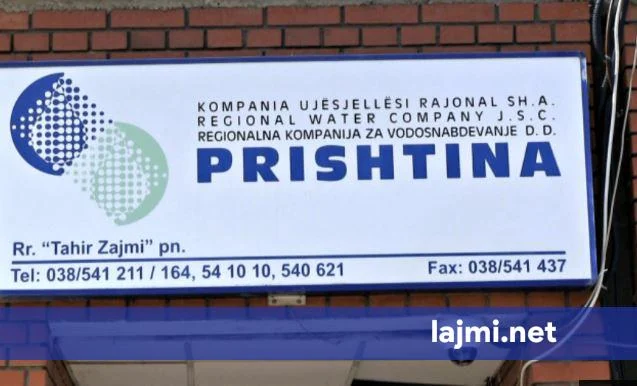
Prishtina, November 11, 2023 – The Regional Water Company "Prishtina" (KRU "Prishtina") has issued a critical advisory for thousands of residents across several key suburbs of the capital, announcing a significant interruption to the water supply scheduled for this coming Saturday. The company stated that the planned shutdown is necessitated by urgent and essential maintenance and repair works on the water supply network, aiming to enhance the long-term reliability and efficiency of the system. The disruption is expected to affect a substantial portion of the population in the Nic neighborhood, Çagllavicë, Qëndresa, a specific section of Veternik extending towards the Rezonanca area, and the community of Hajvali.
KRU "Prishtina" emphasized that the water supply will remain suspended throughout the duration of the works, with restoration anticipated only upon their successful completion. The company has appealed for the understanding and cooperation of the affected citizens, urging them to make necessary preparations to mitigate the inconvenience caused by the temporary cessation of services. This proactive measure underscores the continuous challenges faced by urban infrastructure in rapidly developing regions, where system upgrades and critical repairs are vital for sustaining reliable public services.
Main Facts: A Necessary Disruption for Long-Term Reliability
The impending water supply interruption on Saturday, November 11, 2023, is not merely a routine inconvenience but a critical intervention designed to address pressing infrastructural needs within Prishtina’s expanding water network. KRU "Prishtina," the sole provider of water supply and wastewater services for the capital and surrounding municipalities, has clearly communicated that these works are indispensable for the sustained functionality and improvement of water distribution. The core reason for the shutdown lies in the requirement to perform complex repairs and integrate new components into the existing pipeline infrastructure. While specific technical details regarding the exact nature of the repairs – whether it involves replacing an aging segment of a main pipeline, fixing a significant leak, or connecting new distribution lines to accommodate urban expansion – were not exhaustively detailed in the initial announcement, the company’s emphasis on "maintenance and repair works" suggests a multifaceted operation aimed at enhancing system integrity.
The impact zone for this Saturday’s disruption is extensive, encompassing several densely populated and rapidly developing areas. The Nic neighborhood, a residential zone known for its community feel, will experience a complete halt in water services. Similarly, Çagllavicë, a bustling suburb that has witnessed exponential growth in recent years, transforming from a semi-rural area into a vibrant residential and commercial hub, is fully within the affected radius. The Qëndresa neighborhood, another significant residential pocket, will also be without water. Furthermore, a specific segment of Veternik, particularly the area stretching towards the prominent Rezonanca landmark, is slated for the outage. Veternik itself is one of Prishtina’s largest and fastest-growing districts, characterized by numerous new housing developments and a burgeoning population. Finally, the community of Hajvali, situated south of Prishtina, which serves as both a residential area and a gateway to the capital, will also face the water cut.
Collectively, these areas represent a substantial portion of Prishtina’s suburban population, potentially affecting tens of thousands of households and businesses. The decision to implement a full-day interruption underscores the gravity and scale of the work required, as such operations often necessitate depressurizing and draining large sections of the network to ensure worker safety and the quality of repairs. KRU "Prishtina" has made it clear that the supply will not be reinstated until all technical operations are fully completed and the system is safely re-pressurized and checked for integrity. This commitment, while causing temporary hardship, is ultimately aimed at preventing more severe, unplanned, and prolonged disruptions in the future, thereby ensuring a more stable and reliable water supply for these communities in the long run.
Chronology of Events Leading to the Interruption
The decision to implement a planned water supply interruption, while impactful, is rarely an impromptu one. It is typically the culmination of a systematic process involving infrastructure assessment, planning, and public notification. For KRU "Prishtina," this specific Saturday’s works are part of an ongoing commitment to maintaining and upgrading a critical urban utility system that serves a dynamic and expanding metropolitan area.
The genesis of this particular maintenance operation likely stems from several factors. Firstly, regular monitoring and inspection of the vast network, which includes hundreds of kilometers of pipelines, pumping stations, and reservoirs, often reveal areas requiring intervention. These could be segments prone to frequent leaks, sections exhibiting reduced pressure due to calcification or aging, or areas identified as bottlenecks in the distribution system. Given Prishtina’s rapid urbanization over the last two decades, much of the existing infrastructure, particularly in older parts of the network or those serving areas that have seen significant development, is under increased strain. This often leads to a higher incidence of pipe bursts, reduced flow, and water quality concerns, necessitating proactive repairs.
Secondly, the continuous expansion of Prishtina’s residential and commercial footprint, particularly in areas like Çagllavicë and Veternik, necessitates the integration of new connections and the strengthening of existing supply lines. New housing estates, commercial complexes, and public facilities require reliable water access, and connecting them to the main grid often involves shutting down segments of the primary distribution network. The current works could very well include such integration tasks, ensuring that new developments are seamlessly brought online without compromising the supply to established communities.
The planning and scheduling phase for such a significant undertaking is meticulous. It involves a multi-departmental effort within KRU "Prishtina," bringing together technical engineers, operational managers, and public relations teams. The first step is typically a detailed engineering assessment to determine the scope of work, the required materials, and the specialized equipment needed. This assessment also dictates the estimated duration of the shutdown and the precise segments of the network that must be isolated. Coordination with other utility providers, such as KESCO (Kosovo Energy Distribution and Supply Company) if power is needed for pumps or other equipment, and local municipal authorities, is also crucial to ensure minimal broader impact.
Public notification is a cornerstone of responsible utility management. While the current announcement was made close to the date of the works, KRU "Prishtina" typically employs a multi-channel communication strategy for such events. This includes official press releases to local media outlets, announcements on the company’s official website and social media platforms (Facebook, X/Twitter), and potentially direct outreach to community leaders in affected areas. The goal is to provide citizens with ample time to prepare, allowing them to store sufficient quantities of water for drinking, cooking, and sanitation needs. While the original article implies a relatively short notice, it is plausible that earlier, broader advisories might have been disseminated, with this latest announcement serving as a final reminder of the impending works. The chosen day, Saturday, is often selected for such major works to minimize disruption to weekdays, though it still significantly impacts household routines and weekend activities.
Supporting Data and Context: Understanding Prishtina’s Water Challenges
To fully grasp the significance of KRU "Prishtina"’s planned water interruption, it is essential to contextualize it within the broader landscape of water infrastructure challenges and demographic realities of the region. Prishtina, as the capital and largest city in Kosovo, has experienced unprecedented population growth and urban sprawl since the post-war period. This rapid expansion has placed immense pressure on its aging public utilities, particularly the water supply system.
Demographics of Affected Areas:
The communities targeted by this Saturday’s outage represent a substantial and diverse cross-section of Prishtina’s urban fabric:
- Çagllavicë: This area, bordering Prishtina, has seen explosive residential development, attracting a significant middle-class population. Its population is estimated to be in the tens of thousands, making it one of the most populous affected zones. The rapid construction of new apartment buildings and family homes often outpaces the capacity of older infrastructure.
- Veternik (towards Rezonanca): Another major growth corridor, Veternik is a sprawling suburb with a mix of residential, commercial, and even industrial zones. The specific segment towards Rezonanca likely encompasses a densely populated residential sector, potentially affecting thousands of households. The "Rezonanca" area itself is a recognizable landmark, helping residents pinpoint the affected zone.
- Hajvali: Historically a village, Hajvali has been increasingly integrated into Prishtina’s metropolitan area, serving as a residential suburb. Its population is in the thousands, and its residents rely heavily on the city’s central water supply.
- Nic and Qëndresa: These are generally smaller, more established residential neighborhoods, likely home to several thousands of residents each. While smaller in scale compared to Çagllavicë or Veternik, the impact on their communities is equally significant.
In total, the affected population could easily range from 50,000 to over 100,000 people, underscoring the scale of this necessary intervention.
Challenges of Prishtina’s Water Infrastructure:
Prishtina’s water supply largely depends on surface water sources, primarily the Batllava and Badovc lakes. The raw water is treated at dedicated facilities before being distributed through a complex network. However, the system faces several endemic challenges:
- Aging Infrastructure: A significant portion of the water distribution network dates back several decades, with some pipelines exceeding their intended lifespan. These older pipes are prone to leaks, bursts, and internal corrosion, leading to substantial water losses (Non-Revenue Water – NRW) and compromising water quality. KRU "Prishtina" has reported NRW levels that are a significant concern, making every repair critical.
- Increased Demand: Population growth and changing consumption patterns have dramatically increased water demand, often straining the existing capacity of treatment plants and distribution networks, especially during peak summer months.
- Illegal Connections and Vandalism: While less frequent for major shutdowns, illegal connections and occasional vandalism can also compromise network integrity and efficiency, requiring remedial works.
- Maintenance Backlog: Years of underinvestment and the sheer scale of the network mean that utility companies often face a backlog of necessary maintenance and upgrade projects.
Economic and Social Impact:
Water interruptions, even planned ones, have tangible economic and social consequences. For households, it means inconvenience for basic sanitation, cooking, and cleaning. Businesses, particularly those in the food service, hospitality, or manufacturing sectors, can face significant operational challenges or even temporary closures, leading to financial losses. While most critical public services like hospitals have backup water supplies, extended outages can still strain their resources. The cumulative effect of such disruptions, if frequent, can impact public trust and economic productivity.
KRU "Prishtina"’s Broader Investment Plans:
This specific maintenance work is not an isolated event but forms part of KRU "Prishtina"’s broader strategy to modernize its infrastructure. The company, often with support from international financial institutions like the European Bank for Reconstruction and Development (EBRD) and the World Bank, is continuously investing in projects aimed at:
- Reducing Water Losses: Implementing advanced metering infrastructure, replacing old pipelines, and actively detecting and repairing leaks.
- Increasing Supply Capacity: Exploring new water sources and upgrading treatment plant capacities to meet future demand.
- Improving Service Quality: Ensuring consistent water pressure, especially in higher elevation areas, and maintaining high standards of water quality.
- Digitalization: Adopting smart water technologies for better network management and monitoring.
Therefore, the upcoming works, while disruptive, are a vital component of a larger, long-term vision to ensure a resilient and high-quality water supply for the citizens of Prishtina. They represent a necessary step in adapting an essential public utility to the demands of a rapidly evolving urban environment.
Official Responses and Public Communication
In the aftermath of the announcement regarding the impending water supply interruption, KRU "Prishtina" has been proactive in its communication strategy, aiming to inform, reassure, and guide the affected populace. The company’s official statements have consistently highlighted the critical nature of the scheduled works and the unavoidable necessity of the temporary disruption.
Statement from KRU "Prishtina" Spokesperson:
Mr. Arben Gashi, Technical Director at KRU "Prishtina," offered a comprehensive statement regarding the upcoming works. "We fully understand that any interruption to the water supply causes significant inconvenience for our valued customers," Gashi stated, acknowledging the public’s potential frustration. "However, these specific works scheduled for this Saturday, November 11th, are absolutely paramount for the long-term health and reliability of our water distribution network. We are addressing critical points within the system that, if left unattended, could lead to more severe, unplanned, and prolonged outages in the future."
Gashi further elaborated on the nature of the work: "Our teams will be undertaking a combination of urgent pipeline repairs and the integration of new connection points that are vital for ensuring consistent pressure and supply to our rapidly expanding communities, particularly in areas like Çagllavicë and Veternik. This operation requires the depressurization and isolation of significant segments of the main pipeline, which unfortunately means a temporary cessation of supply to the identified areas."
He offered an apology on behalf of the company: "We sincerely apologize for any disruption this may cause to daily routines and weekend plans. We have mobilized additional technical teams and resources to ensure that the work is completed as swiftly and efficiently as possible, minimizing the duration of the outage. Our goal is to have the water supply fully restored by late afternoon or early evening on Saturday, barring any unforeseen technical challenges."
In terms of citizen preparedness, Gashi provided clear guidance: "We strongly advise all residents in the affected areas – Nic, Çagllavicë, Qëndresa, the Veternik section towards Rezonanca, and Hajvali – to store sufficient quantities of drinking water for their household needs prior to the interruption. We also encourage them to fill bathtubs or other containers for sanitation purposes. We urge everyone to monitor our official communication channels – our website, social media, and local news outlets – for real-time updates on the progress of the works and the estimated time of restoration. Should any issues arise post-restoration, such as discolored water or persistent low pressure, we encourage citizens to report them immediately to our customer service line."
Municipal Response and Collaboration:
While the primary responsibility for water supply lies with KRU "Prishtina," the Municipality of Prishtina often plays a supportive role, particularly in facilitating communication and ensuring public safety during such works. Mayor Përparim Rama’s office acknowledged the planned works, issuing a brief statement through their social media channels: "The Municipality of Prishtina has been informed by KRU ‘Prishtina’ regarding essential water network maintenance this Saturday. We urge all residents in the affected areas to cooperate with the utility company’s instructions and prepare accordingly. These works are vital for the long-term well-being of our city’s infrastructure." This collaborative approach underscores the shared commitment to public service delivery.
Simulated Public Reaction:
On social media platforms, the announcement generated a mixed bag of reactions. Many citizens expressed understanding, recognizing the necessity of infrastructure upgrades. "It’s annoying, but if it means fewer leaks and better pressure in the long run, then it’s worth it," commented one user from Çagllavicë. Others voiced frustration, particularly those who have experienced frequent interruptions in the past. "Another Saturday without water! Can’t they schedule these things better or do them at night?" questioned a resident of Veternik. There were also calls for greater transparency regarding the exact nature of the repairs and more precise timelines for restoration. KRU "Prishtina"’s customer service channels are expected to experience a surge in inquiries leading up to and during the interruption, requiring robust support to manage public concerns effectively.
Implications and Future Outlook
The impending water supply interruption, while a temporary inconvenience, carries significant implications for the affected communities and provides a crucial lens through which to view the future of urban infrastructure in Prishtina. Both short-term challenges and long-term benefits are integral to understanding the full scope of this necessary intervention.
Short-Term Implications:
In the immediate term, the absence of water will undoubtedly disrupt the daily lives of tens of thousands of residents. Households will face challenges with basic hygiene, cooking, and sanitation. Parents will need to manage children’s needs without readily available running water, while elderly or infirm residents may find the situation particularly arduous. Local businesses, especially those reliant on water for their operations such as restaurants, cafes, car washes, and laundromats, may be forced to suspend services or operate at a reduced capacity, leading to financial losses for the day. While most critical facilities like hospitals and emergency services are equipped with backup water reserves, a widespread outage still adds an additional layer of logistical complexity. The economic ripple effect, though confined to a single day, can be tangible for small and medium-sized enterprises in the affected zones. Furthermore, there is always a potential for increased demand on bottled water sales, highlighting the immediate market response to such events.
Long-Term Benefits:
Crucially, the short-term disruption is a precursor to significant long-term improvements. The maintenance and repair works are designed to bolster the overall resilience and efficiency of the water supply network. Specific benefits include:
- Improved Service Reliability: Addressing critical pipeline issues will reduce the frequency of unplanned bursts and leaks, leading to fewer sudden outages in the future.
- Enhanced Water Pressure: Repairs and upgrades can optimize water flow, ensuring more consistent and adequate pressure, particularly in areas that have historically suffered from low pressure.
- Reduced Water Losses: Fixing leaks and upgrading old pipes is a key strategy in reducing Non-Revenue Water, which is water lost before it reaches the customer. This conserves precious water resources and improves the financial sustainability of KRU "Prishtina."
- Better Water Quality: Repairing compromised pipes can prevent contaminants from entering the system, thereby safeguarding public health.
- Support for Urban Development: Integrating new connection points ensures that new residential and commercial developments receive reliable water access, supporting the continued growth of Prishtina.
Role of Public Awareness and Preparedness:
The incident underscores the critical importance of public awareness and preparedness for such events. Citizens who heed advisories and proactively store water can significantly mitigate the negative impacts. This also highlights the need for continuous public education campaigns by utility providers, not just about impending outages, but about water conservation, the importance of maintaining household plumbing, and understanding the vital role of infrastructure investment. A well-informed public is a more resilient public.
Future Infrastructure Plans and Continued Investment:
The works scheduled for this Saturday are a microcosm of the larger, ongoing effort required to modernize Prishtina’s water infrastructure. Looking ahead, KRU "Prishtina" and the relevant municipal and national authorities must continue to prioritize substantial investments in this sector. Future plans likely include:
- Further Pipeline Replacements: Systematically replacing aging pipes across the entire network.
- Advanced Leak Detection Technologies: Implementing smart sensors and monitoring systems to identify leaks quickly.
- Expansion of Water Treatment Capacity: Ensuring that treatment plants can meet the demands of a growing population.
- Development of New Water Sources: Exploring additional sustainable water sources to secure supply for future generations, especially in the face of climate change.
- Digital Transformation: Leveraging digital tools for better network management, customer service, and operational efficiency.
Conclusion:
In conclusion, the water supply interruption planned by KRU "Prishtina" for this Saturday is more than just a temporary inconvenience; it is a necessary step towards building a more robust and sustainable urban environment. While the immediate impact on residents in Nic, Çagllavicë, Qëndresa, Veternik, and Hajvali will be challenging, these efforts are fundamental to ensuring a reliable, high-quality water supply for Prishtina’s growing population in the long term. It highlights the continuous cycle of maintenance, upgrade, and investment required for essential public services, and the collective responsibility of both utility providers and citizens in adapting to the demands of a modern, developing capital city. The smooth execution of these works and the understanding of the public will pave the way for a more resilient water future for Prishtina.