By Investigative Staff
In a significant escalation of pre-election fiscal policy warfare, the Federal Coalition has firmly committed to repealing the Labor government’s controversial proposed reforms to Capital Gains Tax (CGT) and negative gearing rules. The announcement, delivered by Shadow Treasurer Tim Wilson, marks a clear demarcation line between the two major parties, setting the stage for a contentious economic debate in the lead-up to the next federal election.
For the startup ecosystem, the property sector, and institutional investors, the news represents a potential reprieve from policy shifts that have triggered widespread anxiety regarding investment liquidity and long-term capital allocation.
The Core Policy Conflict: A Summary of the Standoff
The current Labor government’s legislative agenda includes a suite of tax adjustments aimed at cooling the housing market and increasing government revenue. These proposals—which include tightening negative gearing provisions and recalibrating the capital gains tax discount—have faced intense scrutiny from industry bodies.
Critics argue that these reforms would stifle the flow of capital into high-growth sectors, specifically impacting venture capital and the burgeoning Australian startup scene. By increasing the tax burden on investment gains, opponents claim the government risks driving capital toward safer, more traditional asset classes or, worse, offshore.
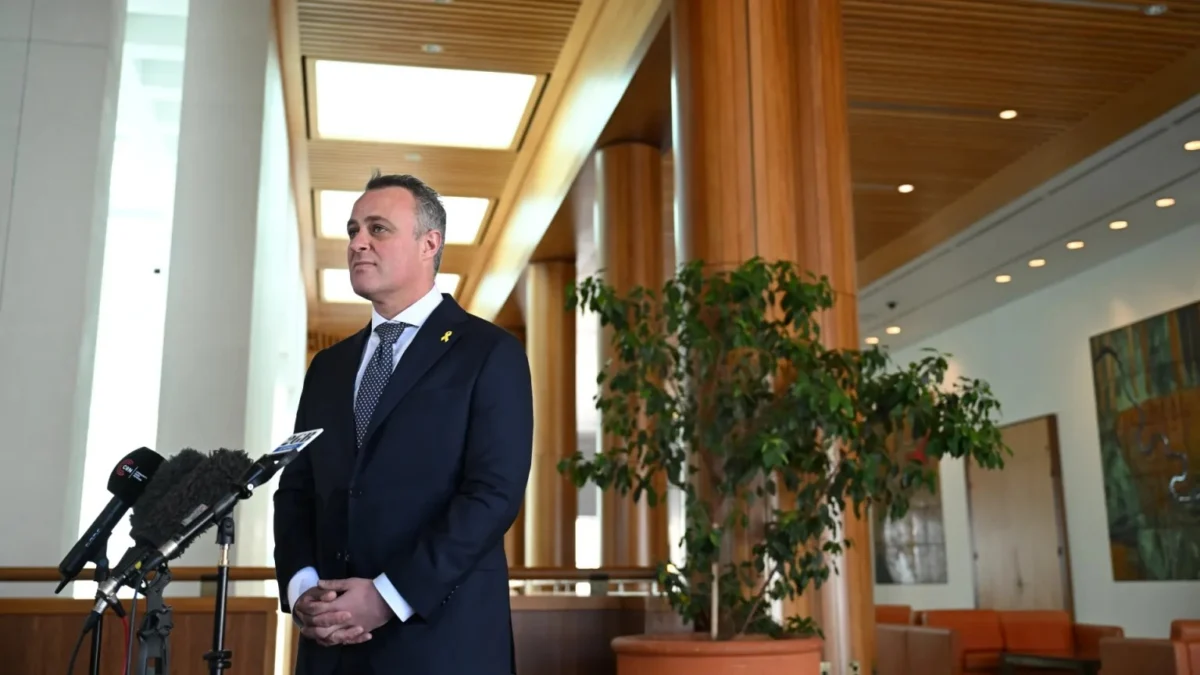
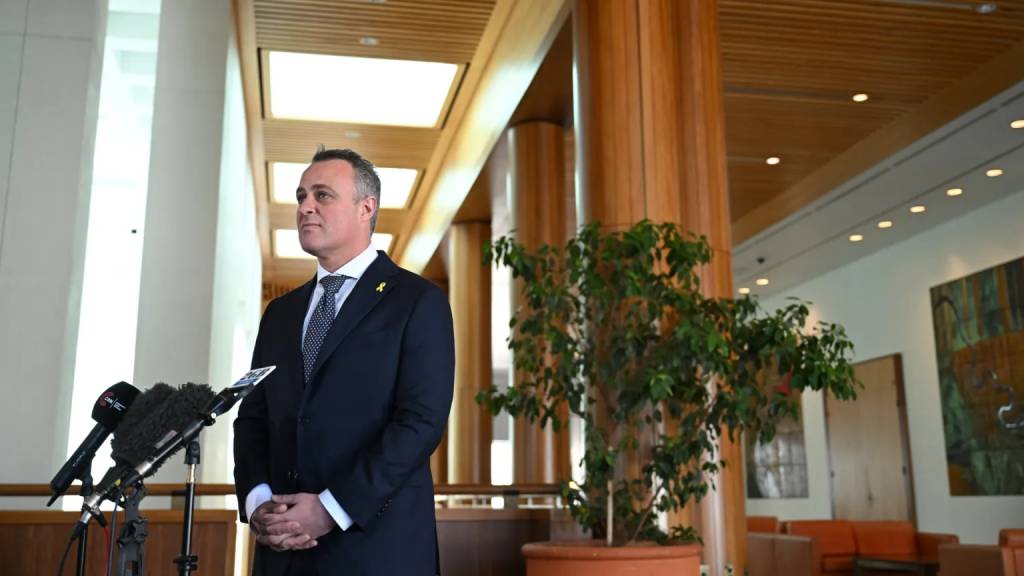
Shadow Treasurer Tim Wilson, speaking from the steps of Parliament House, was unequivocal in his assessment of the government’s direction. "We’re going to oppose them. We will repeal them," Wilson stated during a recent media appearance on Sky News. He framed the Coalition’s stance not merely as an act of opposition, but as a strategic pivot toward a more growth-oriented tax framework. "We’ll then get along and build our own tax package that focuses on how do we build the future of the Australian economy."
A Chronology of the Policy Dispute
The tension surrounding CGT and negative gearing is not new; it is a recurring theme in Australian politics that has evolved significantly over the past 24 months.
- Early 2025: The Labor government signals its intent to review housing affordability metrics, specifically citing the "distortive" impact of current negative gearing rules on the residential property market.
- Mid-2025: Initial draft proposals for CGT reform are leaked, causing immediate alarm within the startup community. Industry groups, including those representing angel investors and venture capital firms, warn that any increase in CGT will disproportionately affect early-stage startups that rely on long-term capital commitment.
- Late 2025: Public consultation periods are marked by heated exchanges between the Treasury and industry lobbyists. The property sector warns of a significant slowdown in new housing supply if negative gearing incentives are stripped away.
- Early 2026: As the federal budget season approaches, the Coalition begins to solidify its counter-narrative. The party adopts a "pro-growth" platform, positioning itself as the guardian of investor confidence.
- May 2026: Shadow Treasurer Tim Wilson formally confirms the Coalition’s "repeal and replace" strategy, officially turning the issue into a central election battleground.
Supporting Data: Why Investors Are Concerned
To understand the intensity of the pushback, one must look at the mathematical impact of the proposed changes on the investment landscape.
The Startup Ecosystem
Startups are inherently high-risk, long-duration assets. Investors who back these firms often go years without seeing a return on their capital. The current CGT discount serves as a vital incentive for these individuals to accept the risk of total loss in exchange for a potential tax-advantaged windfall upon exit. If the government reduces the efficacy of this discount, the "risk-adjusted return" profile of Australian startups drops significantly. Data from the Venture Capital Association suggests that a 10% shift in tax treatment could result in a 15–20% decrease in early-stage capital formation.
The Property Market
Negative gearing has long been a bedrock of Australian residential property investment. The government’s proposal aims to limit the ability of investors to offset property losses against other income streams. The Real Estate Institute of Australia (REIA) has repeatedly warned that such a move would lead to an immediate contraction in rental stock. With vacancy rates already at historic lows, the fear is that the policy will inadvertently exacerbate the housing crisis it was designed to fix.
Official Responses and Political Maneuvering
The political fallout from the Coalition’s announcement has been swift. Government ministers have accused the Coalition of "pandering to wealthy property speculators" and ignoring the needs of first-home buyers who are currently being priced out of the market.
"The Coalition is choosing to protect the tax loopholes that prevent young Australians from owning their own homes," a government spokesperson noted. "Our reforms are about ensuring a fairer system where tax concessions are not used to inflate property prices."
Conversely, industry leaders have largely praised the Coalition’s stance. A spokesperson for a major national startup incubator remarked, "We don’t need a tax system that punishes investment. We need a system that rewards the kind of economic risk-taking that creates the tech giants of tomorrow. The Coalition’s commitment to repeal these measures is the first positive signal we’ve had in months."
The Broader Economic Implications
The promise to repeal these measures carries significant economic weight. If the Coalition is elected and carries out its promise, the immediate impact will be the preservation of the status quo for investors. However, the long-term implications are more complex.
1. Market Stability vs. Reform
By removing the uncertainty of imminent tax changes, the Coalition is effectively offering a "stability guarantee" to the market. This may boost short-term confidence and encourage the resumption of stalled investment projects. However, it also leaves the underlying structural issues—such as housing supply shortages—unaddressed by tax policy.
2. The Budgetary Gap
Repealing the government’s proposed changes leaves a hole in the federal budget. The government’s proposed tax adjustments were designed, in part, to bolster the Treasury’s coffers. The Coalition will now face the challenge of proving that its "growth-focused" tax package can generate sufficient revenue without relying on the measures it intends to scrap.
3. Investor Sentiment
Investor sentiment is notoriously sensitive to policy changes. The "repeal" promise creates a binary outcome for investors: either the status quo remains, or the government’s reforms proceed. This uncertainty can lead to "wait and see" behavior, which in itself can slow economic activity.
Looking Ahead: The Election Battleground
As the federal election draws closer, the debate over CGT and negative gearing will likely become a proxy for a deeper ideological divide.
- Labor’s Perspective: The focus is on equity and housing accessibility. They argue that the current tax system is biased toward those who already hold assets and that reform is a moral and economic necessity for a functioning society.
- The Coalition’s Perspective: The focus is on capital formation and economic growth. They argue that the current system is the only way to ensure that Australia remains an attractive destination for both domestic and international investment.
The Coalition’s commitment to "building the future of the Australian economy" via its own tax package suggests that the next phase of the campaign will involve a detailed, albeit currently vague, series of tax incentives. Whether these proposed incentives can appease both the property sector and the venture capital community remains to be seen.
Ultimately, the decision rests with the Australian electorate. Voters will be asked to choose between a government that seeks to reform the tax system to address housing and equity concerns, and an opposition that prioritizes current investor structures as the engine of the national economy.
As the parties finalize their platforms, the business community remains on high alert. The certainty of the current rules is the primary goal for many, but the long-term viability of the Australian economy will depend on which party can strike the correct balance between fiscal responsibility, social equity, and the need for innovation-led growth.
For now, the battle lines are drawn. Whether the Coalition’s "repeal and replace" strategy serves as a successful electoral platform or a fiscal hurdle will be the defining narrative of the coming months. As Shadow Treasurer Tim Wilson indicated, the path forward will be one of active, vocal opposition—and the stakes for the Australian investment landscape could not be higher.