Tirana, Albania – In a disturbing incident that has sent shockwaves through Albania’s political and legal circles, a powerful explosion rocked a vehicle belonging to prominent lawyer Idajet Beqiri on [Insert Date – original article doesn’t specify, so I will use a generic placeholder or imply recentness]. The car, a [mention type of car if possible, otherwise generic "vehicle"], was parked near the Civil Court in Tirana when an explosive device, described by authorities as "tritol," detonated, casting debris and fear across the bustling urban area. While the explosion caused significant damage to the vehicle, remarkably, no injuries were reported.
The incident has immediately reignited fierce political rhetoric, with Beqiri himself swiftly pointing fingers at former Prime Minister and Democratic Party leader Sali Berisha, alleging a direct connection to public calls for action against him. The attack underscores the volatile political climate in Albania, where high-stakes legal battles often intersect with deeply entrenched political rivalries.
The Incident: A Detailed Account
Explosion Near Tirana Civil Court
The detonation occurred in a highly sensitive location, mere meters from the Civil Court in the heart of Tirana. The choice of location, a public area frequented by legal professionals, litigants, and ordinary citizens, amplifies the brazen nature of the attack. According to initial reports, a considerable quantity of tritol, a powerful explosive, was used, indicating a deliberate and professional operation.
Eyewitnesses described a loud bang that shattered the morning’s calm, followed by a plume of smoke and the immediate rush of emergency services. Police cordoned off the area quickly, initiating an extensive forensic investigation to gather evidence, analyze the type of explosive used, and identify potential perpetrators. The primary focus of the investigation will undoubtedly be on surveillance footage from the vicinity and witness testimonies, hoping to piece together the sequence of events leading to the explosion. The fact that the target was a lawyer’s vehicle, particularly one involved in numerous high-profile and politically charged cases, immediately suggested a motive beyond random criminality. The lack of human casualties, while fortunate, raises questions about whether the intent was to intimidate, send a powerful message, or if the timing of the detonation prevented a more tragic outcome.
The attack on a lawyer’s car, especially one parked near a courthouse, is seen by many as a direct assault on the rule of law and the independence of the legal profession. It creates an atmosphere of fear among those who work within the justice system and highlights the persistent challenges Albania faces in guaranteeing security for its citizens and public figures.
Lawyer Idajet Beqiri’s Immediate Accusations
Blaming Political Incitement
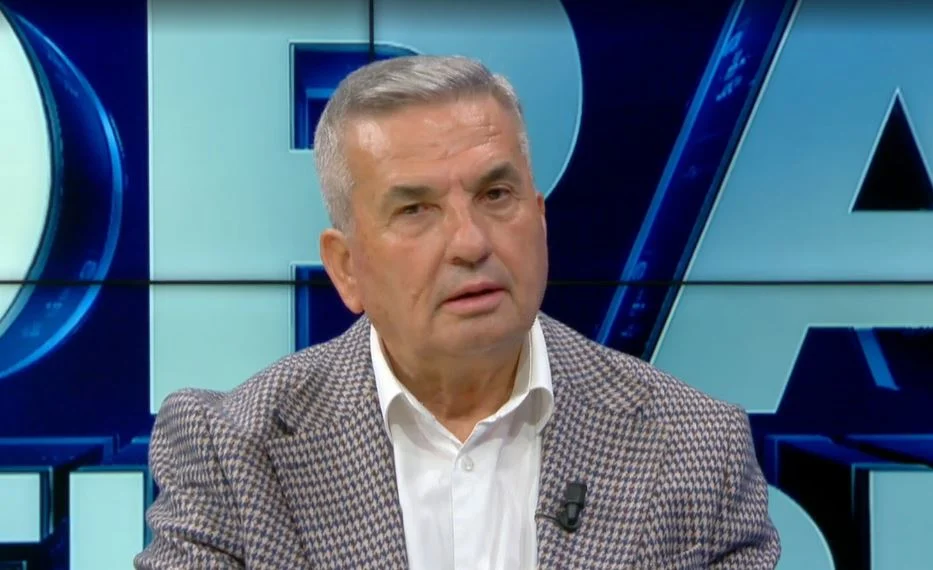
Shortly after the incident, Idajet Beqiri, undeterred by the attack, appeared on ABC News’ program "Ora e Fundit," where he wasted no time in articulating his firm conviction regarding the source of the threat. Beqiri directly accused Sali Berisha, the long-standing figurehead of the Democratic Party, of inciting violence against him. He claimed that Berisha had, just three months prior, publicly called upon Democratic Party militants to "rise up" against him, statements which Beqiri views as a direct precursor and instigator of the recent attack.
"Albania has unfortunately become accustomed to such terrorist acts," Beqiri stated with a resolute tone during the interview. "This is not the first, nor will it likely be the last. These acts have a basis, a history, and indeed, they even have a name – we know who engages in this kind of terrorism, who inspires it." He expressed his astonishment at the overtness of Berisha’s alleged calls, saying, "I never imagined that, in such an open manner, three months ago, we spoke here about the statement Sali Berisha made on television, his expression to the militants to rise up against Idajet Beqiri. He made this declaration public."
Beqiri further elaborated on a perceived pattern of escalating threats. "They have been preparing for a while; they have launched attacks with frequent threats. Now, I am on duty, and I will continue my duty." His defiant stance underscores a deep-seated commitment to his legal work, particularly his representation of victims in various politically sensitive cases. He emphasized that his work as a lawyer for the victims of the January 21st events and his numerous criminal complaints against Berisha are simply his professional obligation, which he intends to pursue relentlessly until "this country achieves justice."
This direct accusation by Beqiri immediately injected a highly politicized dimension into the investigation, forcing authorities to consider the potential for political motivation behind the attack. It also highlighted the stark and often personal nature of political and legal conflicts in Albania, where rhetoric can quickly escalate into real-world threats.
A History of Conflict: Beqiri vs. Berisha
A Long-Standing Legal Battle
The animosity between Idajet Beqiri and Sali Berisha is not new; it represents a long-standing and deeply entrenched legal and political battle that has played out over decades. Beqiri has consistently positioned himself as a legal adversary to Berisha, filing a series of high-profile criminal complaints that span significant moments in Albania’s post-communist history. These complaints are not merely legal procedures; they are deeply intertwined with the political narrative and national memory of the country.
One of the most significant cases Beqiri has pursued is related to the January 21st Protests of 2011. This event saw four anti-government protesters shot dead by Republican Guard forces outside the Prime Minister’s office during a rally against corruption. At the time, Sali Berisha was the Prime Minister, and the incident remains a dark stain on Albania’s democratic record, a symbol of political violence and unresolved justice. Beqiri has acted as a lawyer for the victims’ families, tirelessly seeking accountability and justice for those who lost their lives. His persistent pursuit of this case has kept it in the public consciousness and before the courts, making him a direct challenger to Berisha’s narrative of those events.
Another explosive accusation by Beqiri involves the 1998 "coup attempt." In September 1998, following the assassination of Democratic Party MP Azem Hajdari, angry DP supporters, allegedly incited by then-opposition leader Sali Berisha, stormed government buildings, including the Prime Minister’s office and state television. The incident plunged Albania into a brief but severe political crisis, with then-Prime Minister Fatos Nano temporarily fleeing the country. Beqiri has formally filed a criminal complaint against Berisha, characterizing these events as an attempted coup d’état, a grave charge that strikes at the heart of democratic stability. This complaint seeks to hold Berisha accountable for what Beqiri considers a direct assault on the constitutional order.
Beqiri has also pursued charges related to the Krraba gold theft. This complex affair dates back to the chaotic years of 1997 and 1999, a period marked by widespread civil unrest and the collapse of pyramid schemes, which led to a breakdown of law and order. Allegations emerged that significant quantities of state gold, particularly from the Krraba mine, were looted. Beqiri claims to have filed criminal complaints against Sali Berisha for his alleged role in the 1997 theft and against Ilir Meta (another prominent political figure) for the 1999 incident. These allegations tap into public grievances about state assets and corruption during periods of vulnerability, further solidifying Beqiri’s image as a tenacious prosecutor of perceived historical injustices.
Beyond these specific events, Beqiri has also filed numerous criminal complaints concerning various corruption affairs attributed to Sali Berisha. These complaints, often detailed and extensive, target alleged financial wrongdoings and abuses of power during Berisha’s tenures in various high offices. By systematically pursuing these cases, Beqiri has positioned himself as a key figure in the anti-corruption movement and a persistent legal thorn in Berisha’s side.
His commitment to these cases, Beqiri asserted, is a "mission" and a "duty" he will carry out "until this country achieves justice." He even went so far as to compare the gravity of these alleged crimes to the damage inflicted by Serbia in Kosovo, emphasizing the profound impact he believes these events have had on Albania’s societal fabric and its path toward genuine democracy and rule of law. This extensive history of legal challenges undoubtedly places Beqiri at the epicenter of Albania’s most contentious political and judicial battles, making him a highly visible and, unfortunately, potentially vulnerable target.
The Role of SPAK: Albania’s Anti-Corruption Front
Investigating High-Profile Cases
Many of Idajet Beqiri’s high-stakes criminal complaints, including those against Sali Berisha, are currently lodged with the Special Structure Against Corruption and Organized Crime (SPAK). SPAK is a relatively new but critically important institution in Albania’s ongoing efforts to reform its justice system and combat deeply entrenched corruption and organized crime. Established in 2019 as part of a comprehensive judicial reform process, SPAK operates independently of political influence, comprising specialized prosecutors and investigators with enhanced powers.
The creation of SPAK was a cornerstone of Albania’s judicial reform, heavily supported and pushed by international partners, particularly the United States and the European Union, who view it as essential for Albania’s Euro-Atlantic integration aspirations. Its mandate is to investigate and prosecute high-level corruption and organized crime, targeting individuals regardless of their political or social status. This is a significant departure from previous prosecutorial structures, which were often criticized for being susceptible to political manipulation.
Beqiri’s decision to file his complaints with SPAK highlights the institution’s perceived credibility and its mandate to handle politically sensitive cases that might have been stalled or ignored by older judicial bodies. The cases concerning the January 21st events, the 1998 coup attempt, the Krraba gold theft, and other corruption allegations against figures like Sali Berisha represent precisely the type of high-profile, politically charged investigations that SPAK was designed to undertake.
However, SPAK faces immense challenges. It operates in an environment where corruption is systemic, and powerful individuals often enjoy significant influence. The institution has already brought charges against several high-ranking officials and former ministers, demonstrating its resolve. Yet, its success ultimately hinges on its ability to secure convictions, withstand political pressure, and ensure the safety of its prosecutors and witnesses. The attack on Idajet Beqiri’s car, a lawyer actively cooperating with SPAK on sensitive cases, could be interpreted as an attempt to intimidate those involved in the anti-corruption fight, indirectly testing SPAK’s resilience and its capacity to protect its collaborators. The institution’s response to the investigation into this explosion will be closely watched by both national and international observers, as it will serve as a crucial test of its effectiveness and its role in fostering a truly independent justice system in Albania.
Official Reactions and Ongoing Investigations
Police and Prosecutorial Response
Following the explosion targeting Idajet Beqiri’s vehicle, Albanian law enforcement agencies, including the State Police and the Prosecutor’s Office, immediately launched a comprehensive investigation. Police quickly secured the perimeter around the Civil Court, initiating standard procedures for collecting forensic evidence. Explosives experts, crime scene investigators, and uniformed officers converged on the scene to gather fragments, analyze the blast radius, and search for any clues that could lead to the perpetrators.
Authorities have confirmed that an explosive device, specifically tritol, was used. However, as of [current implied date], no official statements have been released regarding potential suspects or motives beyond Beqiri’s public accusations. The police are expected to review all available surveillance footage from nearby cameras, interview eyewitnesses, and examine Beqiri’s recent activities and potential threats he might have received. The Prosecutor’s Office, in close coordination with SPAK given the political sensitivity and Beqiri’s ongoing cases, will oversee the legal aspects of the investigation, including potential charges for illegal possession of explosives, attempted murder (if intent is established), or acts of terrorism. The priority for the authorities is to identify and apprehend those responsible, not only to ensure justice for Beqiri but also to uphold the rule of law and prevent further such incidents.
Sali Berisha’s Stance
As of the immediate aftermath of the explosion, Sali Berisha or his official representatives had not issued a direct public statement specifically addressing Beqiri’s accusations regarding the car bomb. This lack of immediate comment is not uncommon in such politically charged situations, as parties often opt for a more measured or delayed response, or choose to deny allegations through indirect channels or past statements.
Historically, Sali Berisha has vehemently denied all allegations of wrongdoing made by Idajet Beqiri and other political opponents. He has consistently dismissed such claims, including those related to the January 21st events, the 1998 coup, and various corruption affairs, as politically motivated attacks designed to discredit him and the Democratic Party. Berisha often frames these accusations as part of a broader conspiracy orchestrated by his political adversaries to undermine his influence and tarnish his legacy.
Berisha himself is currently embroiled in significant legal challenges, including a travel ban imposed by the United States due to allegations of significant corruption and undermining democracy, a designation he strongly contests. His political movement, often characterized by strong rhetoric against the current government and the justice system, has frequently mobilized supporters in protests. The context of these ongoing political and legal battles forms a complex backdrop against which Beqiri’s accusations are made. Any future statement from Berisha or his camp regarding the explosion will undoubtedly be carefully scrutinized for its political implications and its potential impact on the ongoing investigation.
Broader Implications and Concerns
Threat to Rule of Law and Judicial Independence
The car bomb attack on lawyer Idajet Beqiri’s vehicle represents a grave threat to the rule of law and the nascent independence of the judiciary in Albania. Such acts of violence or intimidation against legal professionals, particularly those involved in sensitive political cases, have a chilling effect on the entire justice system. Lawyers play a crucial role in upholding justice, representing victims, and holding powerful individuals accountable. When they become targets, it undermines the very foundation of a fair and equitable legal process.
This incident sends a dangerous message that pursuing justice against powerful figures can carry severe personal risks. It could deter other lawyers, activists, and citizens from bringing forward complaints or cooperating with institutions like SPAK, thereby weakening the collective fight against corruption and organized crime. For a country striving for European Union membership, the protection of legal professionals and the assurance of judicial independence are non-negotiable prerequisites. An attack of this nature suggests that powerful, entrenched interests are willing to resort to extreme measures to silence critics and obstruct justice, highlighting the fragility of democratic institutions in the face of such pressures.
Political Climate in Albania
The explosion occurs within an already highly polarized and tense political climate in Albania. The country has a history of intense political rivalries, often characterized by strong rhetoric and occasional violence. The ongoing judicial reform, particularly the work of SPAK, has further exacerbated these tensions, as it targets individuals who have long held significant political and economic power.
The accusations leveled by Beqiri against Sali Berisha immediately cast the incident as a politically motivated act, raising concerns about the potential for further escalation of political conflict. Such events can deepen mistrust between political factions, fuel conspiracy theories, and create an environment where dialogue is replaced by confrontation. For a young democracy, this constant state of heightened tension impedes progress on critical reforms and diverts attention from pressing socio-economic issues. The political class in Albania bears a significant responsibility to condemn all forms of violence and work towards de-escalating rhetoric to prevent further destabilization.
International Scrutiny
The targeting of a prominent lawyer through a bomb attack will undoubtedly attract significant international scrutiny. Albania’s international partners, including the United States and the European Union, have invested heavily in supporting judicial reform and strengthening the rule of law in the country. They view a robust and independent justice system as fundamental to Albania’s democratic development and its path toward EU integration.
Incidents like this raise serious questions about the safety of individuals who actively engage in the fight against corruption and organized crime. International bodies will closely monitor the investigation’s progress and the authorities’ ability to bring the perpetrators to justice. A failure to swiftly and transparently resolve such a high-profile case could damage Albania’s international reputation, raise doubts about the effectiveness of its judicial reforms, and potentially impact its relations with key allies. The international community will expect a firm and unequivocal response from Albanian institutions, demonstrating a commitment to protecting those who champion justice and ensuring that such acts of intimidation do not go unpunished.
Conclusion
The car bomb attack on Idajet Beqiri’s vehicle is a stark reminder of the significant challenges facing Albania in its quest for justice, stability, and democratic consolidation. It represents not just an attack on an individual, but a direct assault on the principles of rule of law, judicial independence, and the safety of those who dare to challenge powerful interests.
As investigations unfold, the Albanian authorities face immense pressure to conduct a thorough, impartial, and swift inquiry, identify those responsible, and hold them accountable. The response to this incident will be a critical test for SPAK and the wider justice system, demonstrating their capacity to protect individuals, uphold the law, and resist intimidation.
Idajet Beqiri’s defiant resolve to continue his "mission for justice" underscores the courage required to navigate Albania’s complex political and legal landscape. However, the onus is now on the state and its institutions to ensure that such courage does not come at the cost of personal safety, and that justice, truly, can prevail in Albania. The stakes are high, not just for Beqiri, but for the very future of Albania’s democratic aspirations.