In the hyper-competitive landscape of digital commerce, the inbox has become a battleground. During peak shopping windows—such as Black Friday, Cyber Monday, or the mid-summer sale season—the average consumer is bombarded with hundreds of frantic, high-pressure notifications. The result is a predictable, Pavlovian response: the "delete" key becomes the most frequently used tool in the customer’s arsenal.
For modern entrepreneurs and brand owners, the challenge is clear: how do you capture attention during these high-traffic periods without descending into the cacophony of "50% OFF" shouting matches? The answer lies in shifting from a transactional mindset to a relational one. Seasonal email marketing, when executed with precision and psychological nuance, should not be a desperate pitch; it should be a welcome bridge between your brand’s values and your customer’s needs.
The Chronology of Success: Why Timing is Everything
The most common mistake among emerging founders is the "last-minute scramble." Attempting to craft a Valentine’s Day campaign on February 13th is a recipe for failure, not only because the quality of content suffers, but because the opportunity for building anticipation has long since evaporated.
The Planning Phase
Successful seasonal strategies begin months in advance. A robust content calendar serves as the backbone of your marketing efforts, mapping out key moments that resonate with your specific audience. It is not about capitalizing on every obscure internet holiday—"National Sock Day" is only relevant if you are in the hosiery business—but about identifying the three to five pillars of the year that align with your brand identity. For instance, a golf apparel brand might focus its energy on The Masters, Father’s Day, and the winter holiday shopping season.
The Lead-Up
Once the calendar is set, the "Give-and-Take" approach becomes essential. For every promotional email sent, a business should aim to send at least two that provide pure value—whether through education, entertainment, or inspiration. By establishing a pattern of helpful communication, you build the psychological "capital" required to ask for a sale later. When a promotional email finally arrives, the recipient is not fatigued; they are engaged.
Supporting Data: Why Storytelling Trumps Statistics
Data suggests that the "shout-and-sell" method is becoming increasingly ineffective as consumers develop "banner blindness" toward generic sales language. Research indicates that humans are biologically wired for narrative, not arithmetic. Studies show that people retain approximately 63% of information conveyed through storytelling, compared to a mere 5% retention rate for standalone statistics or price-point promotions.
When a brand leads with a discount—such as "30% off summer collection"—they are merely joining a race to the bottom. However, when a brand leads with the context of the product—"We designed this piece for the long weekends where you want to look good without trying too hard"—the discount becomes the "cherry on top" rather than the entire value proposition. The product gains a reason for existing, and the customer gains an emotional connection to the purchase.
The Art of Segmentation: Precision Over Proliferation
One of the most damaging practices in email marketing is the "blast" approach: sending the same generic template to every subscriber on the list. This strategy signals to the consumer that the brand views them as a statistic, not an individual.
Defining Your Segments
Effective segmentation begins with simple, actionable filters:
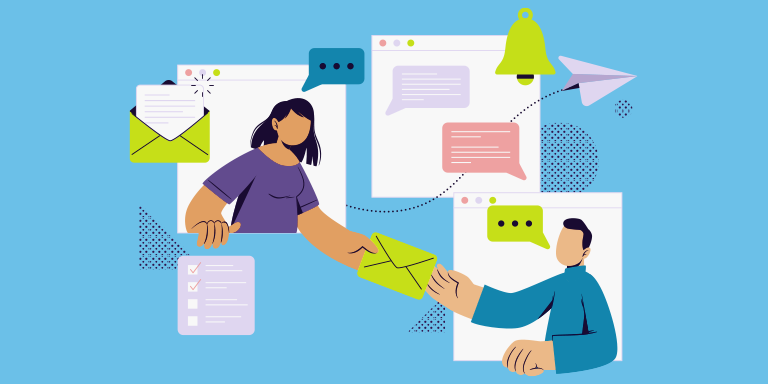
- The Newcomer: These subscribers need brand education and social proof to establish trust.
- The Loyalist: These individuals deserve early access, exclusive "thank you" offers, or sneak peeks at upcoming collections.
- The Lapsed Customer: These individuals may respond better to a "we miss you" incentive or a re-engagement campaign.
Modern tools like Omnisend have democratized this process, allowing solo founders to implement sophisticated behavioral triggers without needing a background in data science. By tailoring the message to the user’s specific journey, the email transforms from a "sales pitch" into a "personalized recommendation."
Creating Urgency Without Desperation
Urgency is a powerful psychological trigger, but there is a fine line between creating genuine excitement and inducing anxiety. "FINAL HOURS!" and "YOU’LL REGRET THIS!" have become the hallmarks of "spammy" marketing.
True urgency is built through exclusivity. For example, offering a limited edition product that is only available for 48 hours is a form of authentic scarcity. Similarly, providing early access to your most engaged subscribers creates a sense of privilege rather than pressure. When customers feel they are being invited into an inner circle, they are far more likely to convert than when they feel they are being chased by an automated countdown timer.
Official Perspectives: The Founder’s Dilemma
Industry experts emphasize that the most successful businesses are those that treat their subscribers as human beings rather than transaction sources. The "Luu Lounge" model is a prime example: by building anticipation through transparent communication and a clear release schedule, the brand ensured that its customers were ready and waiting when the "buy" button went live. This is the difference between pushing product and facilitating a purchase.
The Implications: Building a Sustainable Ecosystem
The long-term implication of these strategies is the health of your list. If you treat your audience with respect, your open rates and click-through rates will remain stable even during the off-season. If you rely on constant, high-pressure sales tactics, you will experience a high "churn" rate, forcing you to spend more on customer acquisition to replace the subscribers you’ve alienated.
Automating for Efficiency
Automation should be used to handle the heavy lifting of the customer journey, allowing the founder to focus on high-level strategy and content quality. Automated flows—such as abandoned cart reminders or personalized post-purchase sequences—ensure that your brand is present at the right time without requiring 24/7 manual oversight.
Final Takeaways
- Map the Year: Don’t scramble. Build your calendar based on your brand’s unique seasonal peaks.
- Give, Give, Take: For every sales pitch, provide at least two pieces of value-driven content.
- Lead with Narrative: Use stories to build desire before revealing the price tag.
- Segment, Don’t Blast: Relevance is the antidote to the "unsubscribe" button.
- Authentic Urgency: Use exclusivity and early access rather than manufactured panic.
Seasonal email marketing, at its best, is not an intrusion; it is an extension of the value your brand provides. By shifting your focus from the immediate transaction to the lifetime value of the customer, you can turn even the busiest, most crowded shopping periods into your most profitable—and most sustainable—moments of the year.
For entrepreneurs looking to scale their operations, utilizing integrated tools can streamline this process significantly. With the right platform, you can automate your communication strategy, allowing you to spend more time building the product and less time fighting the inbox noise.