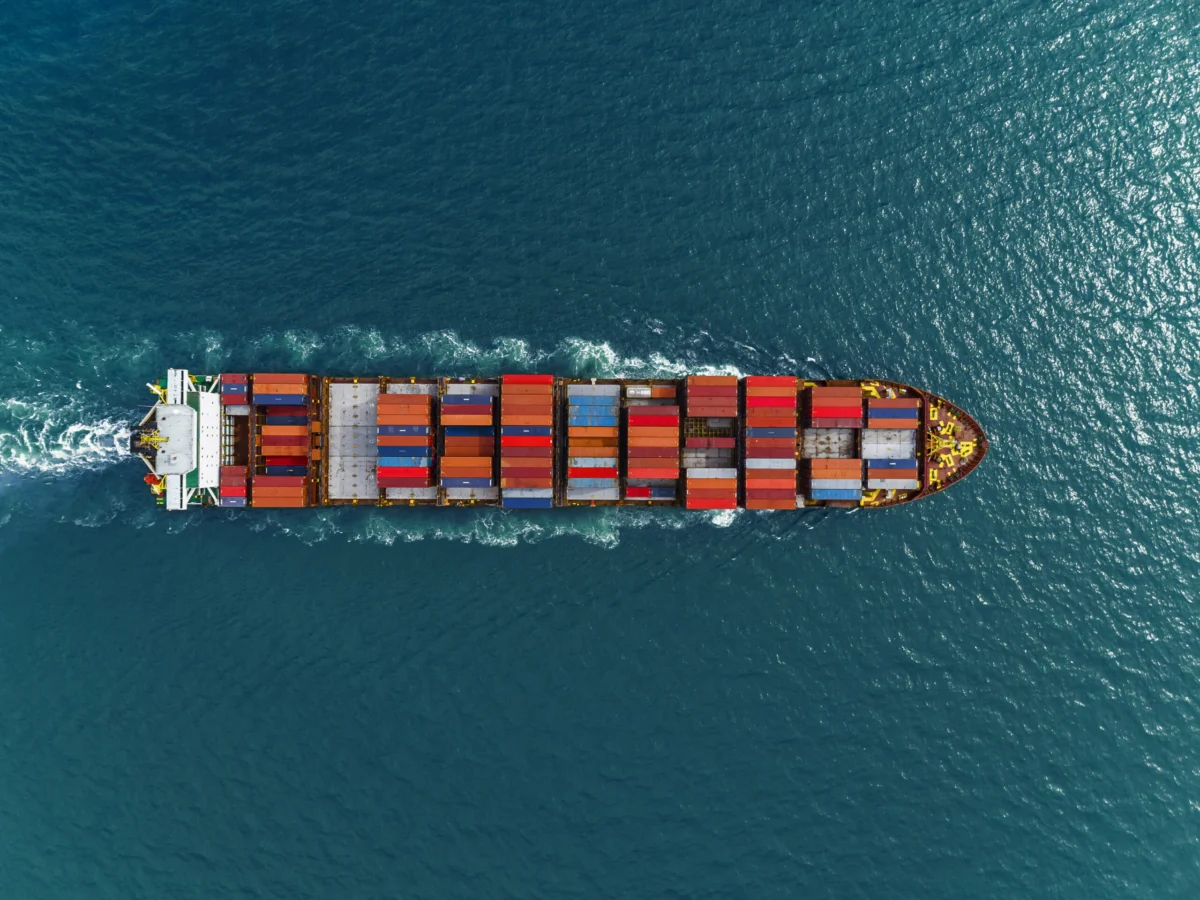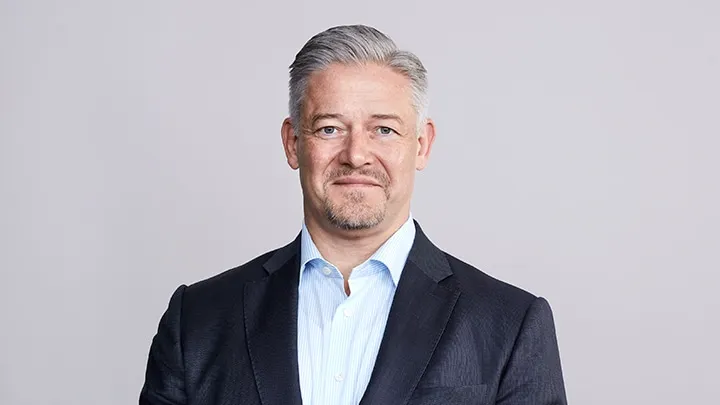
For decades, the name "Maersk" has been synonymous with the rhythmic churn of ocean freight and the gargantuan container ships that serve as the circulatory system of global trade. However, the Danish logistics giant is currently undergoing a radical metamorphosis. According to Ditlev Blicher, Maersk’s President of North America, the company is systematically shedding its image as a pure-play ocean carrier to emerge as a formidable, integrated domestic supply chain provider.
This transformation is not merely cosmetic; it is a fundamental reconfiguration of the company’s business model. By embedding itself into the fabric of North American land-side logistics, Maersk is seeking to solve some of the most persistent bottlenecks in modern trade, moving beyond the port gate to manage inventory from the factory floor to the consumer’s doorstep.
The Strategic Chronology: From Ports to Platforms
The roots of this pivot can be traced back to 2021, when Maersk CEO Vincent Clerc signaled a decisive shift in corporate strategy. The goal was to pivot the company’s massive network away from a "port-side flow" focus—where the company’s responsibility largely ended at the dock—toward a comprehensive omnichannel fulfillment and e-commerce model.
The foundation for this ambition was laid in 2020 with the acquisition of Performance Team. At the time of the deal, Performance Team operated 24 warehousing sites spanning approximately 800,000 square meters. This acquisition was the catalyst that allowed Maersk to double its warehousing and distribution footprint in the United States almost overnight.
The expansion accelerated in 2022 with the acquisition of LF Logistics, an Asian-based logistics powerhouse. This move significantly bolstered Maersk’s expertise in omnichannel fulfillment, providing the company with the intellectual property and operational infrastructure required to compete in the complex, high-velocity world of global e-commerce.
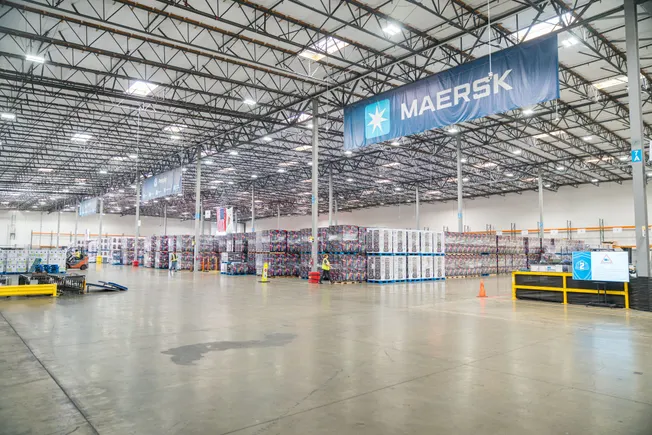
By 2024, the strategy reached a new level of maturity. Maersk launched a high-profile fulfillment center in Groveport, Ohio, specifically designed to service Levi Strauss & Co. The facility was engineered to integrate wholesale, retail, and e-commerce channels under one roof, marking a tangible milestone in Maersk’s effort to consolidate disparate supply chain functions. In July of the same year, the company announced a $100 million investment in a new fulfillment hub in Hopedale, Massachusetts, further signaling its commitment to North American domestic infrastructure.
Solving the "Transload Problem"
Central to Maersk’s current operational philosophy is the resolution of what Blicher calls the "transload problem." In traditional shipping, the process of shifting a container from a vessel to a land-based transport hub at a port has historically been a significant source of friction.
"Every time you had to shift a container from one vessel to another in a hub, it would take at best a week," Blicher noted.
To mitigate these inefficiencies, Maersk has invested more than $3 billion into digitizing its global hubs and expanding its operational capacity. These investments have allowed the company to pivot its East-West trade routes from the traditional "string principle"—where vessels call at a long, rigid sequence of ports—to a more flexible "hub and spoke" model.
This shift is perhaps most visible in the Gemini Cooperation, a strategic alliance between Maersk and Hapag-Lloyd. By limiting vessel calls at origin and destination points, the two carriers have created a more resilient network. Under the old string principle, a delay at the third port in a 22-port sequence would trigger a domino effect, often resulting in omitted ports or severe schedule degradation. By contrast, the hub and spoke model allows for greater reliability; if a disruption occurs at a single point, the network possesses the inherent flexibility to absorb the shock without compromising the entire supply chain.
According to Blicher, the results have been impressive. Since transitioning to this model in May of last year, Maersk has maintained schedule reliability at or above 90%, while simultaneously cutting transload times in half.
Integrated Capabilities and Operational Data
Maersk’s strategy is not built on the premise of becoming a "one-stop shop" for every possible service, but rather on offering a cohesive suite of capabilities that eliminate waste. "The intent is to remove waste and create a better quality product for shippers," Blicher explained. "That means removing unnecessary disruptions during transloads, unreliable networks, and duplicated infrastructure and systems."
The company’s land-side logistics ecosystem now encompasses a wide array of services designed to provide shippers with total visibility:
- Maersk Ground Freight: By managing domestic trucking and rail assets, Maersk is able to control the movement of goods long after they have cleared customs.
- Maersk E-commerce: This vertical focuses on the specific needs of modern retailers, including rapid sorting, inventory management, and last-mile delivery considerations.
- Omnichannel Fulfillment: This is perhaps the crown jewel of Maersk’s domestic strategy. By integrating wholesale palletized operations with individual e-commerce sorting, Maersk allows clients to manage their entire inventory pool through a single, unified system.
This integration is critical for clients with complex needs. A wholesaler might require large-scale pallet movement, while a retail brand requires unit-level precision. By using one integrated model, Maersk helps its clients remove the layers of "middle-ware" and duplicated systems that often lead to data silos and mismanaged inventory.
Official Perspectives: The Path Forward
Ditlev Blicher remains optimistic about the company’s trajectory in the North American market. "We’re in a great space right now," he stated. "We’re nowhere near done, but we’re a scalable player in the market, and it’s resonating really, really great with the fantastic clients that we have in North America."
For the leadership at Maersk, the current strategy is about shifting the value proposition from "moving things" to "managing the flow of information and goods." By owning more of the physical infrastructure—warehouses, trucks, and digital port hubs—Maersk is essentially building a moat around its business. It is moving away from the commodity-driven pricing wars of ocean freight and toward a value-added service model where efficiency and reliability are the primary currencies.
Implications for the Global Logistics Landscape
The implications of Maersk’s strategy are significant for the broader shipping industry. First, it puts immense pressure on competitors to diversify their service offerings. Traditional ocean carriers that rely solely on maritime transit are finding themselves at a disadvantage compared to providers who can offer a seamless "factory-to-front-door" experience.
Second, the digitization of the hub and spoke model provides a blueprint for how logistics firms can combat the increasing volatility of global trade. As geopolitical tensions, climate-related disruptions, and labor shortages continue to impact port operations, the ability to reroute cargo through controlled hubs becomes a competitive necessity rather than a luxury.
Finally, for shippers, the Maersk transition represents a shift in how they interact with their logistics providers. Instead of managing multiple contracts—one for ocean, one for drayage, one for warehousing, and one for fulfillment—shippers are increasingly looking for partners who can shoulder the entire burden of the supply chain.
As Maersk continues to expand its physical footprint in North America, the company is effectively betting that the future of logistics belongs to those who can master the complexity of the land-side as effectively as they have mastered the high seas. While the transition is far from complete, the early indicators—specifically the 90% reliability rates and the successful integration of major fulfillment clients—suggest that the "new" Maersk is well-positioned to remain a dominant force in global commerce for decades to come.