For years, the prevailing narrative surrounding TikTok has been one of youth-centric vitality. It is often branded as the playground of Gen Z—a space defined by viral dances, ephemeral trends, and a consumer base that prioritizes aesthetic novelty over long-term brand loyalty. However, a seismic shift is occurring beneath the surface of the platform’s e-commerce engine. As TikTok Shop continues to mature, it is increasingly becoming a powerhouse for a demographic that the industry once deemed "too old" for the app: women aged 35 to 65.
Leading this charge is shapewear brand Shapermint, which has transformed its TikTok Shop strategy from a speculative experiment into a multi-million-dollar revenue stream. By eschewing the traditional influencer-marketing playbook, the company has proven that the most lucrative demographic on the platform isn’t the trend-chasing teenager, but the pragmatic, mid-life consumer.
The Data Behind the Shift: A 515% Growth Trajectory
The numbers behind Shapermint’s success are, by any measure, staggering. Over the past six months, the brand has aggressively scaled its affiliate network, now working with over 5,000 active creators. Crucially, the engine driving this growth is not composed of high-gloss, celebrity influencers, but rather a community of non-celebrity, everyday women.
Perhaps the most significant revelation from the company’s internal data is that 60% of their top-performing affiliate creators are over the age of 35. This mature cohort has been the primary catalyst for a growth spurt that saw month-over-month sales climb as high as 515%.
"Within the first four months of this year, we were able to scale to $1.5 million, which made us one of the fastest-growing intimate brands on TikTok Shop," says Gabrielle Richards, Brand Director at Shapermint. The brand’s internal projections are even more ambitious; they are currently on track to hit approximately $10 million in sales on TikTok Shop by the end of the fiscal year.
Chronology of a Pivot: From Testing to Scaling
Shapermint’s journey on the platform did not happen overnight. Two years ago, when the brand first tested the waters of TikTok Shop, the landscape was vastly different. The internal team recognized early on that they were entering a space where the "how-to" of commerce was still being written.
- Initial Phase (2022): Shapermint began by partnering with external agencies to understand the logistical and cultural nuances of the TikTok Shop ecosystem. Unlike the beauty or wellness sectors, which were saturated with affiliate talent, the apparel and intimates categories lacked a robust ecosystem of creators.
- Building the Infrastructure (2023): Realizing that they could not rely on existing market dynamics, the brand pivoted to building an internal team dedicated to community management. This team focused on direct outreach, identifying creators who aligned with the brand’s core demographic of women aged 35–65.
- The Content Explosion (2024): Since January, the strategy has gone into overdrive. The brand’s creators have produced over 20,000 videos, with more than 5,000 generated in the last 30 days alone. This sheer volume of user-generated content has been the bedrock of their rapid conversion growth.
The Mechanics of Conversion: Why "Everyday" Women Sell Best
In the world of shapewear, the barrier to purchase is often a lack of trust. Can this fabric really smooth a silhouette? Will it stay in place during a busy workday? For the modern consumer, the polished, professional ad is far less persuasive than the organic video of a woman wearing the product in the comfort of her own living room.
The Power of Relatability
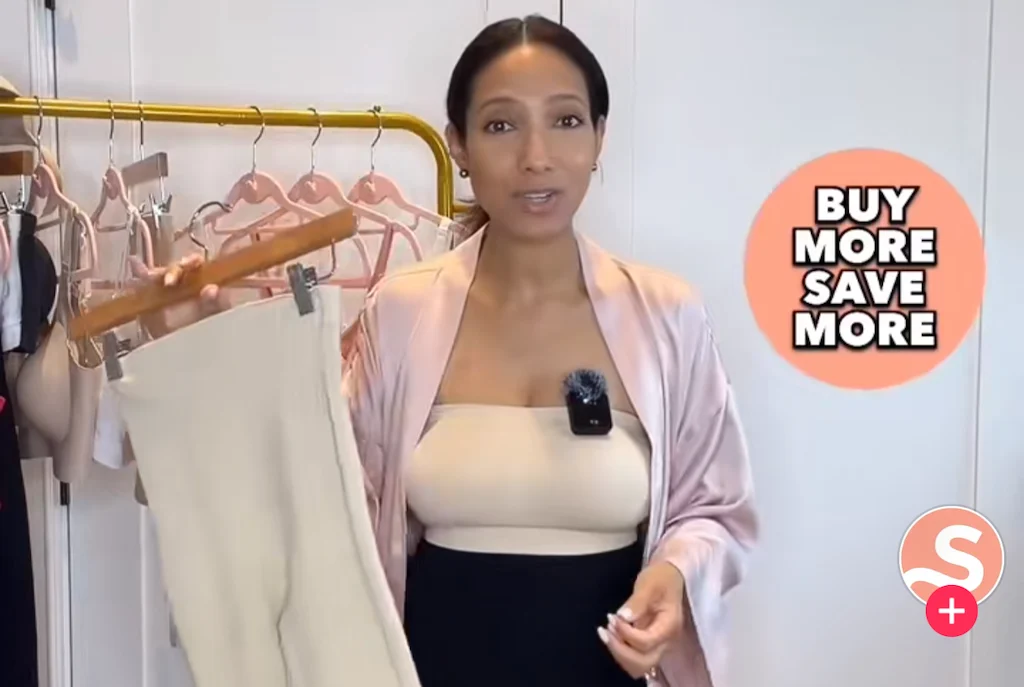
Richards notes that the "winning hook" is almost always the same: women performing normal, daily activities while wearing the product. When a creator demonstrates that a pair of high-waisted shaping shorts doesn’t slip, tug, or roll down during the chores of a typical day, the "feeling" that customers cannot access through a screen is effectively simulated.
Seeing the product on a body that reflects their own allows customers to visualize the fit, a critical step in overcoming the hesitation inherent in buying intimate apparel online. The modesty of the products—specifically the high-waisted shorts—has made them ideal for on-camera demonstrations, allowing creators to show the product in action without compromising comfort or professionalism.
Strategic Initiatives: Bridging the Gap Between Brand and Creator
TikTok’s e-commerce model differs fundamentally from traditional search-based e-commerce. As Patrick Nommensen, Head of Strategic Initiatives for TikTok’s e-commerce business, noted at Shoptalk Fall, the platform is driven by discovery rather than intent. Customers aren’t necessarily searching for "shapewear"; they are discovering it organically through the feeds of creators they trust.
To capitalize on this, Shapermint has implemented a sophisticated internal ecosystem:
- The Discord Command Center: Shapermint utilizes a Discord channel to disseminate weekly creative briefs to its creator community. This isn’t just about giving orders; it’s about analysis. The brand shares data on what is performing well—what specific phrases, angles, or styling choices are driving sales—so that other creators can replicate those successes.
- Affiliate Accountability: The brand leverages TikTok’s sampling process to maintain high output. By monitoring the time between sample requests and content publication, the brand ensures a consistent flow of content, allowing them to rapidly assess what is resonating with the market.
- Financial Empowerment: The program has become a genuine economic engine for its creators. One participant has earned over $31,900 to date. These testimonials, such as the creator who shared that her affiliate income is paying for her daughter’s college education, have created a powerful sense of loyalty and community that traditional advertising could never achieve.
Implications for the Future of Retail
The implications of Shapermint’s success are significant for both brands and the platform itself. We are witnessing a clear divergence from the "influencer" model toward a "creator-partner" model, where the value lies in authenticity and demographic alignment rather than follower count or aesthetic perfection.
For other brands, the message is clear: the TikTok Shop audience is not a monolith. The platform’s algorithm is highly effective at finding niche, mature audiences if the brand is willing to invest in the right community-building infrastructure.
Looking forward, Richards has set a goal for a $4 million-per-month sales run-rate by the end of this year. This target is not based on a new product launch or a viral flash-in-the-pan campaign, but on the steady, compounding growth of an engaged, mature, and increasingly loyal community of creators.
The Changing Landscape of E-commerce
As TikTok continues to refine its shopping tools, the brands that win will be those that treat the platform as a social space rather than a storefront. By fostering genuine relationships with creators who represent their actual customer base, companies like Shapermint are not just selling products; they are providing solutions to real-life problems, narrated by people who live those lives every day.
The myth that TikTok is only for Gen Z has been soundly debunked. As the platform matures, it is proving to be a highly effective, high-conversion channel for the very demographic that has historically controlled the lion’s share of consumer spending. The "TikTok Shop Gold Rush" is far from over—it is simply shifting its focus to where the real purchasing power lies.