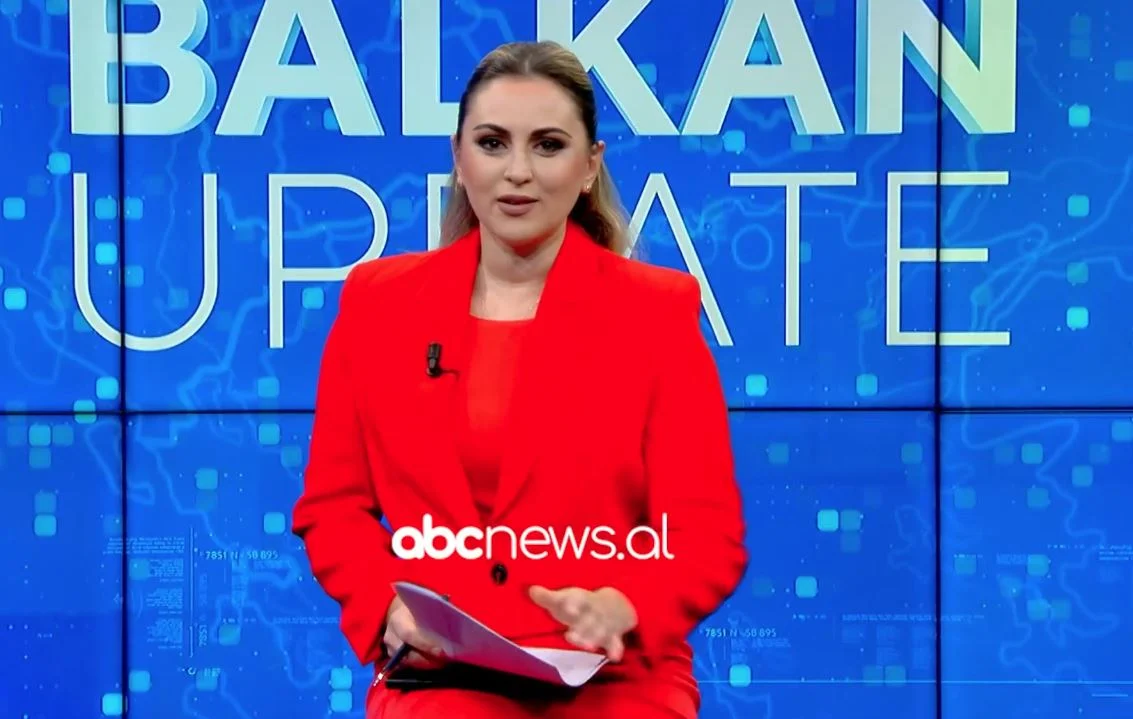
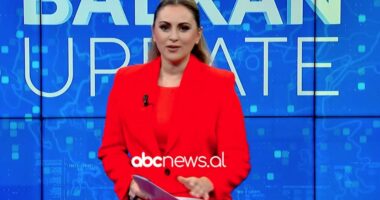
Tirana, Albania – October 21, 2026 – Today, the Western Balkans found itself at a complex crossroads, as a prominent news program, "Ballkan Update with Habi Hoxha," dissected a whirlwind of regional political tensions, unresolved historical injustices, and the far-reaching implications of global geopolitical shifts. From renewed calls for accountability in a decades-old disappearance case to heated debates over inter-Albanian relations and the economic fallout of the Ukraine war, the day’s events underscored the region’s perpetual struggle to balance its past with its aspirations for a stable, European future.
The flagship broadcast from ABC News served as a crucial platform, bringing together disparate threads of domestic and international news that collectively paint a vivid picture of a region in constant flux. Key discussions centered on the persistent demands for justice regarding the 1995 disappearance of Remzi Hoxha, inflammatory rhetoric shaping the discourse between Albania and Kosovo, and the delicate tightrope walk of European integration amidst internal political strife. Simultaneously, developments from Brussels and Moscow regarding frozen Russian assets and the Ukrainian peace process cast a long shadow, highlighting the global interconnectedness that increasingly defines the Balkan narrative.
Main Facts: A Comprehensive Look at the Balkans’ Dynamic Landscape
The "Ballkan Update with Habi Hoxha," aired at 17:54 on October 21, 2026, provided an in-depth analysis of a series of critical developments that unfolded throughout the day, capturing the volatile essence of the Western Balkans. The program, a staple for those tracking regional affairs, synthesized seemingly disparate events into a coherent narrative of challenges and opportunities facing Albania, Kosovo, and their neighbors.
At the forefront of the discussions was a deeply sensitive historical case: the 31-year quest for truth and justice surrounding the disappearance of Remzi Hoxha. The impassioned plea from his son, directly implicating former Albanian President Sali Berisha, reignited a decades-old wound, placing the issue of accountability for past state-sponsored actions back on the national agenda. This emotional appeal underscored the persistent demands for a reckoning with Albania’s turbulent post-communist transition.
Simultaneously, the political discourse between Albania and Kosovo saw a contentious turn with a prominent figure, "Kryeziu," labeling Kosovo’s ruling Vetëvendosja party as an "anti-Albanian organization." Such rhetoric threatens to strain the historically strong fraternal ties between the two nations, sparking debates about national identity, political sovereignty, and the future of inter-Albanian cooperation. The remarks underscore the fragility of regional unity and the potential for internal political rivalries to spill over into broader diplomatic friction.
Domestically, Albania continued to grapple with the complexities of its European integration path, a process intrinsically linked to internal political stability. A public poll highlighted a pressing concern: "Opposition violence versus European integration, how should the government react?" This question reflects the ongoing tension between the government’s declared commitment to EU reforms and the often confrontational tactics employed by the opposition, which some argue undermine the country’s credibility on the international stage. The poll results implicitly underscore the public’s desire for a more constructive political environment conducive to progress.
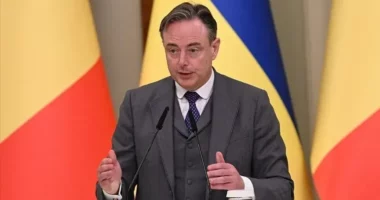
Beyond the immediate regional concerns, the broadcast also contextualized developments from the broader European and global arenas. The European Union’s cautious approach to utilizing frozen Russian assets for Ukraine’s reconstruction, as articulated by the Belgian Prime Minister, illuminated the intricate legal and diplomatic hurdles faced by Brussels. Concurrently, the Kremlin’s dismissive response to new Ukrainian and European peace proposals signaled a continuing impasse in the conflict, with implications for global energy markets, security architectures, and the wider geopolitical balance—all of which inevitably resonate within the aspirant EU member states of the Balkans.
Finally, the day’s events in Kosovo also commanded significant attention, specifically the resignation of Bedri Hamza from a leadership position within the Democratic Party of Kosovo (PDK). This internal political shift within one of Kosovo’s most established parties suggests a period of realignment and potential power struggles, with direct consequences for the country’s domestic stability and its approach to critical issues like the dialogue with Serbia. The "Ballkan Update" meticulously wove these diverse narratives together, offering viewers a comprehensive understanding of the forces shaping the region.

Chronology of a Tumultuous Day (October 21, 2026)
The news cycle of October 21, 2026, unfolded with a series of interconnected events, each building upon the last to create a dynamic and often tense political landscape across the Western Balkans and beyond.
Early Afternoon: Setting the Stage for Deeper Analysis
- 16:36 – "News Hour" with Habi Hoxha: The day’s initial major news broadcast on ABC News, likely covering preliminary reports and setting the agenda for more in-depth discussions. This segment would have provided initial updates on regional and international headlines, preparing the audience for the detailed analysis to follow in the "Ballkan Update."
- 16:47 – Zelensky’s Diplomatic Overture: Ukrainian President Volodymyr Zelensky announced that Ukraine was prepared to "freeze the front line" and transition towards diplomacy. This statement, while emphasizing a readiness for negotiation, also hinted at the protracted nature of the conflict and the potential for a "frozen conflict" scenario, a development with significant geopolitical implications for Europe and its periphery, including the Balkans.
- 16:48 – Political Shake-up in Kosovo’s PDK: Bedri Hamza, a prominent figure within the Democratic Party of Kosovo (PDK), announced his resignation from a key party leadership role. This move immediately triggered discussions about internal power dynamics within PDK, one of Kosovo’s two largest political parties, and signaled impending internal elections for a new chairman, potentially reshaping Kosovo’s opposition landscape.
Late Afternoon: Escalating Tensions and Renewed Calls for Justice
- 17:16 – Controversial Rhetoric on Albania-Kosovo Ties: A figure identified as "Kryeziu" made incendiary remarks, labeling Kosovo’s ruling Vetëvendosja party as an "anti-Albanian organization." This statement, widely circulated, ignited fierce debate across both Albania and Kosovo, testing the historical bonds of solidarity and raising concerns about the potential for political rhetoric to undermine inter-state relations.
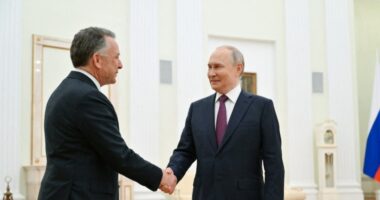
- 17:26 – Kremlin Dismisses Peace Proposals: In a predictable but firm response, the Kremlin stated that recent peace proposals from Ukraine and European nations "do not bring much new" to the table. This rejection underscored the continued deadlock in efforts to resolve the conflict and reinforced Russia’s firm stance, further complicating the international diplomatic landscape.
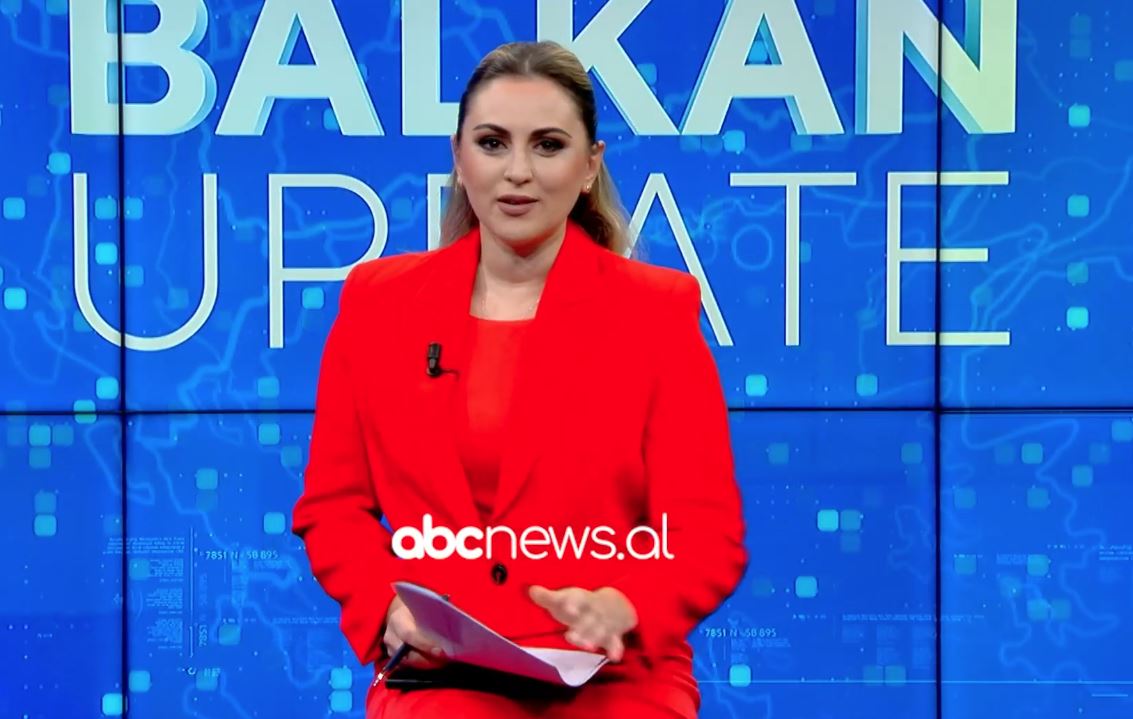
- 17:38 – A Son’s Plea for Justice: The Remzi Hoxha Case: The son of Remzi Hoxha, who disappeared 31 years ago, delivered an emotional and direct address, stating, "Berisha gave the order to disappear Remzi Hoxha." He passionately reiterated the family’s "31 years of injustice" and renewed their urgent demand for the recovery of his father’s remains, reigniting a deeply painful and politically charged historical controversy in Albania.
- 17:53 – EU’s Caution on Russian Assets: The Belgian Prime Minister issued a statement clarifying the European Union’s position on frozen Russian assets, indicating that the EU would not, for the time being, propose their direct use for Ukraine’s reconstruction. This announcement highlighted the complex legal and economic considerations involved and the EU’s commitment to upholding international law, even amid pressing needs.
- 17:54 – "Ballkan Update with Habi Hoxha": The day culminated with the broadcast of ABC News’s "Ballkan Update," which comprehensively covered all these developments. The program served as a synthesis of the day’s political, historical, and international events, providing context and analysis to a region closely monitoring its own intricate challenges and its place within a turbulent global order.
Supporting Data and Contextual Analysis
To fully grasp the implications of the day’s news, it is essential to delve deeper into the background and surrounding context of each major development.

The Enduring Shadow of Remzi Hoxha: A 31-Year Quest for Truth
The case of Remzi Hoxha represents one of the most enduring and painful unresolved mysteries of post-communist Albania. A businessman and former intelligence agent, Hoxha disappeared in October 1995 under highly suspicious circumstances, allegedly abducted by state security forces during the tenure of then-President Sali Berisha. His disappearance became a symbol of alleged state abuses of power during a period of intense political transition and instability in Albania.
For over three decades, Hoxha’s family has campaigned relentlessly for justice and for the recovery of his remains. Their pleas have often been met with official silence or bureaucratic roadblocks. The son’s recent statement, directly implicating Berisha, is not a new accusation but a powerful reiteration of a long-held belief within the family and certain segments of Albanian society. It revives uncomfortable questions about the rule of law, the independence of the judiciary, and the political will to confront dark chapters of recent history. Analysts suggest that such public accusations, especially after so many years, indicate a renewed push for accountability, possibly emboldened by shifts in the political landscape or new evidence emerging. The case remains a stark reminder of how unresolved injustices can continue to haunt a nation’s conscience and impede its full democratic consolidation, a key prerequisite for European integration.
Albania-Kosovo Relations: A Delicate Balance Under Strain
The accusation by "Kryeziu" that Kosovo’s ruling Vetëvendosja party is an "anti-Albanian organization" introduces a highly inflammatory element into the often-romanticized relationship between Albania and Kosovo. While the precise identity and political affiliation of "Kryeziu" are not explicitly stated, such a strong assertion typically originates from a political opponent or a nationalist commentator seeking to discredit Vetëvendosja’s political agenda.
Vetëvendosja, led by Prime Minister Albin Kurti, has historically advocated for a more assertive and independent foreign policy for Kosovo, often prioritizing Kosovo’s state-building over broader "national unity" projects that might imply a subordinate role to Albania. Their focus on combating corruption, strengthening state institutions, and sometimes taking firm stances against perceived external pressures has, at times, led to friction with the Albanian government in Tirana, which generally pursues a more accommodating foreign policy towards international partners. The claim of "anti-Albanian" is deeply provocative, aiming to delegitimize Vetëvendosja by challenging its patriotism and its commitment to the shared cultural and historical heritage of Albanians.
Historically, Albania has been Kosovo’s staunchest ally, providing unwavering political, diplomatic, and humanitarian support, particularly during the 1999 war and in the subsequent efforts for international recognition. Such accusations, if allowed to fester, could erode public trust and create diplomatic rifts, potentially hindering much-needed cooperation on regional issues, economic development, and cultural exchange. The incident underscores the fragility of political unity, even among nations with deep ethnic and historical ties, when confronted with differing political ideologies and national interests.
Navigating EU Integration Amidst Domestic Political Turbulence
The poll question, "Opposition violence versus European integration, how should the government react?", highlights a critical dilemma for Albania’s path towards European Union membership. The EU places significant emphasis on political stability, a functioning democratic system, and the rule of law as fundamental conditions for accession. Episodes of "opposition violence," which can range from disruptive parliamentary tactics to street protests resulting in clashes, are frequently viewed by Brussels as indicators of democratic immaturity and political polarization.
Albania’s political scene has historically been characterized by deep divisions and often confrontational methods employed by the opposition to challenge the ruling majority. While legitimate protest is a cornerstone of democracy, excessive or violent tactics risk undermining the country’s image as a stable and reliable partner in the eyes of the EU. The government, therefore, faces the challenge of upholding democratic principles by allowing dissent, while simultaneously demonstrating its capacity to maintain order, engage in constructive dialogue, and progress with reforms. The public’s engagement with this poll question suggests a broader societal awareness of how internal political behavior directly impacts the nation’s most significant foreign policy objective.
Kosovo’s Political Landscape: PDK’s Internal Struggle
The resignation of Bedri Hamza from a leadership position within the Democratic Party of Kosovo (PDK) signals a significant internal shift within one of Kosovo’s most influential political forces. The PDK, founded by former Kosovo Liberation Army (KLA) commanders, has played a pivotal role in Kosovo’s post-war politics, including leading the country through its declaration of independence. Hamza’s departure could be indicative of internal power struggles, strategic disagreements following recent electoral setbacks, or a generational shift within the party.

PDK has been a dominant force in Kosovo for many years, often alternating power with the Democratic League of Kosovo (LDK). In recent years, however, it has faced increasing challenges from newer political movements, particularly Vetëvendosja. A leadership transition within PDK could have profound implications for Kosovo’s political stability. It might lead to a redefinition of the party’s platform, a new approach to the ongoing dialogue with Serbia, or even trigger a broader realignment of political forces, potentially impacting the stability of existing coalitions or paving the way for early elections. The development reflects the dynamic and often unpredictable nature of political life in young democracies.
The Geopolitical Echo in the Balkans: Ukraine, Russia, and the EU
The statements from the Belgian Prime Minister regarding frozen Russian assets and the Kremlin’s dismissal of peace proposals underscore the deep and complex ways in which the war in Ukraine continues to reverberate across Europe, including the Western Balkans. The EU’s cautious stance on using frozen Russian assets for Ukraine’s reconstruction reflects intricate legal challenges, including issues of sovereign immunity and the precedent such a move would set. While there is broad political will to support Ukraine, the legal mechanisms for seizing and repurposing state assets are not straightforward, requiring careful navigation to avoid undermining international law or creating future liabilities.
Meanwhile, Ukrainian President Zelensky’s indication of a readiness to "freeze the front line" and move towards diplomacy, even if met with a dismissive response from the Kremlin, suggests a potential shift in the strategic calculus of the conflict. A frozen conflict, while halting active hostilities, would create a protracted state of instability, impacting regional security, economic recovery efforts, and the overall geopolitical balance. For the Balkan states, particularly those aspiring to EU and NATO membership, these developments are crucial. They influence regional security assessments, foreign policy alignments (especially concerning sanctions against Russia), and economic stability, particularly in terms of energy security and trade flows. The ongoing conflict acts as a constant reminder of the fragility of peace in Europe and the importance of aligning with broader Euro-Atlantic security frameworks.
Official Responses and Political Reactions
The day’s events elicited a range of predictable, yet significant, official responses from the various stakeholders, reflecting their respective political positions and strategic priorities.

Albanian Government’s Stance
The Albanian government, facing the twin challenges of domestic political friction and the imperative of EU integration, would likely issue carefully calibrated responses. In reaction to the poll on "opposition violence," government officials would condemn any tactics that disrupt parliamentary work or lead to public disorder, emphasizing that such actions undermine democratic processes and, crucially, damage Albania’s credibility in the eyes of the European Union. They would reiterate their commitment to dialogue and the rule of law as the appropriate means for political engagement.
Regarding the controversial "anti-Albanian" label directed at Vetëvendosja, the Albanian government would likely seek to distance itself from such inflammatory rhetoric while reaffirming the strong, fraternal ties between Albania and Kosovo. Official statements would emphasize shared history, culture, and strategic interests, perhaps subtly suggesting that such divisive language does not serve the common good of either nation. The goal would be to project an image of maturity and statesmanship, avoiding any actions that could exacerbate tensions between Tirana and Pristina.
Kosovo Leadership and Political Parties
The leadership of Kosovo, particularly the Vetëvendosja party, would undoubtedly issue a strong rejection of the "anti-Albanian organization" label. They would likely frame the accusation as a politically motivated attack aimed at undermining their sovereignty-focused policies and their efforts to strengthen Kosovo’s independent statehood. Prime Minister Kurti’s government would reiterate its deep respect for Albania and its people, while firmly asserting Kosovo’s distinct national interests and its right to pursue its own political path.
Concurrently, the Democratic Party of Kosovo (PDK) would focus its public statements on Bedri Hamza’s resignation by emphasizing party unity and a commitment to democratic internal processes. Statements from acting leadership would likely stress that the party remains strong and dedicated to its foundational principles, promising a transparent process for electing a new chairman. This would be an attempt to project stability and resolve during a period of internal transition, reassuring both its membership and the wider electorate.
Sali Berisha’s Camp and the Democratic Party
Sali Berisha and his allies within the Democratic Party (DP) would vehemently deny any involvement in the disappearance of Remzi Hoxha. Their response would likely frame the renewed accusations as politically motivated attacks, perhaps orchestrated by the current government to distract from its own failures or to delegitimize the opposition. They would likely dismiss the timing of the accusations as opportunistic and politically convenient, reaffirming Berisha’s innocence and potentially launching counter-accusations of political persecution. The DP would also use this opportunity to criticize the government’s handling of the justice system, arguing that it is being used for political ends rather than genuine legal accountability.
European Union and International Community
The European Union, represented by its officials and member states like Belgium, would maintain a consistent message. On the issue of frozen Russian assets, the Belgian Prime Minister’s statement underscores the EU’s commitment to upholding international law and due process, even as it seeks avenues to support Ukraine. This stance reflects a cautious approach to avoid setting dangerous legal precedents or exposing the EU to future legal challenges.
Regarding Albania’s domestic political situation, EU officials would reiterate their long-standing calls for constructive political dialogue, de-escalation of tensions, and a strong commitment to rule of law reforms. The message would emphasize that progress on EU integration is directly linked to the functionality of democratic institutions and the maturity of the political class. For the broader Ukraine conflict, the EU would continue to express solidarity with Ukraine, while also supporting diplomatic efforts, albeit cautiously, in light of the Kremlin’s dismissive stance.
Implications for the Western Balkans and Beyond
The confluence of these events on October 21, 2026, carries significant implications for the Western Balkans, influencing everything from the trajectory of EU integration to regional security and the delicate balance of public trust.
The Trajectory of EU Integration
The internal political stability of Albania and Kosovo remains a critical prerequisite for their respective European Union accession processes. The poll on "opposition violence" directly illustrates how domestic political behavior is under international scrutiny. Persistent political polarization and confrontational tactics can undermine institutional reforms, deter foreign investment, and slow down the pace of negotiations with Brussels. EU officials consistently emphasize that a functioning democracy requires constructive dialogue and respect for democratic norms, not just legislative progress.
Furthermore, any significant deterioration in relations between Albania and Kosovo, fueled by divisive rhetoric, could hinder broader regional cooperation efforts—a cornerstone of the EU’s strategy for the Western Balkans. The stability of the entire region is often viewed holistically by the EU, and internal squabbles or historical grievances, if not properly managed, can create obstacles for all aspirants. The unresolved historical cases, like Remzi Hoxha’s disappearance, continue to cast a long shadow on the justice system’s credibility, a fundamental area where the EU demands tangible progress. A lack of accountability for past alleged state crimes can signal weaknesses in the rule of law, directly impacting accession prospects.
Shifting Geopolitical Alignments and Regional Security
The ongoing war in Ukraine and the cautious European response to Russian aggression have profound implications for the Western Balkans’ security landscape. As the EU debates the legality and implications of using frozen Russian assets, Balkan states, particularly those with aspirations for Euro-Atlantic integration, are closely watching. Their alignment with EU sanctions and foreign policy positions becomes crucial for demonstrating their commitment to shared European values and security architectures.
The possibility of a "frozen conflict" in Ukraine could also reshape regional security perceptions. Such a scenario might lead to a prolonged period of geopolitical uncertainty, potentially encouraging external actors to exert influence in the Balkans. Internal political dynamics, such as leadership changes within major parties like Kosovo’s PDK, can also influence the region’s approach to sensitive issues, including the dialogue with Serbia and its broader foreign policy orientation. The Balkans, always a strategic crossroads, is becoming increasingly sensitive to the reverberations of wider European and global power struggles.
The Battle for Narrative and Public Trust
In an era of rapid information dissemination, the role of media outlets like ABC News and programs like "Ballkan Update" becomes paramount in shaping public understanding and trust. These platforms are crucial for dissecting complex issues, providing context, and facilitating informed public discourse. However, they also bear the responsibility of presenting balanced and factual information, especially when dealing with highly charged political accusations or historical grievances.
The Remzi Hoxha case, thirty-one years on, highlights the enduring struggle for historical truth and justice, which is essential for societal healing and reconciliation. How such narratives are pursued, investigated, and ultimately resolved (or not) profoundly impacts public trust in institutions, the judiciary, and political leadership. Similarly, the nature of political discourse—whether it is constructive and fact-based or inflammatory and divisive—can either build or erode public trust, both domestically and internationally. The ability of political actors to engage in respectful debate, even amidst profound disagreements, is a litmus test for democratic maturity and a key determinant of a nation’s capacity to navigate its complex present and future.
In conclusion, October 21, 2026, presented a microcosm of the multifaceted challenges and opportunities confronting the Western Balkans. From the