Main Facts
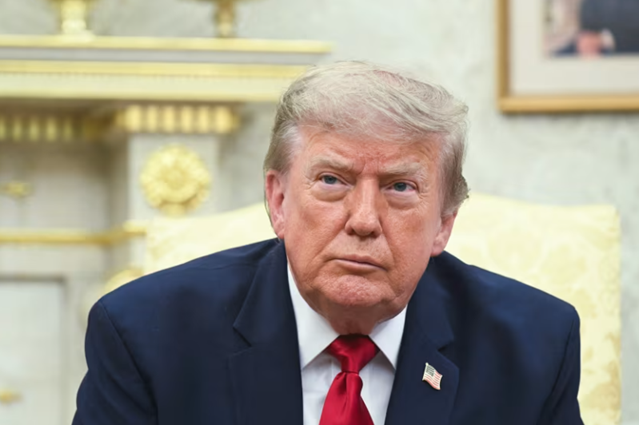
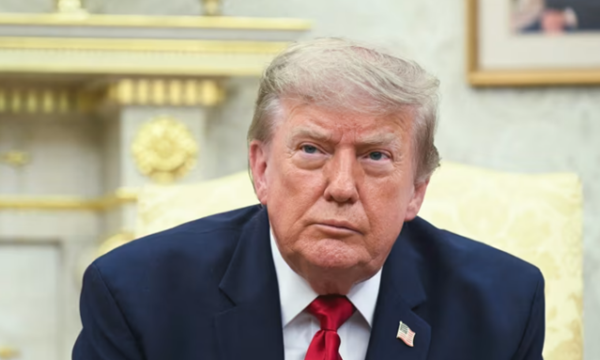
In a dramatic escalation of already fraught relations, United States President Donald Trump has declared his intention to seek significant financial compensation from Iran. The demand, articulated on his social media platform Truth Social, targets Tehran for what he alleges are numerous deaths and severe injuries inflicted upon individuals by the Iranian regime and its proxies. This audacious claim comes as a direct counter-response to Iran’s own demands for reparations from the U.S. and Israel, particularly in the context of ongoing negotiations regarding strategic maritime corridors in the Strait of Hormuz. The tit-for-tat compensation claims underscore a deepening chasm between Washington and Tehran, raising alarms across the international community about the potential for further instability in the volatile Middle East.
President Trump’s declaration, made on August 10, 2026, explicitly states his pursuit of payment for "all the people they have killed and severely wounded with their roadside bombs and in many conflicts." This sweeping accusation includes specific references to the 2000 attack on the USS Cole and the fatalities sustained during anti-government protests within Iran. The U.S. President’s move appears to be a strategic maneuver to reject Iran’s preconditions for de-escalation, which include compensation for damages, the lifting of sanctions, and an end to perceived American military threats. As both nations dig in their heels, the prospect of diplomatic resolution appears increasingly distant, replaced by a confrontational rhetoric that risks pushing the region closer to the brink.
Chronology of Escalation
The current standoff between the United States and Iran is the culmination of decades of mistrust, ideological clashes, and proxy conflicts, exacerbated by recent policy decisions and geopolitical shifts.
Precursors to the Current Standoff
The historical animosity between the U.S. and Iran dates back to the 1979 Islamic Revolution, which overthrew the U.S.-backed Shah and established an anti-Western theocratic state. This foundational event was quickly followed by the Iran Hostage Crisis, cementing a deep-seated antagonism. Over the subsequent decades, Iran’s nuclear ambitions, its support for various regional non-state actors (often labeled as terrorist groups by the U.S. and its allies), and its ballistic missile program have been consistent sources of friction.
Under President Trump’s first term (2017-2021), a significant turning point occurred with the unilateral withdrawal of the U.S. from the Joint Comprehensive Plan of Action (JCPOA), commonly known as the Iran Nuclear Deal, in May 2018. This decision, which Trump criticized as "the worst deal ever," led to the re-imposition of crippling economic sanctions on Iran, targeting its oil exports, banking sector, and other vital industries. The "maximum pressure" campaign aimed to force Iran back to the negotiating table for a more comprehensive agreement, but instead largely resulted in Iran scaling back its commitments under the deal and increasing its regional assertiveness.
The period saw multiple instances of heightened tensions: attacks on oil tankers in the Gulf, drone incidents, and a direct exchange following the U.S. assassination of Iranian General Qasem Soleimani in January 2020. These events laid the groundwork for the current climate of mutual recrimination and demands.
Iran’s Recent Demands and Strait of Hormuz
The immediate catalyst for Trump’s recent declaration stems from Iran’s renewed assertiveness regarding the strategically vital Strait of Hormuz. Over the weekend preceding Trump’s announcement, Tehran indicated it was close to an agreement with Oman concerning the establishment of new maritime transport corridors through the strait. However, Iran coupled this announcement with stringent preconditions for the full operationalization and security of these routes.
Tehran has consistently maintained that for the full and unhindered flow of global commerce through the Strait of Hormuz – a choke point through which roughly 20% of the world’s petroleum and a significant amount of liquefied natural gas passes – several conditions must be met. These include:
- Compensation for Damages: Iran demands reparations for economic losses incurred due to U.S. and Israeli attacks, cyber warfare, and other destabilizing actions.
- Lifting of Sanctions: A complete removal of all U.S.-imposed sanctions, which Iran views as economic warfare, is paramount.
- End to U.S. Military Threats: Iran seeks an end to what it perceives as aggressive military posturing and threats from the United States in the Persian Gulf region.
Oman, traditionally a neutral mediator in regional disputes, has been instrumental in facilitating discussions between Iran and Western powers. The potential agreement on maritime corridors, if realized, could offer a pathway to de-escalation, but Iran’s non-negotiable demands have complicated these efforts. The Strait of Hormuz remains a flashpoint, with Iran repeatedly threatening to close it in response to external pressures, a move that would have catastrophic implications for global energy markets.
Trump’s Counter-Demands
President Trump’s response, articulated via Truth Social, was swift and defiant. He framed his demand for compensation as a reciprocal action, echoing Iran’s own claims while simultaneously dismissing their legitimacy. His post read: "It is an interesting idea because now I am also seeking compensation from Iran, for all the people they have killed and severely wounded with their roadside bombs and in many conflicts."
Trump’s claims specifically target several areas of alleged Iranian culpability:
- Roadside Bombs and Conflicts: This broadly refers to the use of Improvised Explosive Devices (IEDs) by various militant groups in Iraq and Afghanistan, which the U.S. has long accused Iran of supplying and supporting. These IEDs were a significant cause of casualties among U.S. and coalition forces during the Iraq War and the conflict in Afghanistan.
- The USS Cole Attack (October 2000): Trump explicitly mentioned this attack, in which 17 American sailors were killed and over 30 injured when a suicide boat laden with explosives struck the guided-missile destroyer USS Cole in Aden, Yemen. While the FBI attributed the attack to Al-Qaeda, U.S. legal proceedings and intelligence assessments have, at times, implicated Iran in providing material support to terrorist organizations more broadly, which could be the basis for Trump’s assertion.
- Anti-Government Protests in Iran: The U.S. President also demanded compensation for the families of those allegedly killed during various anti-government protests within Iran. Human rights organizations have extensively documented the Iranian regime’s brutal crackdowns on dissent, leading to thousands of deaths and arrests over the years, particularly during major uprisings like those in 2019 and 2022.
By linking these disparate events, Trump constructs a narrative of long-standing Iranian aggression and culpability, aiming to turn the tables on Tehran’s demands and exert maximum pressure. His use of Truth Social bypasses traditional media filters, delivering his message directly to his supporters and the international stage with characteristic immediacy.
Supporting Data and Historical Context
President Trump’s claims, while broad, draw upon a complex history of alleged Iranian actions and documented human rights abuses, even if some direct attributions remain subjects of debate.
The Weight of Allegations: Iranian Proxies and Regional Instability
The U.S. government has for decades accused Iran of being the world’s foremost state sponsor of terrorism, primarily through its support for various proxy groups across the Middle East.
- Improvised Explosive Devices (IEDs): During the Iraq War (2003-2011), IEDs became the leading cause of death for U.S. troops. U.S. military intelligence consistently alleged that Iran, particularly through its Islamic Revolutionary Guard Corps (IRGC) and its Quds Force, provided advanced IED technology, training, and funding to Shia militias in Iraq. These "roadside bombs" inflicted thousands of casualties on coalition forces. Similar accusations have been made regarding Iranian support for groups in Afghanistan and other conflict zones. While direct, undeniable proof linking every IED to Tehran is often elusive, the pattern of support for groups employing such tactics is well-documented by U.S. intelligence agencies.
- Other Conflicts: Iran’s involvement in regional conflicts extends far beyond Iraq. In Syria, Iran has been a steadfast ally of the Assad regime, providing military and financial support, deploying IRGC personnel, and backing various Shia militias. In Yemen, the U.S. and its allies accuse Iran of supplying the Houthi rebels with ballistic missiles, drones, and other weaponry, enabling them to prolong the civil war and threaten international shipping. In Lebanon, Hezbollah, a powerful political party and militant group, is openly supported and funded by Iran, serving as a key proxy in the Levant. These interventions, according to Washington, have directly contributed to regional instability and numerous civilian and military casualties.
Estimating the exact number of individuals killed or injured by Iranian-backed groups is challenging, but collectively, these conflicts have resulted in hundreds of thousands of deaths and millions displaced. Trump’s demand seeks to assign a direct financial cost to this alleged Iranian adventurism.
The USS Cole Attack Revisited
The attack on the USS Cole on October 12, 2000, in the port of Aden, Yemen, remains a stark reminder of the vulnerabilities of U.S. naval assets. A small boat, rigged with explosives, approached the warship and detonated, ripping a 40-by-40-foot hole in its hull, killing 17 sailors and injuring 39 others. The FBI, which led the investigation, unequivocally attributed the attack to Al-Qaeda, then led by Osama bin Laden.
However, the U.S. has a complex legal history regarding state sponsorship of terrorism. While Al-Qaeda carried out the attack, subsequent U.S. court rulings have found other states liable for their alleged support of terrorist groups. Notably, in 2019, a federal judge ordered Iran and Sudan to pay $104.7 million to the victims and families of the USS Cole attack, citing their alleged material support for Al-Qaeda. While Iran has always denied any involvement with Al-Qaeda, these court judgments, based on intelligence findings, provide a legal, albeit indirect, basis for Trump’s claim, enabling him to connect Iran to the casualties of the attack despite the direct perpetrators being Al-Qaeda operatives. This legal precedent allows for the interpretation that states indirectly facilitating terrorist groups, even those with different ideologies, bear some responsibility.
Human Rights Concerns: Iran’s Domestic Crackdown
President Trump’s demand for compensation for those killed during anti-government protests within Iran touches upon a deeply sensitive and well-documented aspect of the Iranian regime’s governance. Over the past two decades, Iran has witnessed several waves of widespread protests, often sparked by economic grievances, political repression, or social restrictions.
- 2009 Green Movement: Following disputed presidential elections, massive protests were brutally suppressed.
- 2017-2018 Protests: Triggered by economic hardship, these protests spread across dozens of cities.
- November 2019 Protests: Fuelled by a sudden fuel price hike, these became one of the deadliest crackdowns in the Islamic Republic’s history. Amnesty International reported that security forces killed at least 304 people, while Reuters, citing Iranian officials, reported approximately 1,500 deaths. Thousands more were arrested, tortured, and imprisoned.
- 2022-2023 "Woman, Life, Freedom" Protests: Sparked by the death of Mahsa Amini in morality police custody, these protests were met with severe violence, including live ammunition. Human rights groups reported hundreds killed, including dozens of children, and tens of thousands arrested.
These reports from organizations like Amnesty International, Human Rights Watch, and the UN Special Rapporteur on the human rights situation in Iran consistently detail the use of excessive force, arbitrary arrests, torture, and executions against peaceful demonstrators. Trump’s call for compensation for these victims aligns with the U.S. long-standing condemnation of Iran’s human rights record and its suppression of dissent. The demand aims to highlight the regime’s internal violence as another facet of its alleged culpability on the international stage.
Official Responses and International Reactions
The reciprocal demands for compensation have ignited a fresh wave of diplomatic tension, drawing predictable responses from the directly involved parties and cautious reactions from the international community.
Response from Tehran
Iran’s leadership has reacted to President Trump’s demands with predictable indignation and outright rejection. Foreign Ministry spokespersons and high-ranking officials have condemned Trump’s statements as "baseless," "provocative," and a desperate attempt to deflect from U.S. responsibility for regional instability.
- Rejection of Claims: Tehran will vehemently deny any direct involvement in the USS Cole attack, reiterating its consistent stance that it has no ties to Al-Qaeda. It will likely dismiss accusations of supporting IED attacks as propaganda aimed at demonizing the Islamic Republic.
- Internal Affairs: Regarding the casualties from anti-government protests, Iran considers these strictly internal matters, accusing the U.S. of interfering in its sovereignty and instigating unrest. It views those killed during protests as rioters or foreign agents, not legitimate victims.
- Reiteration of Own Demands: Iran will undoubtedly double down on its own demands for compensation, citing damages from U.S. sanctions, cyber-attacks (like Stuxnet), and military actions. It will continue to frame U.S. sanctions as "economic terrorism" and insist on their complete removal as a prerequisite for any meaningful de-escalation or negotiation concerning the Strait of Hormuz.
- Rhetoric of Resistance: Iranian officials are likely to frame Trump’s demands as further proof of American hostility, reinforcing the narrative of "resistance" against Western hegemony among their domestic audience and regional allies.
US Administration’s Stance
As Donald Trump is the sitting President in this scenario (August 2026), his statements represent the official policy and stance of the U.S. administration. His demand for compensation is not merely rhetorical but a declared objective.

- Unified Message: Given Trump’s direct communication style, it is likely that other key figures within his administration – such as the Secretary of State or National Security Advisor – would echo and support his position, albeit perhaps with more diplomatic language. Their role would be to provide supporting evidence and legal frameworks for pursuing such claims.
- Legal Avenues: The administration would likely explore various legal avenues for enforcing such compensation, including international courts, leveraging frozen Iranian assets, or pursuing claims through U.S. courts under existing anti-terrorism statutes, similar to how victims of terrorism have sued state sponsors.
- Leverage for Negotiations: The demand also serves as a potent negotiating tactic, aiming to increase pressure on Iran and strengthen the U.S. hand in any future discussions, particularly concerning Iran’s nuclear program and regional activities.
International Community’s Perspective
The international community, particularly European allies and the United Nations, is likely to view this escalation with deep concern.
- Calls for De-escalation: European powers, traditionally advocates for diplomacy and the preservation of the JCPOA, would likely issue calls for restraint and de-escalation from both Washington and Tehran. They would emphasize the dangers of rhetorical warfare and the need for dialogue to prevent miscalculation.
- Concerns over Stability: There would be significant worry about the impact on regional stability, particularly in the Persian Gulf, a crucial artery for global energy supplies. Any threat to the Strait of Hormuz would trigger immediate alarm regarding global oil prices and economic stability.
- Role of Oman: Oman, as a mediator, would find its diplomatic efforts significantly complicated by this public escalation. While committed to facilitating dialogue, the hardening of positions from both sides makes finding common ground exceedingly difficult.
- UN Position: The United Nations would likely urge both parties to adhere to international law, respect human rights, and seek peaceful resolutions. The UN Secretary-General might offer mediation services, emphasizing the need to avoid actions that could jeopardize international peace and security. However, the UN’s influence in such highly politicized disputes often faces significant limitations.
Implications and Future Outlook
The reciprocal demands for compensation mark a dangerous new phase in U.S.-Iran relations, carrying profound implications for regional stability, global economics, and the prospects for any future diplomatic engagement.
Escalation of Tensions
This tit-for-tat compensation demand significantly escalates tensions, transforming a simmering rivalry into an open legal and rhetorical battleground.
- Entrenched Animosity: Such demands solidify the narrative of victimhood and aggression on both sides, making it harder for either party to back down without appearing weak. This further entrenches animosity and reduces the political will for compromise.
- Risk of Miscalculation: With heightened rhetoric and accusations, the risk of miscalculation or unintended military confrontation increases. Any incident in the Persian Gulf, whether intentional or accidental, could rapidly spiral into a broader conflict.
- Diplomatic Deadlock: The current stance suggests a complete diplomatic deadlock. Iran’s conditions for opening maritime corridors are met with a counter-demand, effectively creating a Catch-22 situation where neither side is willing to concede. This makes any revival of nuclear talks or broader security dialogues highly improbable in the near term.
Economic Repercussions
The economic implications of this standoff are substantial and far-reaching.
- Global Oil Markets: The Strait of Hormuz remains a critical vulnerability. If Iran were to act on its threats or if the security situation deteriorates, disrupting oil flows, global oil prices would skyrocket, causing significant economic shockwaves worldwide.
- Sanctions Impact: Continued and potentially intensified U.S. sanctions will further cripple Iran’s economy, exacerbating internal hardship and potentially fueling more unrest. However, the Iranian regime has demonstrated resilience in weathering sanctions for decades, often at the expense of its population.
- Compensation Enforcement: Should the U.S. manage to secure legal judgments for compensation, the actual enforcement could involve seizing Iranian assets abroad, further complicating international financial transactions involving Iran and potentially impacting third-party entities. The magnitude of the claimed damages could run into billions, creating a significant financial burden for Iran.
Political Ramifications
The political fallout from this escalation will be felt both domestically and internationally.
- For President Trump: This move likely plays well with his domestic political base, projecting an image of strength and holding adversaries accountable. It reinforces his "America First" foreign policy stance and his consistent tough-on-Iran rhetoric. For a president in his second term, it may also be seen as an effort to solidify his legacy regarding foreign policy.
- For Iran: The regime will likely use Trump’s demands to rally nationalist sentiment, portraying the U.S. as an imperialist power seeking to undermine Iran. This could strengthen hardliners, making internal reforms or concessions to the West even less likely. It also puts pressure on Iran’s regional proxies to demonstrate continued resolve.
- Regional Alliances: The escalation will likely solidify the positions of regional players. Gulf Arab states, particularly Saudi Arabia and the UAE, who view Iran as a primary threat, may align more closely with U.S. policies. Conversely, Iran’s allies, such as Syria and certain factions in Iraq and Lebanon, will likely reaffirm their support for Tehran.
Prospects for Resolution
Under the current conditions, the prospects for a swift resolution appear bleak. Both sides are deeply entrenched in their positions, and the addition of reciprocal compensation demands only adds another layer of complexity to an already intractable conflict.
- Prerequisites for De-escalation: Any meaningful de-escalation would likely require a significant shift in posture from either or both sides. This could involve third-party mediation from a truly neutral actor (perhaps a more assertive role from Oman or another non-aligned nation), confidence-building measures, or a willingness to decouple certain issues (e.g., nuclear deal from regional proxy conflicts).
- Long-term Challenge: The deep ideological chasm and historical grievances mean that U.S.-Iran relations will likely remain a long-term challenge for any administration. The current escalation suggests that the immediate future will be characterized by continued confrontation rather than collaboration.
The demand by President Trump for compensation from Iran represents not just a legal challenge, but a profound geopolitical statement. It signals a hardening of U.S. policy, a rejection of Iranian preconditions, and a willingness to leverage historical grievances to exert maximum pressure. As Tehran undoubtedly prepares its robust rebuttal, the international community watches with bated breath, aware that the stakes in the Persian Gulf have just been raised to an unprecedented level.