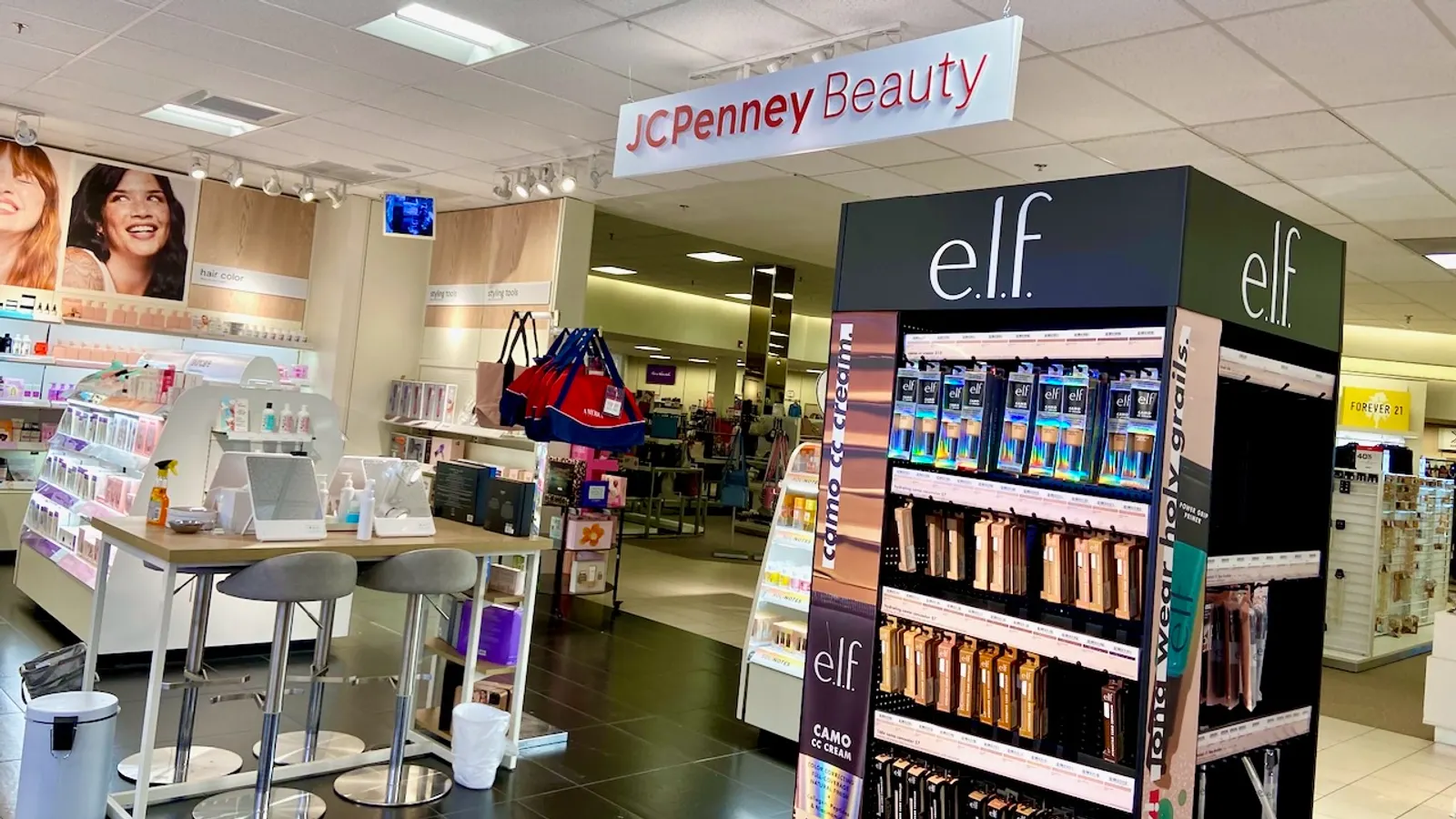
In the modern digital landscape, the distinction between B2B and B2C buyer expectations is rapidly evaporating. Business-to-business buyers—long accustomed to the frictionless, self-service experiences offered by consumer-facing retail giants—now demand that same level of convenience in their professional procurement processes. They expect the freedom to manage their accounts independently, view personalized pricing in real-time, and execute complex orders on their own schedules.
For organizations transitioning to or upgrading their B2B ecommerce operations, the challenge is not merely picking a piece of software; it is architecting a digital infrastructure that can scale, adapt, and integrate with the specialized needs of wholesale, manufacturing, and hybrid business models.
Main Facts: The New Mandate for B2B Digital Transformation
The fundamental requirement for any B2B platform today is flexibility. Unlike standard retail, where a “buy now” button suffices, B2B transactions often involve negotiated contracts, volume-based pricing, and intricate approval hierarchies.

To succeed, businesses must first audit their specific operational needs. A wholesaler requires vastly different functionality than a custom manufacturer. While some organizations may only require a digital catalog to showcase products, the current market standard dictates an end-to-end purchasing portal. For a parts supplier, for instance, this means enabling buyers to log in, see pre-negotiated pricing, input multiple SKUs simultaneously, and generate formal purchase orders without human intervention.
Key pillars for a modern B2B platform include:
- Scalability: The capacity to enter new geographic regions or diversify product lines without a total system overhaul.
- Segmented Experiences: The ability to serve retailers, dealers, and end-consumers from a single, unified inventory source while maintaining unique pricing and terms for each.
- Workflow Integration: Seamless data exchange between the ecommerce storefront and back-office systems like ERPs, CRMs, and warehouse management software.
Chronology: The Evolution of the Buying Path
The B2B purchasing journey has shifted from a linear sales-rep-led process to a digital, self-directed model. Understanding this chronology is critical for platform selection.

1. Awareness and Discovery
Buyers today start their research long before contacting a sales representative. If your digital storefront does not provide granular product data, search, and filtering, you have already lost the lead.
2. Configuration and Customization
Many B2B products are not “off-the-shelf.” They require custom specifications. Platforms like WooCommerce utilize extensions such as Product Add-Ons or Composite Products to allow buyers to upload technical files, request custom text, or build kits from inventoried components.
3. The Quote vs. Checkout Dilemma
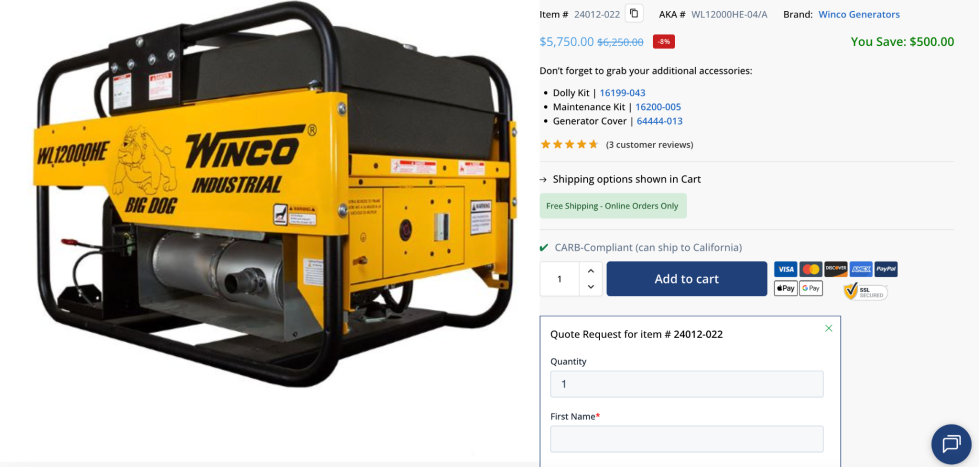
Not every B2B transaction concludes at a checkout screen. Often, high-value orders require a “Quote Basket” workflow. A sophisticated platform must allow for the coexistence of direct-to-cart purchasing for standard items and a request-for-quote (RFQ) workflow for complex, custom orders.

4. Repeat Procurement
The value of a B2B customer lies in their lifetime value. Platforms must prioritize the repeat buying experience. By utilizing order history, “Order Again” functionality, or automated subscription replenishment, businesses can reduce the administrative friction that typically plagues repeat B2B orders.
Supporting Data: Comparative Analysis of Top Platforms
When evaluating the market leaders—WooCommerce, Shopify, and BigCommerce—businesses must look beyond feature lists and analyze total cost of ownership (TCO) and operational control.
Control and Customization
SaaS platforms like Shopify and BigCommerce offer convenience but often gate critical B2B features behind high-tier, expensive subscription plans. For example, specific B2B catalogs or advanced payment terms may only be available on "Plus" plans or through proprietary "B2B Editions."
Conversely, WooCommerce, as an open-source solution, provides complete autonomy. Businesses manage their own environment, allowing for custom integrations that are not bound by the limitations of a vendor’s API or tier-based feature restrictions.
The Cost of Success
A critical pitfall in platform selection is a pricing model that scales with revenue. Many SaaS providers charge based on Gross Merchandise Value (GMV). As a business grows, its platform costs rise, effectively creating a "success tax."
In contrast, the cost of a WooCommerce-based store is predictable. While costs for hosting and specific extensions (such as B2B for WooCommerce or Wholesale for WooCommerce) exist, these remain relatively static regardless of your transaction volume. This allows for a more favorable long-term ROI as the business scales.
Official Perspectives and Real-World Applications
Leading companies have successfully leveraged the flexibility of open-source frameworks to bridge the gap between their complex back-end systems and their digital storefronts.
Case Studies in Agility
- Kellox: Managing over 800,000 SKUs, this Norwegian importer uses WooCommerce to connect its website with Microsoft Dynamics NAV. By implementing custom caching, they ensure that dealer-specific pricing and inventory levels are reflected instantly, even with a massive catalog.
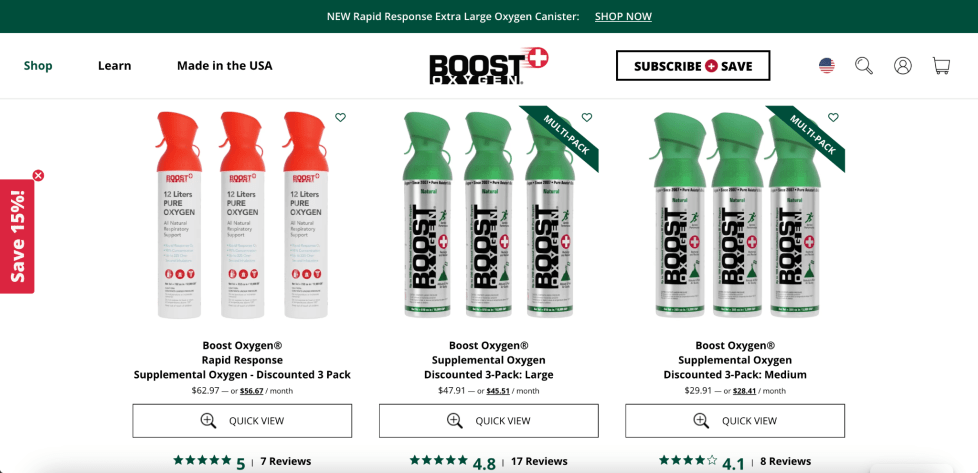
- Boost Oxygen: This company operates a hybrid model, serving both DTC and wholesale markets. By using WooCommerce to integrate with NetSuite via middleware, they manage disparate pricing models within one unified ecosystem.
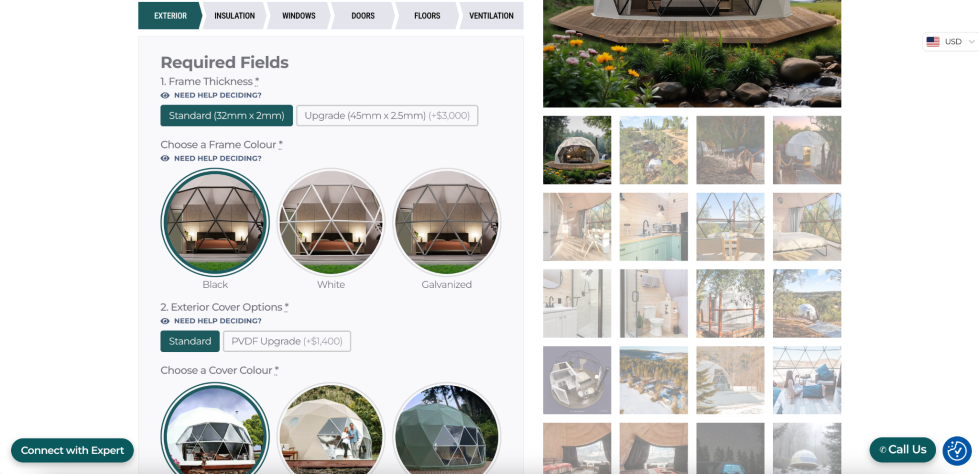
- Luna Glamping: A prime example of customization, Luna moved from a rigid SaaS platform to WooCommerce to build a bespoke product configurator. This allows them to offer 18 different upgrades for their domes, catering to both high-end event businesses and individual consumers.
Implications: The AI-Ready Infrastructure
The most pressing implication for current B2B strategy is the rise of AI-driven procurement. Research from Forrester indicates that 94% of business buyers use AI during their shopping journey.
This creates a new challenge: your product pages are now being "read" by AI agents before they are read by humans. If your pricing is hidden behind a gated login, or if your data is not structured for machine readability, your business may become invisible to the next generation of AI-assisted purchasing.
The goal for any B2B organization is to ensure that their platform is not a "black box." You need a system that offers the flexibility to decide what data is exposed to AI agents while maintaining the security of your negotiated, private pricing models.
Strategic Checklist for Platform Selection
To navigate this selection process effectively, organizations should map their requirements against these five core areas:
- Buying Path: Does the platform support both direct orders and complex, multi-stage quote requests?
- Account Rules: Can you enforce different pricing, catalogs, and payment terms by buyer role or account level?
- Integrations: Does the platform possess an open API to communicate with your existing ERP, CRM, and accounting software?
- Adaptability: How easily can you pivot to new regional tax regulations, new currencies, or entirely new selling models?
- Three-Year TCO: Calculate the total cost—including hosting, developer time, extensions, and transaction fees—to understand the real financial impact of your choice.
Conclusion
The transition to a digital-first B2B model is a significant undertaking, but it is no longer optional. The winners in this space will be the companies that provide their buyers with the most autonomy, the most relevant data, and the most frictionless path from interest to order.

Whether you choose a managed SaaS solution or an open-source framework like WooCommerce, the priority must remain on ownership of the customer experience. By documenting your specific requirements today, you ensure that your platform acts as a catalyst for growth rather than a constraint on your business’s potential. As technology continues to evolve, the ability to modify your underlying commerce stack—without waiting for a vendor’s permission or upgrading to a prohibitively expensive plan—will define the competitive advantage of the next decade.