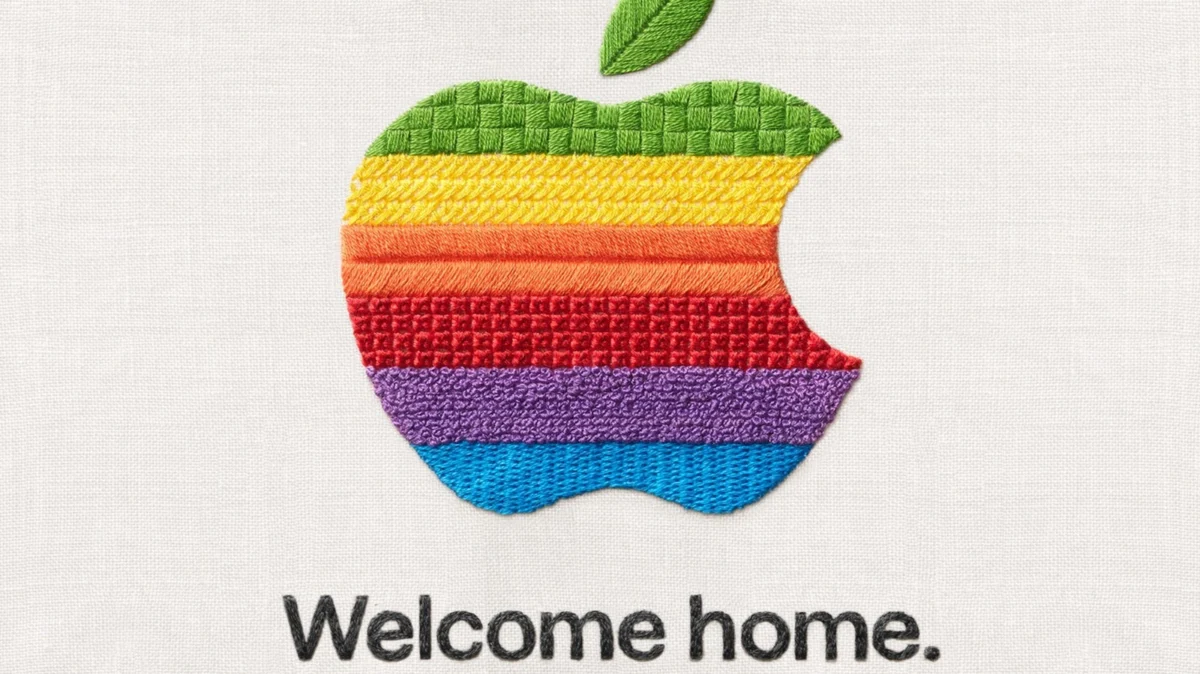
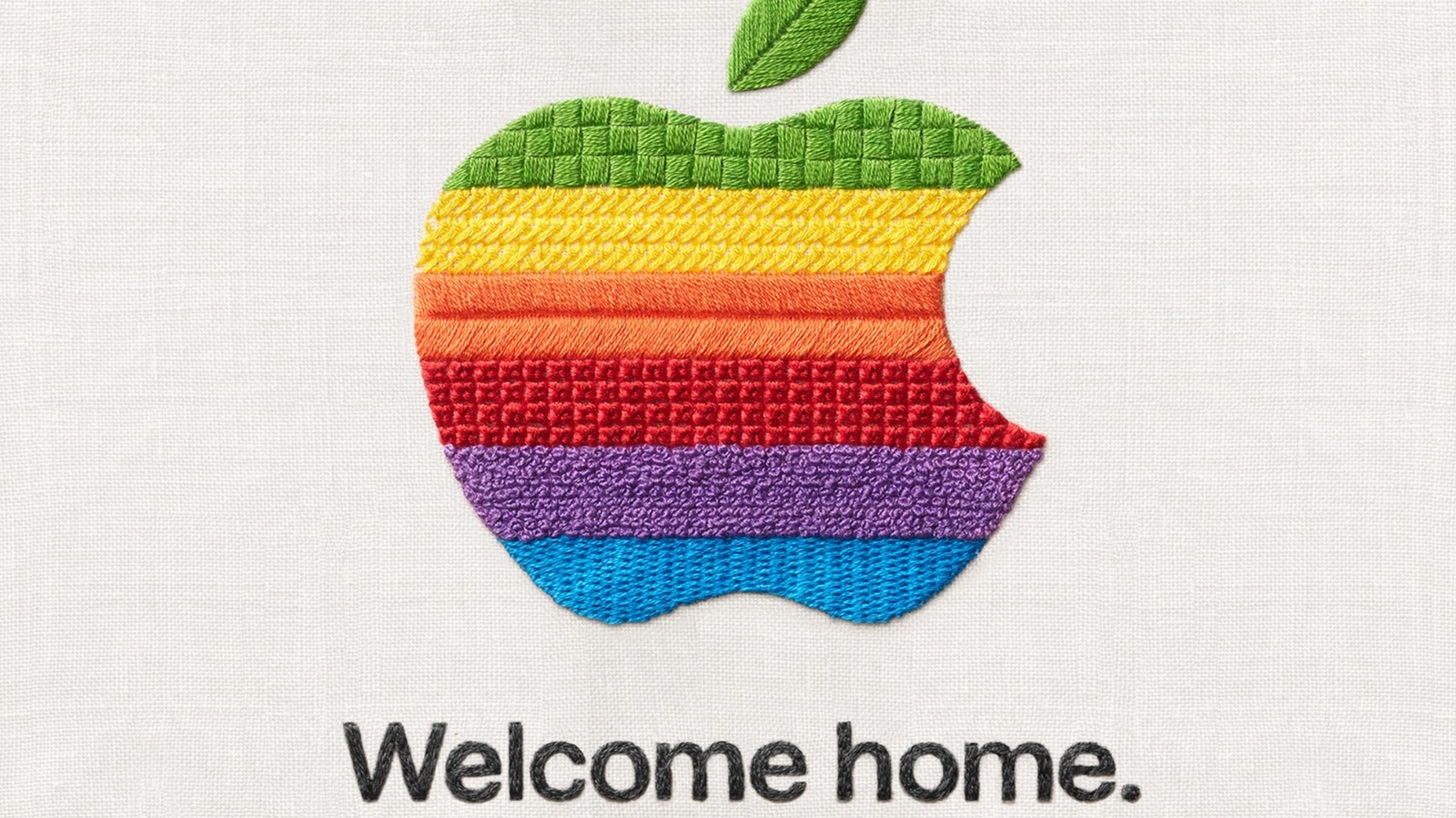
Apple has officially set the stage for its second major product showcase of the fall, signaling a dramatic shift in focus toward the domestic sphere. With the cryptic tagline "Welcome home," the tech giant has invited the world to Tribeca, New York, on October 13 at 9:00 AM ET for what is widely expected to be the debut of a new ecosystem of smart home hardware.
While the fall season is traditionally dominated by the launch of flagship smartphones, Apple is pivoting this year to challenge the dominance of Amazon and Google in the connected home market. As the company prepares to pull the curtain back on the long-rumored "HomePad," industry analysts and consumers alike are watching closely to see if Apple can finally synthesize its hardware design prowess with its new generative AI capabilities.
The Core Narrative: A Strategy Shift for the Living Room
The October 13 event serves as a strategic cornerstone for Apple’s "Home" division. For years, Apple has relied on the Apple TV and the HomePod mini to anchor its presence in the living room, but these devices have often played second fiddle to more robust smart displays from competitors.
The "Welcome home" theme is more than just a clever play on words; it represents a commitment to "Apple Experience" integration—a unified environment where Siri AI, homeOS, and premium hardware converge. By hosting this event in Tribeca, rather than its traditional Cupertino campus, Apple is signaling a more lifestyle-oriented approach to its smart home marketing, aiming to position its technology as an essential, aesthetically pleasing component of modern interior design.
Chronology of the Development
The path to this October event has been marked by years of speculation, internal delays, and shifting technological priorities.
- 2021–2023: The Rumor Mill Begins. Reports first surfaced regarding Apple’s interest in a dedicated smart display that could serve as a central hub for HomeKit devices.
- Early 2024: Strategic Hurdles. Development cycles were reportedly extended as Apple engineers struggled to balance the power requirements of a high-end display with the thermal limitations of a compact device.
- Mid-2024: The AI Pivot. With the rise of large language models, Apple made the decision to pause the project. The directive from leadership was clear: the device could not launch without a sophisticated, AI-driven version of Siri that could handle complex, context-aware requests.
- September 2024: Final Polish. Following the successful launch of the iPhone Duo, internal teams shifted their full attention to finalizing the "homeOS" interface and ensuring the hardware’s facial and voice recognition sensors were fully calibrated for a variety of home environments.
- October 8, 2026: Official Announcement. Greg Joswiak confirmed the event via social media, effectively ending months of speculation regarding the date and location.
Supporting Data and Hardware Specifications
The star of the upcoming show is undeniably the device currently dubbed the "HomePad." Based on supply chain leaks and macOS beta code analysis, we have a clear picture of what this hardware aims to achieve.
The HomePad: A New Form Factor
The HomePad is expected to feature a 7-inch display, roughly the size of a standard smart home controller, but with a design language consistent with the iPad mini and the Apple Watch. Unlike the static screens of the Echo Show or Nest Hub, the HomePad is rumored to utilize a floating-mount design, allowing for slight adjustments in viewing angles.
Software Architecture: homeOS
The device will run on "homeOS," a specialized operating system built on the foundation of tvOS but optimized for a touch-first, glanceable experience. The interface is expected to mirror the iPhone’s "StandBy" mode, offering modular widgets for calendar events, weather, smart home controls, and intercom functionality.
Intelligent Personalization
Perhaps the most significant feature is the integration of multimodal sensors. The HomePad is expected to leverage advanced computer vision and voice-print technology to identify which member of the household is interacting with the device. This allows for "personalized stacks"—if a parent approaches, the screen might show thermostat controls and security camera feeds, whereas a child’s profile might prioritize media controls or learning apps.
Spec Upgrades for Existing Devices
Beyond the new hardware, Apple is expected to announce "refresh" cycles for the Apple TV and HomePod mini. These updates are largely focused on internal silicon. To support the new, high-compute Siri AI, these devices require more powerful neural engines. Recent discoveries in macOS code hint that the next-generation HomePod speaker may even include an integrated display, potentially functioning as a "satellite" device that works in tandem with the central HomePad.
Official Responses and Industry Outlook
Apple’s invitation, which promises an "Apple Experience," suggests a holistic integration strategy. While the company has remained tight-lipped regarding specific technical details, the messaging implies that the HomePad will not just be a peripheral, but a control center for the entire Apple ecosystem.
Industry analysts are divided on the market implications. Some suggest that Apple’s entry into the smart display market comes too late, as consumers have already cemented their loyalty to existing ecosystems. Others argue that Apple’s focus on privacy—specifically, the local processing of AI tasks via the HomePad’s proprietary chip—will be a decisive factor for users wary of the data-collection practices of competitors.
The Broader Implications: A Pivot to the Home
The timing of this event is crucial. With the iPhone Duo—Apple’s first foldable smartphone—scheduled for release just weeks later, the company is attempting to capture the consumer imagination on two fronts simultaneously.
Competition with Amazon and Google
The smart home market has long been a "race to the bottom" regarding price. Amazon and Google have often subsidized their hardware to gain entry into the home. Apple, conversely, is expected to position the HomePad as a premium product. This could reshape the market, forcing competitors to pivot toward higher-quality builds or focus on software services, as Apple rarely competes on price alone.
The AI-Centric Future
The HomePad is the first piece of hardware designed from the ground up to showcase the "new" Siri. By moving away from simple voice commands and toward a proactive, intent-based AI, Apple is testing the waters for how it plans to deploy AI across its entire product lineup. If the HomePad succeeds in the living room, it validates the company’s broader strategy for AI-integrated computing.
Interoperability and the Matter Standard
A key question for the October 13 event is how the HomePad will interact with non-Apple devices. As a champion of the "Matter" smart home standard, Apple is expected to emphasize that its new hub will play nicely with a wide array of third-party smart bulbs, locks, and sensors. This interoperability is essential; if the HomePad is perceived as a "walled garden," it may struggle to gain mass-market adoption in households that already have a mix of smart devices.
Conclusion: A New Chapter for Apple
As the tech world descends upon New York for the October 13 event, the stakes are high. Apple is attempting to prove that its vision for the home is not merely about control, but about ambient computing—a world where the technology anticipates the needs of the user before they are voiced.
Whether the HomePad becomes a staple of the modern household or remains a niche device for dedicated Apple enthusiasts remains to be seen. However, one thing is certain: with a renewed focus on smart home connectivity and the integration of advanced AI, Apple is signaling that the living room is the next great frontier in its battle for consumer relevance. The "Welcome home" tagline is more than a marketing slogan; it is a declaration of intent. Apple is coming for the home, and it expects to be the center of it.