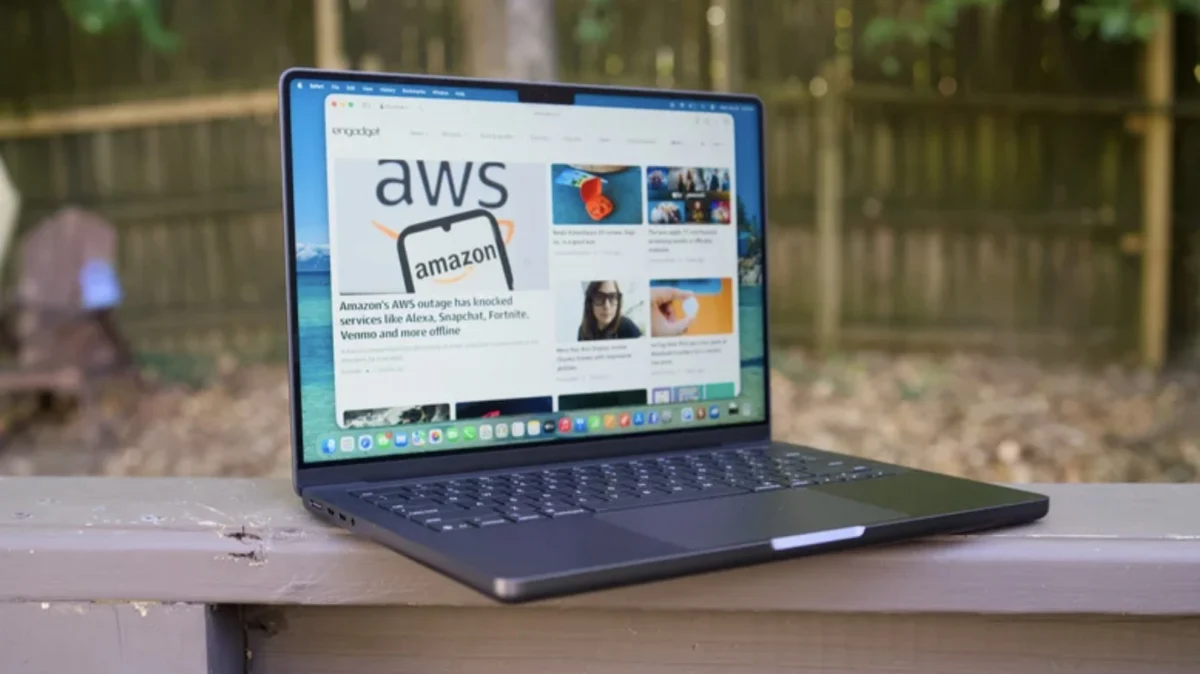
The technological landscape is bracing for a seismic shift. For over a decade, Apple has maintained a rigid distinction between its computing platforms: the iPad was the touch-first, mobile-centric device, while the Mac remained the bastion of the keyboard and trackpad. That wall, once described by Steve Jobs as a design philosophy, appears to be crumbling. According to reports from Bloomberg’s Mark Gurman, Apple is preparing to unveil its first-ever touchscreen MacBook—a product that could redefine the company’s entire hardware strategy.
Slated for a debut "on or around" October 27, this launch represents more than just a new piece of hardware; it signifies a pivot toward a hybrid future. Alongside this long-awaited laptop, Apple is expected to refresh its lineup with a new OLED-equipped iPad Mini and a series of chip upgrades that push the boundaries of current silicon architecture.
The Main Facts: A Convergence of Paradigms
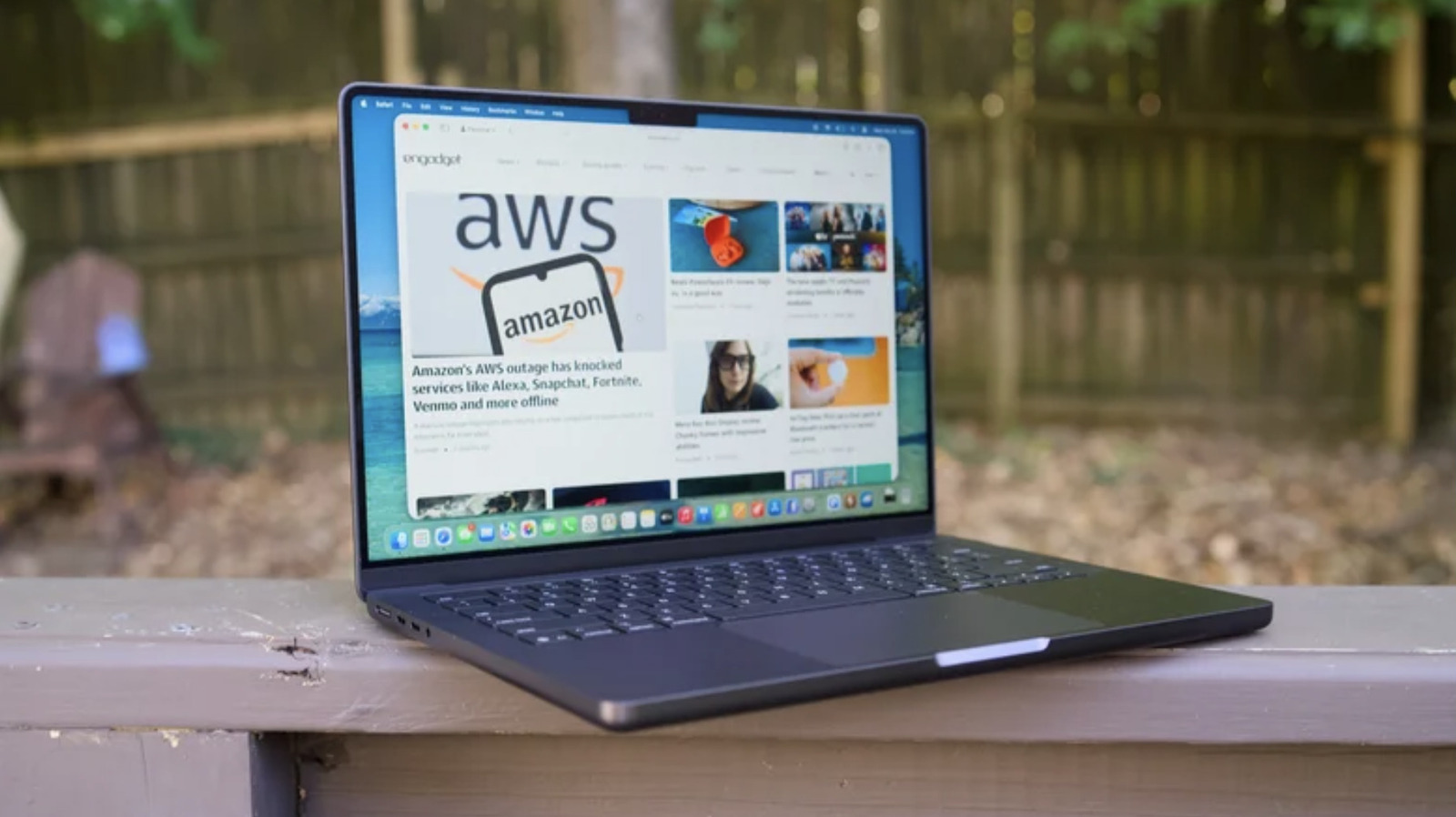
The centerpiece of Apple’s October roadmap is the much-rumored touchscreen MacBook. While internal codenames remain speculative, industry chatter increasingly refers to the device as the "MacBook Ultra."
The Dynamic Interface
Early reports suggest that the device will not merely be a MacBook Pro with a touch-sensitive screen bolted on. Instead, sources indicate the inclusion of a "dynamic interface" that adapts its UI elements based on the proximity and type of input. This suggests a software layer that recognizes whether a user is interacting via a stylus, a finger, or the traditional trackpad, adjusting the touch targets and menu density accordingly.
Internal Specifications
Performance will remain a primary pillar. The new machine is expected to house the M5 Pro and M5 Max chipsets. Interestingly, reports suggest that Apple is opting to utilize the M5 series rather than waiting for the M6 chip for this specific high-end device, likely due to optimization timelines and the M5’s proven thermal efficiency in current Pro models. This ensures that the touchscreen functionality does not come at the cost of the raw processing power creative professionals have come to expect from the MacBook Pro line.
A Chronology of Anticipation
The journey to a touchscreen Mac has been long and, at times, contentious. To understand the gravity of this upcoming launch, one must look at the timeline of Apple’s evolving stance on touch-based computing.
- 2010–2012: The era of the "Vertical Reach" critique. Apple executives famously argued that placing a touchscreen on a vertical laptop display would lead to "gorilla arm" fatigue and undermine the ergonomic precision of the mouse and trackpad.
- 2023: The rumor mill intensifies. Reports emerge that Apple engineers have begun serious internal testing of touchscreen display prototypes for the MacBook Pro, marking the first time the company moved beyond mere concept sketches.
- 2024: The refinement phase. Speculation shifts from "if" to "how," with patents surfacing that detail hinge mechanisms and adaptive UI software designed to mitigate the issues of accidental inputs on a desktop OS.
- October 2026 (The Current Context): The anticipated launch window. This date marks the culmination of nearly four years of iterative development, potentially representing the most significant structural change to the Mac since the transition to Apple Silicon.
Supporting Data: The Ecosystem Refresh
Beyond the headline-grabbing MacBook, Apple’s October strategy is broad, touching nearly every pillar of its hardware portfolio.
The New iPad Mini (OLED)
The iPad Mini, often considered the "niche" powerhouse of the tablet world, is set for a significant internal upgrade. The primary change is the shift to an OLED display, promising deeper blacks, higher contrast ratios, and better power efficiency. This update is aimed at power users who prefer a portable, stylus-compatible device for illustration and note-taking.
M6 Silicon Integration
The Mac mini’s recent refresh introduced the world to the M6 chip, and Apple is moving quickly to standardize this architecture. Both the 14-inch MacBook Pro and the iMac are slated for internal revisions to incorporate this chip.
- The MacBook Pro (Entry-level): Currently running on the M5, the shift to M6 will likely provide a significant boost in Neural Engine performance, focusing on local AI processing capabilities.
- The iMac: Having been stuck on the M4 architecture for some time, the jump to M6 is expected to bring the all-in-one desktop back to the forefront of productivity, particularly for office and educational deployments.
Smart Home Expansion
As previously reported, the ecosystem doesn’t stop at productivity. October 13 is the placeholder for a separate, dedicated event focusing on "Smart Home" devices. This suggests that Apple is finally ready to challenge the dominance of Amazon and Google in the home automation space with a more integrated, privacy-focused suite of sensors, displays, and hubs.
Official Responses and Corporate Strategy
Apple has maintained its characteristically tight-lipped stance regarding unannounced products. However, the company’s recent patent filings and the public comments of CEO Tim Cook provide a roadmap of intent. In previous shareholder meetings, when pressed about the convergence of iOS and macOS, Apple leadership often emphasized "delivering the best tool for the job."
The shift to a touchscreen MacBook suggests that Apple has solved the ergonomic hurdles that kept them away from the form factor for years. By leveraging the M-series chips’ low power consumption and thermal management, they have created a hardware envelope that can support touch without sacrificing the thin, light, and powerful profile that defines the brand.
Implications: The Post-PC Era 2.0
The introduction of a touchscreen MacBook carries profound implications for the software industry and the user experience.
1. The Death of the "App Gap"
For years, developers have had to create separate versions of applications for iPadOS and macOS. A touchscreen Mac may serve as the bridge that finally allows for a unified binary. If a developer can write an app that scales seamlessly from a 7-inch tablet to a 16-inch laptop—with touch and cursor support—the developer ecosystem will see a surge in productivity and reach.
2. Market Positioning
By introducing the "MacBook Ultra," Apple is effectively creating a new tier of computing. This device will likely sit above the standard MacBook Pro, catering to designers, architects, and digital artists who previously had to carry both a MacBook and an iPad Pro. The convergence of these two devices into a single, high-performance unit represents a significant consolidation of Apple’s target demographics.
3. Challenges and Risks
Despite the excitement, risks remain. A touchscreen laptop invites smudge-prone displays and the potential for a cluttered user interface. Furthermore, Apple must tread carefully to ensure that this new functionality does not cannibalize iPad Pro sales. The challenge for Apple’s design team, led by a new generation of engineers, will be to ensure that the macOS experience remains distinct from the iPad experience, preventing the "lowest common denominator" design trap that competitors have fallen into.
4. The Broader Economic Impact
With the M6 chip becoming the standard across the MacBook and iMac lines, Apple is signaling to the supply chain that it is ready for a mass-market adoption of high-performance local AI. This transition will likely accelerate the decline of older, Intel-based hardware in the enterprise sector, forcing a rapid refresh cycle among corporate clients who rely on Apple for high-end creative work.
Conclusion: A New Chapter for Apple
As October 2026 unfolds, the industry is not just watching for a new laptop; it is watching for a change in philosophy. The transition to a touchscreen MacBook suggests that Apple is finally comfortable with the idea that the "desktop" is no longer a static experience.
Whether this device succeeds as a niche tool for creatives or becomes the new standard for the average consumer remains to be seen. However, one thing is certain: with the integration of M6 silicon, a revitalized iPad Mini, and a renewed push into the smart home, Apple is signaling that it is not content to iterate on the past. The company is actively building the infrastructure for a future where the interface—whether by trackpad, touch, or voice—is truly secondary to the power of the machine itself.
The wait for the touchscreen Mac has been long, but if the rumors hold, the technology is arriving at the exact moment the market is ready to embrace a new way to work.