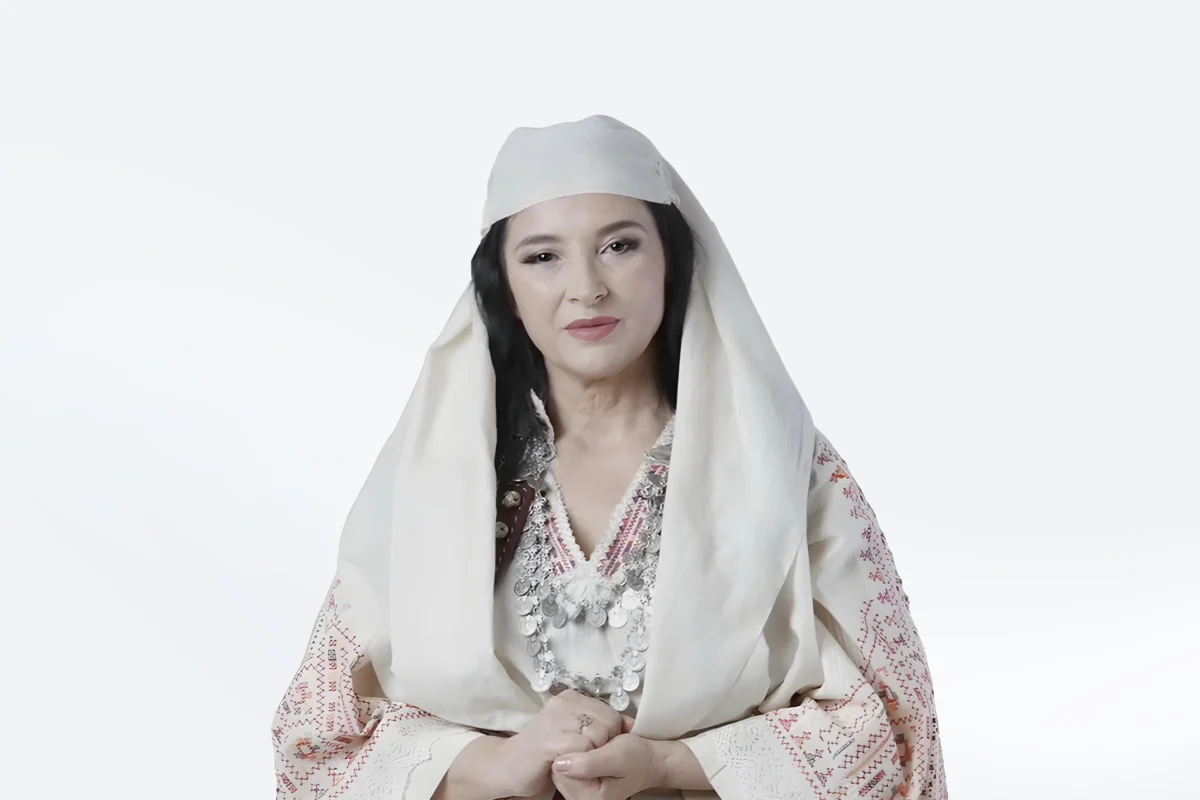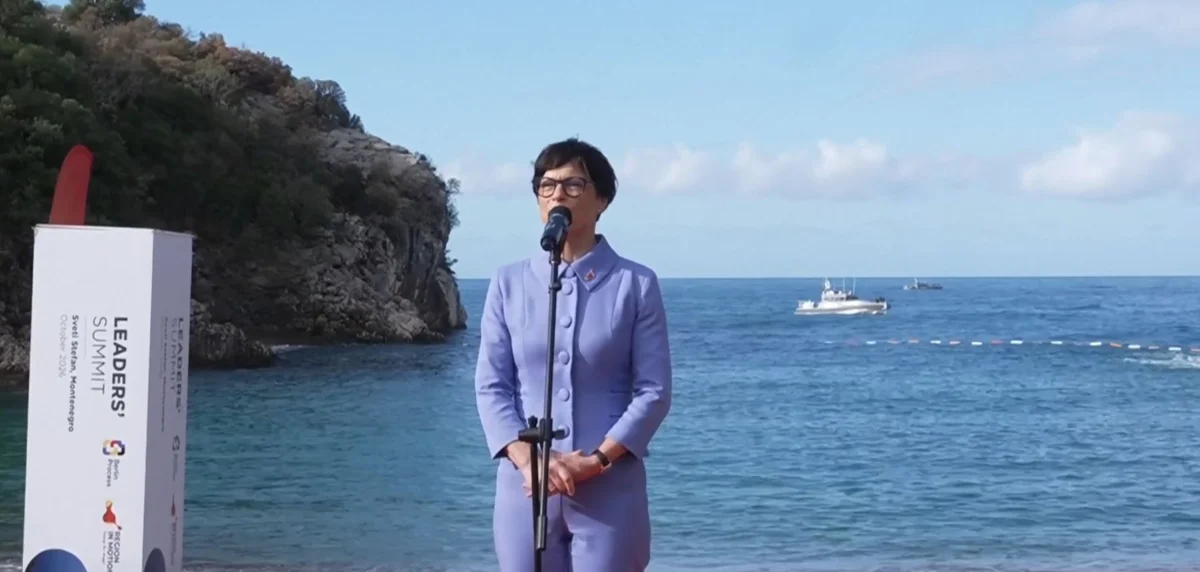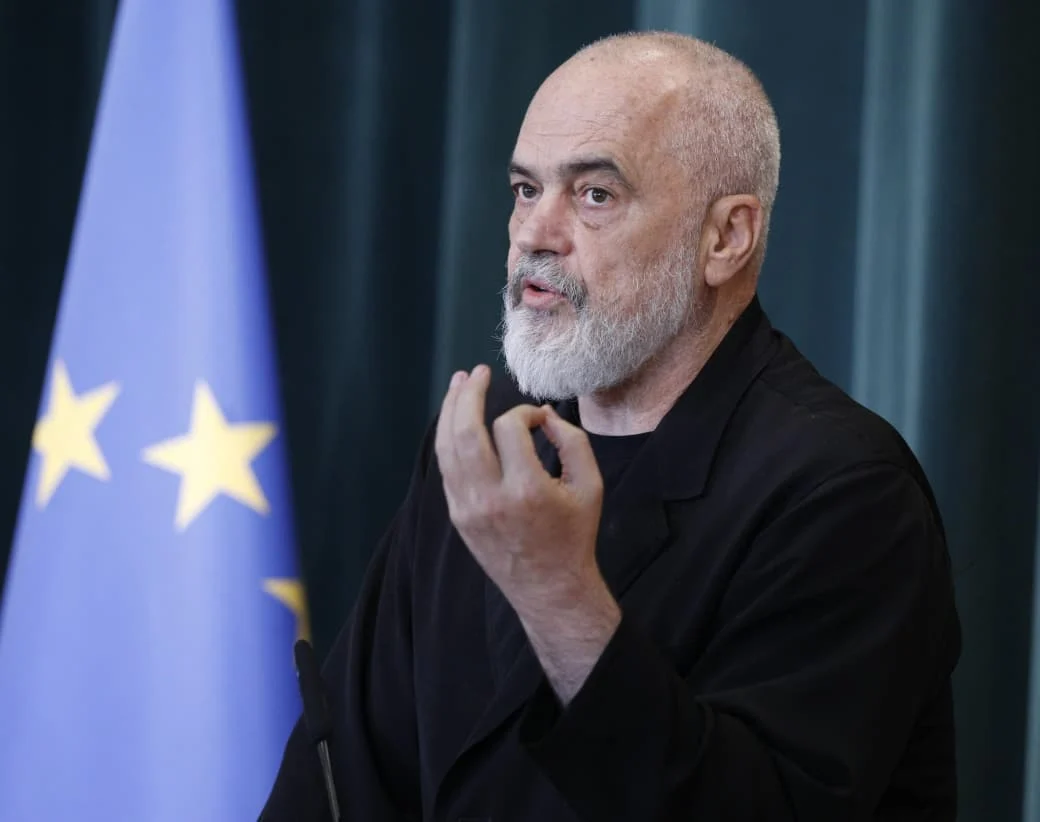
TIRANA, Albania – June 2, 2026 – In a swift and decisive move, Albanian Prime Minister Edi Rama announced the dismissal of Vlora Hyseni, the Director of the State Intelligence Service (SHISH), on Tuesday. The announcement came mere hours after the Special Court ordered her arrest and temporary suspension from duty, citing grave charges of divulging state secrets and aiding and abetting a criminal. The Prime Minister, currently in the United States to attend a United Nations General Assembly session, issued a statement via the social media platform X, emphasizing the individual nature of Hyseni’s alleged transgressions and seeking to distance his government from her legal predicament.
The Dramatic Unfolding of Events
The dramatic turn of events began with the Special Court’s ruling, which sent shockwaves through Albania’s political and security apparatus. The court’s decision to issue an arrest warrant and suspend Hyseni from her position underscored the seriousness of the accusations leveled against her. The charges, which include the unlawful disclosure of state secrets and complicity with criminal elements, point to a potential breach of national security and a deep-seated problem within the country’s intelligence services.
Prime Minister Rama, addressing the situation from afar, articulated his government’s stance on the matter. In his X post, he stressed that the guilt or innocence of an individual facing accusations from the prosecution and the court is a personal matter. He stated, "The innocence or guilt of a collaborator accused is an individual matter before the prosecution and the court. This majority, with me at the helm, remains loyal to this principle, refraining from delving into the merits of any judicial matter and from acting as an advocate for anyone facing justice." This statement, though seemingly neutral, carries significant weight, signaling a clear intent to avoid any perception of government interference in the judicial process, while simultaneously distancing the administration from Hyseni’s alleged actions.
A Pattern of Deflection?
Critics of Prime Minister Rama have long observed a recurring pattern of the Prime Minister deflecting responsibility when close associates or subordinates face corruption allegations or connections to organized crime. This recent incident, according to some political analysts, appears to fit this established narrative. While Rama’s statement emphasizes individual accountability, the sheer prominence of Hyseni’s position as head of the intelligence service, and the gravity of the charges, raises questions about the government’s vetting processes and oversight mechanisms.
In rare instances, however, Rama’s government has been accused of actively shielding individuals. The case of former Deputy Prime Minister Belinda Balluku, who faced parliamentary scrutiny, is cited as an example where the ruling majority allegedly used parliamentary procedures to obstruct requests from the Special Prosecution Office. This historical context adds a layer of complexity to the current situation, prompting observers to scrutinize the sincerity of Rama’s assertion of non-interference.
Vlora Hyseni: A Meteoric Rise and Precipitous Fall
Vlora Hyseni’s tenure as Director of the State Intelligence Service was marked by a rapid ascent through the ranks of Albania’s security establishment. Prior to her appointment as SHISH chief, Hyseni served as a national security advisor to Prime Minister Rama. Her recruitment by Rama, following a career that concluded with her dismissal from Kosovo’s intelligence institutions under somewhat opaque circumstances, immediately raised eyebrows among political opponents and segments of the public.
During the presentation of Hyseni’s nomination as head of SHISH in 2023, Prime Minister Rama publicly lauded her qualifications. He expressed his confidence in her preparation and experience, highlighting the respect she commanded within the international intelligence community. Rama posited that these attributes were "a full guarantee for the further reform of the Albanian intelligence service." This strong endorsement, delivered in a public forum, now stands in stark contrast to the current reality of her dismissal amidst serious criminal accusations.
The opposition, at the time of her appointment, voiced strong reservations, citing concerns about the unanswered questions surrounding her career in Kosovo. The reasons for her departure from Kosovar intelligence institutions remained unclear, leading to speculation and distrust regarding her suitability for such a sensitive role in Albania.
The Nature of the Charges: State Secrets and Criminal Complicity
The charges against Vlora Hyseni are particularly concerning given her position. The accusation of divulging state secrets implies a potential compromise of national security interests, potentially exposing sensitive information to foreign adversaries or criminal organizations. The charge of aiding and abetting a criminal suggests a more active role in facilitating illicit activities, raising questions about the extent of her involvement and the individuals or groups she may have supported.
The Special Court’s decision to implement pre-trial detention and suspension from duty indicates that the prosecution has presented sufficient evidence to warrant such measures. This suggests that the investigation has moved beyond mere suspicion and into a phase where concrete evidence is being considered by the judiciary. The specifics of the state secrets allegedly divulged and the nature of the criminal activities Hyseni is accused of supporting are yet to be fully disclosed, pending further legal proceedings.
Broader Implications for Albania’s Security and Governance
The dismissal of the head of Albania’s intelligence service under such serious allegations has far-reaching implications for the country.
1. National Security Vulnerabilities: The very fabric of a nation’s security rests upon the integrity and trustworthiness of its intelligence agencies. If the head of SHISH is implicated in such severe offenses, it raises fundamental questions about the security protocols, internal checks and balances, and the overall vetting process within the service. The potential for compromised information and facilitated criminal activity could have long-term consequences for Albania’s geopolitical standing and its fight against organized crime.
2. Judicial Independence and Rule of Law: Prime Minister Rama’s swift public statement, while aimed at distancing his government, also highlights the delicate balance between political leadership and judicial independence. The effective functioning of the Special Court, which was established to tackle high-level corruption and organized crime, is crucial for Albania’s aspirations for EU membership and for building public trust in the justice system. The government’s response will be closely scrutinized to ensure that the judicial process unfolds without undue political influence.
3. Public Trust and Governance: The allegations against Hyseni, coupled with the historical context of concerns regarding appointments in the security sector, can erode public trust in the government’s ability to safeguard national interests and uphold the rule of law. Transparency and accountability are paramount in such situations. The public will be looking for clear explanations and decisive action to demonstrate that no one is above the law, regardless of their proximity to power.
4. International Scrutiny: Albania’s progress in its reform agenda, particularly in the areas of justice and security, is under constant observation by international partners, including the European Union and the United States. The current events will undoubtedly attract international attention and could influence ongoing assessments of Albania’s commitment to good governance and the fight against corruption.
5. The Future of SHISH: The State Intelligence Service now faces a period of significant uncertainty and the imperative to rebuild its credibility. The appointment of an interim or permanent successor will be a critical decision, requiring a leader with impeccable credentials and a demonstrated commitment to ethical conduct and national security. The process of selecting this new leadership will be a litmus test for the government’s resolve to address any systemic issues within the intelligence apparatus.
As the legal proceedings against Vlora Hyseni commence, Albania finds itself at a critical juncture. The coming weeks and months will reveal the full extent of the alleged wrongdoings and will undoubtedly shape the future trajectory of the country’s security landscape and its commitment to democratic principles and the rule of law. The Prime Minister’s call for individual accountability will be tested by the thoroughness and impartiality of the judicial process, and the resilience of Albania’s institutions in the face of such a significant challenge.