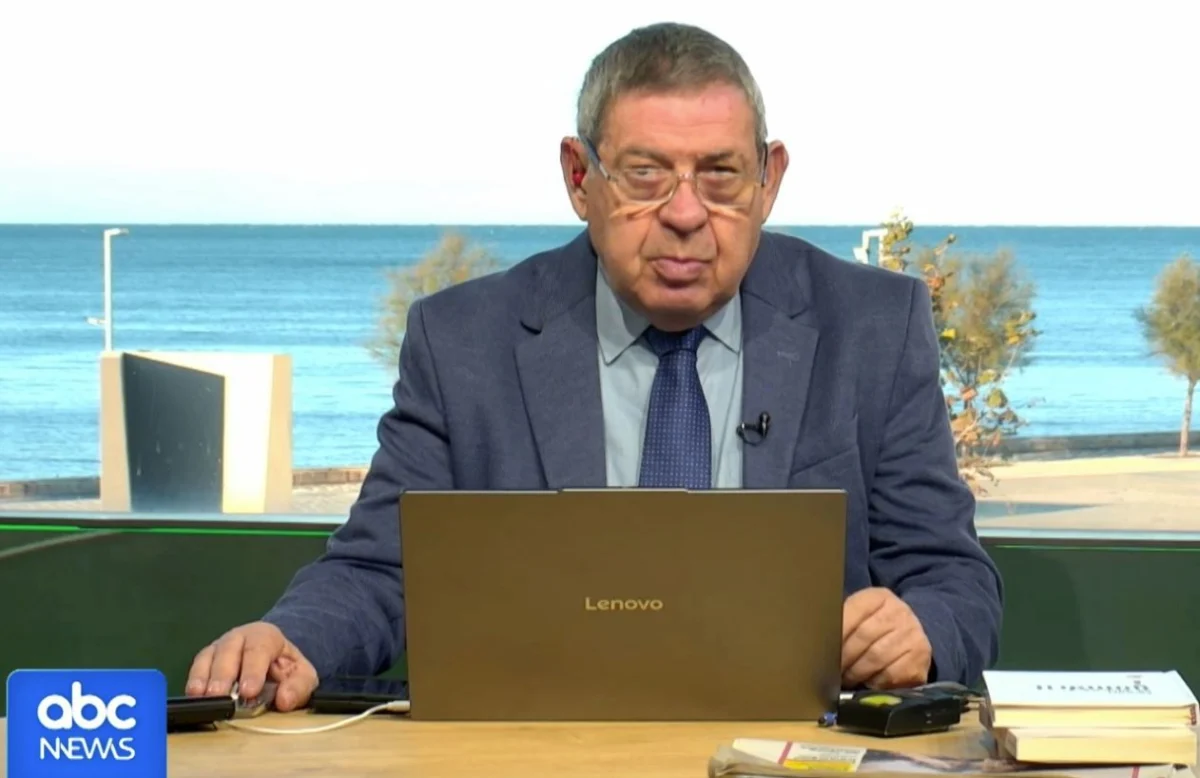
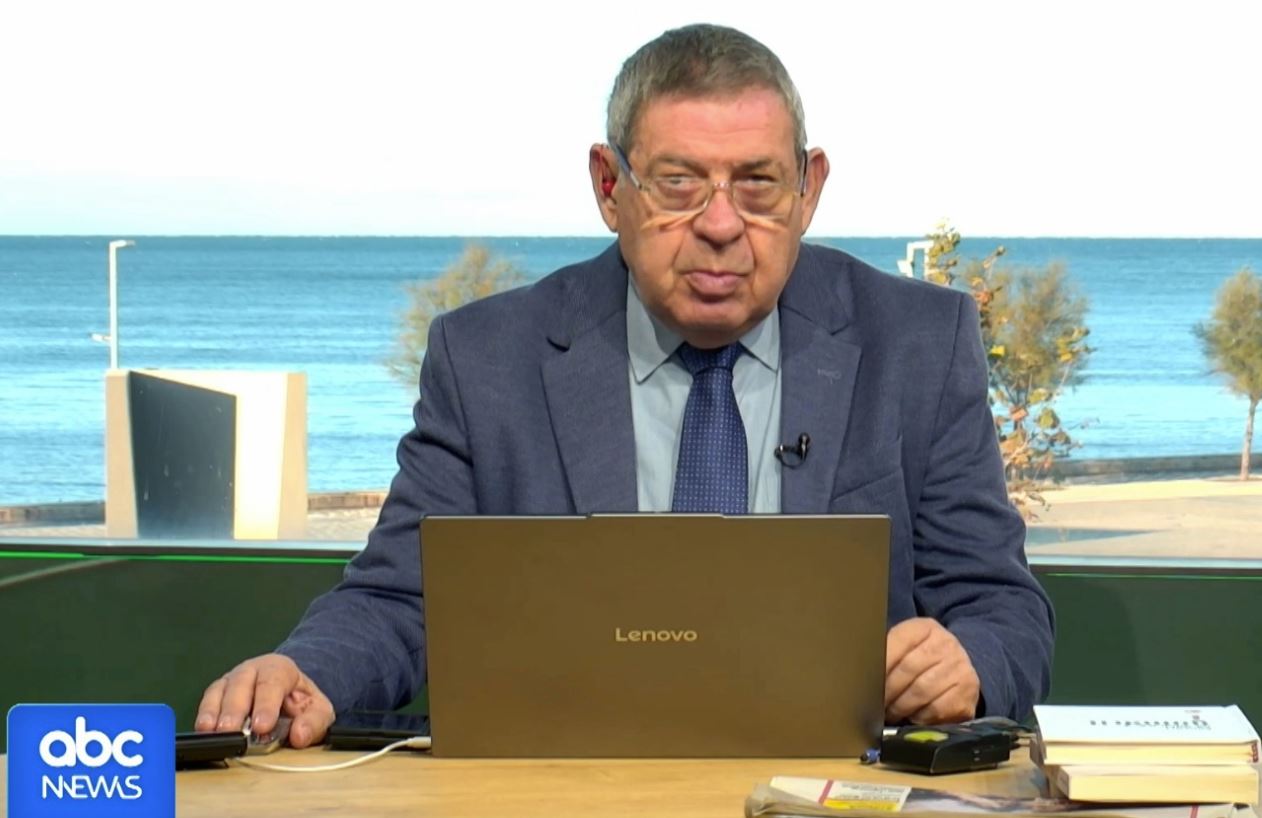
Tirana, Albania – October 27, 2026 – As Albania woke on October 27, 2026, its news cycles were dominated by a blend of pressing domestic political tensions and significant international developments. ABC News Albania, through its comprehensive morning programming, notably "Mirëmëngjes me Bashkim Hoxhën" (Good Morning with Bashkim Hoxha), offered its viewers an in-depth look at the day’s most critical stories. Central to the national discourse was a stark question posed to the public: how should the government react to opposition violence in the face of European integration? This poll, reflecting a deeply polarized political landscape, underscored the challenges Albania faces on its path toward EU membership, even as positive economic news emerged from abroad and crucial geopolitical events unfolded globally.
The day’s agenda, meticulously curated by ABC News, painted a picture of a nation grappling with internal dissent while simultaneously monitoring events from Washington D.C. to Pristina and Jerusalem. From allegations against a former FBI director to a resolution addressing violence against women in Kosovo, and the ongoing electoral contest in Israel, the breadth of news underscored the interconnectedness of global and regional affairs with Albania’s own trajectory.
A Day Dominated by Domestic Debates
Albania’s domestic political scene on October 27, 2026, was characterized by palpable tension, vividly captured by a poll prominently featured by ABC News. The question, "Dhuna e opozitës përballë integrimit europian, si duhet të reagoje qeveria?" (Opposition violence versus European integration, how should the government react?), cut directly to the heart of the nation’s political identity and its most cherished foreign policy goal. This framing not only highlighted the perceived severity of opposition actions but also directly linked them to Albania’s aspirations for European Union membership, a narrative frequently employed by the ruling majority.
The Political Pulse: Opposition Actions and EU Aspirations
The poll’s phrasing suggests a climate where the opposition’s methods of protest were under intense scrutiny, potentially being cast as detrimental to the country’s EU integration process. Such a question implicitly challenges the legitimacy of certain forms of dissent, positioning them in direct opposition to a widely desired national objective. The public’s response to this poll would undoubtedly offer valuable insight into the prevailing sentiment regarding political stability and the perceived costs of internal strife.

Adding fuel to this debate were specific allegations of "violence in protest by Berisha’s ‘fire group’," as reported by ABC News, citing lawyer Idajet Beqiri. Beqiri’s controversial assertion that "SPAK has empowered crime and Saliu’s criminals" further inflamed the political discourse, accusing the Special Structure Against Corruption and Organized Crime (SPAK) of failing to adequately address alleged criminal elements within the opposition. This statement, if widely disseminated and debated, could erode public trust in key justice institutions and deepen the political chasm between the government and the opposition led by Sali Berisha. The "fire group" likely refers to a faction within the Democratic Party aligned with Berisha, known for their more confrontational approach to political activism and protests. Such accusations, particularly when involving state institutions and high-profile political figures, signify a deeply entrenched and often acrimonious political environment where mutual accusations of criminality and obstruction are common. The very existence of such a poll question and the associated commentary underscores a strategic effort to frame opposition activities not merely as political disagreement but as a direct impediment to national progress and international standing.
Government’s Stance and Public Perception
In such a charged atmosphere, the government’s "reaction" as queried in the poll could range from calls for dialogue and de-escalation to more stringent measures against disruptive protests. The government would likely leverage the narrative of safeguarding the European integration process, arguing that political stability and adherence to democratic norms, including peaceful protest, are non-negotiable prerequisites for progress towards Brussels. Public opinion, as measured by such polls, would become a critical battleground, with both sides seeking to sway sentiment in their favor. A public weary of political instability might lean towards a government reaction that prioritizes order and the EU path, while those disillusioned with the government might view the opposition’s actions as a necessary check on power. The outcome of such a poll could thus provide a mandate, or at least a perceived one, for the government’s subsequent actions.

Chronology of the Morning’s Broadcasts
ABC News Albania positioned itself as a primary source for navigating this complex news day, with its flagship morning program, "Mirëmëngjes me Bashkim Hoxhën," taking center stage. The program’s structured approach ensured that viewers received a comprehensive overview of the day’s events, from breaking news to in-depth analysis and public interaction.
"Mirëmëngjes me Bashkim Hoxhën": A Comprehensive Overview
The broadcast on October 27, 2026, kicked off promptly at 09:01 with the "Shtypi i ditës" (Press of the Day) segment. This segment, a staple of morning news, would have meticulously reviewed the headlines and key stories from major Albanian newspapers and online portals. Given the domestic political poll and the related accusations, it is highly probable that the "Press of the Day" focused heavily on the ongoing tensions between the government and the opposition, the debate surrounding European integration, and the role of justice institutions like SPAK. The segment likely dissected editorials, political commentaries, and investigative pieces, providing context and differing viewpoints on these sensitive issues.

Following the initial press review, the program transitioned into "Telefonatat e Teleshikuesve" (Viewer Phone Calls). This interactive segment is crucial for engaging the public directly, allowing citizens to voice their opinions, ask questions, and share their perspectives on the day’s news. In a country where political discourse can be highly charged, such a segment offers an important platform for democratic expression and allows the public to feel heard. The previous day, October 26, 2026, saw similar programming with both "Shtypi i ditës" and "Telefonatat e Teleshikuesve," indicating a consistent format designed to keep the audience continuously informed and involved in the national conversation. This continuity allows for the development of themes and issues over time, providing viewers with a sustained narrative rather than isolated news flashes.
Broader News Coverage on ABC News
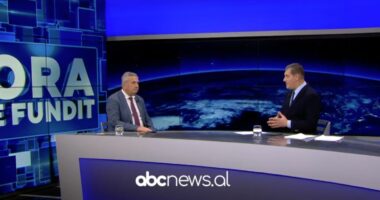
Beyond the main morning show, ABC News Albania demonstrated a broad commitment to news delivery throughout the day. "Ora e Fundit" (The Last Hour) with Emilian Islami, broadcast on the same day, suggests a robust news schedule that extended beyond the morning, likely offering a recap or deeper dive into the day’s major developments from a different perspective or with new information. This layered approach ensures that viewers have multiple opportunities to engage with the news and receive updates as stories evolve. The presence of these distinct programs underscores ABC News’s strategy to provide both early-day foundational reporting and later-day analytical or summary content, catering to different viewer needs and time slots.
Supporting Data and Key Developments
The October 27, 2026, news cycle was not confined to Albania’s borders. International and regional events, as highlighted by ABC News, added layers of complexity and context to the global landscape.
International Headlines: Geopolitics and Justice
-
US Politics and Justice: New Allegations Against James Comey: One of the significant international stories reported was the "USA, new charges against former FBI director James Comey for leaking classified information." This development carried substantial weight, given Comey’s prominent role during a highly scrutinized period of American politics. Allegations of leaking classified information against such a high-profile official could reignite debates about national security, government transparency, and political accountability in the United States. For Albania, a staunch ally of the US, such news would be closely watched, not only for its intrinsic importance but also for its potential implications on the stability of American institutions and its foreign policy posture, which directly impacts the Western Balkans. The charges would likely spark discussion among Albanian political analysts regarding the fragility of even the most established democratic systems and the challenges of maintaining institutional integrity.
-
Middle East Tensions: Israeli Elections: Another major international event was "Israel heads to polling stations/ Netanyahu faces rival Gadi Eisenkot." Elections in Israel are always of global significance, given the country’s pivotal role in Middle Eastern geopolitics. The contest between Benjamin Netanyahu, a long-serving and often controversial figure, and his rival Gadi Eisenkot, would have been closely observed for its potential impact on regional stability, the Israeli-Palestinian conflict, and broader international relations. For Albania, a country that values its international partnerships, understanding the shifts in leadership in key global players like Israel is important for its own diplomatic positioning and security considerations. The outcome of such an election could influence regional power dynamics and the international community’s approach to critical issues.
Regional Stability and Social Issues: The Kosovo Resolution
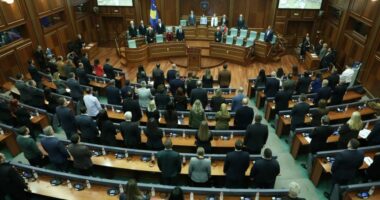
Closer to home, a significant story emerged from neighboring Kosovo: "Kosovo approves 14-point resolution after the murder of Arlinda Zekaj, demanding investigation and urgent measures against violence." This news highlighted a critical social issue – violence against women – and a concerted political response. The murder of Arlinda Zekaj likely galvanized public outrage and legislative action, leading to a resolution aimed at addressing systemic failures and preventing future tragedies. For both Albania and Kosovo, societies with shared cultural ties, the fight against gender-based violence is a pressing concern. This resolution signifies a step towards strengthening the rule of law, enhancing victim protection, and fostering a safer environment for women in the region. It also underscores the importance of regional cooperation on human rights issues, which are vital components of both countries’ European integration agendas. The 14 points would likely detail concrete actions, from improved law enforcement responses to public awareness campaigns and support services for victims.
Economic Optimism: Albania’s Tourism Boom
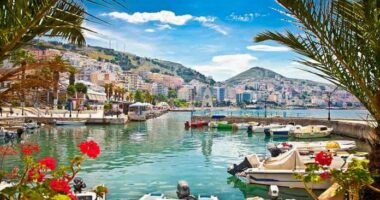
Amidst the political debates and international concerns, there was a beacon of positive economic news: "British media: Albania, among the most economical destinations for holidays in Europe." This report offered a welcome contrast to the often-somber political headlines. Endorsement from British media, known for its influential travel journalism, could significantly boost Albania’s burgeoning tourism sector. Highlighting Albania as an affordable and attractive destination not only promises economic benefits through increased visitor numbers and foreign exchange earnings but also enhances the country’s international image. This positive portrayal helps to counterbalance any negative perceptions arising from internal political squabbles, showcasing Albania’s natural beauty, cultural heritage, and hospitality to a wider European audience. A thriving tourism industry can provide much-needed economic diversification and job creation, contributing to overall national development and offering a tangible benefit of openness and stability.
Official Responses and Expert Commentary
While the provided HTML does not detail specific official responses or expert commentary, a professional news article on October 27, 2026, covering these topics would naturally include anticipated reactions from various stakeholders.

Government’s European Integration Narrative
The Albanian government would undoubtedly seize upon the poll question regarding opposition violence and European integration. Its official response would likely emphasize the imperative of political stability, adherence to democratic processes, and the peaceful resolution of disputes as cornerstones of Albania’s EU accession bid. They would likely frame the opposition’s alleged "violence" as an impediment to this national goal, positioning themselves as the guardians of the country’s European future. The government might call for dialogue while simultaneously reaffirming its commitment to law and order, suggesting that any "reaction" would be measured but firm to protect state institutions and the integration process. This narrative would aim to consolidate public support around the government’s foreign policy objectives and delegitimize disruptive opposition tactics.
Opposition’s Counter-Narrative
Conversely, the opposition, particularly the faction associated with Sali Berisha and the "fire group," would likely dismiss the poll’s framing as a government propaganda tool designed to stifle legitimate protest. They would argue that their actions, even if confrontational, are a necessary response to perceived government corruption, authoritarian tendencies, and a lack of accountability from institutions like SPAK. Lawyer Idajet Beqiri’s accusations against SPAK, for instance, would be amplified by the opposition as evidence of a captured justice system, necessitating a robust public outcry. The opposition would likely assert that true European integration requires genuine democracy, free expression, and the fight against corruption, which they would claim the current government is undermining. They might argue that their protests are not against European integration but against a government they believe is unfit to lead the country into Europe.
Civil Society and International Observers
Civil society organizations in Albania would likely offer nuanced perspectives. Human rights groups would advocate for both the right to peaceful protest and the condemnation of any genuine violence, regardless of its source. They might also call for transparency and accountability from both the government and justice institutions, particularly in light of Beqiri’s allegations. On the issue of violence against women, as highlighted by the Kosovo resolution, Albanian civil society would likely echo calls for stronger legal frameworks, better implementation, and comprehensive support systems for victims.
International observers, including representatives from the European Union and various embassies, would likely issue statements reiterating the importance of democratic dialogue, the rule of law, and peaceful political processes. While generally refraining from directly commenting on internal polls or specific political skirmishes, their statements would implicitly underscore that political maturity and stability are crucial for Albania’s EU prospects. They would likely welcome the positive news regarding tourism as a sign of economic potential but also consistently emphasize the need for continued reforms in justice and governance.

Implications for Albania’s Future
The convergence of these diverse news items on October 27, 2026, carries significant implications for Albania’s future, touching upon its European aspirations, societal cohesion, and economic trajectory.
Path to European Union Membership
The poll question directly linking opposition violence to European integration highlights a recurring dilemma for Albania. For the country to advance meaningfully towards EU membership, it must demonstrate not only institutional reform but also political maturity and stability. A climate of intense political polarization, marked by accusations of violence and compromised justice institutions, can cast a shadow over its reform efforts. The EU consistently emphasizes the importance of constructive political dialogue, respect for democratic institutions, and the peaceful resolution of political differences. Therefore, how the Albanian government and opposition navigate these tensions, and how the public perceives their actions, will critically influence the pace and success of the country’s accession negotiations. The perception of instability, whether real or manufactured, can easily be exploited by those within the EU who are skeptical of enlargement.
Societal Cohesion and Rule of Law
The domestic political strife, exacerbated by allegations of compromised justice and the "fire group’s" actions, points to deeper challenges in societal cohesion and the robust application of the rule of law. When political actors resort to confrontational tactics and make serious accusations against state institutions, public trust can erode, leading to cynicism and disengagement. Furthermore, the imperative for action against violence against women, as highlighted by the Kosovo resolution, underscores a broader regional challenge that demands concerted effort to strengthen legal protections, ensure swift justice, and change societal attitudes. A strong rule of law, free from political interference, is fundamental to addressing both political polarization and social injustices, fostering a society where citizens feel safe and have faith in their institutions.
Economic Outlook and International Standing
The positive report from British media positioning Albania as an economical European holiday destination offers a crucial counter-narrative to the political turbulence. It demonstrates that despite internal challenges, Albania possesses significant potential for economic growth and can project a favorable image internationally. A booming tourism sector can provide much-needed economic impetus, creating jobs and attracting foreign investment. However, sustained political instability could threaten this positive momentum, deterring tourists and investors who seek predictable and calm environments. The international stories, such as the Comey charges and Israeli elections, serve as a reminder that Albania’s destiny is intertwined with global events. Maintaining strong alliances and a credible international standing requires both internal stability and consistent engagement with global partners. The balance between leveraging economic opportunities and effectively managing domestic political challenges will define Albania’s trajectory in the coming years.
In conclusion, October 27, 2026, presented a microcosm of Albania’s ongoing journey: a nation striving for European integration amidst internal political battles, while simultaneously being influenced by and contributing to a complex global narrative. ABC News Albania, through its comprehensive reporting and interactive programming, played a vital role in informing the public and facilitating discourse on these multifaceted issues, underscoring the critical juncture at which the country found itself. The challenge remains for its political class to rise above partisan divisions and collectively steer Albania towards a future defined by stability, prosperity, and full European integration.