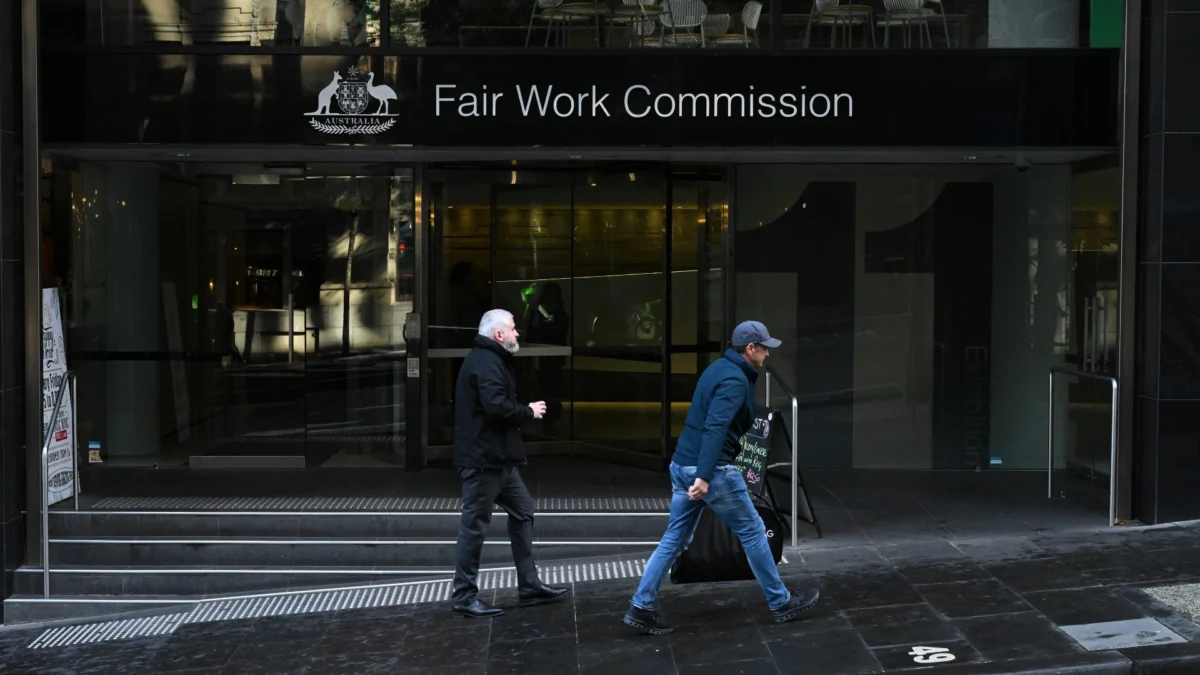
Prime Minister Anthony Albanese has unveiled a ambitious, albeit controversial, blueprint for a new judicial forum dedicated to resolving workplace disputes. Designed to operate alongside the Fair Work Commission (FWC), the proposed Fair Work Court aims to overhaul the current landscape of Australian industrial relations. However, the announcement has triggered a swift and sharp rebuke from the nation’s peak business lobbies, who warn that the government’s vision could result in increased bureaucratic complexity and exorbitant costs for employers.
The Core Proposal: Streamlining Justice or Creating "A Lawyer’s Picnic"?
At the heart of the government’s proposal is the creation of a specialized court staffed by judges with deep expertise in workplace relations law. Prime Minister Albanese framed the initiative as a moral imperative, arguing that employees should not be forced to endure years of litigation or face legal costs that dwarf the value of their actual claims.
"Workers shouldn’t have to wait years for justice, or be told their case will cost more than their claim," the Prime Minister stated. The government’s logic is that by diverting workplace-specific legal matters into a dedicated forum, the system will become more agile, predictable, and accessible.
However, the response from the business community suggests a profound disconnect between Canberra’s intentions and the reality faced by employers on the ground. Industry leaders argue that adding another layer to the judicial hierarchy will not solve the underlying issues of the industrial relations system but will instead exacerbate them.
A Chronology of Growing Friction
The announcement follows years of mounting pressure on Australia’s industrial relations framework.
- 2023-2024: The federal government passed a series of "Closing Loopholes" bills, which aimed to increase worker protections but were simultaneously criticized by business groups for adding significant regulatory burden and uncertainty.
- 2025: Throughout the year, the Fair Work Commission experienced an unprecedented surge in case filings. Reports emerged that the complexity of modern industrial law was driving this influx, with some stakeholders blaming the increased ease of using AI to draft and lodge claims.
- June 2025: As caseloads spiked, public scrutiny turned to the efficacy of the FWC. The government began internal deliberations regarding the need for a more specialized judicial tier to handle overflow and complex legal interpretations.
- 2026-27 Federal Budget: The government committed $1.3 million toward specialized support for small businesses to help them navigate the increasingly complex web of workplace compliance.
- July 2026: Prime Minister Albanese officially unveiled the plan for the Fair Work Court, sparking immediate backlash from peak industry bodies.
Industry Opposition: The Fear of Over-Regulation
The Australian Chamber of Commerce and Industry (ACCI) has been one of the most vocal opponents of the plan. CEO Andrew McKellar described the proposal as a "lawyer’s picnic," suggesting that the creation of a new court will do little more than invite more litigation.
"Workplace relations laws have already created a landscape of vast complexity and uncertainty," McKellar noted. "Rather than simplifying the process, this move threatens to invite further legal scrutiny and cost for employers who are already struggling to keep pace with constant legislative changes."
The Business Council of Australia (BCA) echoed these concerns. Chief Executive Bran Black emphasized that while the business community is generally supportive of efforts to make dispute resolution more efficient, this specific path is misguided. "We support the concept of a simplified system, but this court may add another layer of process without any real practical benefit," Black said. He highlighted the precarious position of small businesses, noting that for many, a legal battle that is "more expensive than it is worth" can be the deciding factor in whether a business stays afloat or closes its doors permanently.
Innes Willox, CEO of the Australian Industry Group (Ai Group), took the critique a step further, arguing that the government is attempting to patch a "fundamentally broken" system with a superficial solution. According to Willox, a new court does not address the root causes of the complexity that plagues the current workplace relations framework.
The Government’s Defense: Efficiency and Access
Industrial Relations Minister Anne Rishworth has remained steadfast in her defense of the proposal. Speaking on ABC Afternoon Briefing, Rishworth attempted to de-escalate tensions by framing the court as a tool for the "little guy"—the small employer—rather than an adversarial weapon.
"I can imagine that small business would like an effective, efficient way [to resolve disputes] rather than having to go to the Federal Court," Rishworth argued. She expressed surprise at the immediate rejection from business groups, emphasizing that the government intends to engage in a period of extensive consultation to refine the court’s operations.
The Minister’s stance is that the current system forces small businesses into the Federal Court—a forum that is prohibitively expensive and intimidating. By creating a specialized, lower-tier court, the government believes it can provide a more balanced venue for both employers and employees.
Implications: A System Under Pressure
The move toward a Fair Work Court is symptomatic of a broader, systemic struggle within the Australian economy.
The AI Factor
One of the most significant, if under-reported, drivers of this change is the rapid integration of artificial intelligence in legal filings. The Fair Work Commission has seen a massive influx of claims, some of which are being generated or assisted by AI tools. This has placed an enormous strain on the Commission’s resources. By establishing a dedicated court, the government may be attempting to create a triage system that separates high-volume, automated claims from more complex, substantive legal disputes.

Small Business Vulnerability
The economic reality for small businesses is a central pillar of the argument against the new court. With the cost of compliance rising, any new regulatory body—regardless of its stated intent—is viewed with suspicion. For the government, the challenge will be to prove that the Fair Work Court will actually reduce legal costs, rather than just shifting them into a new venue where legal representation becomes mandatory rather than optional.
The Legislative Landscape
If the government proceeds, the implementation of the Fair Work Court will require significant legislative heavy lifting. It will also require a delicate balancing act to ensure that the new court does not undermine the authority or the function of the existing Fair Work Commission.
Looking Ahead: The Consultation Phase
As the government moves into the consultation phase, the success of the Fair Work Court will depend heavily on its ability to win over skeptical industry groups. If the government can demonstrate that the court will operate with minimal red tape and a focus on mediation rather than litigation, the backlash may subside.
However, if the business community remains convinced that the court is a "lawyer’s picnic," the government faces a significant political hurdle. With an election cycle potentially on the horizon, the industrial relations battlefield remains one of the most volatile areas of Australian public policy.
Ultimately, the debate over the Fair Work Court is a microcosm of the wider tension between the government’s drive for social equity in the workplace and the business community’s desire for regulatory stability. Whether this new court serves as a remedy for a broken system or an unnecessary complication remains to be seen. For now, the legal and business worlds will be watching the consultation process with a critical eye, waiting to see if the government can turn its vision of accessible justice into a practical, cost-effective reality.