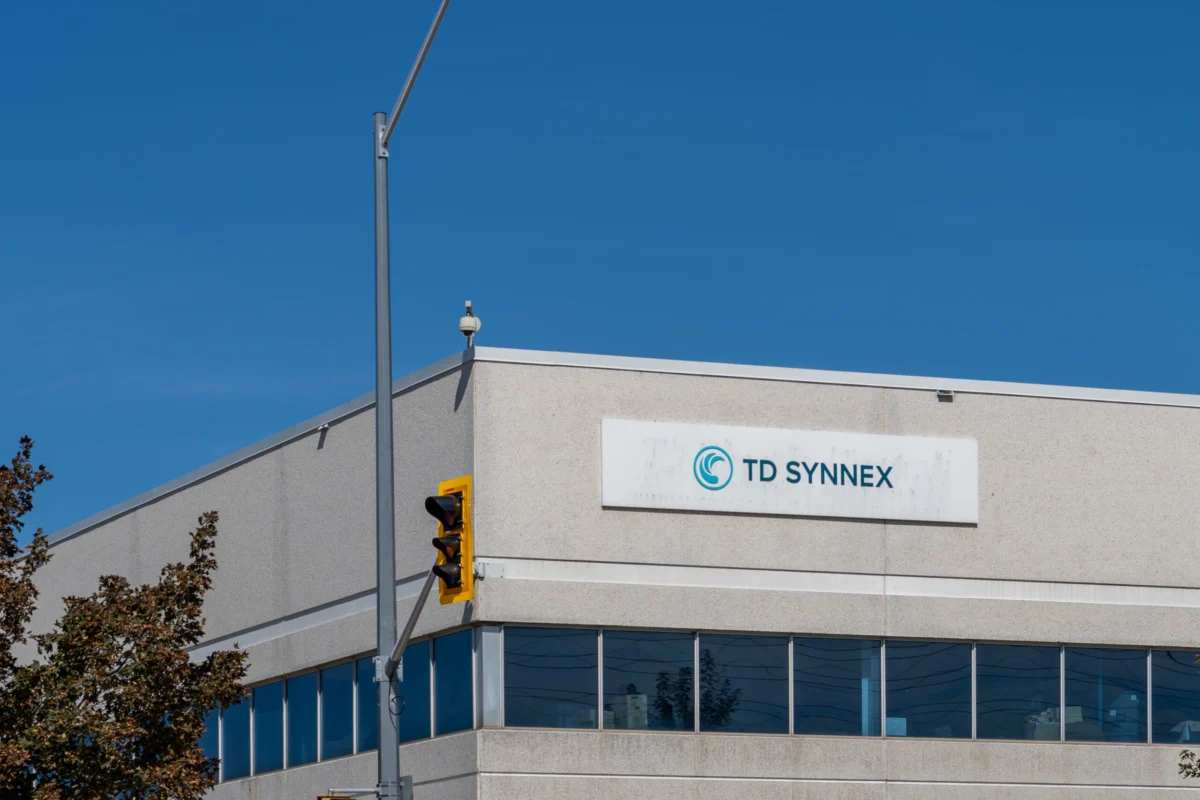
In a move that signals the ongoing consolidation within the global IT distribution landscape, TD Synnex—one of the world’s preeminent technology distributors—has announced a definitive agreement to acquire Clearwater, Florida-based BlueStar. This strategic acquisition represents a calculated effort by TD Synnex to absorb specialized domain expertise in Automatic Identification and Data Capture (AIDC) and adjacent hardware markets, potentially reshaping the competitive dynamics for thousands of resellers and technology vendors.
While the deal remains subject to customary regulatory approvals, the industry is already abuzz with questions regarding the future of the specialized ecosystem BlueStar has cultivated over decades. For now, both organizations continue to operate as independent entities, maintaining their existing business processes until the transaction officially closes.
The Core Facts: A Merger of Scale and Niche Expertise
TD Synnex, a giant in the global distribution ecosystem, provides a vast array of IT products, services, and solutions to over 150,000 customers worldwide. By acquiring BlueStar, TD Synnex is effectively purchasing a "specialty powerhouse." BlueStar has long served as a critical distributor for niche hardware, including barcode scanners, sophisticated point-of-sale (POS) systems, radio-frequency identification (RFID) technology, and emerging robotics solutions.
The primary objective for TD Synnex is clear: to integrate BlueStar’s high-touch, technical, and domain-specific expertise into its massive, globally optimized logistics and finance machine. For TD Synnex, this is not merely an acquisition of inventory; it is an acquisition of a specialized business model that serves as a gateway to high-growth, mission-critical retail and industrial sectors.
A Chronology of the Deal and Market Evolution
The acquisition comes at a time when the IT distribution market is facing intense pressure to provide both scale and speed. In recent years, the distribution sector has seen a series of mega-mergers—most notably the merger that created TD Synnex itself—driven by the need for enhanced digital transformation capabilities and broader supply chain resilience.
- Pre-Acquisition Era: BlueStar solidified its position as a go-to distributor for AIDC and POS providers, carving out a reputation for deep technical knowledge that larger, generalist distributors often lacked.
- The Announcement: The official disclosure of the definitive agreement was released to the public, emphasizing the "complementary" nature of the two companies’ portfolios.
- The Integration Phase: Currently, the two companies remain in a "business as usual" posture. The focus is on preparing for regulatory review, a process that will scrutinize potential impacts on market competition and vendor relationships.
- Future Integration: Post-closing, the industry expects a phased integration where BlueStar’s specialized teams will likely be embedded within the broader TD Synnex framework to provide the "differentiated support" mentioned by company leadership.
Supporting Data and Strategic Rationale
To understand why this acquisition is significant, one must look at the structural differences between the two entities. TD Synnex operates on a scale that few companies can replicate, moving massive volumes of standard IT hardware—laptops, servers, and cloud software. BlueStar, by contrast, operates with a high degree of "stickiness" with its partners.
According to market analysts, the "value-add" in distribution is shifting from simple logistics to technical consulting. By acquiring BlueStar, TD Synnex effectively "buys" the technical talent and the specialized relationships that would take years to develop organically. For TD Synnex, this is a defensive and offensive play: it prevents competitors from securing this niche expertise while simultaneously offering its existing customer base a more robust portfolio of specialized hardware.
Official Responses: The Leadership Perspective
The messaging from TD Synnex’s executive leadership highlights a vision of "global reach meeting local expertise."
"BlueStar has built an outstanding reputation through specialization, technical expertise and an unwavering commitment to its partners," said Reyna Thompson, president of North America for TD Synnex. Thompson emphasized that the synergy lies in combining BlueStar’s AIDC and RFID capabilities with the massive, global resource pool that TD Synnex manages.
Echoing this sentiment, Miriam Murphy, president of EMEA for TD Synnex, pointed to the human element of the deal. "In addition to BlueStar’s portfolio, the specialized knowledge and expertise within its team are central to the differentiated support and services it provides," she noted. Murphy believes the deal will unlock new opportunities for vendors, as they gain access to a much wider global footprint for their specialized technology products.
The Implications: A Mixed Bag for the Ecosystem
While the C-suite presents the acquisition as a "win-win," industry observers and advisors warn of potential friction for the smaller participants in the supply chain.
The "General Store" vs. "Specialty Shelf" Dilemma
Mike Danford, owner and chief revenue officer of marketing agency Adverio, characterizes the acquisition as the absorption of a "specialty shelf" into a "general store." This metaphor captures the fear that smaller, niche vendors—who previously enjoyed the undivided attention of BlueStar’s product managers—may soon become lost in the sheer volume of a company serving 150,000 customers.
For these smaller brands, the transition presents a paradox: they gain access to a massive distribution network, but they risk losing the "category buyer" who acted as an advocate for their specific technology. In the world of distribution, having a champion who deeply understands the nuances of a product can be the difference between growth and obsolescence.
The Perspective of Technology Advisers
Tom Cloud, founder of CIO Advisory, offers a more analytical take on the risks and rewards. Cloud, who works closely with private-equity investors and middle-market firms, notes that the impact of the acquisition will be felt most acutely in the relationship dynamics between distributors and resellers.
"Smaller providers often rely on distributor relationships for more than just fulfillment," Cloud explains. "They depend on product expertise, responsive support, credit flexibility, and people who understand a particular niche." If the integration process leads to the centralization of these services, the "personal touch" that defined BlueStar’s value proposition could be diluted.
Key Areas to Watch for Stakeholders
For businesses currently relying on BlueStar, industry experts recommend a period of heightened vigilance. As the acquisition moves toward completion, three critical factors will determine whether the deal is a success or a source of disruption:
- Credit and Purchasing Terms: Will the established, flexible credit lines that BlueStar offered to smaller VARs (Value-Added Resellers) be maintained, or will they be replaced by the more rigid, standardized policies of a global conglomerate?
- Specialized Support Continuity: Will the technical experts who provide pre-sales engineering and troubleshooting remain in their roles, or will they be reassigned, leaving partners without their primary technical support?
- Vendor Concentration Risk: As Cloud aptly notes, this acquisition serves as a wake-up call for companies to review their vendor concentration. If a business relies exclusively on one distributor for a critical product line, the "single point of failure" risk becomes more pronounced during a corporate integration.
Conclusion: Navigating the New Landscape
The TD Synnex acquisition of BlueStar is a definitive marker of the maturation of the IT distribution industry. It underscores the reality that in an era of global supply chain complexity, size and scale are increasingly necessary for long-term viability. However, the move also highlights the tension between the efficiency of scale and the effectiveness of specialized, high-touch relationships.
For the vendors and resellers who have built their businesses around BlueStar, the coming months will be a period of adjustment. While the promise of expanded market reach and improved logistical support is significant, the challenge will lie in ensuring that the specialized expertise that made BlueStar unique is not sacrificed at the altar of integration. As the industry watches this transition unfold, the ultimate metric of success will be whether TD Synnex can scale its newly acquired niche expertise without losing the very essence that made BlueStar a market leader in the first place.
For now, the advice to the channel is clear: prepare for change, monitor your vendor concentration, and begin early discussions with your distribution representatives to ensure that your specific business needs remain a priority in the new, larger organization.