As the wearable technology landscape continues to evolve at a blistering pace, Google is poised to bridge the gap between its entry-level fitness trackers and its high-end smartwatches. After months of speculation, leaked marketing materials, and industry chatter, Google has effectively confirmed the impending arrival of the "Fitbit Edge," a new fitness tracker that promises to redefine the mid-tier segment of the company’s health-tracking portfolio. With a formal reveal set for October 12, 2026, the device is already generating significant buzz as the latest effort by the tech giant to cement its dominance in the health and wellness space.
The Core Facts: What We Know About the Fitbit Edge
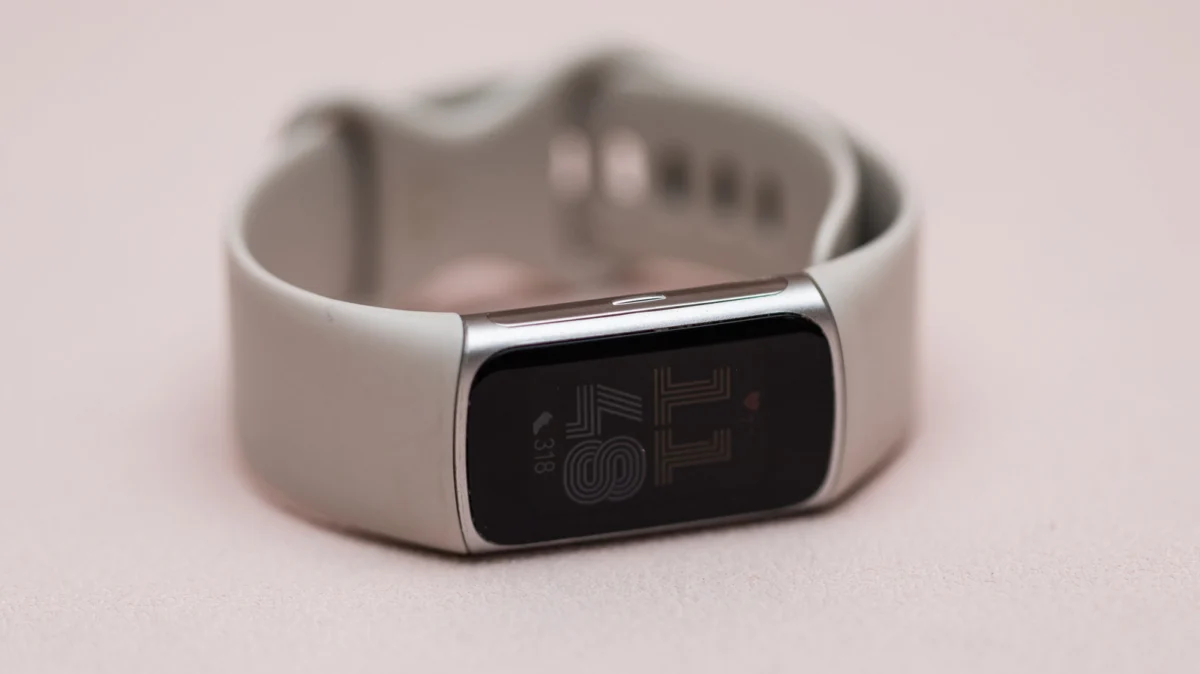
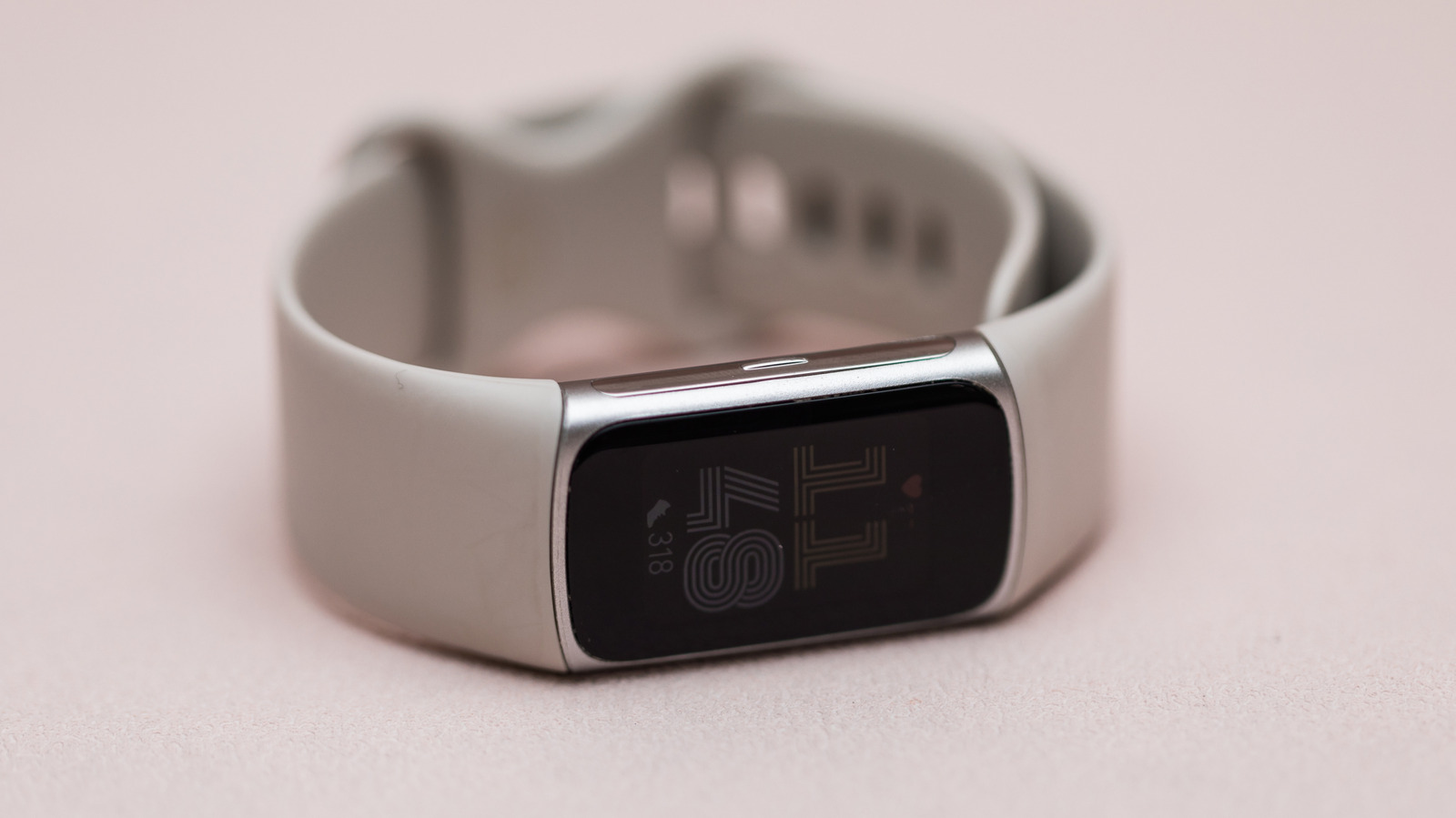
The confirmation came via a series of cryptic yet definitive posts across Google Health’s official social media channels, including Instagram and X (formerly Twitter). The posts featured a sleek, minimalist teaser image showcasing what appears to be a physical side button—a design hallmark that echoes the beloved Fitbit Charge 6—accompanied by the evocative tagline: "Get an Edge on your health. 10.12.26."
This confirmation serves as the culmination of a weeks-long leak cycle that has provided tech enthusiasts with a fairly comprehensive picture of what the device will offer. Positioned strategically, the Fitbit Edge is designed to sit comfortably between the screenless, minimalist Fitbit Air—released earlier this year—and the flagship Pixel Watch 5.
For the average consumer, this placement is critical. While the Fitbit Air caters to those seeking a low-profile, "invisible" health monitor, and the Pixel Watch 5 offers a full-blown, app-heavy smartwatch experience, the Fitbit Edge is aimed at the "pro-sumer" athlete: someone who wants a dedicated display for real-time fitness metrics without the bulk or the price tag of a full-featured smartwatch.
A Chronology of the Leak Cycle
The journey of the Fitbit Edge from concept to reality has been anything but quiet. The device’s path to the spotlight provides an interesting case study in modern tech leaks and the "drip-feed" marketing strategy often employed by major corporations.
- August 2026: The first whispers of the device emerged when eagle-eyed observers at 9to5Google identified an unknown fitness tracker appearing in promotional collateral for the Pixel 11 smartphone. At the time, the device lacked a formal name, but its distinct profile set off a flurry of speculation regarding a successor to the Charge series.
- Early October 2026: The dam finally broke when Android Headlines published a series of high-fidelity leaked images. These images not only revealed the aesthetic design of the Fitbit Edge but also offered a glimpse into the interface, showing built-in applications and a variety of health-tracking software suites.
- Mid-October 2026: The French publication Dealabs provided the most substantial technical breakdown to date, sourcing details regarding battery performance, pricing, and hardware capabilities.
- October 9, 2026: Google officially "acknowledged" the device through its social media channels, effectively confirming that the rumors were grounded in reality and setting the stage for the October 12 launch event.
Supporting Data: Technical Specifications and Market Positioning
According to the reports circulating from Dealabs and other industry insiders, the Fitbit Edge is shaping up to be a hardware powerhouse in the fitness tracker category.
Battery Performance
One of the primary pain points for any wearable user is battery longevity. The reports suggest that the Fitbit Edge is targeting a "best-of-both-worlds" scenario. Users can expect up to seven days of battery life when utilizing the device in a standard mode with the always-on display disabled. Should the user opt to keep the always-on display active, that figure is expected to drop to approximately two days. This is a competitive range that matches or exceeds many of its peers in the current market.
Pricing and Affordability
Financial analysis based on the European leaks suggests a retail price point of approximately €179. When adjusting for typical currency conversion and regional tax differences, industry experts anticipate a U.S. launch price in the neighborhood of $180. This puts it at a significant premium over the $99 Fitbit Air, but safely below the price of the Pixel Watch 5, providing a clear "step-up" path for customers within the Google ecosystem.
Feature Set
While the official spec sheet is still under wraps until the 12th, expectations are high for a robust suite of sensors. Given Google’s integration of the Fitbit brand, users should anticipate advanced heart-rate variability (HRV) tracking, SpO2 monitoring, and deep integration with the Google Health platform. The physical button hinted at in the teasers suggests a tactile interface for navigating menus, a feature that many users find more reliable during intense physical activities like swimming or high-intensity interval training (HIIT).
Official Responses and Corporate Strategy
Google has been characteristically tight-lipped regarding the specifics, but the company’s recent messaging indicates a pivot toward a more unified "Google Health" experience. By releasing a device that sits firmly in the middle of their lineup, Google is effectively closing the "feature gap" that previously allowed competitors like Garmin or Amazfit to capture the mid-market segment.
The strategy appears to be twofold:
- Ecosystem Lock-in: By offering a device at every price point, Google ensures that whether a user spends $100 or $400, they remain within the Google Health ecosystem.
- Subscription Synergy: The Fitbit Edge is heavily expected to serve as a gateway device for "Google Health Premium." The device’s hardware is designed to feed complex data into the software’s AI-driven coaching platform, making the subscription service feel like an essential component rather than an optional add-on.
Implications for the Wearables Market
The launch of the Fitbit Edge is not merely about a new piece of hardware; it is a signal of the maturation of the wearable market.
The Decline of the "Basic" Tracker
The market is shifting away from simple step counters toward sophisticated health diagnostic tools. The Fitbit Edge represents the expectation that even a mid-range device should provide actionable insights, such as stress management scores, sleep staging, and workout recovery metrics.
Pressure on Competitors
Companies like Garmin and Samsung, which have long dominated the mid-tier market, will be watching the Fitbit Edge launch closely. If Google can deliver on the promise of a seven-day battery life coupled with the deep software integration of the Google Health app, they could force a price war or a scramble for feature parity among smaller manufacturers.
The Future of "Health as a Service"
The most significant implication, however, lies in the convergence of AI and personal health. The Fitbit Edge is likely to be a testbed for new machine-learning features that interpret user data to provide more personalized health advice. As Google continues to refine its AI models, the "Edge" in the product name may eventually refer to the competitive advantage the software gives the user in managing their long-term health.
Conclusion: What to Watch for on October 12
As we approach the October 12 reveal, the tech community remains focused on three main questions: Will the Fitbit Edge feature a proprietary charging mechanism or move toward universal standards? How deep will the AI-driven health coaching go, and will it be gated behind a subscription wall? And finally, does the design, which echoes the Charge 6, indicate that this is the new "standard" for the future of Google’s fitness-focused wearables?
With the official unveiling just days away, the Fitbit Edge is already looking like a significant win for Google. By successfully bridging the gap between the minimalist Fitbit Air and the premium Pixel Watch 5, Google is positioning itself to capture the largest demographic of health-conscious consumers: those who want to track their progress, but don’t want to compromise on either style or substance. Whether the device lives up to the hype will be determined once it reaches the wrists of early adopters, but for now, the "Edge" appears to be exactly what the Google health portfolio needed.