The global digital economy has undergone a seismic shift. With ecommerce sales projected to soar beyond $5.5 trillion globally in 2022, the traditional model of building a standalone website and hoping for traffic is no longer the sole path to success. A new, more direct, and highly frictionless business model has emerged: Social Commerce.
By collapsing the distance between product discovery and the final checkout, social commerce is fundamentally altering consumer behavior. It is no longer just about scrolling through a feed; it is about turning the social experience into a point-of-sale terminal.
What is Social Commerce? A Paradigm Shift
At its core, social commerce is the process of buying and selling products or services directly within a social media platform. Unlike traditional ecommerce—which often requires a user to click a link, wait for a page to load, and navigate an external site—social commerce keeps the user within the ecosystem of their preferred app.

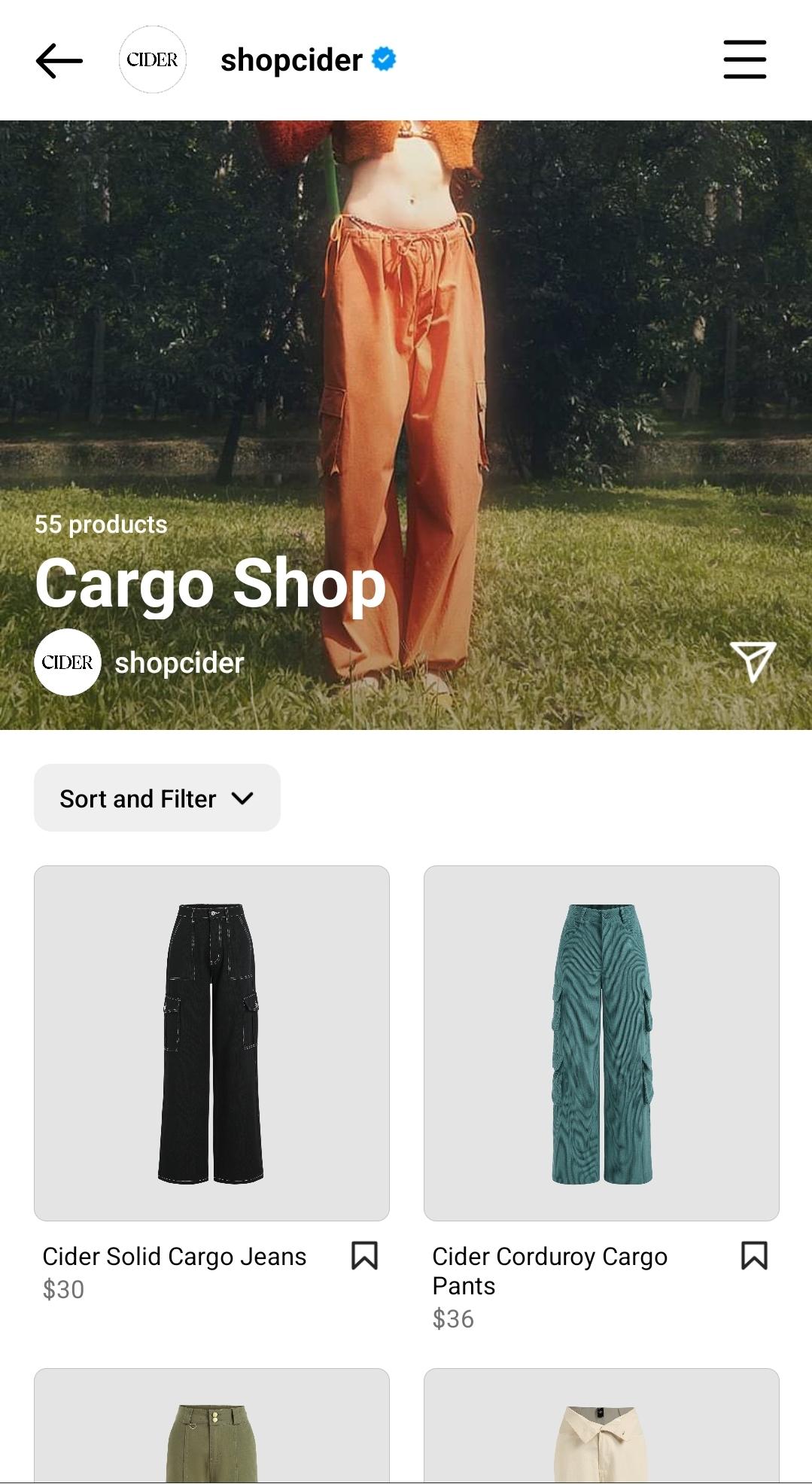
This model transforms social networks from mere digital billboards into immersive shopping malls. Whether it is a "Shop Now" button on an Instagram post or a seamless checkout flow within a TikTok video, the objective is to eliminate the friction that causes cart abandonment. By removing the need to switch applications or browsers, brands can capture impulse purchases in real-time.
Defining the Nuances: Social Commerce vs. Ecommerce vs. Social Selling
To navigate this landscape, it is essential to distinguish between three frequently conflated terms:
- Ecommerce: A broad term referring to the sale of goods via any online store, website, or branded app.
- Social Commerce: The subset of ecommerce where the entire transaction occurs within a social media platform.
- Social Selling: A lead-generation strategy. This is not about the immediate transaction; it is about building relationships, engaging with prospects, and fostering community to eventually drive sales later in the funnel.
Chronology: The Evolution of Social Shopping
The journey toward social commerce began with simple "Buy" buttons, but it has evolved into a sophisticated technological infrastructure.

- 2015: The Early Adoption: Pinterest introduced the first major push for social buying with "Buyable Pins," signaling a shift in intent. Platforms began testing the waters, though early versions were often just glorified redirects to external websites.
- 2018-2020: The Infrastructure Boom: As user adoption of mobile-first shopping grew, Meta (Facebook and Instagram) began aggressively rolling out integrated storefronts. This allowed businesses to curate catalogs directly on their profiles.
- 2021-Present: The Era of Immediacy: With the meteoric rise of short-form video, platforms like TikTok have redefined the shopping experience. Features like "TikTok Shop" have turned viral trends into immediate revenue, creating the #TikTokMadeMeBuyIt phenomenon.
Supporting Data: Why Brands are Pivoting
The numbers tell a compelling story. According to market research, the demographic most likely to drive this trend—Millennials and Gen Z—are heavily influenced by their social feeds.
A pivotal study from Statista found that 62% of people aged 18 to 34 have made a purchase directly influenced by social media content or influencer recommendations. This data point is the "why" behind the shift: brands are not just competing for screen time; they are competing for the "purchase moment."
Furthermore, the "frictionless" nature of these platforms significantly improves conversion rates. In a traditional ecommerce funnel, each click is a potential exit point. By shortening the path from discovery to checkout to two or three taps, social commerce reduces the psychological barrier to spending.
Strategic Implications: Why You Should Adopt Social Commerce
1. Interactive Shopping Experiences
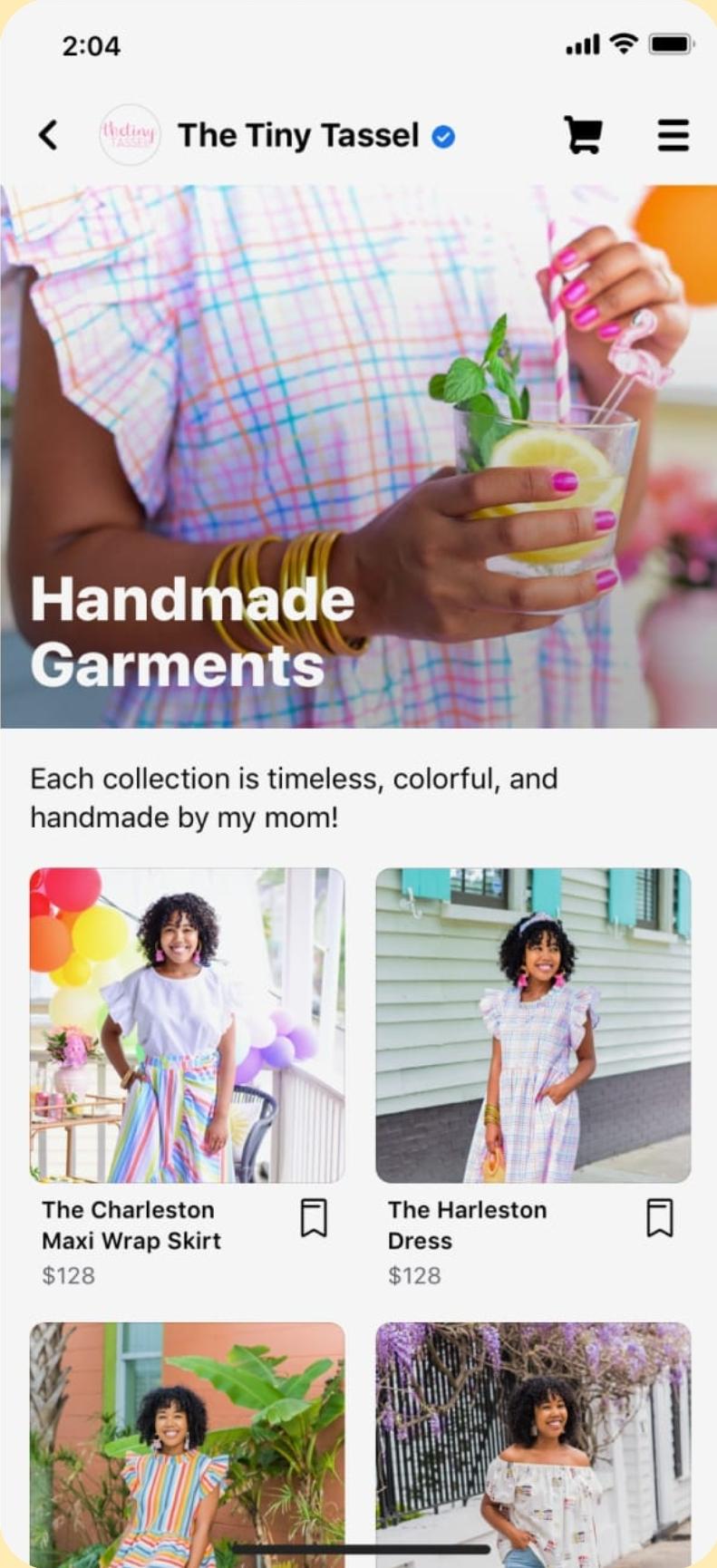
Social commerce mimics the physical mall experience. Users can comment, ask questions, and share items with friends before purchasing. This communal aspect adds a layer of trust that static websites often lack.
2. The Built-in Focus Group
Social commerce acts as a real-time, zero-cost market research tool. By observing which products garner the most engagement, likes, and comments, businesses can pivot their inventory and product development strategies based on live feedback.
3. Highly Targeted Advertising
Social platforms possess the most robust customer data sets in existence. By leveraging these algorithms, businesses can ensure their products are displayed to users who have already signaled a specific interest in that category, leading to higher ROAS (Return on Ad Spend).
The Landscape: Top Platforms for Social Commerce
Facebook: The Robust Storefront
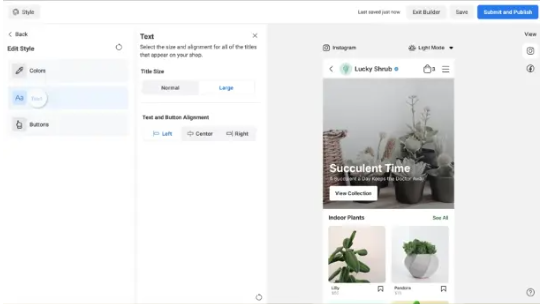
Facebook Shops remains the industry standard for businesses looking to establish a professional, highly customizable presence. It allows for the synchronization of existing product catalogs from platforms like Shopify, WooCommerce, or BigCommerce.
- Official Stance: Meta continues to position Facebook Shops as an all-in-one hub where brands can manage inventory, communicate via Messenger, and handle inquiries through AI-powered chatbots like Heyday.
Instagram: The Visual Marketplace
Instagram is arguably the most powerful platform for visual-heavy products. With integrated product tagging and the recent rollout of "Checkout in DMs," Instagram is moving toward a fully conversational commerce model.
TikTok: The Viral Catalyst
TikTok has proven that virality is a business strategy. The hashtag #TikTokMadeMeBuyIt, with over 7 billion views, demonstrates the power of social proof. While some regional markets have faced regulatory or logistical hurdles, the integration of "TikTok Shop" remains a blueprint for how future platforms will handle influencer-led sales.
Pinterest: The Intent Engine
While often functioning as a search engine, Pinterest’s integration of "Buyable Pins" (now Product Pins) targets the high-intent shopper. With 89% of users on the platform specifically to find purchase inspiration, it remains a critical channel for lifestyle and home-goods brands.
Essential Tactics for Success
The "Social" in Social Commerce
Many businesses fail by treating social media like an automated vending machine. The most successful brands use the platform to be "human." This means:
- Active Engagement: Responding to comments is not just PR; it is customer service.
- Social Listening: Utilizing tools like Hootsuite to monitor brand mentions and industry trends allows you to jump into conversations before they peak.
Automating the Customer Experience
One of the biggest pain points in scaling social commerce is the volume of inquiries. As a store grows, answering repetitive questions about sizing, shipping, and order tracking becomes a bottleneck.
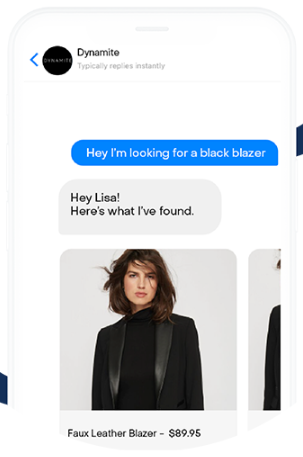
- The Role of AI: Conversational AI, such as Heyday, is becoming an industry standard. These tools handle the "heavy lifting" by answering up to 80% of customer inquiries in real-time, reserving human support for complex issues. This automation is crucial for maintaining the "instant" feel of social commerce.
The Power of Social Proof
Consumers do not trust brands; they trust other consumers. A 2021 study by Power Reviews indicated that 99.99% of online shoppers read reviews. To capitalize on this, brands must:
- Proactively ask for reviews post-purchase.
- Use User-Generated Content (UGC) as ad creative.
- Feature testimonials in carousels and during Live shopping sessions.
Conclusion: The Future is Integrated
The barrier between "scrolling" and "shopping" has effectively vanished. For the modern business owner, social commerce is no longer an optional add-on—it is a prerequisite for survival in a digital-first world.
By leveraging the data-rich environments of Facebook, Instagram, and TikTok, and by employing the right automation tools to manage the surge in customer interactions, businesses can create a streamlined, efficient, and highly profitable ecosystem. The era of the isolated website is fading; the era of the social-integrated marketplace has arrived.

As technology advances, we can expect the path to purchase to become even shorter, with voice commerce and augmented reality (AR) shopping likely to be the next major milestones in this evolving journey. For brands, the message is clear: Meet your customers where they are, engage them with value, and make the purchase as seamless as a click.