
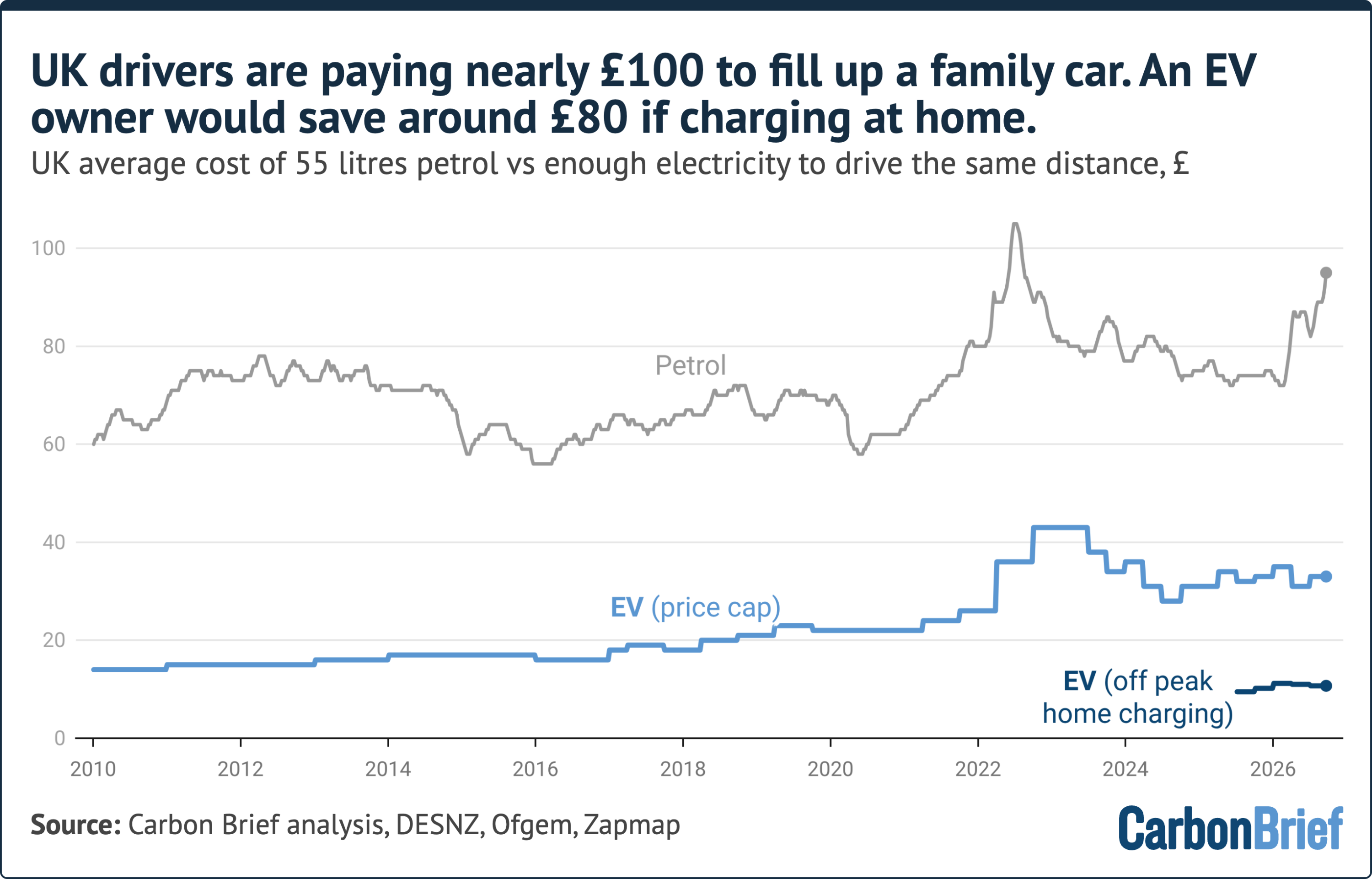
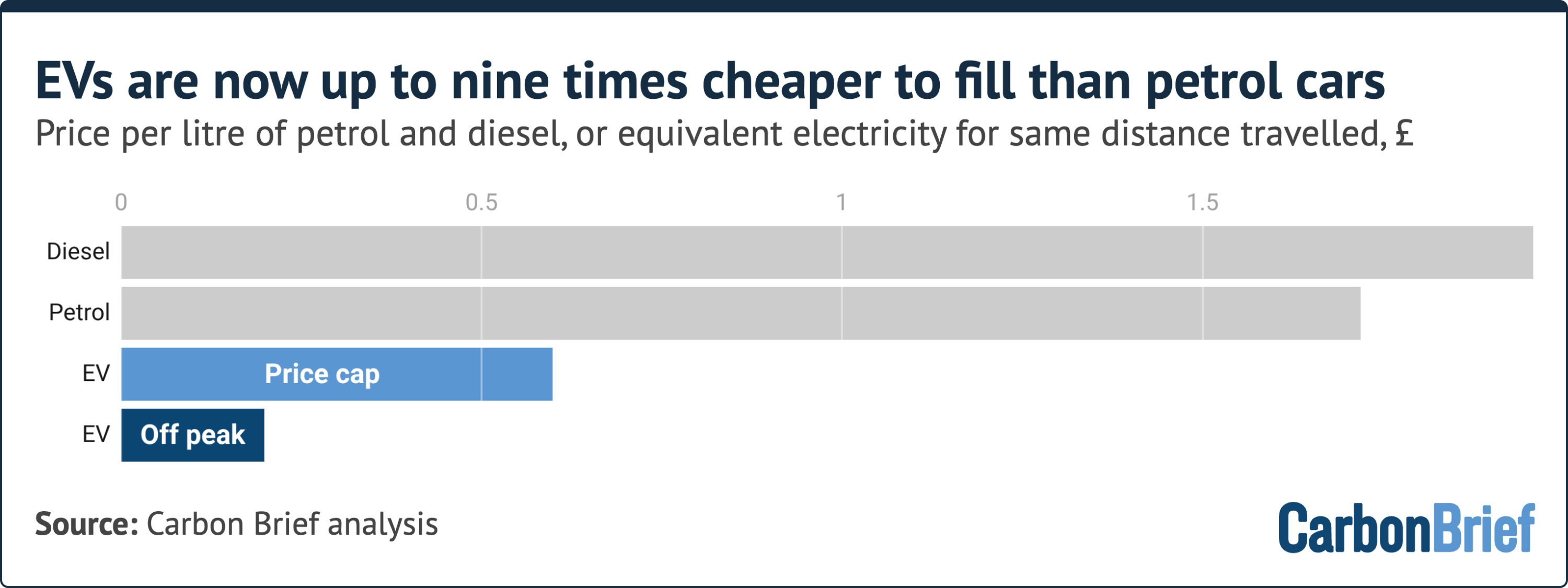
As geopolitical tensions flare from the Middle East to Eastern Europe, the UK finds itself in the grip of a volatile energy market. The resulting surge in global oil prices has sent shockwaves through the forecourts of British petrol stations, pushing costs for traditional internal combustion engine (ICE) vehicles to historic highs. However, new analysis from Carbon Brief reveals a stark economic divide: for the average British motorist, driving an electric vehicle (EV) is now up to nine times cheaper per mile than operating a petrol or diesel car.
This disparity is not merely a transient anomaly; it represents a fundamental shift in the cost of mobility, forcing a re-evaluation of the long-term viability of fossil-fuel-dependent transport as energy security becomes increasingly synonymous with economic stability.
The Main Facts: A Cost-Efficiency Chasm
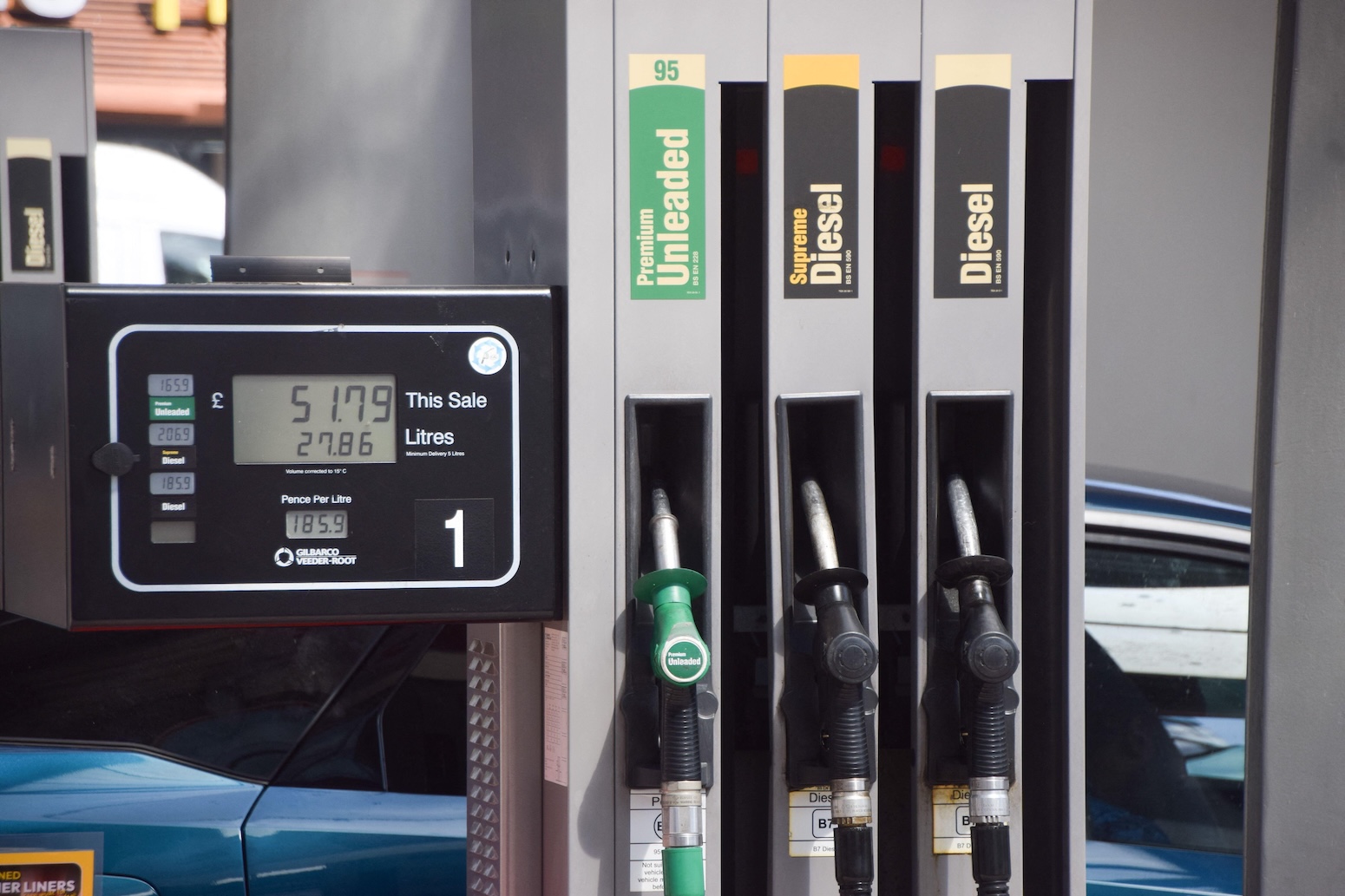
The current market landscape is defined by a massive gap in running costs. As of late 2026, the price of diesel in the UK has climbed by 38% since February, currently averaging £1.96 per litre. Petrol has followed a similar, albeit slightly less steep, trajectory, rising 31% to an average of £1.72 per litre. In some regions, prices have already flirted with the psychological barrier of £2 per litre.
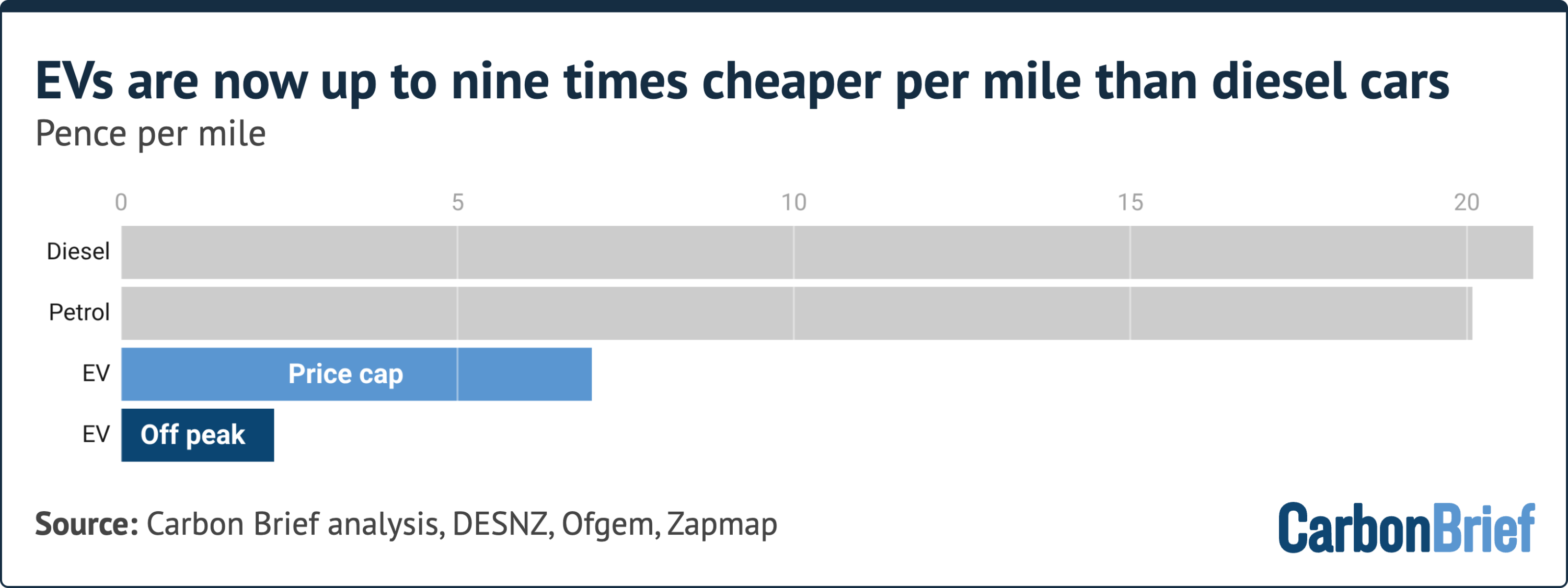
For a driver of a diesel car, the cost is now approximately 21p per mile, while a petrol car costs roughly 20.1p per mile. Conversely, an EV owner utilizing off-peak home charging tariffs can travel the same distance for just 2.3p per mile. Even those charging at the standard domestic price cap—the maximum rate permitted by regulator Ofgem—pay only about 7p per mile. This creates a financial incentive structure that is increasingly difficult for the average consumer to ignore, with the potential for annual fuel savings reaching £1,200 for typical drivers.
A Chronology of Crisis: How We Arrived Here
The roots of the current fuel crisis are deeply embedded in a series of international conflicts that have choked global oil supply chains.
- February 2026: The onset of hostilities involving the US and Iran marked the beginning of a sustained upward trend in energy prices. As regional instability grew, the initial shock to global markets began to trickle down to the pump.
- Summer 2026: The conflict between Yemen’s Houthis and Saudi Arabia intensified, leading to a massive 50% increase in crude oil prices since June, with barrels exceeding $100.
- September 15, 2026: Reports indicated that nearly half of Russia’s primary diesel-producing refineries were forced to cut output following persistent drone strikes. With Russia previously holding the title of the world’s second-largest diesel exporter, the global market suffered a critical supply contraction.
- September 20, 2026: A direct attack on the Kapotnya oil refinery in Moscow served as the latest catalyst, causing market analysts to project that average UK diesel prices will imminently breach the £2 per litre threshold.
Supporting Data: The Math of Mobility
The disparity in costs is underpinned by data from the Department of Energy Security and Net Zero (DESNZ) and industry trackers like Zapmap. The resilience of the EV sector against this volatility is largely due to the diverse energy mix used to generate the UK’s electricity, which is increasingly insulated from the immediate spikes in global oil markets.
The Impact of Energy Regulation
While electricity prices are subject to the Ofgem price cap, the structure of this cap offers a buffer that petrol and diesel do not. Although an increase is expected in October 2026, it is primarily driven by gas prices, with the unit rate for electricity seeing a nominal rise of less than 1%.
Looking ahead to January 2027, experts anticipate a 20% increase in electricity unit rates as higher wholesale costs filter through the system. Despite this, the relative cost of fueling an EV will remain significantly lower than the price of refined petroleum. Even with future price hikes, the inherent efficiency of electric drivetrains—which convert a far higher percentage of energy into motion compared to combustion engines—ensures that the "cost-per-mile" advantage persists.
The Home-Charging Advantage
A critical component of this economic narrative is the convenience of domestic charging. Data suggests that approximately 76% of all EV charging in the UK occurs at home, where 90% of drivers have the infrastructure to plug in. By leveraging off-peak tariffs, homeowners effectively decouple their transport costs from the high-street volatility of petrol prices, turning their domestic electricity supply into a private "filling station" that is significantly cheaper than any public alternative.
Official Responses and Strategic Shifts
The UK government is monitoring the situation with increasing concern regarding energy security. While the transition to EVs is a cornerstone of the nation’s Net Zero strategy, the fiscal implications of lost fuel duty are becoming a point of policy contention.
To offset the decline in revenue from traditional road fuels, the government has announced the introduction of a "pay-per-mile" tax on EVs, set to commence in April 2028. This levy is expected to add roughly 3p per mile to the cost of operating an electric vehicle. Despite this upcoming tax, the margin between fossil fuel costs and electricity costs remains so wide that electric vehicles will retain their status as the significantly more economical choice for the foreseeable future.
Implications: The Road Toward Adoption
Despite the clear economic advantages, the transition to electric mobility has been gradual. Currently, petrol-powered cars account for 55% of the UK’s vehicle stock. Battery electric vehicles (BEVs) represent only 6% of the 35 million cars on the road, with an additional 3% comprised of plug-in hybrids.
However, the market is shifting. The Society of Motor Manufacturers & Traders (SMMT) reports that 30% of new cars sold in August 2026 were battery EVs, a marked increase from 26.5% in August 2025. This adoption curve suggests that consumer behavior is increasingly being driven by economic survival as much as environmental consciousness.
Energy Independence and Future Outlook
The broader implications of this trend extend beyond individual household budgets. As the UK continues to invest in wind, solar, and other renewable sources, the country’s reliance on volatile global oil markets will continue to diminish. Analysis shows that during the recent Hormuz crisis, the integration of domestic wind and solar power saved the UK an estimated £5.9 billion in potential gas import costs.
As the automotive sector aligns with this shift, the "Great Divergence" in fuel costs serves as a powerful market signal. For the average motorist, the question of whether to transition to an EV is no longer just about carbon footprints or government mandates; it has become a question of basic financial prudence. In a world where geopolitical instability threatens the price of a gallon of fuel at every turn, the stability of the electrical grid and the inherent efficiency of the electric motor offer a rare form of economic shelter.

Conclusion: A Shift in Value
The data presented in recent weeks paints a clear picture: the era of cheap, reliable fossil-fuel transport is under unprecedented pressure. While the upfront cost of electric vehicles remains a barrier for some, the total cost of ownership—driven by the widening gap in per-mile running costs—is creating a compelling economic argument that is becoming impossible for the average driver to ignore.
As we look toward 2027 and beyond, the ongoing energy crisis will likely accelerate the transition to electric vehicles, not merely as a policy choice, but as a necessary adaptation to a changing global economic reality. The UK’s path to a greener transport sector is increasingly being paved with the cold, hard logic of household savings, positioning the electric vehicle as the most effective tool for families to insulate themselves from the tremors of a global energy market in turmoil.