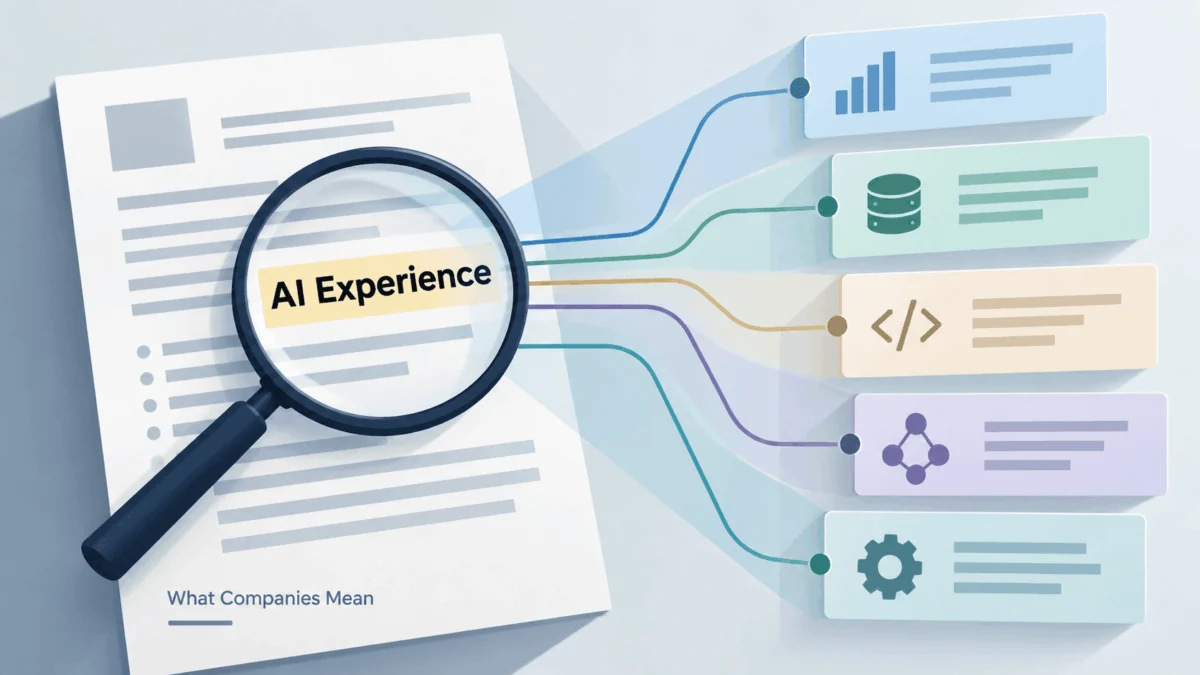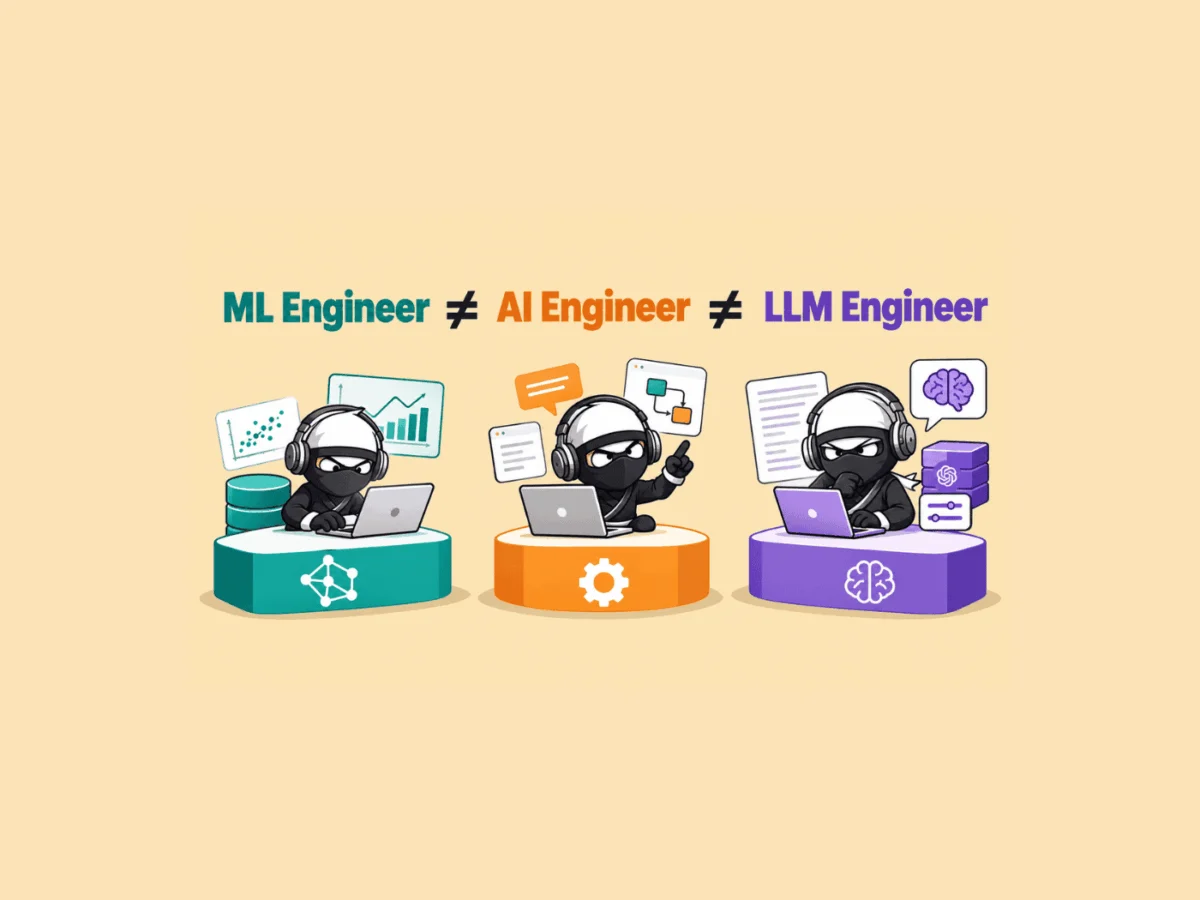
In the rapidly evolving landscape of modern technology, the job market has entered a period of linguistic instability. If you were to open three separate job boards today and search for "AI," you would likely encounter a trifecta of titles: Machine Learning (ML) Engineer, AI Engineer, and LLM (Large Language Model) Engineer.
At a cursory glance, the job descriptions appear interchangeable. Each listing demands a proficiency in Python, a familiarity with API keys, a mention of retrieval mechanisms, and a commitment to "production reliability." Yet, a closer inspection reveals a chaotic reality: one firm expects expertise in LangChain, another prioritizes fine-tuning with LoRA, and a third focuses exclusively on API integration and evaluation code. The title has become a poor proxy for the actual labor, leading to a disconnect that has left candidates confused and hiring managers frustrated.
The Hierarchy of AI Roles: Defined by Output
To understand the current confusion, one must look past the buzzwords and examine the actual deliverables. What is it that a professional in these roles actually ships?
The Machine Learning Engineer: The Architect of Data
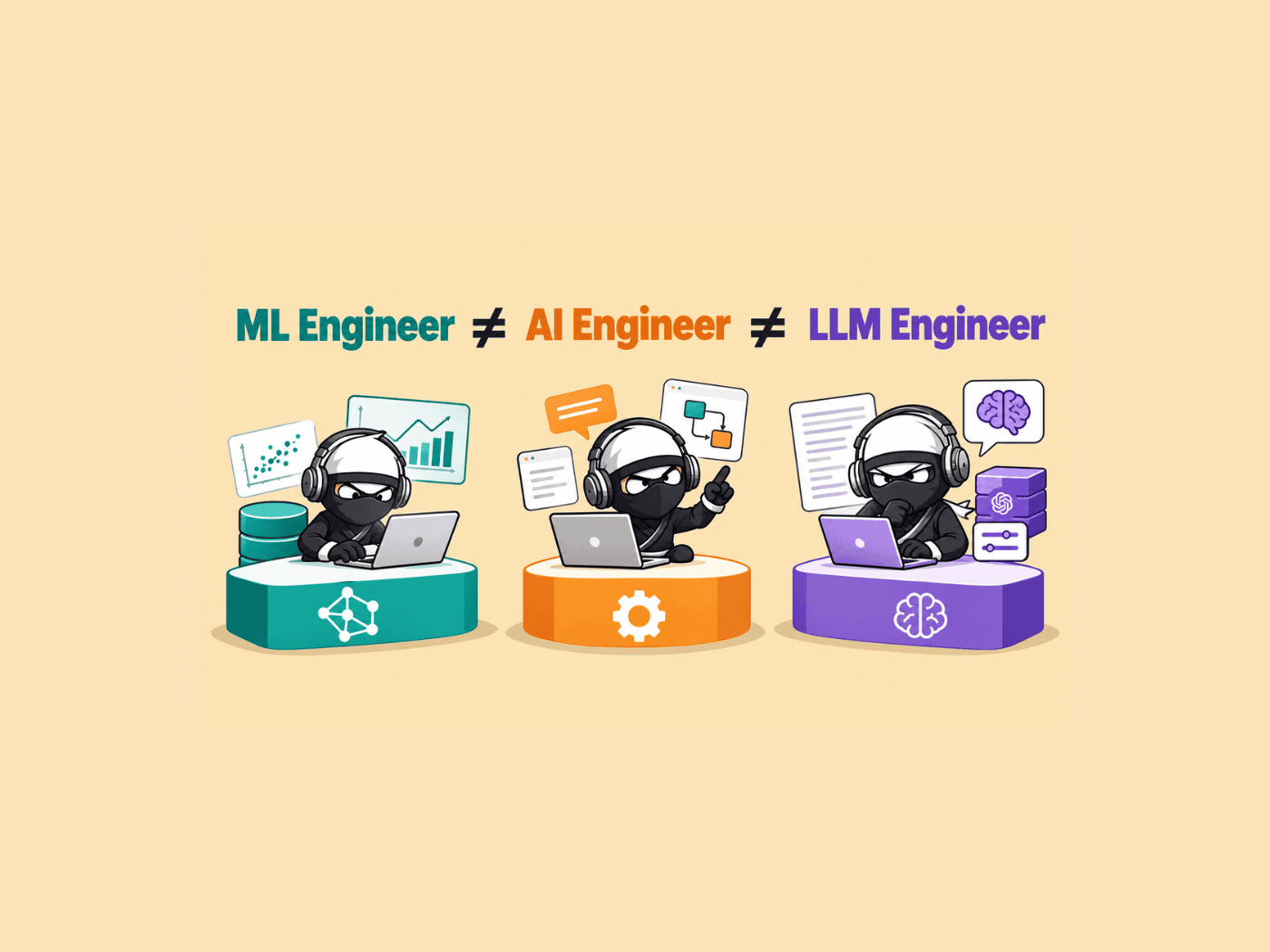
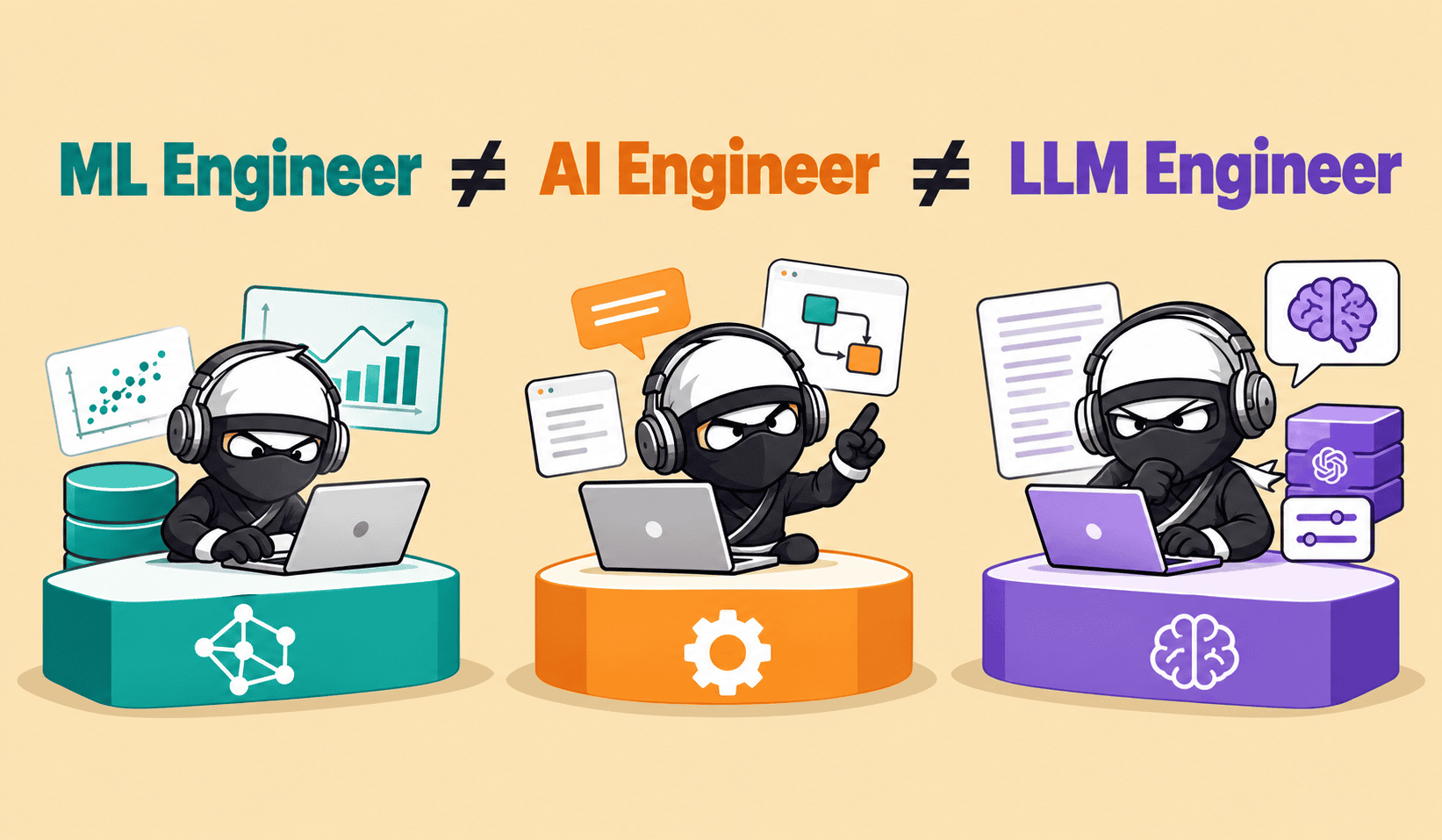
A Machine Learning Engineer is essentially the bridge between research and utility. While a data scientist explores data and prototypes an approach, the ML engineer takes that validated concept and transforms it into a robust, scalable product. Their primary objective is to build and train models from scratch, ensuring they perform reliably when confronted with new, unseen data. Their daily workflow is dominated by data pipeline management, feature engineering, and rigorous validation against metrics like RMSE or confusion matrices.
The AI Engineer: The Integration Specialist
The AI Engineer operates one step further down the value chain. They rarely build models from scratch; instead, they act as integrators. By leveraging pre-trained models accessed via APIs, the AI Engineer focuses on the application layer. Their work involves embedding these models into functional products, such as intelligent internal search tools, automated customer support systems, or complex agents capable of executing multi-step workflows. They are the plumbers and electricians of the AI ecosystem, connecting disparate, high-powered intelligence to the end user.
The LLM Engineer: The Specialized Craftsman
The LLM Engineer is a specialized subset of the broader AI Engineering role. Their scope is narrowed specifically to large language models. The distinguishing factor here is the responsibility of fine-tuning—the process of adjusting a pre-trained model’s internal weights to suit a specific domain. While an AI Engineer might focus on prompt engineering and RAG (Retrieval-Augmented Generation), an LLM Engineer is tasked with deep model optimization. Crucially, a seasoned LLM engineer knows that fine-tuning is often the last resort, preferring better retrieval strategies or optimized prompting before committing to the computational expense of model adjustment.
A Chronology of Confusion: From Data Science to GenAI
The current ambiguity is a byproduct of rapid historical evolution. Machine Learning Engineering emerged as a distinct discipline only once the act of "deploying models" became a full-time, complex job separated from the exploratory nature of data science.
The industry operated with this relatively stable definition for nearly a decade. However, the 2022 arrival of generative AI and the subsequent "LLM boom" created a massive vacuum in the talent market. Companies rushed to hire, creating new titles—GenAI Engineer, Prompt Engineer, RAG Engineer—to capture the excitement of the new wave. Because the field matured so quickly, formal definitions failed to keep pace, leaving the market in a state of "naming chaos" where salary bands and job descriptions vary wildly between organizations.
Supporting Data: The Impact on Career Trajectories
The misalignment between titles and responsibilities carries significant implications for career development. An engineer chasing the "AI Engineer" title because it appears to have the highest growth velocity may find themselves trapped in a role that involves little more than writing scripts to call an API. Conversely, someone who expects "Machine Learning Engineer" to mean "building new neural architectures" might find themselves spending 90% of their time cleaning dirty data pipelines.

Data from the field suggests that the complexity of the role is often dictated by company size rather than the title itself. In a lean startup, an engineer might wear all three hats, training models in the morning and building UI integrations in the afternoon. Conversely, in a tech giant like Google or Meta, these roles are hyper-compartmentalized into specialized teams—applied product engineers, infrastructure experts, and research-focused ML engineers—each with distinct performance metrics and career ladders.
Implications for Hiring and Talent Acquisition
For recruiters and hiring managers, the lack of standardization is a double-edged sword. While it allows for flexibility, it also leads to high turnover when the candidate’s expectations of "AI work" clash with the realities of the company’s infrastructure.
What Actually Matters
When evaluating a role, the title is almost irrelevant compared to the technical stack and the ownership model. Candidates should be asking:

- The 90-Day Deliverable: What will I be expected to ship in my first three months?
- The Operational Burden: Will I be training models from scratch, or am I building interfaces for existing ones?
- The Core Problem: Am I solving data quality issues, or am I solving UX/UI integration challenges?
How to Prepare: The Universal Foundation
Despite the variance in titles, the interview process across all three disciplines remains remarkably consistent. Regardless of whether the offer letter says "AI Engineer" or "ML Engineer," the foundational requirements are universal:
- SQL and Data Literacy: The ability to query, clean, and shape data remains the primary gatekeeper for all AI-related roles.
- Problem Framing: The most valued skill is not memorizing an algorithm but the ability to translate a business problem into a technical framework, identifying potential pitfalls like data leakage or latency issues.
- Communication: Explaining the trade-offs between a RAG system and a fine-tuned model is often more important during an interview than knowing how to implement a specific optimizer.
Conclusion: Looking Past the Label
As the AI industry continues to mature, we may eventually see a formal standardization of these roles. Until then, the onus is on the professional to act as a detective. Do not let the prestige of a title dictate your career trajectory. If you are an aspiring AI professional, treat the job description as a technical specification, not a marketing document.
The core of the work—the engineering, the debugging, the data architecture, and the relentless pursuit of reliability—remains the same across all three titles. By focusing on the work rather than the title, you ensure that you are building a career based on genuine skill acquisition rather than the fleeting trends of a rapidly changing job market. Remember: you are not being hired to be a "title"; you are being hired to solve problems. Ensure that the problems described in the posting are the ones you actually want to solve for the next several years of your life.