As the fourth quarter of 2026 begins, the global landscape is defined by a volatile intersection of energy brinkmanship, civil instability in Europe, and a deepening public health emergency in Central Africa. From the corridors of power in Washington and Brussels to the streets of Paris and the treatment centers of the Democratic Republic of the Congo (DRC), the international community is struggling to manage a series of crises that threaten to undermine both economic stability and social cohesion.
I. The Global Energy Crisis: A Coordinated Response
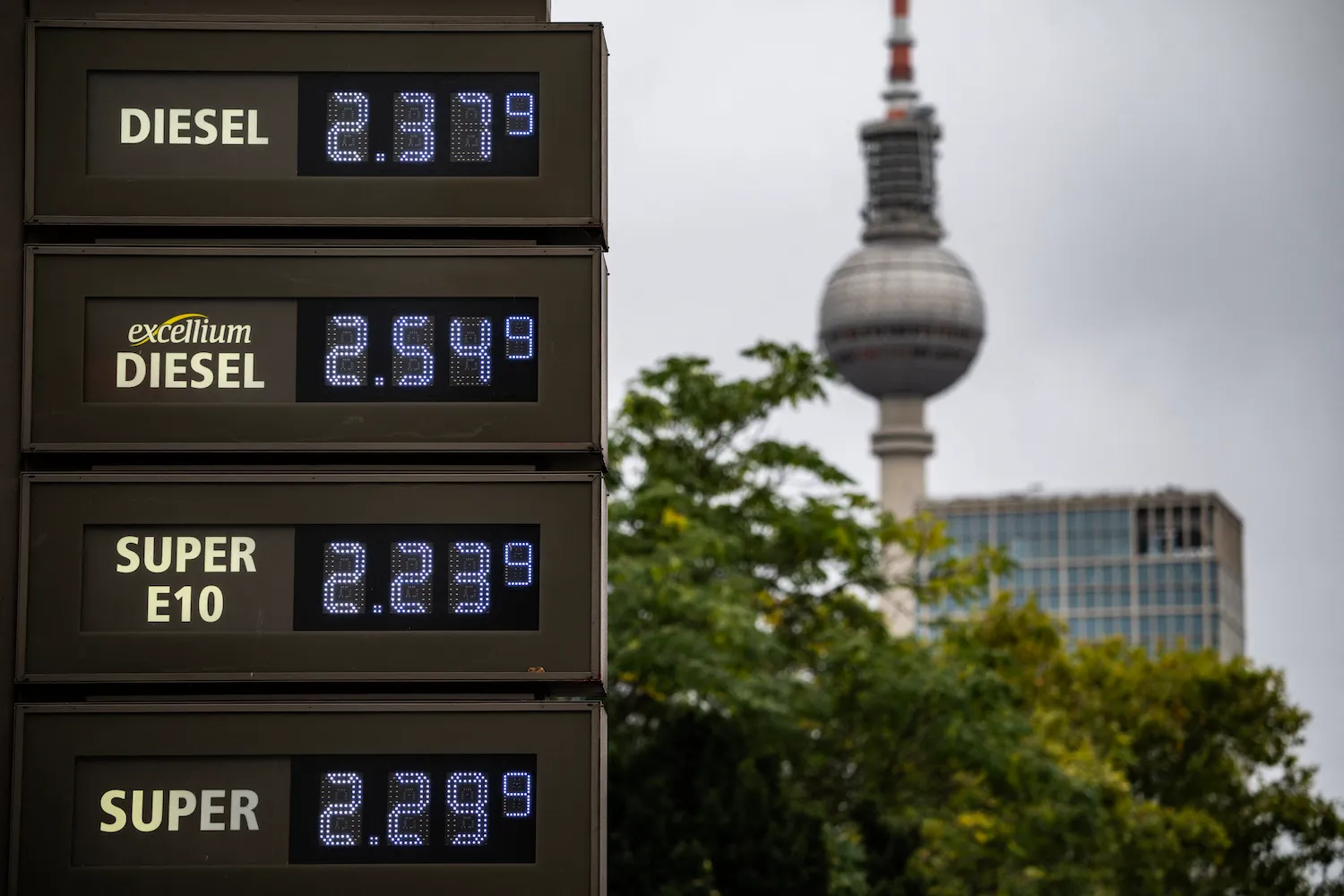
In a bid to stem the tide of runaway fuel costs, a coalition of the world’s wealthiest nations announced on Friday a massive, coordinated release of 100 million barrels of diesel and crude oil from strategic reserves. This emergency measure, slated to be executed over the next four months, is designed to serve as a vital shock absorber for a global economy struggling under the weight of high energy prices.
Chronology of the Intervention
The decision follows weeks of intense diplomatic maneuvering. By mid-September, the International Energy Agency (IEA) began signaling that European reserves were nearing precarious levels as the continent braced for a difficult winter. The U.S. administration, led by President Donald Trump, escalated the pressure in early October, reportedly threatening to impose an outright ban on U.S. diesel exports to Europe if key allies—most notably France and Germany—did not commit to drawing down their own national stockpiles.
With Europe dependent on approximately 1.5 million barrels of imported diesel daily, the U.S. ultimatum left little room for negotiation. By Friday, the G-7—comprising Canada, France, Germany, Italy, Japan, the United Kingdom, and the United States—formally agreed to the release, with a specific focus on "frontloading" a substantial portion of diesel within the next 20 days.
Implications for the U.S. Midterms
For the White House, the timing is deeply political. President Trump faces significant domestic headwinds, with recent polling from the Associated Press indicating that only 17 percent of U.S. adults approve of his administration’s handling of the cost-of-living crisis. With gasoline prices hovering above $4 per gallon and diesel exceeding $6, the administration is desperate to project control over the energy market ahead of the critical November midterm elections.
"Prices are way down from what Biden and the Democrats left us," President Trump remarked on his social media platform, Truth Social. "It’s why I won the election, and now prices are coming down, rapidly." Despite the rhetoric, the effectiveness of the 100-million-barrel release remains a point of contention among energy analysts, who warn that global demand may quickly outpace the supply injection.
II. France in Turmoil: Student Protests and Political Polarization
While European leaders negotiate oil reserves, France is grappling with an acute domestic crisis. Violent student protests have erupted across the country, fueled by long-standing grievances over education funding, staffing shortages, and the deteriorating state of public school infrastructure.
The Spark of Unrest
The demonstrations, which intensified following the unveiling of the government’s 2027 budget proposal, have resulted in the closure of approximately 400 high schools. Protesters argue that while education is a pillar of the French Republic, the government’s shift in priorities—prioritizing debt-servicing costs over the classroom—is a betrayal of the next generation.
The statistics of the unrest are sobering:
- Arrests: Nearly 3,000 individuals have been detained by law enforcement.
- Casualties: Over 400 police officers and 230 students or school employees have sustained injuries.
- Scope: Fires have been reported near several school sites, signaling a dangerous escalation in tactics.
Official Responses and Blame
The French government has adopted a hardline stance. Prime Minister Sébastien Lecornu has publicly accused the far-left France Unbowed party of "fomenting domestic unrest" to gain political leverage ahead of next year’s general election. "The duty of a republic’s elected official is to protect young people and call for calm," Lecornu stated on social media. "Exploiting their anger for partisan purposes is a fault."
France Unbowed has categorically denied these allegations, characterizing the government’s narrative as an attempt to distract from the legitimate anger of students and the systemic failure of the state to maintain public services.
III. Health Crisis: The DRC’s Ebola Milestone
While the West debates fuel prices, the Democratic Republic of the Congo has reached a devastating threshold: the death toll from the current Ebola outbreak has surpassed 4,000. This makes it the second-deadliest outbreak in history, trailing only the 2014-2016 West African epidemic.
Supporting Data and Challenges
Congolese health officials have confirmed approximately 8,300 cases since the outbreak was declared on May 15. The crisis is compounded by the absence of a known vaccine or effective treatment for the specific Bundibugyo strain of the virus currently in circulation.
The logistical nightmare of containment was highlighted this week when a primary patient transit center in the Ituri province was destroyed by fire. Julien Harneis, a senior Ebola coordinator for the United Nations, emphasized the catastrophic impact of such losses. "It’s been a huge struggle to create Ebola transit and treatment centers," Harneis told U.N. News. "When we lose a center, we lose capacity, we lose investment, and we have to start again."
IV. Global Elections: A Weekend of Political Transformation
The coming days will prove decisive for three nations currently at the center of international attention:
Latvia
Parliamentary elections on Saturday are expected to serve as a litmus test for Europe’s pro-Ukraine stance. Incumbent Prime Minister Andris Kulbergs is favored to remain in power, bolstered by voters’ desire for stability in the face of what are described as "Russian hybrid attacks" on NATO Baltic members. Despite the rise of the populist Latvia First party, which maintains ties to Russian oligarchs, analysts expect the centrist United List to retain its coalition.
Brazil
On Sunday, Brazil holds the first round of a general election that has gripped the world. The contest pits the incumbent left-wing President Luiz Inácio Lula da Silva against Senator Flávio Bolsonaro, the son of the convicted former President Jair Bolsonaro. The election represents a stark choice between two visions: Lula’s focus on social welfare and trade diversification, and the younger Bolsonaro’s platform of privatization and strict alignment with the United States. If no candidate secures more than 50 percent of the vote, a runoff is scheduled for October 25.
Bosnia and Herzegovina
Ethnic tensions threaten to overshadow Sunday’s general election in Bosnia and Herzegovina. Despite being an EU candidate, the country remains deadlocked, having failed to implement any of the 113 required reforms for accession. With youth emigration at record highs and unemployment hovering around 11 percent, the election is viewed by many as a last-ditch effort to stave off further geopolitical drift.
V. Implications and Outlook
The common thread running through these disparate events is the challenge of institutional resilience. Whether it is the G-7 attempting to override market volatility, the French Republic struggling to maintain order in its schools, or the Congolese authorities battling a viral contagion, the current global order is under immense pressure.
The move toward AI-driven economies further complicates these issues. Recent reports indicate that China has surged past the 50 percent mark in generative AI adoption in the first half of 2026, a trend that underscores the growing technological divergence between the world’s major powers. As countries like Latvia and Brazil head to the polls, and as the U.S. navigates its midterms, the overarching theme is clear: the ability of governments to address the basic material needs of their citizens—be it energy, security, or health—is the primary metric by which they will be judged in the coming years.
In the midst of these heavy geopolitical developments, a brief moment of levity occurred in South Korea, where Estonian athlete Jaan Roose completed a historic slackline walk 400 feet above Seoul. It serves as a reminder that even in an era of crises, human endeavor continues to push boundaries, even if the ground beneath our feet feels increasingly unstable.