LUXEMBOURG – The European Union has signaled a deepening fracture in the transatlantic alliance following the surprise announcement of a "diesel-for-cooperation" deal between United States President Donald Trump and Russian President Vladimir Putin. Despite Washington’s decision to issue a broad sanctions waiver for Russian energy exports, European foreign ministers gathering in Luxembourg on Monday reaffirmed their commitment to a policy of maximum economic isolation against Moscow.
The diplomatic standoff marks a pivotal moment in the ongoing war in Ukraine, highlighting a widening strategic gap between the White House’s transactional approach to global energy markets and the European Union’s insistence on a long-term strategy of strangling Russia’s war machine.
The Anatomy of the Diesel Deal
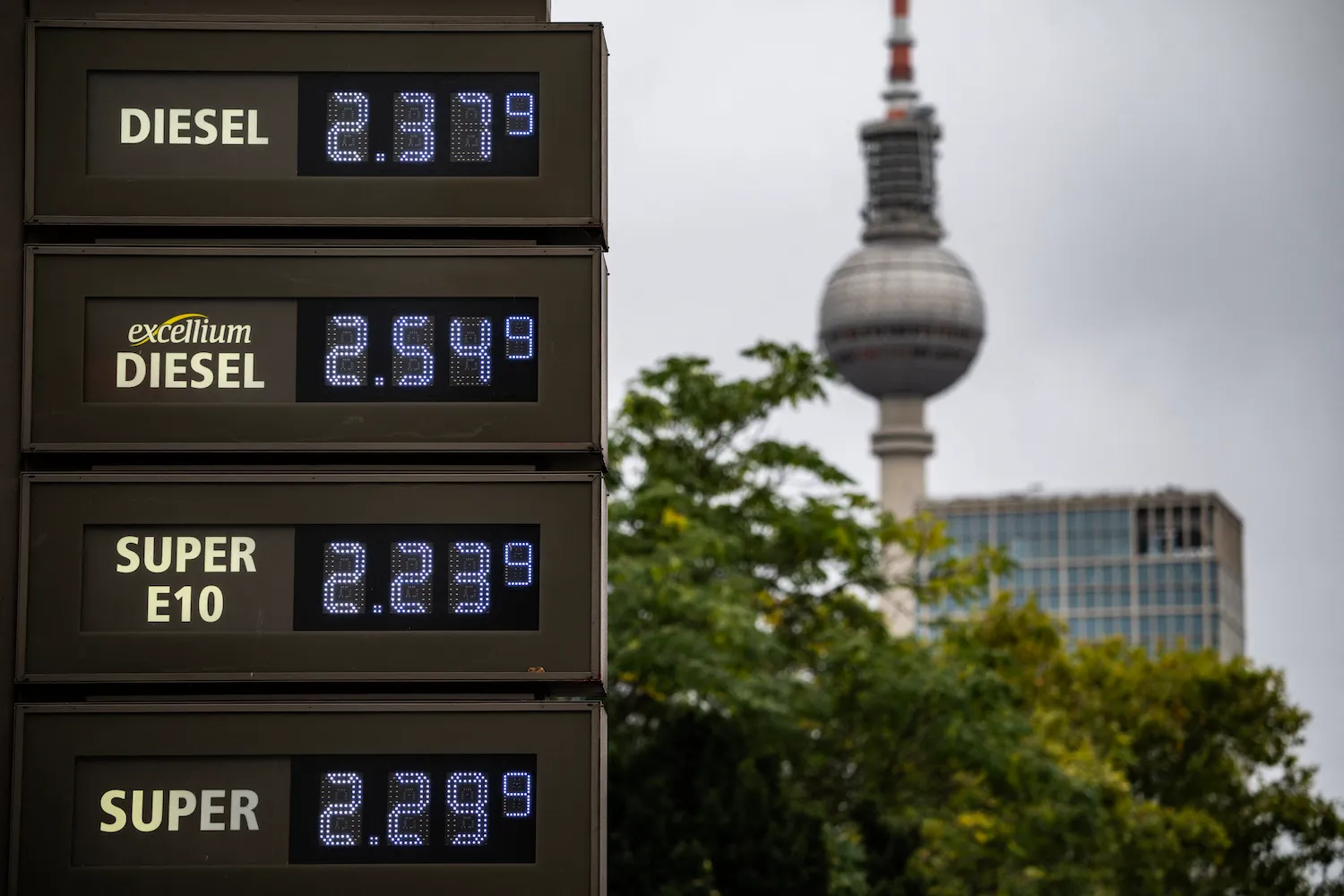
The agreement, unveiled by President Trump via social media over the weekend, aims to stabilize volatile fuel prices in the United States and global markets—an issue that has become a lightning rod for criticism ahead of critical U.S. midterm elections.
Under the terms of the arrangement, Moscow has pledged to release an immediate 300,000 tonnes of diesel to international markets. This is slated to be followed by an additional 500,000 tonnes in November, with a further one million tonnes earmarked for subsequent months. To ensure the smooth transit of these supplies, the U.S. Treasury has issued a sweeping sanctions waiver, effectively shielding Russian diesel transactions from punitive measures until April 2027.
The deal acts as a corollary to a broader "energy ceasefire" proposed by President Trump on Sunday. This truce seeks to halt the tit-for-tat strikes on oil refineries that have characterized the energy war between Moscow and Kyiv. However, analysts and European officials point out a stark asymmetry: while Russia maintains 32 major oil refineries, Ukraine possesses only one. By freezing strikes on energy infrastructure, the deal effectively shields Russia’s primary source of war funding while stripping Ukraine of one of its most effective asymmetrical weapons.
Chronology of the Diplomatic Shift
The tension has been building for weeks, as the U.S. administration struggled to mitigate the domestic political fallout from rising fuel costs—a crisis partly attributed to the White House’s escalating tensions with Iran.
- Late September 2026: Reports emerge of back-channel communications between the Trump administration and the Kremlin regarding energy stabilization.
- October 11, 2026: President Trump officially announces an "energy ceasefire" between Russia and Ukraine, claiming a breakthrough in cooling regional tensions.
- October 12, 2026: Global markets react positively to the news; oil prices plummet as investors bet on increased supply, providing a temporary political boost to the U.S. administration.
- October 13, 2026: European foreign ministers convene in Luxembourg. The primary agenda item shifts from regional development to the potential collapse of the unified sanctions front.
- October 14, 2026: The European Union formally adopts its largest-ever sanctions package, targeting over 1,600 individuals and entities, signaling a direct challenge to the U.S. waiver policy.
The EU’s "Max Pressure" Doctrine: A Data-Driven Response
While the U.S. pivots toward pragmatism, the European Union is digging in. The bloc’s foreign ministers argue that the only viable path to ending the conflict is to increase the cost of the war for the Kremlin.
The New Sanctions Package
The EU’s latest move is not merely symbolic. By targeting over 1,600 entities, the bloc is tightening the net around Russia’s ballistic missile supply chain. This move is specifically designed to curb Moscow’s ability to replenish its long-range munitions stocks, which have been used to pummel Ukrainian civilian infrastructure.
The Utilization of Immobilized Assets
Swedish Foreign Minister Maria Malmer Stenergard has emerged as a vocal proponent of a more aggressive fiscal strategy. She is spearheading a renewed push to leverage the approximately $210 billion in immobilized Russian central bank assets. The logic is clear: if Russia is allowed to export fuel via U.S. waivers, Europe must compensate by accelerating the transfer of frozen capital to bolster Ukraine’s military and fiscal resilience.
The Graham Bill Stagnation
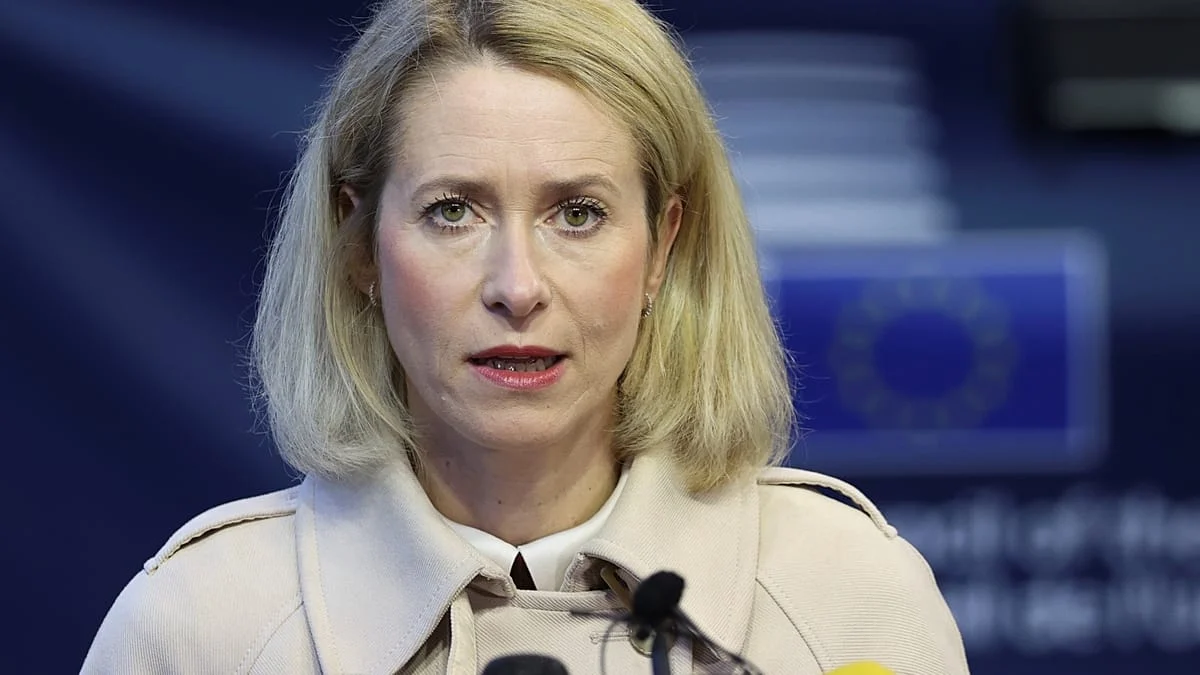
High Representative Kaja Kallas has repeatedly urged the White House to enact the legislative framework proposed by the late Senator Lindsey Graham. The bill, which envisions far-reaching, structural tariffs on the Russian economy, remains trapped in a state of presidential discretion. For the EU, this represents a missed opportunity to cement a permanent economic blockade against the Russian state.
Official Responses and Diplomatic Friction
The atmosphere in Luxembourg was described by attendees as "tense" and "starkly divided."
"The US is our biggest ally, but our message is clear: if we want to end this war, the only way we can do this is by putting more pressure on Russia," High Representative Kaja Kallas told reporters. Her comments reflect a growing frustration that European security interests are being subordinated to U.S. domestic electoral cycles.
Irish Foreign Minister Helen McEntee emphasized the need for continuity. "Our priority has to be to maintain that pressure, but also to maintain our channels with the US, because this is not going to be achievable without the support of the US," she noted, highlighting the delicate balancing act required to keep the transatlantic alliance functional despite fundamental disagreements.
Lithuanian Foreign Minister Kęstutis Budrys was perhaps the most blunt, characterizing the deal as fundamentally un-European. "It doesn’t help—neither the prices of the oil products nor the unity within the transatlantic community," he said. "Our way is to increase pressure because we already see how it works. We are not done here because for Europe, this is the vital interest: to help Ukraine sustain this winter."
Implications: A Winter of Uncertainty
The repercussions of this rift are likely to be felt across three primary domains:
1. The Energy Market Paradox
The deal risks creating a two-tier energy market. If the U.S. buys Russian diesel while the EU refuses, the global price of energy may stabilize, but the market will become increasingly bifurcated. This could lead to a scenario where Russian fuel is "laundered" through third-party nations, complicating enforcement and potentially undermining the efficacy of EU sanctions.
2. The Future of the Ukrainian War Effort
The "energy ceasefire" is being viewed with deep suspicion in Kyiv. By prohibiting strikes on Russian refineries, the deal potentially allows Moscow to recover its economic footing. If the U.S. continues to prioritize domestic fuel prices over the strategic suppression of Russian industry, the tactical advantage in the war could shift back to the Kremlin, particularly as the harsh winter months approach.
3. Transatlantic Unity
The most significant long-term risk is the erosion of trust. If EU member states feel that the U.S. is unilaterally opting out of the "sanctions war" for short-term political gain, the incentive for European nations to maintain their own, often painful, economic sacrifices may diminish. As Estonian Foreign Minister Margus Tsahkna noted, the agreement appears to be a desperate maneuver ahead of the midterms—a maneuver that may yield little in the way of long-term geopolitical stability.
As the European Union moves forward with its most aggressive sanctions package to date, the gap between Brussels and Washington has never been more apparent. The coming months will test whether the transatlantic alliance can survive the divergence of its core interests or whether the "energy ceasefire" will be the first domino in a broader realignment of Western policy toward Moscow.
For now, the message from the European foreign ministers is resolute: regardless of the shifting winds in Washington, the continent’s commitment to isolating the Russian war machine remains, for the moment, the only policy they are willing to bank on.