In a historic move that signals a seismic shift for the Middle East’s industrial landscape, Saudi Arabia has officially entered the automotive manufacturing race. With the launch of Ceer, the Kingdom is not merely dipping its toes into the electric vehicle (EV) market; it is diving headfirst into a high-stakes, multi-billion-dollar endeavor to redefine its economic future. As the nation’s first home-grown automaker, Ceer represents a flagship project of the Saudi Vision 2030, a comprehensive blueprint designed to diversify the economy away from its long-standing reliance on crude oil exports.
The Genesis of Ceer: A Strategic Alliance
The formation of Ceer is the result of a powerhouse joint venture between the Saudi Public Investment Fund (PIF) and Foxconn, the global electronics manufacturing giant. The name "Ceer"—derived from the Arabic word meaning "to drive forward"—perfectly encapsulates the company’s mission. By leveraging the PIF’s immense financial backing and Foxconn’s unparalleled expertise in advanced electronics and manufacturing, Ceer aims to become a beacon of technological innovation in the region.
This is not a peripheral project. It is a cornerstone of the Kingdom’s industrialization strategy, aimed at creating a self-sustaining automotive ecosystem within the King Abdullah Economic City (KAEC). By establishing a specialized automotive complex, Saudi Arabia is positioning itself to not only assemble vehicles but to foster a supply chain that will support high-tech job creation for generations to come.
Chronology of the Vision
The journey to this point has been characterized by rapid, aggressive planning. While the concept of a national carmaker has been discussed for years, the formalization of the Ceer joint venture marked the start of a concrete timeline.
- 2022-2023: Initial negotiations between the PIF and Foxconn establish the framework for the partnership. The primary objective is set: to build an EV brand that is "digitally native" and capable of competing on a global stage.
- 2024-2025: Design and engineering phases ramp up, focusing on the development of the "Exobot" platform. During this period, the leadership team, headed by CEO James Deluca—a veteran of General Motors—assembles a roster of industry experts with experience at companies like Magna Steyr and VinFast.
- Late 2026: The official public unveiling of the flagship Exobot sedan and SUV prototypes. The reveal serves as a manifesto of the company’s intent, showcasing radical aesthetics, advanced software integration, and high-performance specifications.
- 2030 and Beyond: The target date for the company to have a full portfolio of seven distinct vehicle models, ranging from high-performance EVs to hybrid options.
The Exobot Lineup: Where Technology Meets Aesthetics
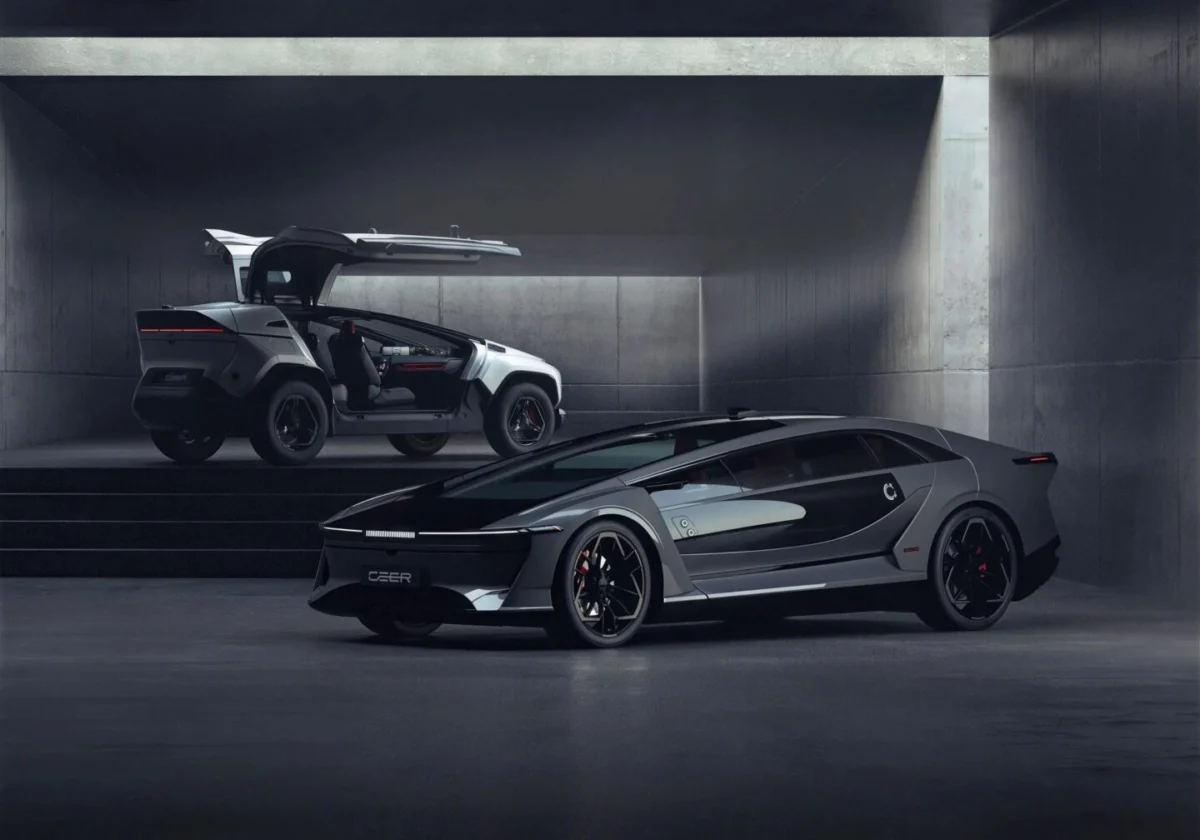
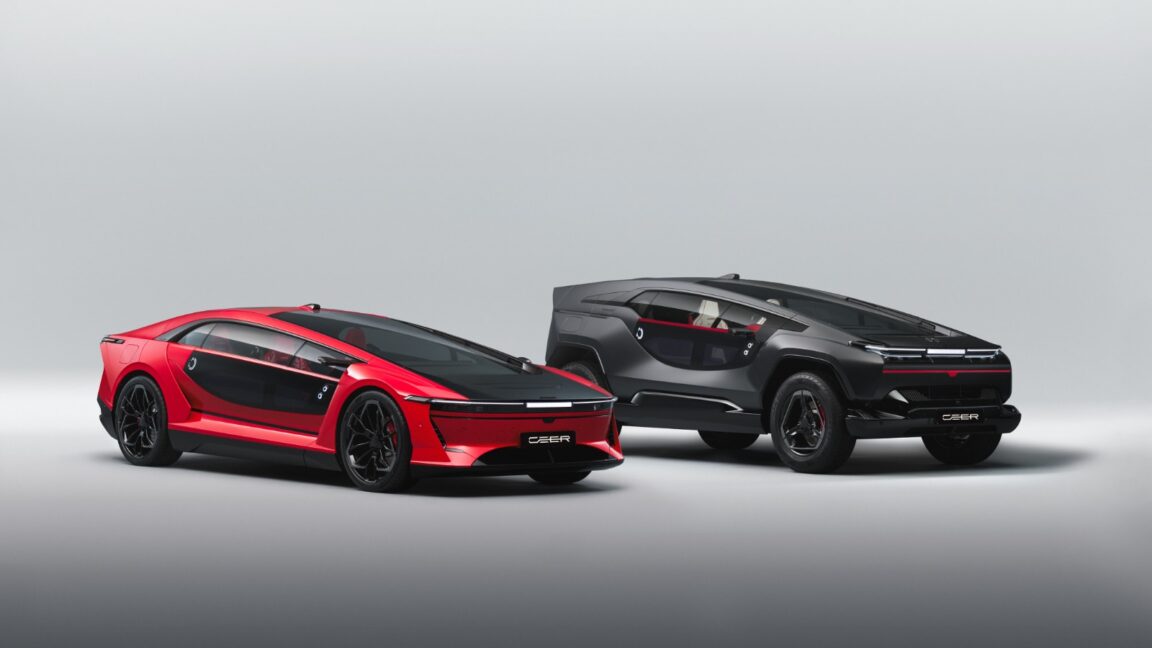
The flagship Exobot models are designed to turn heads, drawing inspiration from futuristic concepts that feel pulled directly from the screen. The SUV, in particular, has garnered immediate comparisons to the iconic Isuzu VehiCross, albeit with a modern, high-tech twist that suggests a departure from traditional SUV design.
Design and Exterior Innovation
The most striking feature of the Exobot fleet is the inclusion of "Shahin Wing" falcon doors. These are not merely for show; they are a statement of intent. By eliminating the B-pillar, the design facilitates effortless ingress and egress for rear-seat passengers. A unique design choice involves 32 independent LED elements in the front and rear light bars—a direct homage to the year 1932, when the Kingdom of Saudi Arabia was founded.
The exterior glass features electrochromatic technology, allowing users to adjust the transparency of the door panels at the touch of a button. This is not just a gimmick; it provides a functional solution to the intense sunlight of the Arabian Peninsula, allowing for adjustable visibility and solar load management.
Interior and Digital Integration
Inside, Ceer has adopted a "bring your own device" philosophy, ensuring seamless integration with mobile ecosystems. The centerpiece of the cabin is a 48-inch digital instrument cluster that runs a custom operating system inspired by the Riyadh skyline.
To combat the extreme heat, the engineers developed "Halo cooling," a proprietary climate control system that creates a thermal barrier between the vehicle’s roof and the passengers’ heads, ensuring a comfortable environment even during the height of the desert summer. Despite the heavy reliance on touchscreens, Ceer has made the conscious decision to retain physical controls for essential functions like volume and climate, acknowledging the ergonomic superiority of tactile buttons for drivers.
Technical Specifications and Performance
Under the hood, or rather, within the chassis, the Exobot is a performance beast.
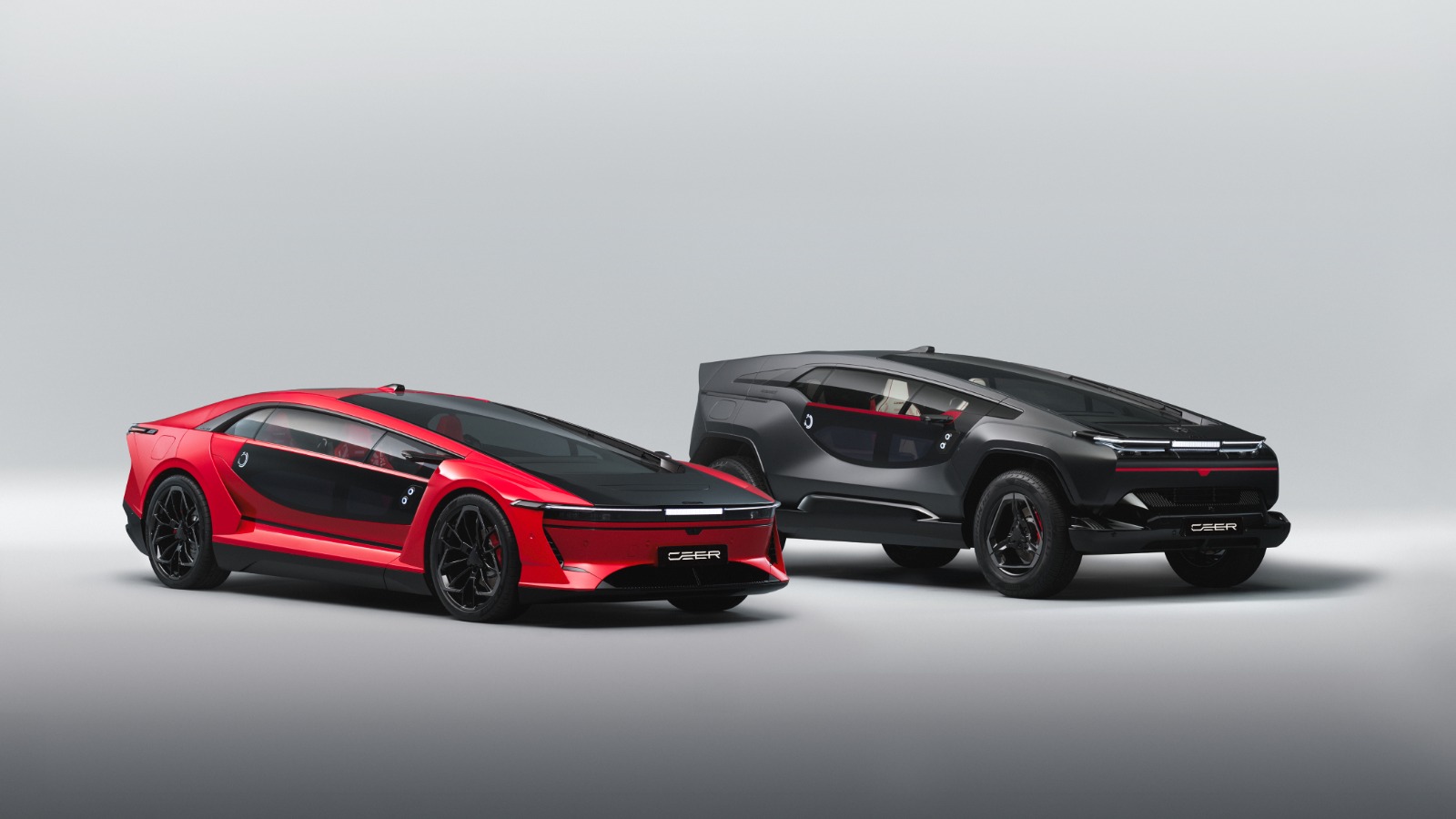
- Battery and Range: The vehicles are equipped with 112-kWh battery packs, targeting an impressive range of over 310 miles (500 km) for the SUV and 373 miles (600 km) for the sedan.
- Power and Torque: A tri-motor setup delivers a staggering 1,111 hp (828 kW) and 1,100 lb-ft (1,500 nM) of torque.
- Acceleration: The sedan is projected to sprint from 0 to 62 mph in just over 2 seconds, while the SUV achieves the same feat in 2.4 seconds.
- Charging: Utilizing an 800-volt electric architecture, the Exobot is capable of DC fast-charging from 10% to 80% in approximately 30 minutes.
The vehicles are also equipped with steer-by-wire systems, utilizing a yoke-style steering wheel. While the yoke remains a polarizing feature in the automotive world, Ceer’s implementation focuses on precision and sharper handling, aiming to provide a more direct connection between the driver and the road.
Implications for the Global Automotive Market
The emergence of Ceer is a clear signal to legacy automakers that the competitive landscape is changing. With the financial might of the PIF and the manufacturing agility of Foxconn, Ceer is not burdened by the legacy costs and bureaucratic inertia that plague some of the world’s largest car companies.
Job Creation and Economic Diversification
The success of Ceer is intrinsically linked to the economic health of Saudi Arabia. By 2034, the company expects to facilitate the creation of 35,000 direct and indirect jobs. This "multiplier effect"—where every single automotive job generates five additional roles in the supply chain and support services—is a critical metric for the Saudi government.
The "Saudi Made" Initiative
Beyond the numbers, Ceer serves as a cultural milestone. The "Saudi Made" branding initiative is designed to instill national pride in domestic manufacturing. For the first time, the Saudi consumer will have access to a locally produced, world-class vehicle that directly contributes to the country’s GDP and industrial growth. This mirrors the trajectory of other nations that have successfully nurtured domestic brands to global prominence.
Challenges and Future Outlook
While the technical specifications and financial backing are impressive, the path forward is not without hurdles. The automotive industry is notoriously difficult to break into. The company must navigate the complexities of global homologation, supply chain management, and, most importantly, brand perception.
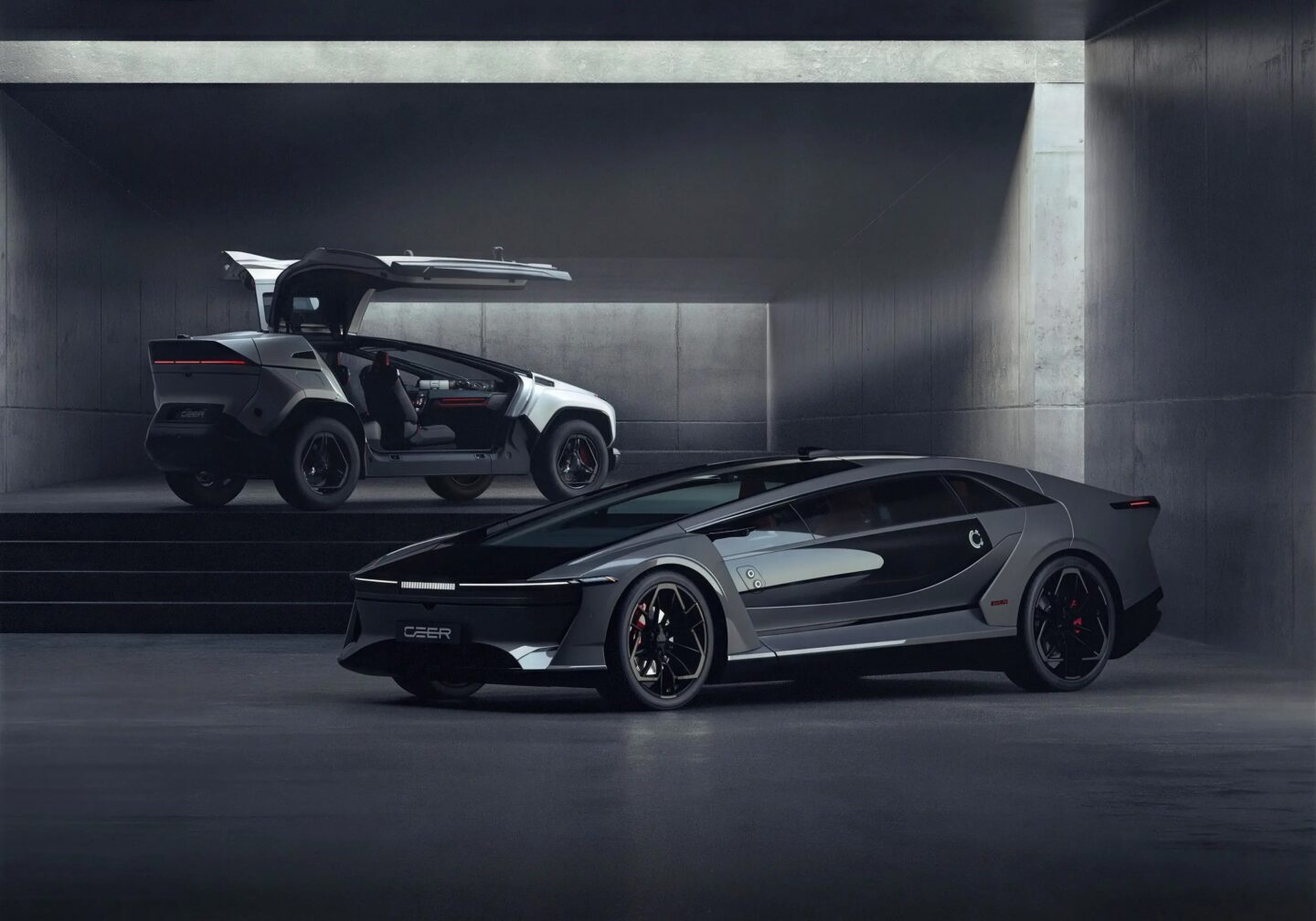
As CEO James Deluca noted, the company’s philosophy is to "go right" when the world goes "left." This contrarian approach—combining radical aesthetics with extreme performance and local climate-specific engineering—could be their greatest asset. However, the true test will lie in the transition from prototype to mass production, and how effectively Ceer can scale its operations to meet the ambitious goal of seven models by 2030.
If the company can maintain its pace and continue to iterate on its technology through over-the-air (OTA) updates, it may well avoid the pitfalls that have befallen other EV startups. By focusing on the integration of power, handling, and comfort, Ceer is setting a high bar for itself. The world is watching; if the Exobot reaches the production line as promised, Saudi Arabia will have successfully demonstrated that it is not just an oil superpower, but a burgeoning hub for the future of global mobility.