

In the modern digital landscape, the distance between a customer’s unspoken need and a competitor’s solution is shrinking. As B2B buying journeys become increasingly decentralized and non-linear, enterprise organizations are pivoting their sales strategies. No longer content to wait for a gated form-fill or a cold-email response, forward-thinking sales teams are turning to social listening to intercept high-intent buyers exactly where they research: on social media and industry forums.
Social listening for lead generation is the strategic practice of monitoring online conversations to identify potential customers who are expressing interest, identifying pain points, or actively seeking solutions. In 2025, this has moved from a "nice-to-have" marketing experiment to a cornerstone of enterprise revenue operations.

The Evolution of Lead Generation: From Cold Outreach to Social Intelligence
Traditionally, B2B lead generation relied on a "push" model: cold calling, email automation, and paid advertising. While these methods remain relevant, they are often plagued by low signal quality and high friction. Conversely, social listening functions as a "pull" strategy. It identifies buyers who have already signaled their intent, allowing sales professionals to intervene with context-rich, value-driven engagement rather than intrusive, generic pitches.
The Core Difference: Monitoring vs. Listening
While the terms are often used interchangeably, there is a distinct difference in operational intent:

- Social Monitoring: Acts as a safety net. It is reactive, focusing on brand mentions, sentiment tracking, and crisis management. Its goal is to maintain brand reputation.
- Social Listening (Lead-Gen Focus): Acts as a radar. It is proactive and analytical, scanning the broader industry ecosystem for keywords, competitor frustrations, and niche technical queries to identify qualified sales opportunities.
Supporting Data: Why Enterprises are Doubling Down
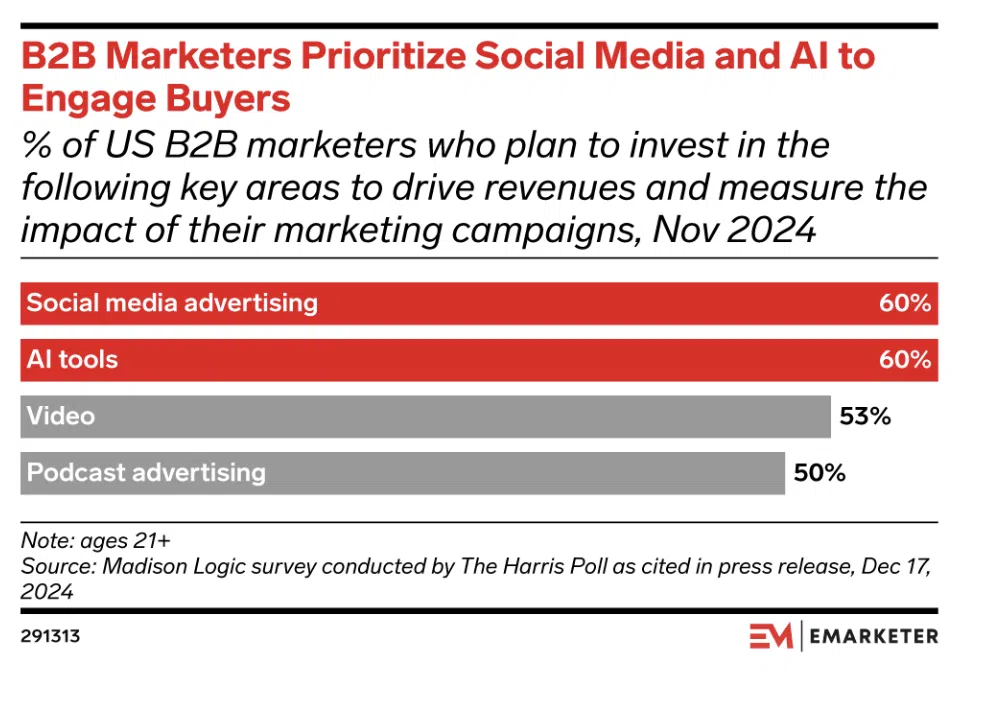
The shift toward social-first intelligence is backed by significant market movement. Recent data from eMarketer indicates that 60% of US B2B marketers plan to increase their investment in both social media advertising and AI-driven engagement tools throughout 2025. This surge is driven by the fact that social media has become the second most meaningful source of information for B2B buyers, often preceding direct contact with a vendor by weeks or even months.
When integrated into the sales stack, social listening provides:
- Earlier Access to Leads: Engaging before a competitor is invited to an RFP.
- Higher Conversion Confidence: Leads sourced via social intent signals often demonstrate shorter sales cycles.
- Market Intelligence: Real-time feedback loops that inform product development and marketing messaging.
Chronology of a Social-Sourced Lead
To effectively leverage this, enterprises must move through a structured lifecycle of signal identification and engagement:
Phase 1: Signal Identification
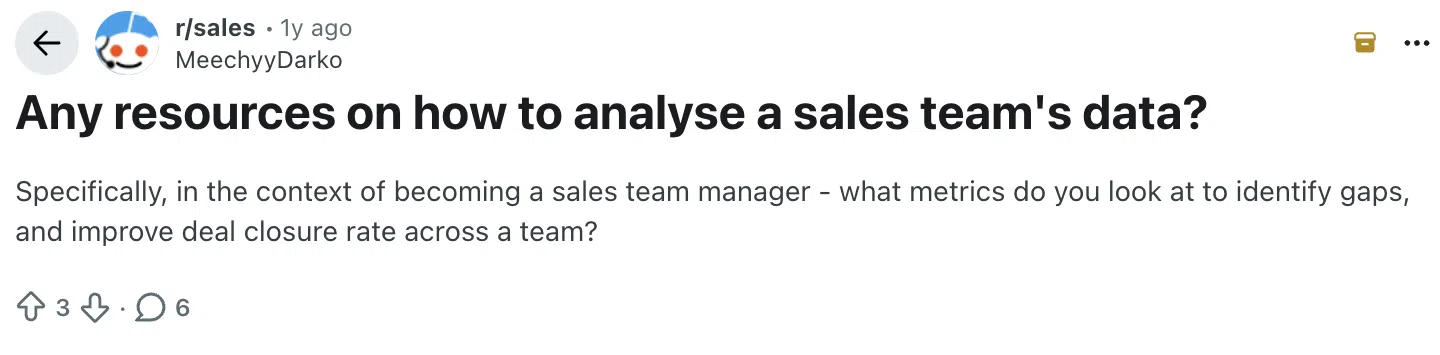
The process begins with mapping your Ideal Customer Profile (ICP) to specific online behaviors. Does your prospect hang out in the r/Sales subreddit? Are they complaining about the slow API response times of your competitor on X (formerly Twitter)? By defining "intent keywords," teams can filter the noise of the internet into a curated stream of high-value opportunities.

Phase 2: Qualification and Scoring
Not every mention is a lead. Enterprises utilize a four-point scoring framework to triage signals:
- Specificity: Is the user naming a specific problem or tool?
- Urgency: Is there time-sensitive language (e.g., "by Q1," "ASAP")?
- Authority: Does the user have decision-making power?
- Sentiment: Is the tone one of frustration, curiosity, or active evaluation?
Phase 3: The "Value-First" Handoff
Once a lead is identified, the transition from social to CRM is critical. The most successful teams do not send a sales pitch. Instead, they provide resources—a whitepaper, a relevant case study, or an insightful comment—that establishes trust. Only after rapport is built is the lead pushed into the CRM for formal tracking.
Where to Find the "Gold": Platform-Specific Strategies
Different platforms offer distinct windows into the buyer’s mind:
- LinkedIn: The primary hub for B2B. Here, decision-makers discuss budget cycles, team restructuring, and tool replacement. High-intent signals here are often found in long-form comment threads.
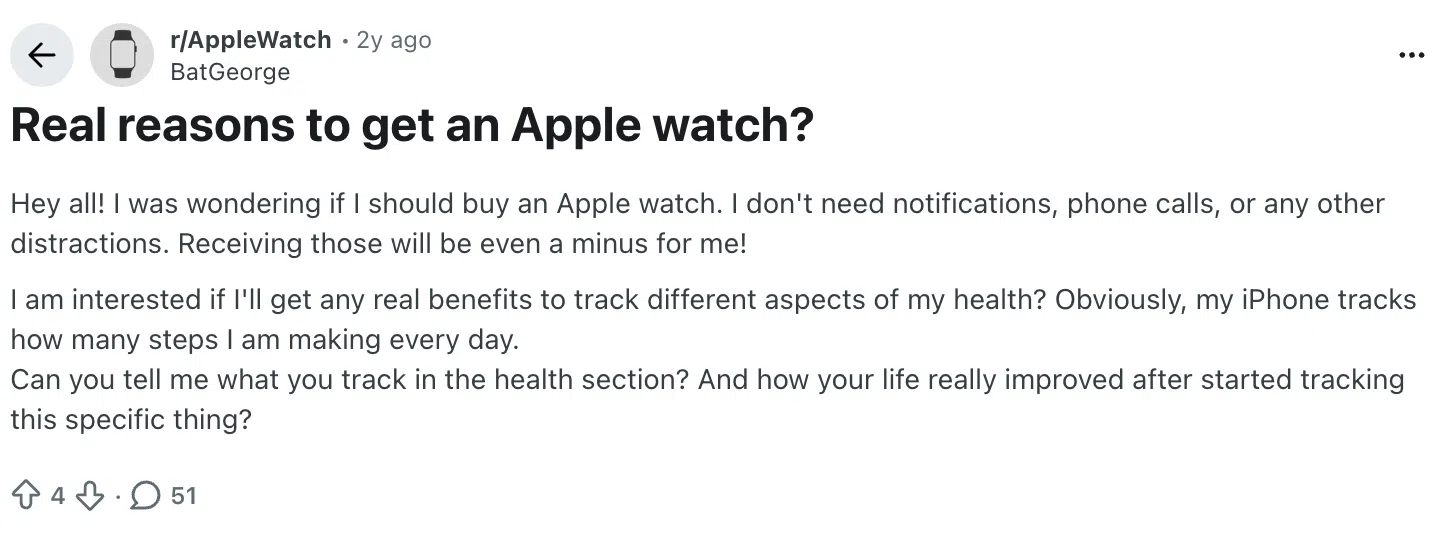
- Reddit & Niche Forums: The home of "unfiltered intent." Because these platforms lack the corporate filter of LinkedIn, users are more likely to express blunt frustrations with legacy vendors or ask for honest, peer-led recommendations.
- Review Sites: Platforms like G2 or Capterra serve as a final check. Mentions here often indicate a lead is in the final stages of the consideration phase.
Expert Perspective: The "Relevance Over Reach" Mandate
Sarah Stephenson, Director of Social Media at TMP, emphasizes that the primary risk in social listening is the "sales-first" instinct. "Brands often focus too heavily on brand keywords, but the real opportunity is in the pain points—the questions, the frustrations, the comparisons," Stephenson notes.

She warns that jumping into a thread with a sales pitch too early can destroy credibility. "Listening means reading the room. You need to build the trust first, conversion second. Social listening isn’t a shortcut to leads; it’s a shortcut to relevance."
Implications for Enterprise Operations
The adoption of social listening has profound implications for how enterprise teams are structured.

1. Breaking Down Silos
Social listening requires a bridge between the Social Media Team (who owns the listening tools) and the Sales/SDR team (who own the relationship). Without a shared workflow and common KPIs—such as "Social-Sourced Pipeline Value"—listening insights often die in a marketing dashboard.
2. The Role of AI in Scalability
Human teams cannot manually scan millions of posts. Enterprise-grade AI tools (such as those integrated into the Hootsuite Social OS) serve as a triage layer. They read vast amounts of data to surface the top 1% of posts that show clear, actionable intent. However, as noted by recent Gartner research, 75% of B2B buyers will still prefer human-led interactions by 2030, meaning AI should augment—not replace—the sales professional.
3. Measurement and ROI
Enterprises must measure the effectiveness of this strategy through specific metrics:
- Signal-to-Reply Rate: How often do your outreach efforts receive a positive response?
- Time-to-Contact: How quickly are you moving from a public signal to a private conversation?
- Pipeline Velocity: Are social-sourced leads moving through the funnel faster than cold leads?
Conclusion: The Path Forward
Social listening is no longer a peripheral marketing activity; it is a vital component of the modern enterprise sales engine. By moving from a model of broadcasting to a model of active, intelligent listening, organizations can identify their customers before they even reach out.
As we move through 2025, the competitive advantage will belong to those who can listen at scale and respond with genuine value. Whether through advanced CRM integrations or AI-powered triage, the goal remains the same: to be present, useful, and relevant at the exact moment a buyer realizes they have a problem you can solve.
Pro-tip for implementation: Start by choosing one platform and one competitor. Build your keyword list, establish a daily 15-minute review process, and document the outcomes. Once the ROI is proven, scale the operation across departments and channels. The data is already out there—all you have to do is listen.