
Tirana, Albania – The serene beauty of Albania’s coastline and its verdant hinterlands have been recently marred by a series of devastating wildfires, raising urgent questions about the nation’s preparedness for an increasingly volatile climate. From the olive groves of Himara to the vast forests and pastures across the country, blazes have consumed precious natural resources, displaced residents, and highlighted critical gaps in the country’s disaster management strategies. While official figures are still being compiled, preliminary data and expert analyses paint a concerning picture of a nation struggling to adapt to the growing threat of extreme weather events.
The Unfolding Crisis: Early September Fires and Widespread Impact
The early days of September brought a stark reminder of the destructive power of fire. The coastal town of Himara, a popular tourist destination, found itself under siege as flames engulfed olive groves on the Potam hills. The inferno forced the urgent evacuation of tourists and residents, while thick plumes of smoke cast a pall over the picturesque town. Local authorities reported that dozens of centuries-old olive trees were reduced to ashes, and several homes were completely destroyed in the blaze.
This Himara incident was not an isolated event. Throughout early October, other fire outbreaks were reported across various regions of the country, predominantly in pastures and forests. These fires, though perhaps less publicized than the Himara event, have contributed to a significant loss of natural landscapes. Official figures reveal that thousands of hectares of land have been impacted by fires throughout the summer months.
Quantifying the Damage: Data Reveals a Grim Summer
The scale of the wildfire problem is becoming increasingly evident through data collected by various agencies. The State Authority for Geospatial Information (ASIG) has identified a substantial area affected by fires during July and August alone. According to data provided to BIRN, ASIG documented a total of 5,210.4 hectares of land impacted by fires nationwide during this two-month period.
The regional breakdown of this damage is particularly concerning. Shkodër County bore the brunt of the destruction, with 2,416 hectares affected. Lezhë followed closely with 1,278 hectares, while Dibra and Tirana registered 642.4 and 631 hectares impacted, respectively. Durrës, Fier, and Elbasan counties also experienced significant fire damage, with 105, 97, and 41 hectares affected, respectively.
However, ASIG emphasizes that this figure does not represent the final tally of fire damage across the country. The current data pertains only to 14 measured zones, identified based on requests from the National Civil Protection Agency. The measurement process is ongoing for other areas affected by fires, suggesting that the actual total area impacted could be considerably higher.
Adding another layer to the assessment, an independent measurement conducted by Flavio Vata, a geospatial expert with the Food and Agriculture Organization (FAO), revealed over 6,200 hectares of burnt land by August 18th. Vata’s independent methodology, similar to ASIG’s, highlights potential discrepancies in data collection and analysis. He explains that these differences do not necessarily indicate errors but can arise from variations in satellite imagery, the time periods analyzed, the minimum fire surface considered, and the categories of land included in the calculations.
Expert Warnings and the Climate Connection
Regardless of the precise figures, experts agree that the increasing frequency and intensity of wildfires are a serious signal. Flavio Vata stresses the importance of treating these numbers as a grave warning regarding how forests and territories are managed.
Environmental expert Ornela Qirjaqi echoes this sentiment, cautioning against interpreting the scale of fires through a single number. She emphasizes that the situation represents a heightened risk with significant variability and the potential for extreme fire seasons. "The alarm signal is not just the number 5,200. It is the fact that we have an increased risk, with great variability and the potential for extreme seasons," Qirjaqi stated.
Another environmental expert, Mihallaq Qirjo, observed that the timing and extent of the fires indicate an intensification in the latter half of August. "The soil dryness and its temperature have increased, creating favorable conditions for the ignition and spread of fires. And despite the worsening situation, new fires are occurring," Qirjo noted.
Preparedness for Climate Change: A Nation Lagging Behind?
The Albanian government has acknowledged the escalating risk of wildfires as a predictable consequence of climate change in several official documents. The National Strategy for Disaster Risk Reduction 2023-2030 highlights that climate models predict higher temperatures, longer dry periods, and less rainfall, particularly during the summer. This, in turn, is expected to increase the frequency and severity of fires and extend their season.
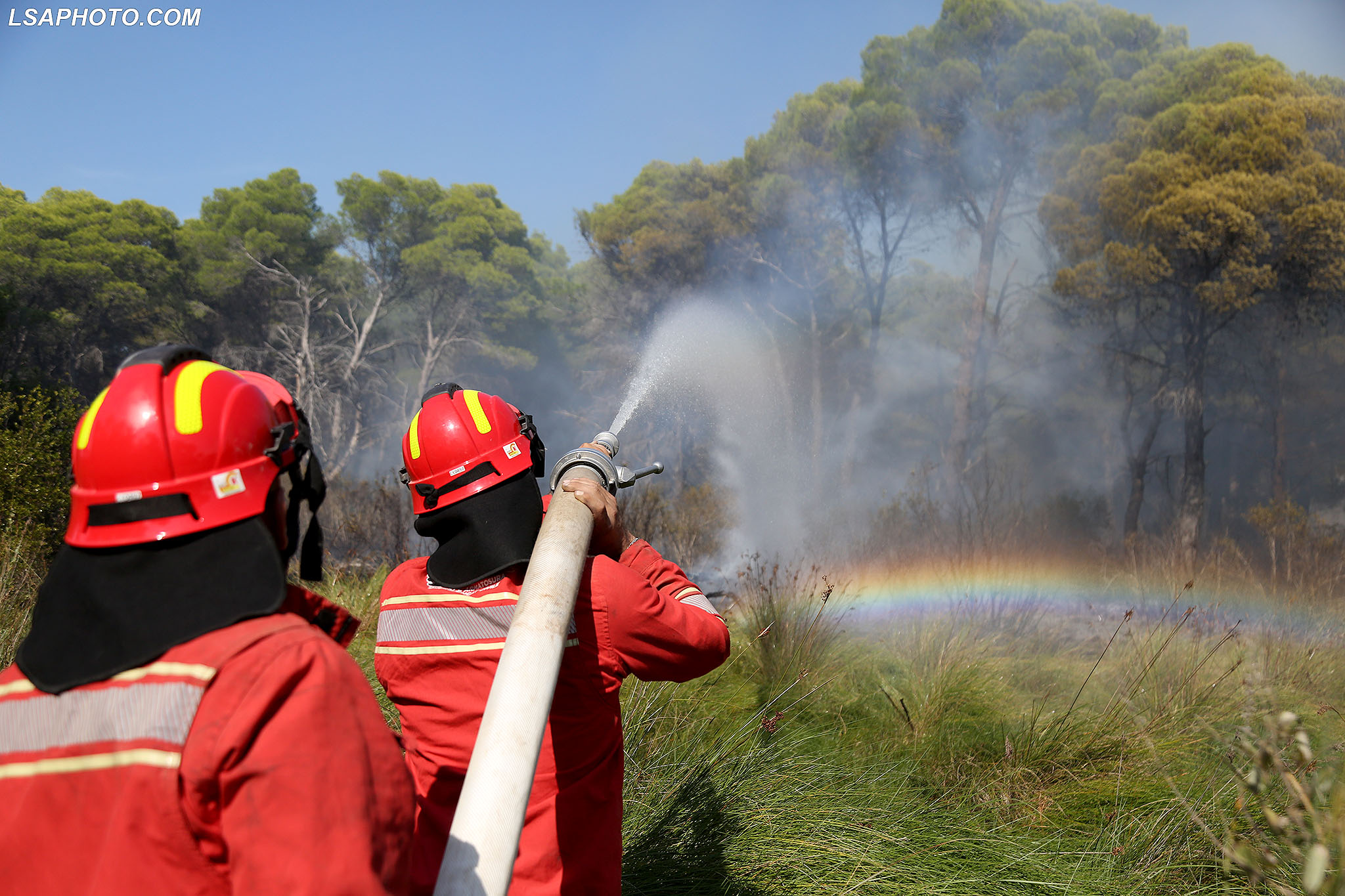
Other documents concerning climate change and national adaptation plans outline measures for prevention, monitoring, early warning, strengthening institutional capacities, and risk management. However, experts like Vata question the country’s ability to effectively utilize available capacities, such as satellite technologies and access to European systems like Copernicus/EFFIS. He advocates for the integration of a single operational system that links prevention, monitoring, early warning, response, and post-fire rehabilitation.
"I think the objective should not be simply to know how many hectares have burned after the season has ended, but to know as quickly as possible where a fire is starting, how quickly it is spreading, what it is affecting, who is exposed, and where intervention is needed," Vata elaborated.
He identifies key weaknesses in the need for a more integrated approach to fires: risk prevention through the identification of high-risk areas and vegetation management, real-time monitoring by integrating optical and thermal satellite data, establishing early warning systems, and connecting satellite information with decision-making structures and on-the-ground interventions.
Ornela Qirjaqi points to institutional operational deficiencies. While Albania has numerous institutions, she argues, the crucial link between them as a cohesive risk management system is lacking. "If our institutions meet for the first time when there’s a blaze, then they have met much too late," Qirjaqi remarked.
She contends that managing a forest fire should not begin with mobilizing firefighters, municipalities, Civil Protection, or the Armed Forces only when a fire appears. Instead, it should commence with identifying high-risk areas, assessing vegetation conditions, identifying potentially flammable materials, mapping access routes, and implementing preventive measures. According to her, the National Forestry Agency and local government forestry structures should act proactively before emergencies arise. Satellite information and civil protection structures need to be integrated with decision-making and field interventions.
"The problem is that our institutions still do not function sufficiently as a single risk management system," she added.
Mihallaq Qirjo emphasizes the need for concrete on-the-ground measures. This includes creating protective infrastructure, pre-positioning equipment near at-risk areas, and engaging communities in prevention and the management of burnt areas. "Community responsibility, specifically of rural populations living near forests, is weak, unorganized, and inactive. Forest protection infrastructure against fires needs improvement; protection means should be stationed in forests, and water reservoirs should be created within forests," he stated.
Qirjo also highlights the absence of a technical document for the treatment of burnt forest areas. He believes that post-fire recovery should prioritize natural regeneration in the initial years, followed by assisted interventions that mimic natural processes.
The Path Forward: Towards Resilience and Integrated Management
The recurring wildfires in Albania serve as a stark wake-up call. The nation’s vulnerability to climate change impacts is increasingly apparent, demanding a comprehensive and proactive approach to disaster risk reduction. The current fragmented institutional response and the reactive nature of firefighting efforts are insufficient to tackle the growing threat.
Moving forward, Albania must prioritize:
- Integrated Risk Management: Establishing a unified command structure and seamless communication channels between all relevant institutions, from local forestry departments to national civil protection agencies and scientific bodies.
- Proactive Prevention: Investing in early detection systems, regular vegetation management in high-risk areas, and community engagement programs to foster a culture of prevention.
- Enhanced Monitoring and Early Warning: Fully leveraging satellite technology and European platforms for real-time monitoring and rapid detection of nascent fires.
- Climate-Resilient Infrastructure: Developing and maintaining infrastructure that can withstand extreme weather events and support firefighting efforts, including access roads and water sources.
- Capacity Building and Training: Equipping emergency responders with the latest technologies and techniques for wildfire suppression and post-fire rehabilitation.
- Public Awareness and Education: Educating the public about the risks of wildfires, safe practices, and the importance of reporting suspicious activities.
- Policy and Legal Frameworks: Strengthening legislation related to fire prevention and response, and ensuring adequate funding for disaster risk reduction initiatives.
The fires of Himara and the widespread destruction across the country are not merely isolated incidents. They are symptoms of a larger environmental challenge that requires immediate and sustained attention. By adopting a more strategic, integrated, and forward-looking approach, Albania can begin to build resilience against the growing threat of wildfires and safeguard its invaluable natural heritage for future generations. The time for reactive measures has passed; the era of proactive climate adaptation and robust disaster preparedness must now begin.