In a strategic pivot aimed at capturing the modern consumer’s desire for both convenience and high-end aesthetics, arts and crafts giant Michaels is undergoing a profound digital and physical transformation. By marrying cutting-edge augmented reality (AR) and 3D visualization technology with a massive expansion of its product catalog, the retailer is attempting to redefine the custom framing experience. This modernization effort, which includes a high-profile collaboration with Architectural Digest, signals a broader shift in how brick-and-mortar hobby retailers are defending their market share against the encroachment of e-commerce specialists.
Main Facts: A Digital Makeover for Bespoke Framing
At the core of Michaels’ recent initiative is a robust, interactive online frame builder tool. This platform allows customers to transcend the limitations of traditional, static catalogs by offering granular customization options. Users can now manipulate dimensions, select from an array of premium materials, choose specific glazing types, and experiment with intricate matting configurations in real-time.
The technological leap goes further by integrating AR features that allow users to preview how their chosen frames will appear in their own living spaces. By utilizing a smartphone or tablet, shoppers can virtually "place" their framed art on a wall, ensuring that the scale, color, and style harmonize with their existing interior design before they ever commit to a purchase. This service is designed to mitigate "buyer’s remorse"—a common hurdle in custom home decor—by providing a level of visual certainty that was previously only available through high-end, professional interior design consultations.
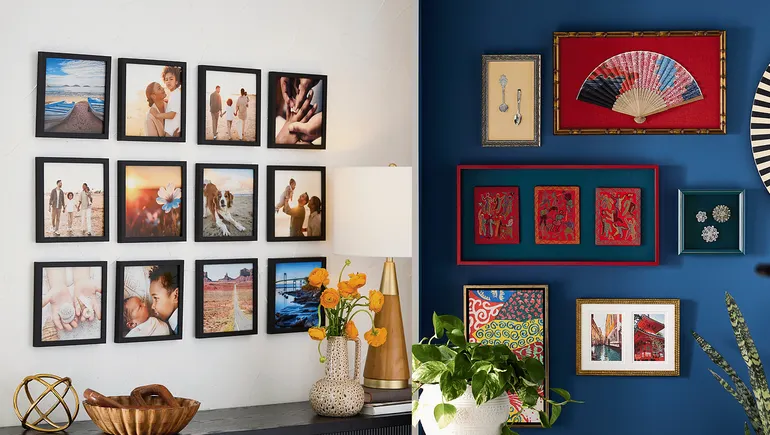
This digital overhaul is complemented by a substantial expansion of the company’s physical inventory. Michaels has debuted over 200 new frame styles, strategically curated to span aesthetic categories ranging from minimalist modern and bohemian to traditional, romantic, and rustic designs. This breadth of choice is intended to position Michaels not just as a supply store for crafters, but as a destination for serious home decorators and art collectors.
Chronology: A Trajectory of Rapid Innovation
The recent launch of the AR-enabled frame builder is not an isolated event but rather the latest milestone in a calculated, multi-year strategy to revitalize the Michaels brand.
- Early 2024: Michaels begins the aggressive rollout of its updated store format, focusing on "experiential" retail that emphasizes services over mere product placement.
- May 2024: The company announces a 60% increase in its party supply assortment, incorporating high-demand licensed characters like Hello Kitty, Stitch, and Bluey to drive foot traffic.
- August 2024: Michaels unveils "Ask Mike," an AI-powered shopping assistant built on Google’s generative AI infrastructure. This tool was designed to help customers navigate the retailer’s massive inventory by answering complex queries and providing personalized recommendations.
- September 2024: The company opens its third "experiential" location in Rogers, Arkansas. These stores serve as testing grounds for services like embroidery, laser engraving, and advanced on-site framing.
- Late 2024 (Present): The launch of the Architectural Digest framing collection and the integration of 3D/AR tools marks the convergence of the brand’s digital and physical efforts.
This timeline demonstrates a clear progression: first, optimizing the product mix; second, introducing AI to guide discovery; and finally, deploying immersive AR technology to close the deal.
Supporting Data: The Shift Toward Service-Oriented Retail
The data underpinning these moves suggests that Michaels is betting heavily on the "service-first" model. Prior to the digital frame builder, the company laid the groundwork by introducing 10-minute custom framing services and same-day large-format fine art printing. These initiatives were aimed at capturing the segment of the market that demands high-quality results without the multi-week lead times typical of boutique frame shops.
The expansion of the party supply category by 60% indicates a move toward diversifying revenue streams. By balancing high-frequency, lower-cost items (party supplies) with high-ticket, bespoke services (custom framing), Michaels is creating a "sticky" ecosystem where customers visit for a birthday balloon and stay to consult on a custom gallery wall.
Furthermore, the deployment of "Ask Mike" serves as a critical data-collection point. By tracking how customers interact with an AI assistant, Michaels can better predict trends in consumer demand, allowing for more efficient inventory management across its hundreds of locations. This data-driven approach is essential for a retailer of its size, enabling it to maintain a leaner supply chain while appearing more responsive to individual consumer needs.
Official Responses: Aligning Strategy with Customer Experience
Heather Bennett, President and Chief Customer Officer at Michaels, has framed these technological upgrades as a fundamental commitment to the "creative journey." In a recent press statement, Bennett noted that the company’s evolution is rooted in meeting the consumer at every point of their creative process.
"Our expanded framing assortment and innovative digital tools reflect our commitment to meeting our customers however and wherever they create," Bennett stated. She emphasized that the strategy is not just about the product, but about the confidence of the maker. "By seamlessly blending a refreshed, style-forward in-store experience with immersive 3D and AR visualization online, we are empowering shoppers to bring their visions to life with absolute confidence."
This sentiment is echoed by the company’s broader corporate messaging, which emphasizes "frictionless" shopping. By reducing the complexity of the framing process—which can be intimidating to novices—Michaels is effectively lowering the barrier to entry for custom decor, thereby expanding its total addressable market.
Implications: The Future of the Hobbyist Retailer
The implications of Michaels’ strategy are significant for the broader retail landscape. As e-commerce platforms like Amazon and Etsy continue to dominate, traditional brick-and-mortar stores are finding that survival requires a "phygital" approach—a seamless blend of physical presence and digital utility.
The Death of the "Static" Store
The success of the Rogers, Arkansas location, alongside the Irving and Easton sites, suggests that the future of hobby retail lies in specialized, service-rich environments. These are not merely warehouses for yarn and paint; they are creative hubs. By offering engraving, framing, and printing on-site, Michaels is transforming its stores into destinations that provide value which cannot be easily replicated by a simple "buy" button on a website.

The Role of Generative AI in Niche Markets
The introduction of "Ask Mike" is a bellwether for the retail industry. For a category as vast as arts and crafts—where a single store may carry thousands of SKUs—AI is no longer a luxury but a necessity. The ability to ask, "What kind of glue do I need for this specific ceramic?" or "Which frame style best suits a mid-century modern aesthetic?" provides a level of customer support that approximates the expertise of a shop floor associate, but with 24/7 availability.
Challenges and Risks
Despite the optimism surrounding these developments, significant challenges remain. Scaling these services to all locations is a massive logistical undertaking. Furthermore, as the company leans more heavily into technology, it must ensure that the digital experience remains intuitive for its core demographic, which spans multiple generations of makers—from digital natives to those who prefer traditional, hands-on guidance.
There is also the risk of "feature bloat." While 3D and AR tools are impressive, the primary driver of customer loyalty remains the quality of the craftsmanship and the accessibility of the products. If the digital tools become a hurdle rather than a help, the company risks alienating its base.
Conclusion
Michaels is at a crossroads. By investing heavily in AI-driven guidance, AR visualization, and a vastly expanded product assortment, the retailer is clearly signaling that it does not intend to be a relic of the pre-digital era. Instead, it is positioning itself as a modern, technology-enabled partner for the DIY generation.
Whether these changes will be enough to stave off the pressures of an increasingly digital marketplace remains to be seen. However, by focusing on the intersection of professional service and individual creative expression, Michaels is building a moat around its business. The company is betting that while people can buy a frame anywhere, they will return to the store that makes them feel like an artist—and gives them the tools to see their vision before it ever touches their wall.