In a significant move toward solidifying its long-term environmental commitments, the Chinese government has unveiled its 15th Five-Year Plan (2026-2030) for a national response to climate change. Released in late July by the Ministry of Ecology and Environment (MEE) in coordination with 18 other government departments—including the powerful National Development and Reform Commission (NDRC)—the plan serves as the primary policy instrument for steering China’s climate action through the remainder of the decade.
While the document does not introduce radical new emission targets, it functions as a critical consolidation of existing policies, signaling that Beijing’s climate governance has reached an "unprecedented strategic level." By aligning diverse initiatives—such as the "Beautiful China" program, the development of a "new-type energy system," and expanded renewable energy targets—the plan aims to provide a unified framework for achieving the nation’s dual carbon goals: peaking emissions before 2030 and reaching carbon neutrality before 2060.
Main Facts: A Comprehensive Roadmap
The 15th Five-Year Plan is distinct from previous iterations. In 2014, the NDRC issued a climate plan that was not integrated into the broader five-year economic cycles; however, the new document represents a structural shift. For the first time, the five-year plan serves as a comprehensive target system that synchronizes carbon dioxide (CO2) reduction with climate adaptation, carbon market expansion, and international diplomatic cooperation.
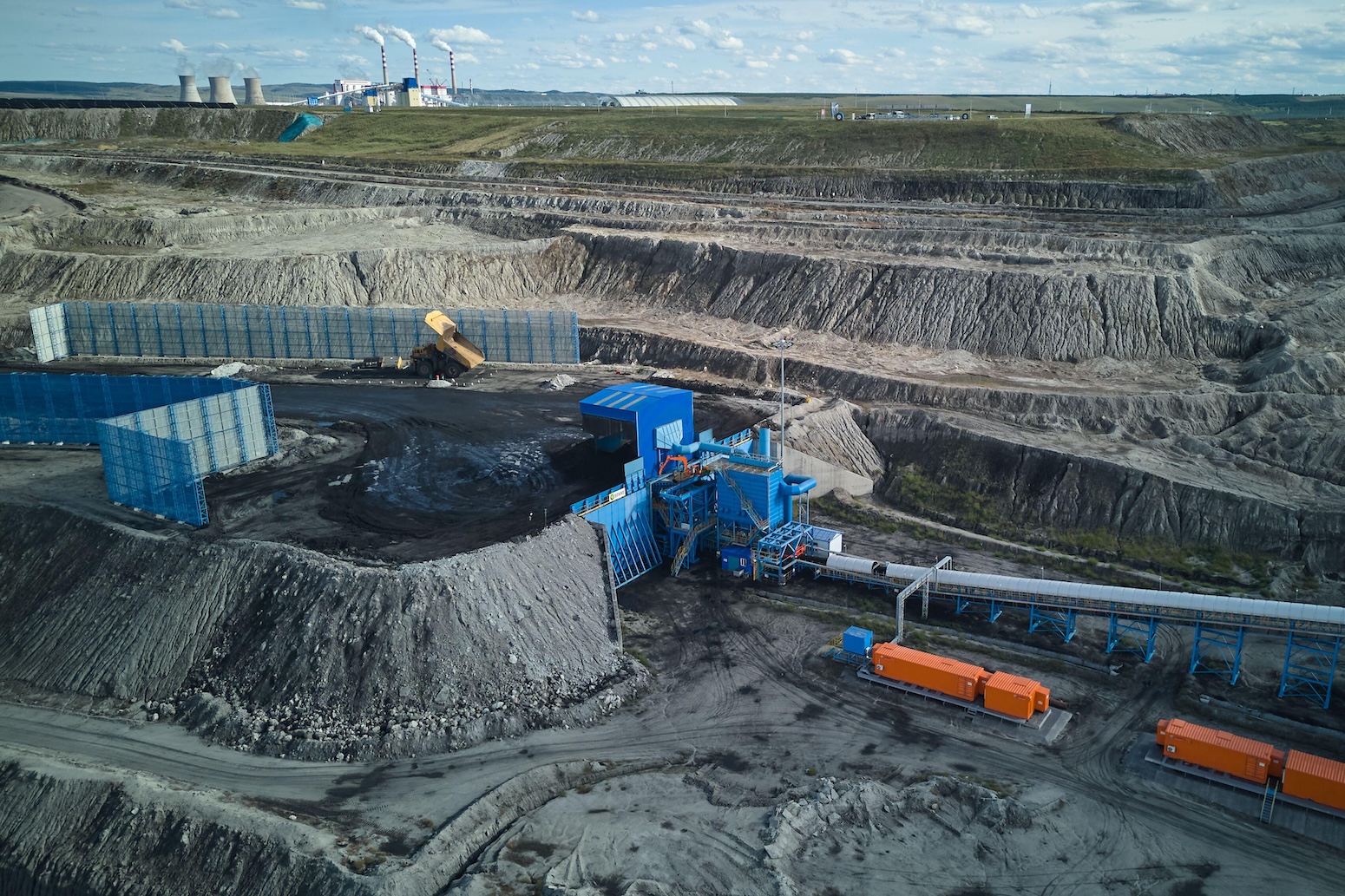
According to government officials, the plan is designed to be the "main policy instrument" for the 2026-2030 period. It serves as a blueprint for implementing the pledges made under the Paris Agreement, specifically targeting the 2030 carbon intensity goal—a reduction of more than 65% from 2005 levels—and the 2035 target of cutting greenhouse gas emissions to 7-10% below peak levels.
Chronology: From Pledges to Implementation
To understand the weight of this new plan, one must view it as the latest milestone in a decade-long acceleration of Chinese climate policy:
- 2014: The NDRC publishes its first dedicated climate response plan, setting the stage for future high-level coordination.
- 2020-2021: President Xi Jinping announces the "dual carbon" goals: peaking CO2 emissions before 2030 and achieving carbon neutrality by 2060.
- 2025: China establishes a 2035 pledge to lower greenhouse gas emissions below peak levels, signaling a transition from mere "peaking" to active "reduction."
- July 2026: The 15th Five-Year Plan is released, institutionalizing the "all-encompassing target system" to support the 2030 and 2035 climate commitments.
- September 2026: The China Carbon Market Conference is set to act as the primary venue for implementing new international rules for carbon trading and compliance.
Supporting Data: The Non-CO2 Greenhouse Gas Challenge
A vital component of the 15th Five-Year Plan is its granular approach to non-CO2 greenhouse gases (GHGs), which constitute approximately 19% of China’s total emissions profile (roughly 2,700 MtCO2e in 2021). The plan reaffirms a target to build a "reduction capacity" for these gases of 30 million tonnes of CO2 equivalent (MtCO2e) by 2030.
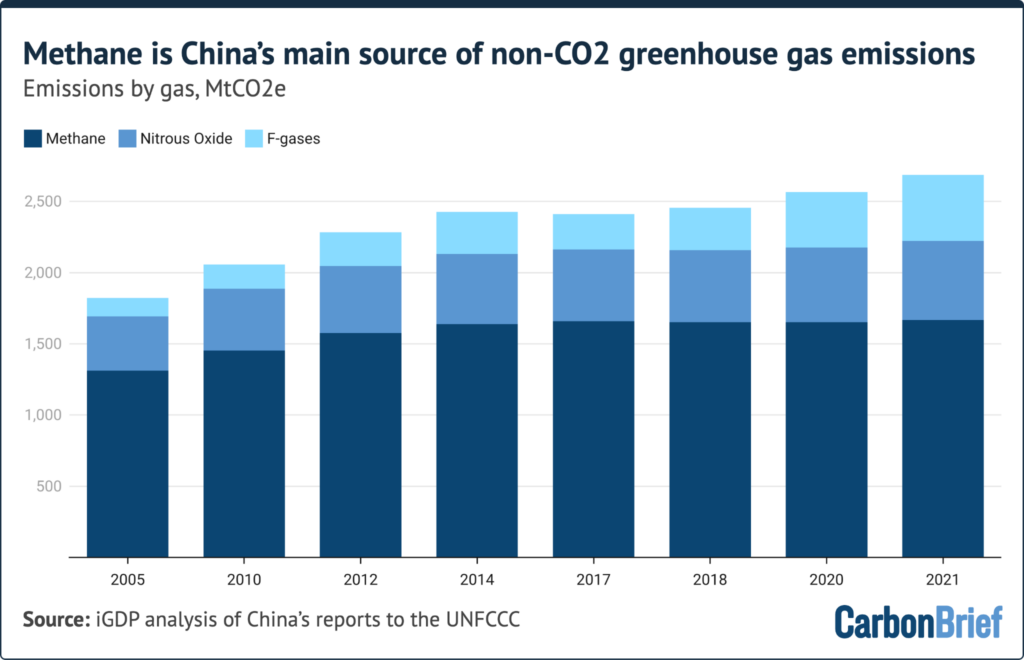
Analysis by the Institute for Global Decarbonization Progress (iGDP) suggests this goal is highly achievable. Specifically, the plan focuses on:
- Coal-mine methane: Utilizing ventilation air methane (VAM) and low-concentration methane, which could contribute up to 20 MtCO2e in annual reductions.
- Industrial Nitrous Oxide (N2O): Implementing new catalyst technologies in chemical processes.
- Hydrofluorocarbons (HFCs): Using end-of-pipe destruction technologies to minimize the release of potent global warming agents.
- Sulphur Hexafluoride (SF6): For the first time, the plan mandates the recovery and replacement of SF6 in power equipment, a crucial step as China’s national power grid expands to integrate more renewables.
These measures represent a shift toward addressing "super-pollutants," which offer a high return on investment for climate mitigation in the short term.
Official Responses and Expert Analysis
The reception from the policy and research community has been largely positive, though balanced with a pragmatic understanding of the plan’s scope.
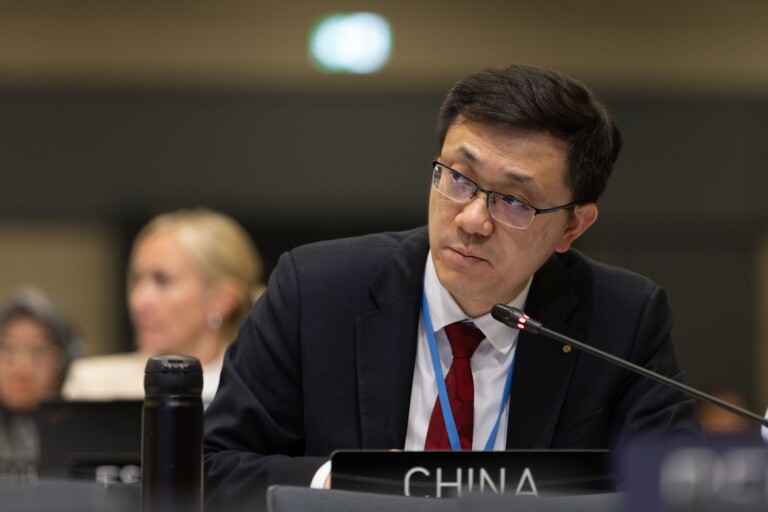
Qin Yan, a principal analyst at ClearBlue Markets, notes that the plan signals that China is no longer just participating in global climate discourse but is actively seeking to shape it. "China’s climate governance has reached an unprecedented strategic level," she states, pointing to the nation’s willingness to spearhead coalitions with partners like the European Union and Brazil to establish integrity in carbon markets.
From the perspective of academic observers, such as Professor Thomas Hale of the University of Oxford’s Blavatnik School of Government, the plan represents a "major rhetorical shift." He observes that China is increasingly comfortable adopting a leadership role in global climate diplomacy, aiming to build a "new narrative on climate governance" that aligns with its Global Governance Initiative.
However, critics and analysts at CIB Research note that while the governance system is being strengthened, the headline targets are, in many respects, a reiteration of existing commitments. The strength of the plan lies not in the introduction of new, aggressive percentage targets, but in the institutional "capacity building" and the hardening of existing policy mechanisms to ensure those targets are met.
Implications: The Global Stage
The 15th Five-Year Plan has three primary implications for the global order:
1. The Rise of the Carbon Market Power
China is positioning itself to become the world’s largest carbon offset buyer. By expanding the influence of its domestic carbon market through international rule-setting and standard-setting, China intends to ensure its internal transition is compatible with global frameworks like Article 6 of the Paris Agreement. The upcoming China Carbon Market Conference is expected to be a launchpad for these international compliance efforts.
2. Strategic Narrative Control
Beijing is clearly aiming to move away from the defensive posture often associated with climate talks. By drafting a "new narrative," China is looking to redefine climate justice in a way that emphasizes industrial decarbonization and the "new-type energy system." This strategy aims to align China’s climate goals with its broader foreign policy objectives, particularly in the Global South.

3. Strengthening Implementation Mechanisms
The most significant impact of the 15th Five-Year Plan will be felt internally. By linking 18 government departments under a single, unified climate directive, China is removing the silos that have historically hampered climate policy enforcement. The "all-encompassing target system" ensures that every province and industry sector is tethered to the same national progress markers, making the 2030 peak an administrative necessity rather than just a political aspiration.
Conclusion
The 15th Five-Year Plan is a testament to the maturation of China’s climate strategy. By moving beyond simple target setting and into the realm of complex, systemic governance, China is preparing its economy for the challenges of the next decade. While the document may lack the "shock and awe" of new, massive emission cuts, its true power lies in its institutional permanence. As the world approaches 2030, the "Beautiful China" initiative and the rigorous focus on non-CO2 GHGs suggest that Beijing is building a durable, scalable foundation for a post-carbon economy—one that is increasingly designed to set the pace for the rest of the world.