In the modern global economy, efficiency has long been the North Star of supply chain management. Lean operations, just-in-time delivery, and optimized logistics have allowed corporations to strip away "waste" and maximize margins. However, the veneer of these streamlined systems is notoriously thin. A single delayed shipment, a localized geopolitical flare-up, or a minor component shortage can cause a cascade of failure that forces meticulously planned production schedules into total disarray.
Recent years have taught a harsh lesson: the companies that survive the inevitable waves of global disruption are not necessarily the ones with the lowest costs, but those that have proactively woven resilience into their everyday purchasing decisions long before the next crisis emerges.
The Chronology of Disruption: From Just-in-Time to Just-in-Case
For decades, the "Toyota Way" of lean manufacturing dominated business school curricula and boardroom strategies. The logic was simple: inventory is capital tied up in a warehouse, and capital should be fluid. By minimizing stock and relying on hyper-efficient, often singular, supply chains, companies maximized their agility in stable markets.
The turning point arrived in the early 2020s. A confluence of global health crises, trade wars, and extreme weather events shattered the assumption of a "stable" world.
- 2020: The global pandemic halted production in key manufacturing hubs, revealing the extreme vulnerability of single-source procurement.
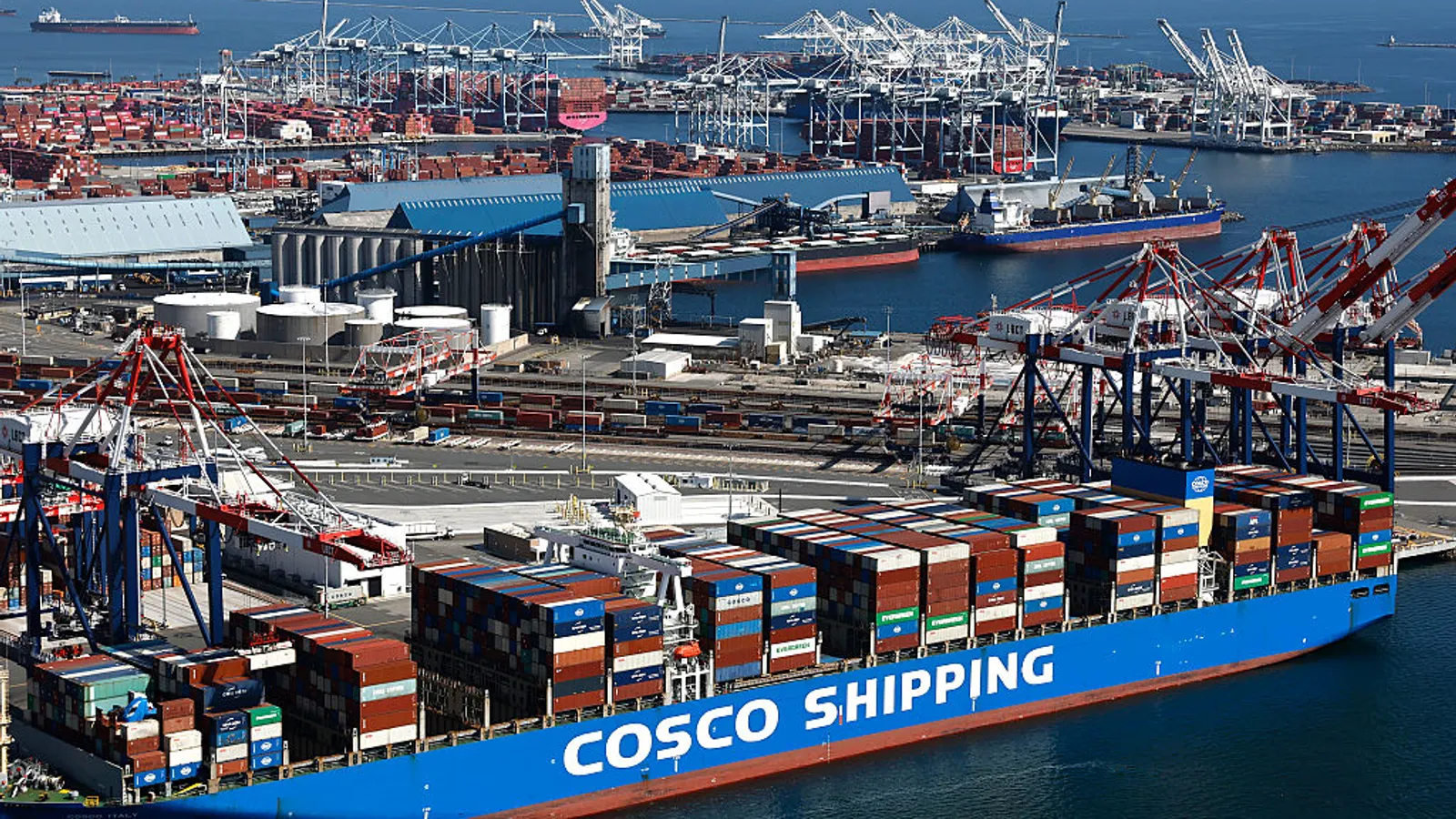
- 2021-2022: The "Great Supply Chain Disruption" saw historic port congestions and record-high freight costs, as companies scrambled to find space on ships that were unavailable.
- 2023-Present: A focus on "de-risking" has taken hold. Organizations are now shifting away from globalization at any cost toward "friend-shoring" and regionalization, prioritizing stability over the absolute bottom-line cost.
Diversification: The Antidote to Single-Source Vulnerability
Depending on a single supplier is a recipe for catastrophic failure. While this model is highly efficient when the world is functioning perfectly, it creates a "single point of failure" that can paralyze an entire enterprise the moment a crisis occurs. By the time a company realizes it needs a backup supplier during a global emergency, the cost of switching is exponential, and the lead times are often prohibitive.
The Strategy of Redundancy
A robust supplier network is not a waste of capital; it is an insurance policy. By qualifying suppliers in different geographic regions, firms create options rather than excuses. This process involves:
- Geographic Hedging: Ensuring that suppliers are not concentrated in a single earthquake zone, conflict area, or trade bloc.
- Regular Engagement: Maintaining active, small-scale contracts with secondary suppliers ensures that, when a primary source fails, the secondary partner is already integrated into your systems and ready to scale up.
This level of preparation transforms what would otherwise be a production stoppage into a manageable, minor adjustment.
The Micro-Crisis: Focusing on Critical Components
Procurement discussions are often dominated by the high-value equipment or finished goods that define a company’s catalog. Yet, production lines rarely stop because a multi-million-dollar turbine is missing; they stop because of a ten-cent relay or a specific set of connectors.
The Anatomy of a Bottleneck
The "missing link" phenomenon is a recurring theme in manufacturing. A lack of standardized fasteners or circuit board components can prevent an entire assembly—valued at hundreds of thousands of dollars—from leaving the factory floor.
To mitigate this, procurement teams must treat "C-class" components with the same strategic importance as "A-class" machinery. Dependable lead times for small, essential parts are the bedrock of operational uptime. Companies that invest in deep visibility into their Tier 2 and Tier 3 suppliers—the people who make the components that go into the components—are the ones that avoid the "unexpected" downtime that plagues their competitors.
Data-Driven Agility: Eliminating the Guesswork
In the past, inventory planning was an exercise in forecasting based on historical sales data. Today, that is insufficient. Modern procurement requires live data streams that act as an early warning system.
Leveraging Predictive Analytics
Guesswork leaves little room for agility. By utilizing integrated ERP (Enterprise Resource Planning) systems, companies can spot demand spikes weeks, if not months, in advance.
- Early Signal Detection: When a manufacturer spots a trend—such as an uptick in demand for a specific component—they can begin increasing orders incrementally.
- Strategic Stockpiling: Rather than competing with the entire market for limited inventory at premium "spot prices" once a shortage becomes common knowledge, data-driven firms secure their stock through normal, predictable purchasing channels.
Flexibility as a Corporate Culture
Markets are never static. Supplier performance degrades, freight costs fluctuate with oil prices, and lead times expand or contract based on geopolitical volatility. Businesses that treat their procurement strategy as a static document that is reviewed annually are setting themselves up for failure.
The Contingency Lifecycle
Contingency plans are only as good as their most recent update. A plan that has sat in a digital folder for three years is likely obsolete. To maintain a state of "perpetual readiness," procurement leaders must:
- Regularly Reassess: Conduct quarterly audits of alternative suppliers and critical material sources.
- Stress-Test Scenarios: Run "war game" simulations where a key supplier is removed from the equation to see how quickly the team can pivot.
Official Responses and Industry Implications
Industry leaders and government trade agencies have begun to formalize these shifts. According to the U.S. Department of Commerce, the focus has shifted from "just-in-time" to "just-in-case," emphasizing the need for transparency and deep supplier relationships.
The implication for leadership is clear: Procurement is a strategic, not a tactical, function.
Purchasing decisions influence far more than just the procurement budget; they dictate customer service levels, production capacity, profitability, and long-term brand equity. When procurement teams share their priorities with operations and the C-suite, sourcing decisions reflect the broader direction of the business.
Conclusion: The Long-Term View
The transition toward resilient supply chains is not a short-term project; it is a fundamental shift in business philosophy. It requires the courage to move away from the "lowest price" mandate in favor of long-term stability and supplier partnership.
By diversifying networks, obsessing over critical small components, leveraging predictive data, and keeping contingency plans fresh, organizations can insulate themselves from the chaos of the global market. In the end, the most efficient supply chain is not the one that costs the least to run on a sunny day—it is the one that keeps running when the storm hits.
As global trade continues to evolve, the businesses that will thrive are those that recognize that resilience is not a cost center, but the ultimate competitive advantage. Through careful planning and a commitment to visibility, the modern enterprise can turn the uncertainty of the global market into a strategic asset, ensuring that they remain standing long after their competitors have been forced to close their doors.