By Mark Segal
October 27, 2026
In a significant milestone for international corporate finance and the global energy transition, Spanish multinational utility giant Iberdrola has officially returned to the United States debt market. On October 27, 2026, the company announced the successful pricing of a $1.6 billion green bond issuance, marking its first direct foray into the U.S. capital markets since 2009. This strategic move signals not only a diversification of Iberdrola’s financing channels but also a deepening commitment to the expansion of U.S. electricity infrastructure, particularly in the renewable energy and grid transmission sectors.
Main Facts: The Structure of the Issuance
The issuance was executed in two equal tranches of $800 million, designed to capture diverse investor interest across the maturity spectrum. The first tranche consists of a 3-year bond maturing in November 2029, carrying a coupon rate of 5.40%. The second tranche comprises a 7-year bond with a 5.85% coupon.
The transaction was met with overwhelming demand from institutional investors, resulting in an order book that exceeded $5 billion—more than three times the size of the initial offering. Iberdrola management attributed this robust reception directly to the “green” designation of the debt, which mandates that proceeds be exclusively allocated to environmentally sustainable projects.
For Iberdrola, the final cost of this issuance was described as highly competitive, aligning closely with the pricing the company could have achieved had it opted for the traditional Euromarkets. This efficiency in pricing underscores the growing appetite among U.S.-based investors for high-quality, ESG-labeled fixed-income instruments.
A Chronology of Sustainable Finance
Iberdrola’s return to the U.S. is not an isolated event but rather the latest chapter in a long-standing commitment to sustainable finance that began well over a decade ago.
- 2009: Iberdrola executes its last direct issuance in the U.S. debt market, before shifting its primary focus toward European and international credit markets for the next seventeen years.
- 2021: The company announces a paradigm shift in its capital structure, pledging to increase the proportion of green and sustainable financial products in its portfolio. This strategy aimed to align its debt profile with its long-term decarbonization goals.
- 2025: A pivotal year for the company’s ESG mandate. By the end of 2025, Iberdrola reported that 99% of its new financing was sustainable. At this point, the group’s total sustainable financing had ballooned to over €66 billion.
- October 2026: Iberdrola re-enters the U.S. bond market with its $1.6 billion issuance, signaling a renewed focus on American infrastructure as a core component of its global growth strategy.
Supporting Data: Scaling the Energy Transition
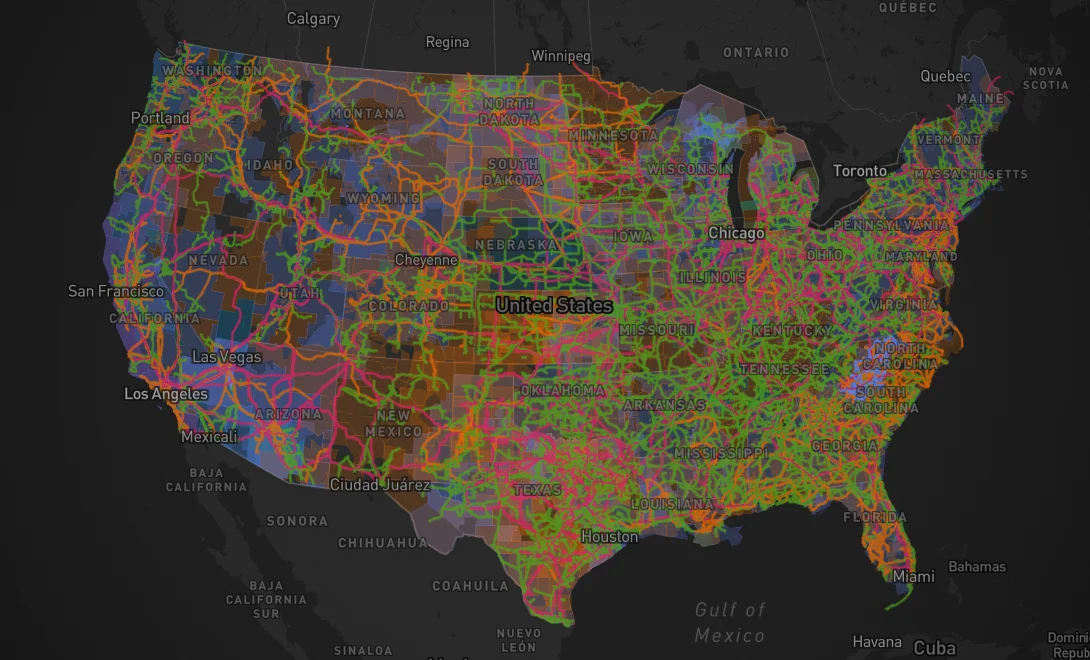
The scale of Iberdrola’s ambition is reflected in its capital expenditure plans. The company has explicitly stated that it anticipates annual investments of $5 billion in the United States over the coming years. These funds are earmarked for critical electricity network assets, with a primary focus on strengthening transmission infrastructure and scaling up renewable energy facilities.
The reliance on green bonds is central to this strategy. By issuing debt specifically tied to environmental outcomes, Iberdrola effectively lowers its risk profile for ESG-conscious investors while ensuring that every dollar raised contributes to the global energy transition.
The following breakdown highlights the company’s financial trajectory:
- Total Sustainable Financing (as of end-2025): Exceeding €66 billion.
- Sustainable Financing Ratio (2025): 99% of all new debt signed.
- U.S. Investment Forecast: $5 billion annually for the near-to-mid-term future.
- Issuance Oversubscription: 3.1x coverage, indicating strong institutional confidence.
Official Strategic Rationale
In official communications, Iberdrola framed the return to the U.S. market as a strategic expansion of its liquidity toolkit. By tapping into the vast U.S. capital pool, the company achieves two primary objectives: diversifying its sources of financing and reducing reliance on European-centric markets.

"The decision to re-enter the U.S. market opens a new financing channel for the company, allowing it to expand and diversify its sources of financing," a company spokesperson stated. By establishing a footprint in the U.S. debt space, Iberdrola gains greater flexibility to manage interest rate risks and access deeper liquidity pools, which are essential for financing the capital-intensive nature of utility-scale renewable energy projects.
Furthermore, the "green" label is not merely a branding exercise. It serves as a rigorous framework for project selection, ensuring that proceeds are strictly allocated to assets that drive energy efficiency, clean transportation, waste management, and renewable generation.
Implications for the Energy and Finance Sectors
The success of this issuance has several profound implications for the energy sector and the broader financial markets:
1. Validation of the Green Bond Market
The fact that a major utility company saw 3x oversubscription for a multi-billion dollar green issuance demonstrates that the market for ESG-labeled debt remains resilient. Even in a fluctuating interest rate environment, institutional investors are signaling that they view climate-aligned assets as stable, long-term investments. This provides a template for other global utilities looking to fund the transition to a low-carbon economy.
2. Strengthening U.S. Infrastructure
With $5 billion in projected annual investments, Iberdrola is positioning itself as a central player in the modernization of the U.S. power grid. As the United States moves toward a more electrified economy—driven by data centers, electric vehicles, and industrial decarbonization—the need for robust, renewable-integrated transmission lines is at an all-time high. Iberdrola’s ability to secure large-scale, low-cost capital ensures these projects can move from the drawing board to reality.

3. Global Capital Mobility
Iberdrola’s move highlights the fluidity of global capital. By leveraging its strong balance sheet to attract U.S. investors, the company is effectively importing capital to drive local development in the U.S. energy sector. This cross-border flow of funds is critical for the energy transition, as it allows companies with proven track records in one region (Europe) to export their expertise and scale operations in another (the U.S.).
4. Setting the Standard for Corporate Reporting
Iberdrola’s transparency—evidenced by its 99% sustainable financing ratio in 2025—sets a high bar for its peers. As regulatory bodies around the world move toward stricter ESG disclosure requirements, firms like Iberdrola are already well ahead of the curve. Their ability to integrate sustainability metrics into their core financial reporting makes them an attractive partner for pension funds and sovereign wealth funds that face their own mandate-driven ESG requirements.
Conclusion: A Future-Proof Strategy
The $1.6 billion issuance is more than just a successful bond sale; it is a declaration of intent. By returning to the U.S. market, Iberdrola is signaling that it views the United States as a primary theater for its future growth.
The combination of massive institutional demand, a clear focus on grid infrastructure, and a decade-long commitment to sustainable financing creates a powerful narrative of stability and purpose. As the energy transition accelerates, the ability to secure capital at scale will be the defining factor for utilities worldwide. Iberdrola’s latest move confirms that, for them, the path to growth is inextricably linked to the path to sustainability. With the capital secured and the strategy set, the company is well-equipped to meet the rigorous demands of the evolving U.S. energy landscape.