In the contemporary business landscape, social media has transcended its origins as a mere tool for interpersonal connectivity to become the cornerstone of modern commerce. For businesses ranging from local boutiques to global conglomerates, social media marketing represents the most effective mechanism for building authentic, lasting relationships with an audience. However, for those who are not digital natives or avid social media power users, the landscape can appear daunting. Navigating the intersection of brand voice, algorithmic shifts, and consumer expectations requires more than just an account—it requires a strategic roadmap.
Main Facts: Defining the Social Ecosystem
Social media marketing is the strategic deployment of social platforms—including Facebook, Instagram, TikTok, Twitter (X), and LinkedIn—by brands to achieve specific business objectives. At its core, it is not merely about posting content; it is about cultivating a digital presence that resonates with a target demographic.
Key objectives of modern social marketing include:
- Brand Awareness: Increasing visibility among target demographics.
- Customer Engagement: Facilitating two-way communication between the brand and the consumer.
- Lead Generation: Converting social interactions into actionable business inquiries.
- Direct Sales: Utilizing "Social Commerce" features to process transactions without users leaving the platform.
- Community Building: Creating spaces where brand loyalists can interact and share experiences.
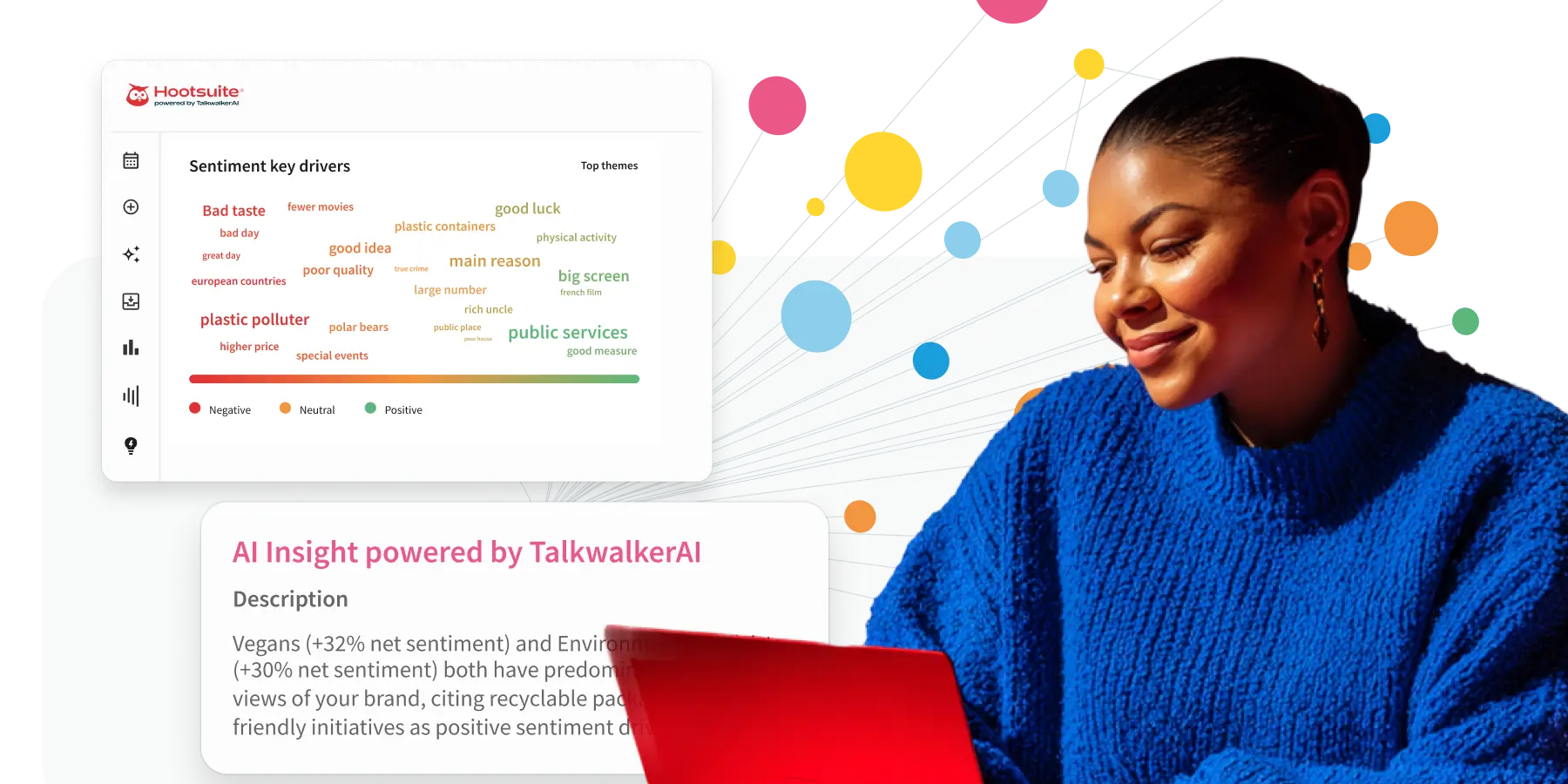
The core components of a successful strategy include content curation, consistent scheduling, community management, social listening (monitoring what is being said about your brand), and performance analytics.
Chronology: The Evolution of Digital Engagement
To understand the current state of social media marketing, one must look at its rapid evolution over the last two decades.
- The Early 2000s (The Era of Discovery): Social platforms were primarily for socialization. Marketing was rudimentary, often consisting of simple banner ads or early brand pages that functioned like static brochures.
- The 2010s (The Rise of Influencers and Content): With the explosion of mobile connectivity, brands began to focus on content quality. The "Algorithm" became a household term, and marketing shifted toward storytelling, video content, and influencer partnerships.
- The 2020s (The Age of Authenticity and AI): Following the global shift toward digital-first interactions, consumers began demanding "humanized" brands. Today, we are in the era of short-form video (TikTok/Reels) and AI-driven insights, where authenticity and real-time responsiveness are the primary currencies of success.
Supporting Data and Platform Utility
The efficacy of social media marketing is backed by the sheer volume of global users. While the "Big Four" (Facebook, Instagram, LinkedIn, and TikTok) dominate the conversation, the choice of platform should always be dictated by audience behavior rather than mere popularity.
The Landscape of Influence
- Facebook: Remains the primary hub for demographic targeting and community-building through groups and pages. It is essential for older demographics and localized business discovery.
- Instagram: A visual-first platform that is critical for lifestyle, fashion, and retail brands. Its strength lies in its ecosystem of visual storytelling.
- TikTok: The current king of virality. It prioritizes content discoverability over follower count, making it a powerful tool for brands willing to lean into trends and "lo-fi", authentic video content.
- LinkedIn: The professional gold standard. Essential for B2B enterprises, talent acquisition, and thought leadership.
Beyond these giants, niche platforms like Reddit, Discord, or regional powerhouses like WeChat and LINE allow brands to tap into highly specific, localized, or interest-based communities.
Case Studies: Excellence in Practice
Success in social media marketing often stems from a brand’s ability to align its personality with its platform.
Wendy’s: The Art of the "Roast"
Wendy’s Twitter presence revolutionized corporate social media. By abandoning the sterile, "corporate speak" that dominated the industry, they adopted a witty, often snarky persona. This humanized the brand, turning their account into a source of entertainment that generates earned media coverage every time they tweet.
Netflix: Community-Centric Storytelling
Netflix utilizes Facebook to turn passive viewers into active community members. By sharing behind-the-scenes content, memes, and conversation-starters, they treat their social page as a digital water cooler, keeping their intellectual property top-of-mind for subscribers.
L’Oréal: Value-Driven Authority
On LinkedIn, L’Oréal shifts its tone entirely. They focus on education, environmental sustainability, and internal culture. By acknowledging that their LinkedIn audience is interested in professional growth and corporate ethics, they successfully cultivate trust among potential talent and industry peers.
Gymshark: The Power of Community
Gymshark’s dominance on TikTok is a masterclass in audience understanding. By curating content that is both educational (workout routines) and humorous (relatable gym struggles), they remove the intimidation factor of fitness. They foster a sense of belonging, positioning themselves as a lifestyle partner rather than just an apparel company.
Implications for Future Strategy
As we look forward, the implications for businesses are clear: The "End of Marketing" is upon us. As posited by industry experts like Carlos Gil, we are entering a phase where the "brand" as a faceless entity is dying. Consumers now demand to interact with people, not logos.
Humanizing the Brand
The most significant implication for businesses is the need for a "human-first" approach. This involves:
- Prioritizing Engagement over Sales: If you only talk about your product, you will be ignored. If you provide value, entertainment, or education, you will be followed.
- Integrating Digital Ecosystems: As noted by Avery Swartz in See You on the Internet, your social media strategy cannot exist in a vacuum. It must be a seamless extension of your website, your email newsletters, and your overall digital presence.
- Leveraging Data for Agility: With the tools available today—such as the resources provided by platforms like Hootsuite—there is no excuse for "guessing." Businesses must use performance metrics to pivot their content strategies in real-time.
Official Guidance: Getting Started
For those ready to build their foundation, the path to success follows a clear structure:
- Audience Audit: Determine where your target demographic spends their time. Do not attempt to be everywhere; be where it matters.
- Strategic Planning: Use templates and planning tools to create a consistent content calendar. Consistency is the primary factor in algorithmic favorability.
- Resource Integration: Utilize existing knowledge bases. Books like See You on the Internet by Avery Swartz provide essential frameworks for small business owners to align their digital marketing with their growth goals.
- Embrace the Human Element: Invest in the philosophy presented in The End of Marketing by Carlos Gil. Focus on building trust and rapport. When you focus on humanizing your brand, the sales often follow as a byproduct of that established trust.
Conclusion
Social media marketing is not a temporary trend; it is the modern-day town square. While the technological landscape will continue to shift—with AI integration and new platform paradigms—the core requirement remains the same: the ability to listen, engage, and offer genuine value to your audience. Whether you are a small business owner or a marketing executive, the key to success lies in the transition from "broadcasting" to "conversing." By adopting a strategy that is human-centric, data-informed, and strategically aligned, any brand can turn the overwhelming noise of the internet into a chorus of loyal customers.