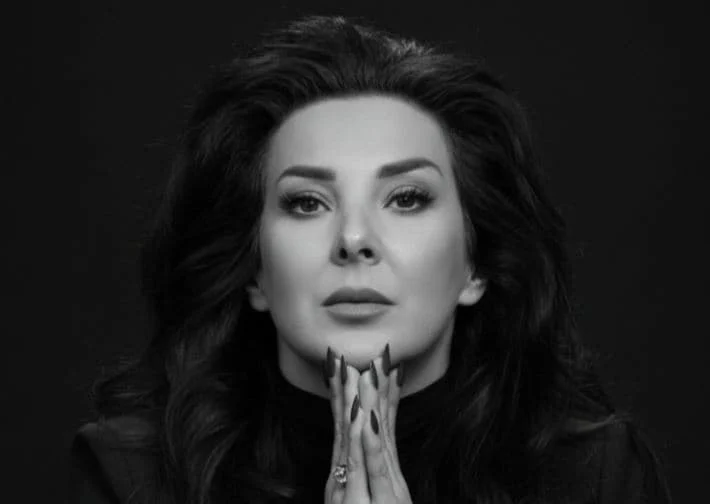
Peja, Kosovo – October 26, 2026 – In a harrowing turn of events that has sent shockwaves across Kosovo, attorney Adelina Hoxha, representing the brutally murdered Arlinda Zeka, has collapsed from distress and is currently receiving medical treatment. From her hospital bed, amidst tears and profound sorrow, Hoxha has launched a scathing accusation against the state, holding the Prosecutor’s Office primarily responsible for the heinous killing of her client, a young mother, which occurred last night in Vitomirica, Peja.
The tragic death of Arlinda Zeka has ignited a fierce debate about the efficacy of victim protection mechanisms within Kosovo’s justice system. Adelina Hoxha’s emotional yet resolute statements have amplified the public’s outrage, transforming a singular act of violence into a broader indictment of systemic failures. Her vow to pursue justice, even at the cost of her own well-being, underscores the depth of the crisis and the desperate need for accountability.
The Main Facts: A Cry for Justice Amidst Tragedy
The brutal murder of Arlinda Zeka, a mother of one, in Vitomirica, Peja, on the evening of October 25, 2026, has plunged the nation into mourning and sparked widespread condemnation. While details surrounding the perpetrator and the exact circumstances of the crime remain under active investigation, the immediate aftermath has been dominated by the profound distress and subsequent accusations made by Arlinda’s lawyer, Adelina Hoxha.
Ms. Hoxha, visibly distraught and physically debilitated by the news of her client’s cruel demise, has been placed on an intravenous infusion due to the severe emotional and psychological toll the tragedy has taken. Despite her fragile state, her voice, albeit tear-choked, resonated with an unwavering resolve to seek justice. In a poignant interview with Indeksonline, she directly attributed responsibility for Arlinda’s death to the state apparatus, with a particular focus on the Prosecutor’s Office. Her claims suggest a profound failure in protecting a vulnerable citizen, turning the spotlight onto institutional negligence and the dire consequences it can bear. The incident has not only highlighted the individual tragedy of Arlinda Zeka but also reignited urgent calls for a comprehensive overhaul of the country’s victim protection policies and judicial oversight.
The Lawyer’s Unwavering Resolve: A Personal and Professional Ordeal
Adelina Hoxha’s powerful and emotionally charged statements have transcended the typical legal discourse, laying bare the personal anguish she feels for Arlinda Zeka. Her condition, requiring medical intervention, speaks volumes about the emotional burden carried by legal professionals who become deeply invested in the lives and struggles of their clients. "I won’t die without putting someone in jail," she declared, her voice cracking with emotion, yet firm in its resolve. This declaration is not merely a threat but a profound commitment to ensuring that those responsible, both directly and indirectly, face the full force of justice.
Her accusation extends beyond the immediate perpetrator, implicating a wider network of alleged negligence and complicity. "Everyone is involved in the case. Everyone is guilty, and today they are trying to justify themselves with lies," Hoxha asserted, painting a grim picture of institutional cover-ups and a desperate scramble to evade responsibility. This broad condemnation suggests that the failure to protect Arlinda was not an isolated oversight but potentially a symptom of a deeper, more pervasive malaise within the justice system.
The most damning of her accusations was reserved for the Prosecutor’s Office, which she explicitly labeled as the "main responsible party." This direct challenge to a key pillar of the justice system implies a severe dereliction of duty, suggesting that critical warnings were ignored, protective measures were not enforced, or necessary actions were simply not taken.
Hoxha’s connection to Arlinda was evidently profound and personal. "Arlinda had become a part of my life," she recounted, tears streaming down her face. "Every day she called me, and every day we talked about her hardships." This deeply personal insight reveals a client who was in constant communication with her lawyer, sharing her fears and struggles, presumably seeking protection and guidance through a perilous period in her life. The heartbreaking revelation that Arlinda’s last desperate wish was to "see her son before she died" serves as a poignant testament to the terror she endured and the premonition she harbored about her own fate. It underscores the urgency and gravity of her appeals, which, according to her lawyer, were tragically ignored by those entrusted with safeguarding her life.
A Chronology of Foreboding and Fatal Neglect
The narrative of Arlinda Zeka’s life, as pieced together through Adelina Hoxha’s anguished statements, appears to be a tragic chronology of escalating fear, unheeded pleas, and ultimately, fatal neglect. While the full investigative details are yet to emerge, Hoxha’s account offers a chilling glimpse into the preceding events that arguably culminated in Arlinda’s brutal murder.

Arlinda’s Plight and Warnings
Arlinda Zeka, a young mother, had evidently been living under immense duress, her life marked by "hardships" that led her to seek legal counsel from Adelina Hoxha. While the exact nature of these struggles has not been explicitly detailed, the context of a "brutal murder" and a mother’s desperate plea to see her child before death strongly suggests a history of domestic violence, threats, or an ongoing custody battle with a dangerous individual. It is highly probable that Arlinda had been subjected to various forms of abuse or intimidation, pushing her to actively seek legal avenues for protection and safety. Her daily calls to her lawyer were not mere check-ins but likely urgent appeals for intervention, expressions of fear, and detailed accounts of the perilous situation she found herself in.
The Unheeded Pleas
Adelina Hoxha’s powerful accusation against the Prosecutor’s Office implies that Arlinda’s appeals for protection were not only communicated but were also, critically, not acted upon effectively. It suggests that there were explicit warnings, possibly even formal reports or requests for protection orders, that were either dismissed, delayed, or inadequately enforced by the relevant state institutions. Arlinda’s tragic premonition, "I want to see my son before I die," is particularly damning, indicating that she had a clear understanding of the grave danger she faced and communicated this fear to those who might have been able to prevent her death. This points to a potential failure at multiple levels: from the initial assessment of risk, to the processing of her complaints, to the implementation of protective measures, and ultimately, to the proactive monitoring of her safety.
The Horrific Discovery
The night of October 25, 2026, brought Arlinda Zeka’s worst fears to fruition. In Vitomirica, a village on the outskirts of Peja, her life was brutally cut short. The term "mizore" (brutal/cruel) used to describe her murder suggests a crime of extreme violence, leaving no doubt about the perpetrator’s intent to inflict maximum harm. The details of the discovery, the initial police response, and the forensic examination are now central to the ongoing investigation. The immediate aftermath would have seen local authorities securing the crime scene, gathering evidence, and launching a manhunt for the perpetrator(s). However, the focus quickly shifted beyond the immediate act to the systemic failures that, according to her lawyer, allowed this tragedy to unfold.
Adelina’s Collapse and Vow
The news of Arlinda’s murder had an immediate and devastating impact on Adelina Hoxha. Her professional duty had evolved into a deep personal connection, and her client’s death felt like a personal failure, despite her best efforts. The physical manifestation of her distress – requiring an intravenous infusion – highlights the immense emotional toll. Yet, even in this vulnerable state, her spirit remained unbroken. Her vow, "I won’t die without putting someone in jail," transcends a mere professional commitment; it is a profound declaration of moral imperative, signaling her unwavering determination to ensure that Arlinda’s death serves as a catalyst for systemic change and accountability, not merely another statistic.
Systemic Failures: A Broader Context of Vulnerability
Adelina Hoxha’s accusations against the state and the Prosecutor’s Office resonate deeply within a broader context of ongoing challenges in protecting victims, particularly women, from violence in Kosovo. This tragedy is not an isolated incident but rather highlights persistent vulnerabilities within the justice system and societal structures.
The Shadow of Domestic Violence in Kosovo
Gender-based violence, especially domestic violence, remains a pervasive issue in Kosovo, despite concerted efforts by civil society and international organizations to combat it. Statistics, often underreported, consistently reveal a distressing prevalence of physical, psychological, and economic abuse against women. Victims frequently face immense barriers to reporting, including societal stigma, fear of retaliation, economic dependence, and a lack of trust in institutions. Many women who do report often find themselves navigating a labyrinthine legal process that can be slow, unresponsive, or, as alleged in Arlinda Zeka’s case, fatally ineffective. The murder of Arlinda Zeka, particularly with the lawyer’s prior warnings, casts a long shadow on the effectiveness of existing protection mechanisms and underscores the urgent need for a more robust, victim-centric approach.
Legal Frameworks and Their Cracks
Kosovo has enacted laws aimed at protecting victims of domestic violence, including provisions for protection orders, restraining orders, and specialized police units. The Criminal Code also outlines severe penalties for acts of violence. However, the gap between legislation and its practical implementation often proves to be a fatal flaw. Issues such as inadequate training for law enforcement and judicial personnel, insufficient resources for victim support services, and a prevailing patriarchal mindset within some segments of society can undermine the spirit of these laws. Furthermore, the coordination between various institutions – police, prosecutors, social services, and shelters – is often fragmented, creating dangerous loopholes through which vulnerable individuals can fall. Adelina Hoxha’s direct accusation against the Prosecutor’s Office points to a critical failure in the enforcement chain, where a crucial institution, designed to uphold justice and protect citizens, is alleged to have fallen short.
Precedent of Unanswered Calls
Tragically, Arlinda Zeka’s case is not the first instance where victims of violence in Kosovo have allegedly been failed by the system. There have been numerous high-profile cases over the years where individuals, particularly women, who had reported threats or sought protection, later became victims of severe violence, including murder. These incidents have repeatedly sparked public outcry and demands for accountability, often leading to temporary reforms or promises of stricter enforcement. However, the recurring nature of such tragedies suggests that fundamental systemic issues persist. These previous failures contribute to a pervasive sense of impunity for perpetrators and a deep-seated distrust in the institutions among potential victims, making it even harder for them to come forward. The collective memory of these unheeded calls for help adds significant weight to Adelina Hoxha’s current accusations, reinforcing the public perception that the state has repeatedly failed in its most fundamental duty: to protect its citizens.
Official Responses and the Demand for Accountability
The gravity of Adelina Hoxha’s accusations and the public outcry following Arlinda Zeka’s brutal murder necessitate immediate and transparent responses from the implicated state institutions. The integrity of Kosovo’s justice system now hinges on how these accusations are addressed.

The Prosecutor’s Office Under Scrutiny
As the primary target of Adelina Hoxha’s condemnation, the Prosecutor’s Office faces intense pressure to provide a comprehensive explanation for its alleged failures. The public expects not only a formal statement acknowledging the tragedy but also a clear outline of the steps being taken to investigate the claims of negligence. This should include an immediate internal inquiry into the handling of Arlinda Zeka’s case, examining all reports, requests for protection, and communications involving her and her lawyer. The Chief Prosecutor or a designated spokesperson will likely need to address the public, detailing what actions were taken, or not taken, and why. Any attempt to dismiss or downplay Hoxha’s accusations without thorough investigation would severely erode public trust and invite further criticism.
Police Actions and Omissions
The Kosovo Police, as the first line of defense and response, will also face scrutiny regarding their prior involvement in Arlinda Zeka’s case. Were there previous reports of violence or threats filed by Arlinda? How were these reports investigated and processed? Were protection orders, if issued, adequately enforced and monitored? The police force will need to demonstrate its commitment to a transparent investigation into its own actions or omissions leading up to the murder. This might involve reviewing protocols for handling domestic violence cases, assessing the training of officers, and ensuring that all previous interactions with Arlinda Zeka are fully documented and publicly accounted for, where appropriate.
Governmental Imperatives
Beyond the immediate law enforcement and judicial bodies, the broader government, particularly the Ministry of Justice and the Ministry of Interior, will be compelled to respond. This tragedy highlights a systemic issue that demands a governmental-level commitment to reform. Ministers may be expected to issue statements acknowledging the seriousness of the situation, reiterating their dedication to combating gender-based violence, and outlining long-term strategies for improving victim protection. This could include promises of increased funding for support services, enhanced inter-agency cooperation protocols, and legislative amendments to strengthen existing laws. The government’s response will be crucial in restoring public confidence and demonstrating a genuine commitment to addressing the root causes of such failures.
Civil Society’s Unified Voice
In the wake of Arlinda Zeka’s murder, civil society organizations, human rights advocates, and women’s rights groups are expected to mobilize, amplifying the calls for accountability and systemic change. They will likely organize protests, public forums, and advocacy campaigns to keep pressure on state institutions. Their demands will extend beyond punitive measures for the direct perpetrator, pushing for a thorough examination of institutional accountability and calling for comprehensive reforms in judicial processes, police response, and victim support services. Their collective voice will serve as a vital check on governmental inaction, ensuring that Arlinda Zeka’s death does not become another forgotten tragedy but rather a catalyst for meaningful, lasting change.
Implications: Erosion of Trust and the Path to Reform
The brutal murder of Arlinda Zeka, coupled with her lawyer’s visceral accusations, carries profound implications for Kosovo’s societal fabric and the public’s faith in its justice system. This tragedy is more than an isolated crime; it represents a stark failure that could deeply erode the already fragile trust between citizens and the institutions meant to protect them.
Public Faith on the Brink
When a citizen who has actively sought protection from the state ultimately falls victim to violence, it sends a chilling message to others in similar perilous situations. It fosters a pervasive sense of insecurity and helplessness, leading potential victims to question the utility of reporting threats or seeking legal recourse. The belief that the state cannot or will not protect its most vulnerable members undermines the very foundation of rule of law and social order. Adelina Hoxha’s public condemnation, therefore, is not just about Arlinda Zeka; it is about the thousands of other women and vulnerable individuals who may now feel abandoned and exposed. The erosion of public trust can have long-lasting consequences, leading to disengagement, cynicism, and a reluctance to cooperate with authorities, thereby further perpetuating cycles of violence and impunity.
Beyond the Perpetrator: A Call for Institutional Justice
Adelina Hoxha’s unwavering vow to "put someone in jail" extends beyond the immediate perpetrator of Arlinda’s murder. Her words demand institutional justice – accountability for those within the system whose alleged negligence, inaction, or incompetence contributed to this tragic outcome. This paradigm shift from solely prosecuting the direct offender to also scrutinizing systemic failures is crucial for preventing future tragedies. It necessitates a critical examination of every link in the chain of protection: from initial police response to prosecutorial decisions, judicial oversight, and the implementation of social support mechanisms. True justice for Arlinda Zeka would not only involve bringing her killer to justice but also holding accountable any officials whose actions, or lack thereof, directly or indirectly facilitated her death. This is a call for a justice that is preventative as well as punitive.
The Enduring Legacy of Arlinda Zeka
Arlinda Zeka’s brutal death, amplified by the heartbreaking testimony of her lawyer, must serve as a potent and tragic reminder of the human cost of systemic failures. Her story, and her desperate wish to see her son one last time, will undoubtedly become a symbol in the ongoing fight against gender-based violence in Kosovo. Her legacy, though born of immense sorrow, has the potential to fuel a powerful movement for genuine reform. It is a stark reminder that behind every statistic of violence lies a human being with a story, a family, and unfulfilled dreams. For her son, who will grow up without his mother, the pursuit of accountability and systemic change becomes not just a matter of justice, but a moral imperative.
The coming weeks and months will be critical for Kosovo. The nation watches as institutions grapple with these grave accusations, hoping that Arlinda Zeka’s tragedy will finally catalyze the profound and lasting changes needed to ensure that no other life is lost due to the state’s failure to protect. The weight of Adelina Hoxha’s tears and her unwavering resolve now rests heavily on the shoulders of the very system she blames, demanding an answer that goes beyond mere words – an answer measured in genuine justice and tangible reform.