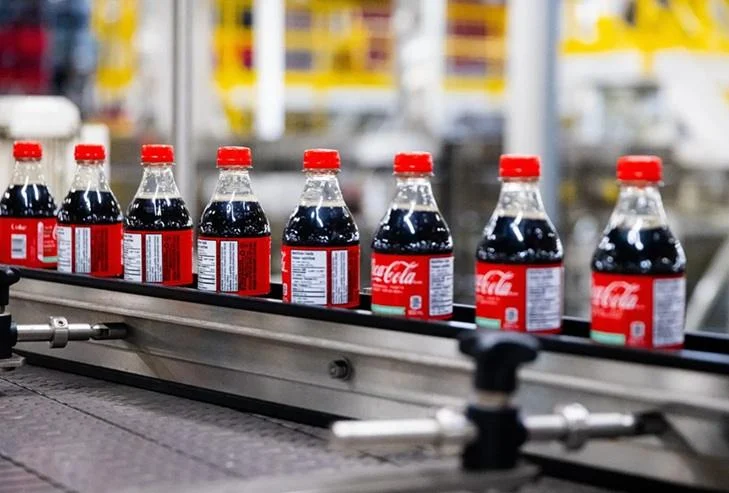
In a landmark victory for consumer transparency and environmental integrity, three of the world’s largest food and beverage conglomerates—Coca-Cola, Nestlé, and Danone—have officially committed to modifying the marketing and labeling of their plastic products. This sweeping policy shift comes as a direct result of a sustained campaign by the European Consumer Organisation (BEUC) and the subsequent regulatory pressure applied by the European Commission and the Consumer Protection Cooperation (CPC) network.
The move marks a significant departure from decades of aggressive, and often imprecise, "green" marketing. For years, these corporations utilized broad claims like “100% recyclable” and “100% recycled” to appeal to environmentally conscious shoppers. However, as the European Union tightens its grip on corporate sustainability reporting and anti-greenwashing directives, these companies have been forced to align their packaging claims with the physical realities of global recycling infrastructure and material science.
The Core Dispute: Defining the Limits of Recyclability
The controversy originated in November 2023, when the BEUC, supported by member organizations across 13 European nations, filed a formal alert against the three giants. The core of the complaint was not necessarily the absence of recycling efforts by the companies, but rather the potential for consumer deception regarding the actual lifecycle of plastic bottles.
The Problem with "100% Recyclable"
The BEUC argued that labels stating a product is “100% recyclable” are inherently misleading if they do not account for the systemic limitations of recycling infrastructure. Even if a bottle is made of a material that is technically recyclable (like PET plastic), the actual process depends on several variables:
- Collection Infrastructure: Are local municipalities equipped to collect this specific plastic?
- Sorting Efficacy: Does the facility have the technology to separate this material from waste streams?
- Material Integrity: Are the labels, adhesives, and caps compatible with the recycling process?
By omitting these nuances, the consumer is led to believe that the item will be recycled regardless of where it is discarded, which is often far from the truth.
The Deception of "100% Recycled"
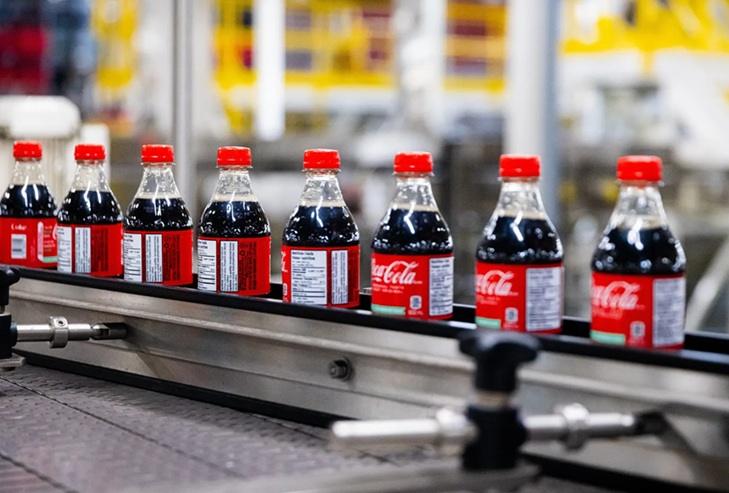
Similarly, the claim of “100% recycled” was flagged for failing to distinguish between the bottle’s main body and its auxiliary components. In many cases, while the clear plastic bottle might contain recycled content, the cap and the label are made of different materials that are often not recycled or even recyclable. Furthermore, the inclusion of virgin plastic—added to maintain material quality—often contradicts the absolute language of “100% recycled” claims.
A Chronology of Regulatory Pressure
The road to these commitments has been a gradual process of negotiation between corporate giants and EU regulators. The resolution did not happen overnight; rather, it was a staggered timeline of dialogues that spanned nearly two years.
- November 2023: The BEUC and 13 consumer groups issue a formal alert, citing widespread greenwashing in the beverage industry.
- June 2025: Following intensive discussions with the CPC network, The Coca-Cola Company becomes the first to conclude its dialogue and commit to label revisions.
- February 2026: Nestlé follows suit, agreeing to update its labeling practices after a lengthy review of its European market products.
- October 2026: Danone finalizes its commitments, effectively closing the loop on the three major players targeted in the original alert.
This timeline reflects a strategic shift by the European Commission, which has favored a "dialogue-first" approach, allowing companies the opportunity to rectify their practices before moving toward more aggressive legal enforcement or heavy fines.
The Specific Commitments: What is Changing?
The changes mandated by this agreement are specific and intended to leave no room for ambiguity. The companies have committed to a series of concrete adjustments:
- Nuanced Labeling: General claims such as “100% recycled” will be replaced with more precise language, such as: "This bottle is 100% recycled. Excluding cap and label." This ensures that the consumer is aware of the specific scope of the recycling claim.
- Removal of Vague Directives: The common call-to-action “Recycle me again” is being phased out in favor of the simpler, less misleading “Recycle me.” Regulators noted that “Recycle me again” created the false impression that the bottle had already been through a recycling cycle before purchase and would inherently be turned into a new bottle—a promise the company cannot guarantee.
- Digital Marketing Alignment: The commitment extends beyond physical packaging. The companies have pledged to review their websites, social media channels, and digital marketing campaigns to ensure that the same level of transparency is applied to their online messaging.
- Overall Brand Impression: The companies must ensure that the visual design—such as the use of green imagery, nature-based logos, or color schemes that imply environmental benefit—does not mislead the consumer regarding the inherent ecological impact of plastic production.
Official Responses and the Regulatory Stance
The response from both the regulator and the consumer advocacy side has been one of measured victory. For the European Commission, this is a test case for how it intends to enforce its stricter environmental consumer laws.

The View from the EU Commission
Michael McGrath, the EU Commissioner for Democracy, Justice, the Rule of Law and Consumer Protection, emphasized that the move is about more than just labeling; it is about protecting the integrity of the Single Market. "European consumers deserve accurate information about the environmental practices of all companies operating in the Single Market," McGrath stated. His words serve as a warning to other industries: environmental claims must be "clear, truthful and in line with EU consumer protection laws."
The Consumer Advocate’s Perspective
Agustín Reyna, Director General of the BEUC, expressed satisfaction with the outcome but reiterated that this is just one step in a much larger fight against corporate greenwashing. "It is great news that the three companies… have now committed to changing their practices to stop misleading consumers," Reyna noted. "Consumers need to be able to trust companies’ environmental claims." His statement underscores the broader challenge: as consumers increasingly prioritize sustainability, the potential for companies to exploit this sentiment through deceptive marketing remains high.
Broader Implications for the Global Market
The impact of this decision is likely to ripple far beyond the borders of the European Union.
The "Brussels Effect"
Much like the General Data Protection Regulation (GDPR) changed how the world handles data, the EU’s approach to greenwashing is expected to set a global standard. When companies like Coca-Cola and Nestlé update their labels for the European market, they often streamline their production lines to match these standards globally. This means that the clarity achieved in Europe may soon be seen on shelves in North America, Asia, and beyond.
A Heightened Risk Environment
For multinational corporations, this agreement signals a permanent shift in the risk landscape. Marketing departments, which were previously given significant leeway to use "aspirational" language in sustainability campaigns, must now work hand-in-hand with legal and compliance teams to ensure that every environmental claim can be scientifically substantiated.

The Future of Circularity
While these changes improve communication, they do not solve the underlying plastic crisis. The move to more transparent labels forces the industry to confront the reality that current recycling rates are insufficient. By clearly stating "Excluding cap and label," companies are implicitly admitting that those components are not currently part of a circular economy. This may force them to invest more heavily in material science—such as developing caps and labels that are fully compatible with current recycling systems—to move closer to the "100%" goal they once claimed to have already achieved.
Conclusion
The agreement reached between the European Commission and the industry titans—Coca-Cola, Nestlé, and Danone—is a milestone in the movement toward corporate accountability. By forcing these companies to move from vague, aspirational marketing to transparent, fact-based communication, the European Union is ensuring that the transition to a sustainable economy is built on honesty rather than optics.
As national consumer protection authorities begin to monitor the implementation of these new labels, the industry will be under a microscope. Failure to comply will no longer be met with a simple warning; the Commission has made it clear that enforcement measures are on the table. For now, the consumer gains a clearer understanding of what they are purchasing, and the market takes a small but vital step toward reality-based sustainability.