This Friday, October 23, marks a significant milestone in the annals of consumer electronics: the 25th anniversary of the iPod. When Steve Jobs pulled the original device from his pocket in 2001, promising "1,000 songs in your pocket," few could have predicted that a quarter-century later, the device would be not just a nostalgic relic, but a thriving commodity in a multi-billion dollar secondary market.
Despite being officially discontinued from Apple’s product lineup, the iPod remains a cultural and economic powerhouse. Data from eBay reveals a staggering statistic: somewhere in the world, a consumer searches for an iPod every two seconds. This enduring demand is not merely a quirk of nostalgia; it is the vanguard of a broader, systemic shift toward "recommerce"—the act of buying and selling pre-owned goods—which is rapidly transforming the retail landscape.
The Chronology of a Revolution: From 2001 to 2026
To understand the current obsession with the iPod, one must look back at its meteoric rise and its eventual sunset.
2001: The Big Bang
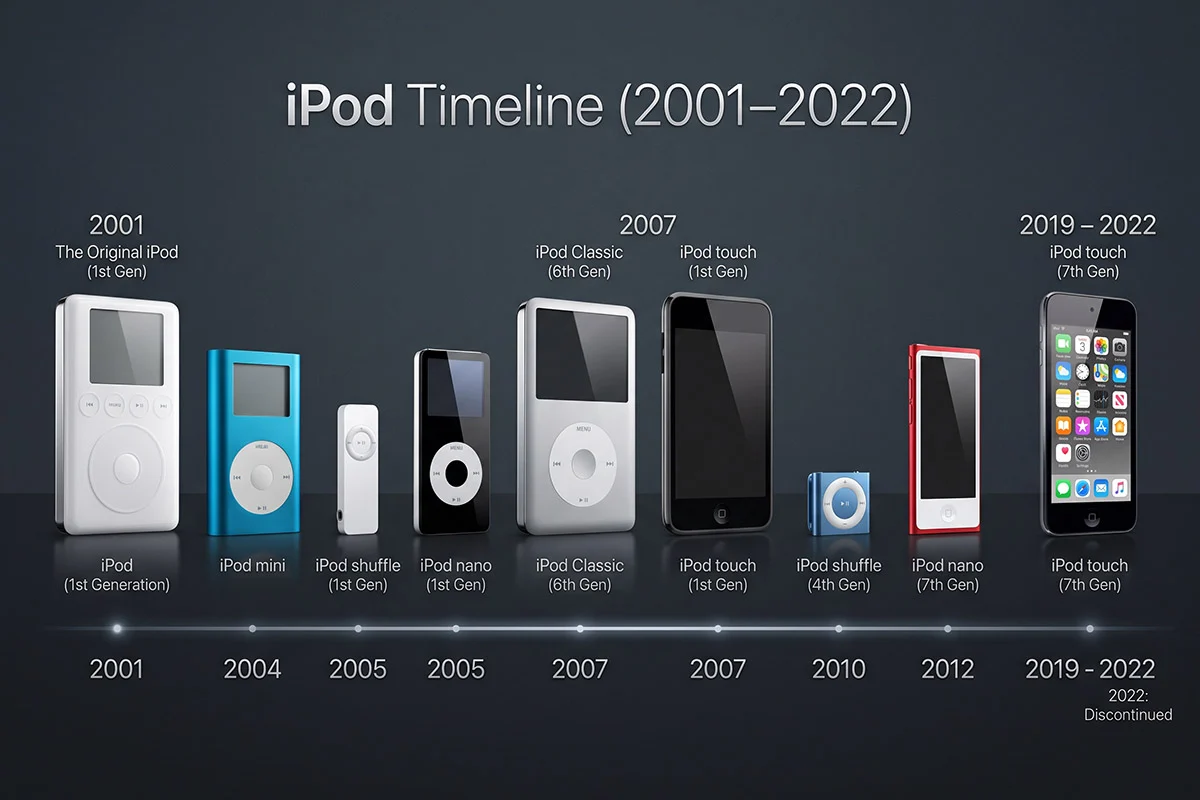
On October 23, 2001, Apple introduced the first-generation iPod. With a 5GB hard drive and a mechanical scroll wheel, it revolutionized the way humanity consumed music. It was the catalyst for the iTunes ecosystem and the beginning of Apple’s dominance in the post-PC era.
2004–2007: The Golden Age
The introduction of the iPod Mini and the iPod Nano shifted the device from a niche gadget to a fashion accessory. In 2007, the iPod Touch brought the interface of the iPhone to the music player, solidifying the device’s role as the primary media consumption tool for a generation.
2014–2022: The Long Goodbye
As the iPhone’s capabilities expanded, the standalone music player became redundant for the masses. Apple ceased production of the iPod Classic in 2014, and after years of dwindling updates, the final model—the iPod Touch—was officially discontinued in May 2022.
2023–2026: The Recommerce Revival
Post-discontinuation, a curious trend emerged. Enthusiasts, audiophiles, and Gen Z users—who never experienced the original device—began seeking out iPods. The lack of internet connectivity (and the resulting lack of distractions) became a feature, not a bug, fueling a "digital detox" movement that relies on these refurbished classics.
Supporting Data: The Scale of the Secondhand Surge
The iPod’s resurgence is a microcosm of a much larger economic trend. According to eBay’s 2026 Recommerce Report, the secondary market is no longer a fringe activity; it is a primary shopping destination for the vast majority of consumers.
The report provides sobering statistics for traditional retail:
- Widespread Adoption: 76% of surveyed consumers have engaged in secondhand shopping within the last 12 months.
- Future Outlook: 89% of respondents intend to maintain or increase their spending on pre-owned goods throughout 2027.
- Motivation: The primary drivers for this behavior are cost-efficiency, sustainability, and, critically, the hunt for "rare or unique items" that are no longer available in the primary market.
In the UK specifically, the appetite for classic tech is reaching a fever pitch. Between January 2025 and January 2026, searches on eBay.co.uk for iconic iPod models saw double-digit percentage growth. The "iPod Classic" remains the gold standard for collectors, with its high-capacity hard drives and iconic click wheel design, while the "iPod Nano 3rd Gen" has seen a spike in popularity among fashion-conscious users looking for a compact, "Y2K-aesthetic" accessory.
For those holding onto their old devices, the financial incentive to sell is significant. As of August 2026, the secondary market value for well-preserved iPods has reached new heights. An original, boxed, and mint-condition iPod Classic can fetch prices that rival—or even exceed—its original retail launch price, proving that for certain tech items, depreciation is a temporary state.
The Implications of the "Pre-Loved" Tech Economy
The implications of this shift are profound, impacting both the manufacturing sector and consumer psychology.
The Sustainability Mandate
As the climate crisis forces a re-evaluation of consumption, the "circular economy" is moving from a buzzword to a business necessity. By extending the life of an iPod by another five or ten years, the consumer avoids the environmental cost of manufacturing a new device—a process that involves heavy carbon emissions and the extraction of rare earth metals. Companies that fail to embrace this reality risk alienating a consumer base that is increasingly vocal about their environmental footprint.
The "Digital Detox" Psychology
Perhaps the most intriguing driver of the iPod’s comeback is the growing fatigue with the modern, hyper-connected smartphone. The iPod is a "dumb" device in the best way possible; it plays music and does nothing else. In an age where every notification is a potential anxiety trigger, the iPod offers a curated, singular experience. This desire for intentional, non-algorithmic media consumption is fueling a market for offline tech, including vinyl records, film cameras, and, evidently, legacy digital music players.
The Shift in Retail Strategy
Major retailers are now observing the secondhand market with envy. The 2026 Recommerce Report suggests that the line between "new" and "used" retail is blurring. eBay, in particular, has leaned into this by creating a platform that validates the authenticity and quality of pre-owned goods, removing the "risk" previously associated with buying used tech. This professionalization of the resale market is encouraging more consumers to participate, creating a flywheel effect of supply and demand.
Official Responses and Industry Outlook
Industry analysts suggest that Apple’s decision to retire the iPod was a strategic masterstroke that inadvertently created a cult classic. By ending production, Apple created a finite supply of the devices, which, when combined with growing demand, has turned the iPod into a collector’s asset.
"The iPod is the canary in the coal mine for the electronics industry," notes one retail analyst. "When a product becomes more valuable once it is no longer produced, you have transitioned from a consumer product to a piece of cultural history. We are seeing this with game consoles, cameras, and now, mobile media players."
For consumers, the advice is clear: check your drawers. The device you discarded as "obsolete" five years ago may now be a sought-after piece of tech history. Whether you choose to sell it to finance a new purchase or keep it as a piece of digital history, the iPod’s 25th anniversary serves as a reminder that in the world of technology, obsolescence is often just a matter of perspective.
Looking Ahead: The Future of Recommerce
As we look toward 2027 and beyond, the iPod remains a powerful symbol of the new retail reality. It proves that utility and nostalgia, when combined, create a market force that traditional, linear retail models cannot replicate.
The success of the iPod on the secondary market is not a fluke; it is the beginning of a long-term shift. As consumers become more comfortable with the lifecycle of their devices, we can expect to see a surge in demand for other "discontinued" classics. From the early digital cameras of the 2000s to the first generations of smartwatches, the appetite for "old tech" is only growing.
For the modern consumer, the lesson is simple: value is not defined by the date of manufacture, but by the relevance of the experience. As we celebrate 25 years of the iPod, we aren’t just looking back at a revolutionary music player. We are looking forward to a future where our devices are built to last, meant to be shared, and capable of finding a second—or third—life in the hands of someone who truly appreciates the design, the history, and the music.
So, as the search volume for the iPod continues to climb every two seconds, take a moment to appreciate the device that changed the world—and is now, quite remarkably, changing the way we shop. The iPod may have left the Apple Store, but it has firmly found its place in the history books and the pockets of a new generation.