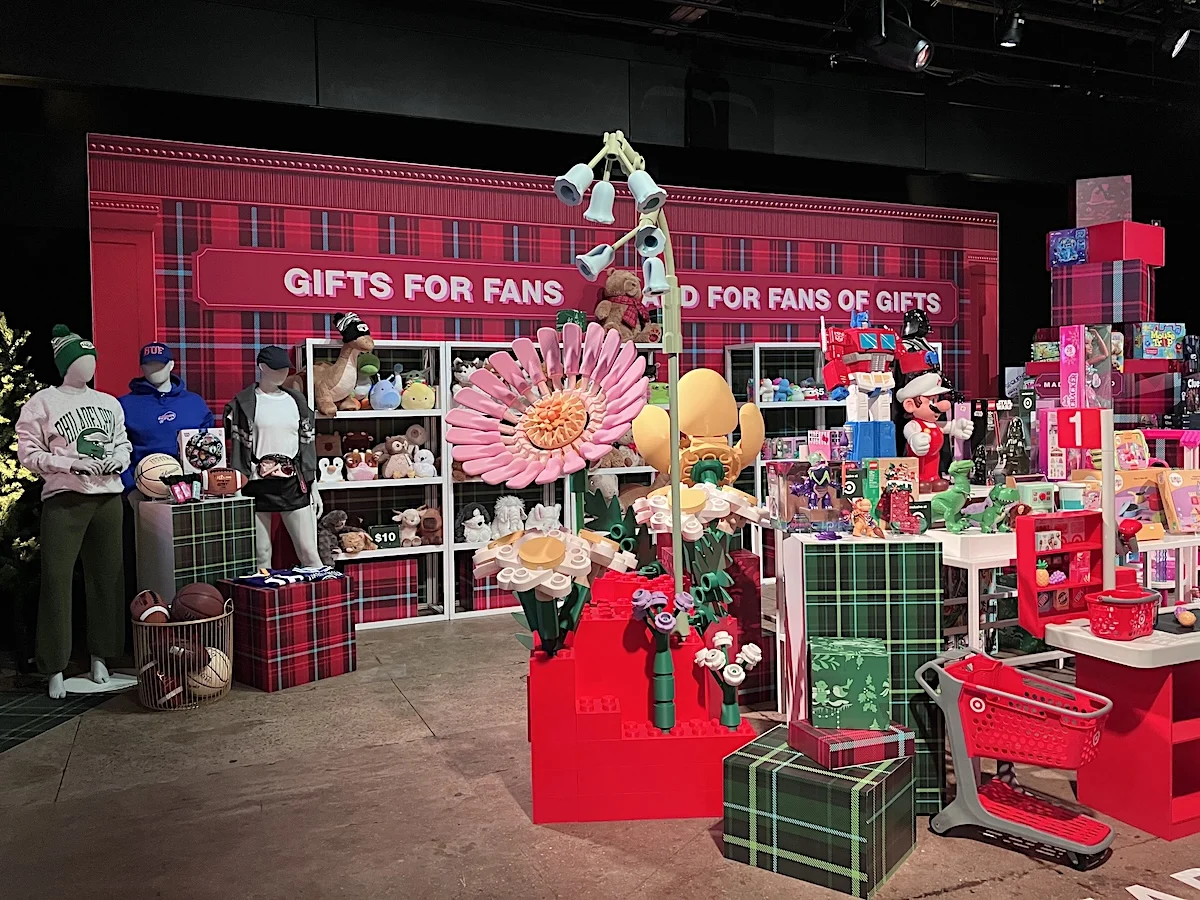
As the retail industry braces for the critical year-end shopping window, Target Corporation is aggressively positioning itself as the primary destination for the value-conscious consumer. Faced with a complex macroeconomic landscape defined by persistent inflation, rising energy costs, and the looming shadow of tariff-related price volatility, the big-box giant is launching a multifaceted strategy that blends aggressive pricing, private-label dominance, and a significant investment in generative artificial intelligence.
Target’s 2026 holiday playbook centers on a philosophy it describes as "luxe for less"—a deliberate attempt to provide premium-feeling goods at accessible price points. By rolling out over 8,000 new gift items and integrating a conversational AI assistant into its digital ecosystem, the retailer is attempting to bridge the gap between aspirational shopping and fiscal responsibility.
The Core Strategy: Value in an Uncertain Economy
The central pillar of Target’s holiday initiative is an unprecedented expansion of its product assortment. With more than half of its 8,000 new holiday items exclusive to the retailer, Target is banking on the "exclusivity factor" to drive traffic. More importantly, the company has heavily weighted its inventory toward lower price points. The majority of these new arrivals are priced at $20 or less, with a substantial portion retailing for under $5.
This pricing structure is not accidental; it is a calculated response to a consumer base that remains wary of economic headwinds. To drive daily engagement, Target has announced a "Deal of the Day" program running from November 1 through December 24, complemented by a dedicated "early Black Friday" window from November 5 to November 7.
The "Luxe for Less" Philosophy
Target’s executive team is leaning into the concept of affordable indulgence. By offering high-quality items—such as $45 cashmere sweaters, $35 designer-style throw blankets, and $5 candles—Target is betting that shoppers will prioritize small, affordable luxuries even as they trim their overall holiday budgets.
Cara Sylvester, Target’s executive vice president and chief merchandising officer, highlighted the intentionality behind these price points. "We have a ton of products specifically focused on key price points this year," Sylvester noted. She pointed to the retailer’s candle assortment as a primary example of this shift. "We didn’t have anything like this at $5 last year. We might have had a beautiful candle for $10. Now, we’ve got $5 options, $10 options, and $15 options."
Chronology of the Holiday Rollout
Target’s holiday strategy is a staged, multi-month execution designed to sustain momentum from early November through the final gift-giving moments in December:
- August 2026: Target initiates its digital transformation push with the launch of AI-powered "Photo Search" in the mobile app, allowing customers to scan items to find similar inventory.
- Late Summer 2026: Target debuts "Buy Again," an AI-driven personalization tool designed to streamline the replenishment of household essentials and past favorites.
- October 20, 2026: CEO Michael Fiddelke formally presents the holiday strategy to the media, emphasizing the dual need for competitive pricing and a "joyful" shopping experience.
- November 1, 2026: Official launch of the "Deal of the Day" campaign.
- November 5–7, 2026: The Early Black Friday event, signaling the beginning of the peak promotional season.
- December 24, 2026: Final day of holiday promotions and the culmination of the seasonal retail sprint.
Supporting Data: The Consumer Sentiment Landscape
The urgency of Target’s strategy is backed by data from the National Retail Federation (NRF). Despite a resilient labor market, the NRF’s most recent holiday survey reveals that 56% of shoppers feel the state of the economy will directly influence their holiday spending plans.
The behavioral shifts among these shoppers are significant:
- 43% plan to hunt for sales more aggressively than in previous years.
- 31% are increasing their frequency of online comparison shopping.
- 29% are planning to utilize coupons and promotional discounts more heavily to stretch their budgets.
Despite these anxieties, the NRF maintains a positive outlook, forecasting that U.S. holiday retail sales for November and December will grow 4.2% year-over-year, reaching a record-breaking $1.013 trillion. However, industry analysts note that this growth may be partially illusory, fueled by the higher price tags on goods due to inflationary pressures rather than increased volume.
"This year’s forecast reflects our confidence that consumers will prioritize the holiday season even as they remain mindful of their budgets," noted NRF President and CEO Matthew Shay. "Retailers are prepared to meet that demand with competitive prices, value, and choices for every budget."
The Power of Owned Brands
A critical advantage in Target’s ability to maintain these price points is its reliance on its proprietary, "owned" brands. By cutting out the middleman and controlling the design and sourcing process, Target can maintain healthy margins while keeping retail prices low.
In the apparel sector, where 80% of the merchandise is comprised of owned brands, the company has utilized its long-standing supplier relationships to secure high-quality fabrics—such as the aforementioned cashmere—at costs that allow for competitive retail pricing.
This strategy extends well beyond clothing:
- Food and Beverage: Target’s private labels, Favorite Day and Good & Gather, are anchoring the holiday food assortment, featuring items like hot chocolate bombs and cookie decorating kits.
- Home and Fragrance: The exclusive fragrance brand Haeze allows Target to offer high-end scent profiles at a fraction of the cost of prestige department store brands.
- Toys and Baby: The company is pushing its $5 Gigglescape plush line and introducing 170 new, exclusive baby apparel gifting items to capture the youngest demographic of gift recipients.
Technological Integration: The AI Assistant "Ask Target"
Perhaps the most significant technological development for Target this season is the beta launch of "Ask Target," a conversational AI assistant integrated into Target.com and the Target app. Unlike traditional search bars that rely on keyword matching, Ask Target is designed to function as a personal shopping consultant.
The tool allows users to ask complex, open-ended questions. For instance, a customer can input, "I’m looking for a quiet luxury-inspired gift for her, focusing on clothing and accessories under $50." The AI parses the request, filters the inventory, and presents a curated list of recommendations.
Implications of AI in Retail
Target is positioning Ask Target as a permanent fixture, not merely a seasonal gimmick. According to Cara Sylvester, the assistant has already demonstrated utility in other areas, such as the recently launched Target Beauty Studio.
"We’re seeing early adoption," Sylvester said. "Consumers are used to using conversational AI at this point, and so we’re excited about it." The integration of AI extends to product reviews, where the company now provides AI-generated summaries to help shoppers navigate the "analysis paralysis" that often accompanies holiday gift-buying.
Strategic Implications: A New Retail Paradigm
Target’s 2026 holiday strategy represents a sophisticated attempt to solve the "value-vs-experience" paradox. By combining the tangible, budget-friendly appeal of its owned brands with the high-tech convenience of conversational AI, Target is attempting to make the shopping experience feel both personalized and protected against the bite of inflation.
However, the strategy is not without risks. The reliance on AI requires high user trust and flawless implementation, while the "luxe for less" strategy requires constant vigilance in supply chain management. If the quality of the owned brands dips, or if the AI recommendations miss the mark, the retailer could alienate its core demographic.
Ultimately, Target’s message to the consumer is clear: the holiday season does not have to be a source of financial stress. By providing the tools to find value, the platform to discover unique items, and the technology to simplify the hunt, Target is betting that it can win the "share of wallet" battle by being the most helpful, rather than just the cheapest, retailer in the market.
As the retail sector approaches the final weeks of the year, all eyes will be on whether this blend of "luxe for less" and digital-first service is enough to satisfy the modern, inflation-weary American shopper. If successful, Target’s model may well become the new standard for the retail industry in an increasingly uncertain economic era.