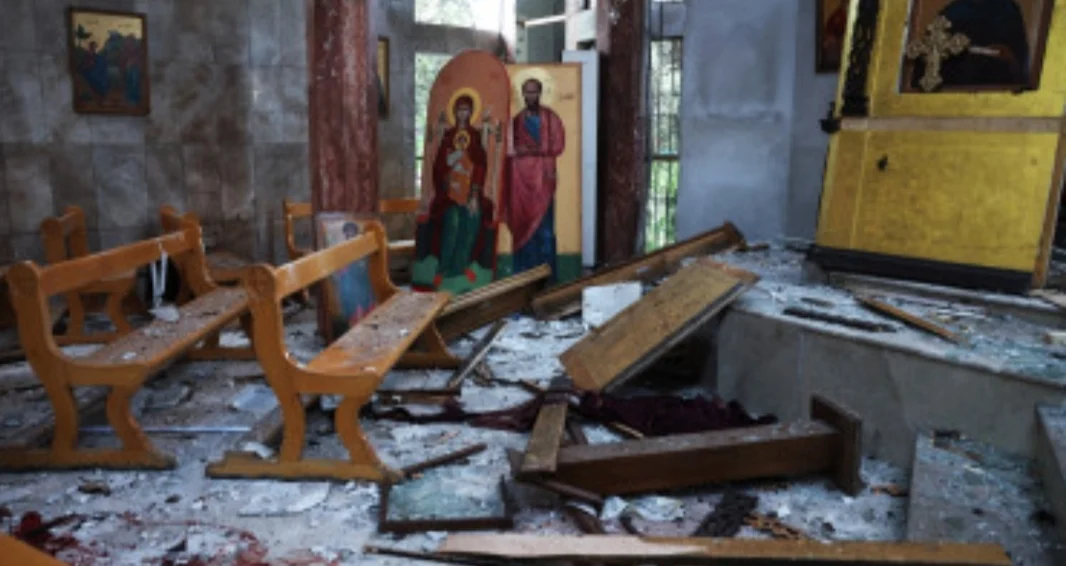
Karak Province, Jordan – October 23, 2026 – A nation is in shock and mourning following a horrific act of violence that shattered a funeral ceremony at a Greek Orthodox church in Jordan’s central Karak province. At least seven individuals were tragically killed and 28 others sustained injuries when armed assailants opened fire inside the sacred premises, approximately 180 kilometers south of the capital, Amman. The brutal attack, which unfolded during a solemn burial service, has sent ripples of grief and outrage across the kingdom and reignited concerns about internal security and the persistent threat of extremism.
The assault occurred in the late afternoon, plunging the community of Karak into chaos and despair. Emergency services rushed to the scene, but the initial reports painted a grim picture of fatalities and widespread trauma. As of this report, authorities have not released the identities of the perpetrators nor established any definitive motives behind the heinous act, leaving the nation grappling with unanswered questions and a profound sense of vulnerability.
The Unfolding Horror: A Timeline of the Karak Church Massacre
The tranquil atmosphere of a funeral service, a time for solace and communal grief, was brutally shattered on the afternoon of October 23, 2026. Mourners had gathered at the Greek Orthodox church in Karak, a revered site for the local Christian community, to pay their final respects to a departed loved one. The ceremony was reportedly well underway, with congregants engaged in prayers and eulogies, when the sudden eruption of gunfire sent shockwaves through the nave.
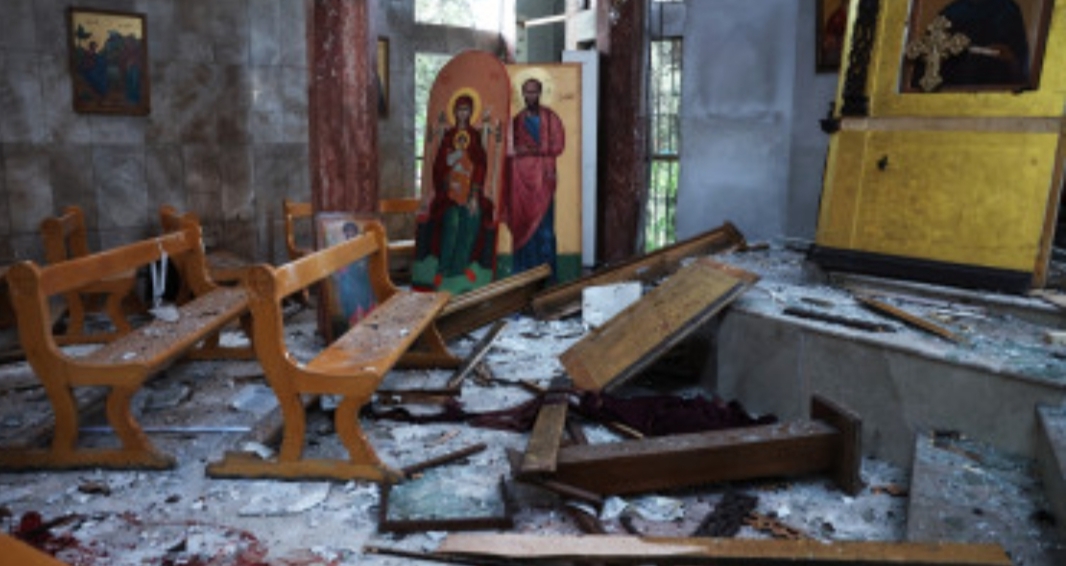
According to preliminary accounts from witnesses and security officials, unidentified gunmen stormed the church, opening fire indiscriminately on the unsuspecting attendees. The solemn hymns were abruptly replaced by the terrifying sound of gunshots, followed by screams of panic and terror. In the ensuing chaos, congregants scrambled for cover, attempting to protect themselves and their children from the barrage of bullets. The interior of the church, a sanctuary of peace, was transformed into a scene of unimaginable horror, stained with blood and marked by the indelible trauma of violence.
Within minutes of the first shots, local security forces, including units from the Public Security Directorate and the Gendarmerie, were alerted and rapidly deployed to the scene. Their swift arrival was crucial in securing the area and initiating the critical process of evacuating the wounded and providing immediate medical assistance. Ambulances from nearby hospitals converged on the church, transporting the injured to medical facilities in Karak and, for more critical cases, to specialized hospitals in Amman. The immediate aftermath was characterized by a frantic effort to save lives, as paramedics worked tirelessly amidst the confusion and grief. The scene was quickly cordoned off, turning the sacred grounds into an active crime scene as investigators began their painstaking work to piece together the events of that tragic day.
A Community in Mourning: The Human Cost of the Karak Tragedy
The attack on the Greek Orthodox church represents not just a security breach but a profound assault on the heart of a community. Karak province, known for its historical significance and diverse population, includes a notable Christian minority that has long coexisted peacefully with its Muslim neighbors. The victims of this attack were ordinary citizens – fathers, mothers, children, and elders – who had gathered for a moment of shared sorrow, only to be met with inexplicable violence.
The sheer brutality of targeting a funeral, a universal rite of passage, in a place of worship, has sent a wave of shock and revulsion throughout Jordan. Beyond the immediate fatalities and injuries, the psychological toll on the survivors, eyewitnesses, and the broader Karak community is immense. Many will carry the scars of this day for years to come, haunted by the images of terror and loss. Community leaders, both Christian and Muslim, have expressed profound grief and solidarity, condemning the attack as an act of cowardice and an affront to the values of peace and mutual respect that define Jordanian society. Vigils are expected to be held across the country, as Jordanians unite in mourning and defiance against those who seek to sow discord. The incident serves as a stark reminder of the fragility of peace and the imperative to protect vulnerable communities from acts of hatred and terror.
Jordanian Authorities Launch Extensive Manhunt and Probe
In the immediate aftermath of the attack, Jordanian authorities launched an extensive investigation and a wide-scale manhunt for the perpetrators. Mohammad al-Momani, the official spokesperson for the Jordanian government, swiftly issued a statement condemning the attack and affirming the state’s unwavering commitment to bringing those responsible to justice. He emphasized that security services had initiated a comprehensive probe to ascertain the full circumstances of the incident, identify the assailants, and uncover their motives.
The investigation is expected to be multifaceted, involving various security agencies including the General Intelligence Department, the Public Security Directorate, and forensic experts. Investigators will be meticulously examining the crime scene for any evidence, including spent casings, potential fingerprints, and any items left behind by the attackers. Eyewitness testimonies are being collected and analyzed, though the chaotic nature of the event may present challenges in obtaining clear accounts. Authorities are also likely to be reviewing surveillance footage from the vicinity of the church and along potential escape routes, hoping to track the movements of the assailants before and after the attack.
The challenge for the security forces is not only to apprehend the individuals directly involved but also to identify any potential masterminds or groups that may have orchestrated the attack. The motives remain a critical unknown: could it be an act of terrorism aimed at destabilizing the kingdom and inciting sectarian strife? Or perhaps a more localized criminal act with tragic consequences? The government has pledged full transparency once credible information becomes available, urging the public to refrain from speculation that could undermine the investigation or fuel divisions. The nation’s security apparatus is on high alert, with increased patrols and heightened security measures being implemented, particularly around religious sites and public gatherings, to prevent any further incidents.
Historical Context and Jordan’s Security Landscape
The tragic events in Karak are not an isolated incident in the province’s recent history, nor do they occur in a vacuum within the broader security landscape of Jordan. The kingdom, while often lauded as an oasis of stability in a volatile region, faces persistent threats that occasionally manifest in deadly acts of violence.
The 2016 Karak Siege: A Precedent of Violence
The memory of a previous, equally harrowing incident still looms large in Karak. In December 2016, the province was the scene of a major security operation after a series of armed attacks targeting police forces and a popular tourist area near the historic Karak Castle. That assault, which unfolded over several hours, resulted in the deaths of 10 people, including seven security personnel, two Jordanian civilians, and a Canadian tourist, with dozens more injured. The perpetrators, later identified as a cell linked to the Islamic State (ISIS) militant group, were ultimately neutralized after a protracted siege. The 2016 attack underscored the vulnerability of even well-guarded sites and the insidious nature of extremist threats within the kingdom.
While the modus operandi of the current attack—a direct assault on a place of worship during a funeral—differs from the 2016 siege, the recurrence of significant violence in Karak raises uncomfortable questions about persistent extremist elements or deep-seated grievances that could be exploited by malicious actors. Both incidents highlight the critical need for vigilance and robust intelligence gathering to pre-empt such devastating acts.
Jordan: A Bastion of Stability in a Volatile Region
Jordan occupies a strategically sensitive position, bordered by conflict-ridden Syria and Iraq, and sharing a long border with Israel and the Palestinian territories. This geopolitical reality places immense pressure on its security forces and governance. Despite these regional challenges, Jordan has largely maintained internal stability, often serving as a crucial partner in regional security initiatives and a significant host for refugees.

The country’s security apparatus has a strong track record of countering terrorist plots and maintaining order. Attacks on places of worship, particularly those targeting Christian communities, are relatively rare and deeply condemned across the societal spectrum in Jordan, where interfaith harmony is a cornerstone of national identity. Such incidents are viewed as direct attempts to undermine the fabric of this coexistence. The government has consistently worked to promote a moderate form of Islam and has been at the forefront of global efforts to counter extremist ideologies. The Karak church attack, therefore, represents a significant challenge to this narrative and demands a forceful, yet measured, response to reassure both its citizens and the international community of Jordan’s unwavering commitment to security and pluralism.
Official Responses and Condemnations
The tragic events in Karak have elicited a powerful wave of condemnation from both within Jordan and across the international community. King Abdullah II, known for his steadfast commitment to national unity and religious coexistence, is expected to issue a strong statement condemning the attack, reaffirming the state’s resolve to protect all its citizens, and urging national solidarity against any attempts to sow discord. Such a message from the monarch would be pivotal in rallying the nation during this difficult time.
From within Jordan, religious leaders have been swift to denounce the attack. Christian denominations, including the Greek Orthodox Church in Jordan, have expressed profound sorrow and called for prayers for the victims and their families, while also emphasizing their resilience and enduring faith. Prominent Muslim clerics and institutions have unequivocally condemned the violence, highlighting that such acts are antithetical to the principles of Islam and violate the sanctity of life and places of worship. Their unified voice against extremism serves as a powerful testament to Jordan’s deeply ingrained culture of interfaith harmony.
Internationally, condolences and expressions of solidarity have poured in. The United States, a key ally, is anticipated to offer its full support to Jordan’s security efforts. The European Union, the United Nations, and the Arab League are also expected to release statements condemning the heinous act, calling for a thorough investigation, and reaffirming their commitment to supporting Jordan’s stability and security. Embassies in Amman may issue updated travel advisories for their citizens, reflecting heightened security concerns, particularly in the Karak region. These global condemnations underscore the universal revulsion against attacks on civilians and religious sites, and the recognition of Jordan’s crucial role in regional stability.
Implications of the Attack
The ramifications of the Karak church attack extend far beyond the immediate tragedy, touching upon various aspects of Jordanian society, security, and its international standing.
Heightened Security Measures
In the short term, the most immediate implication will be a significant increase in security measures across the kingdom. This will likely include intensified patrols around religious sites, schools, and public gathering places. Checkpoints may become more frequent, and intelligence agencies will undoubtedly ramp up their surveillance and counter-terrorism operations. The government may consider reviewing existing security protocols and potentially allocate additional resources to enhance the protection of vulnerable targets, particularly those associated with religious minorities. This could also lead to a more aggressive stance against suspected extremist cells operating within the country.
Impact on Interfaith Relations
Jordan prides itself on its strong tradition of religious tolerance and coexistence. While the attack is a direct assault on this harmony, it could also serve as a catalyst for renewed efforts to strengthen interfaith dialogue and unity. Community leaders, both Christian and Muslim, will play a crucial role in preventing any backlash or sectarian divisions. The government will likely emphasize the shared Jordanian identity and the collective responsibility to stand united against those who seek to divide. However, the attack inevitably creates a degree of fear and anxiety within the Christian minority, requiring sustained reassurance and demonstrable commitment to their protection.
Economic Repercussions
Karak is home to significant historical and tourist attractions, most notably its Crusader castle. Attacks of this nature can have a chilling effect on tourism, a vital sector of Jordan’s economy. International visitors, already cautious due to regional instability, may reconsider travel plans, impacting local businesses and livelihoods. Investor confidence could also be affected, as heightened security risks can deter foreign investment. The government will need to work diligently to restore public and international confidence in the country’s safety and stability.
Political Ramifications
Domestically, the government will face pressure to demonstrate its effectiveness in ensuring public safety and bringing the perpetrators to justice. Any perceived failures could erode public trust and potentially lead to internal political challenges. Internationally, Jordan’s image as a stable regional actor, critical for its foreign policy and aid relationships, will be tested. The government’s response will be closely watched by allies and adversaries alike, as it navigates the delicate balance of maintaining security without infringing on civil liberties.
Regional Instability and the Fight Against Extremism
The Karak attack serves as a stark reminder that the threat of extremism, whether from organized groups or lone wolf actors, remains a pervasive challenge in the Middle East. It underscores the ongoing need for regional and international cooperation in combating terrorism. Jordan’s continued role in the global fight against extremist ideologies and its contributions to regional security initiatives may gain renewed emphasis as a result of this tragic incident.
A Nation Grieves, A Resolve Strengthens
As the dust settles on the horrific events in Karak, Jordan stands united in grief, yet resolute in its determination to confront the forces of hatred and extremism. The Greek Orthodox church, once a sanctuary of peace, now bears the scars of a senseless attack, symbolizing the profound pain inflicted upon a nation. While the perpetrators remain at large and their motives shrouded in uncertainty, the message from the Jordanian government and its people is clear: such acts of terror will not break the spirit of coexistence nor undermine the stability of the Hashemite Kingdom. The ongoing investigation is a race against time, not only to secure justice for the victims but also to send an unequivocal message that those who seek to sow division through violence will ultimately fail. The healing process will be long and arduous, but Jordan’s enduring resilience and commitment to its core values will undoubtedly prevail.