Trees are the unsung architects of the Earth’s life-support systems. Beyond their aesthetic value or utility as timber, they function as massive, biological engines that regulate the planet’s climate, purify our air, and provide the scaffolding upon which global biodiversity rests. As the world grapples with the accelerating impacts of climate change and biodiversity loss, the role of forests has shifted from a background feature of the landscape to the front line of environmental survival.
Main Facts: The Pillars of Forest Functionality
The environmental utility of trees is multifaceted, operating on both a microscopic and a planetary scale. At the core of their function is the process of photosynthesis, where trees act as carbon sinks. By absorbing carbon dioxide ($CO_2$) from the atmosphere and converting it into biomass—trunks, branches, roots, and soil organic matter—forests serve as the world’s most effective carbon reservoirs.
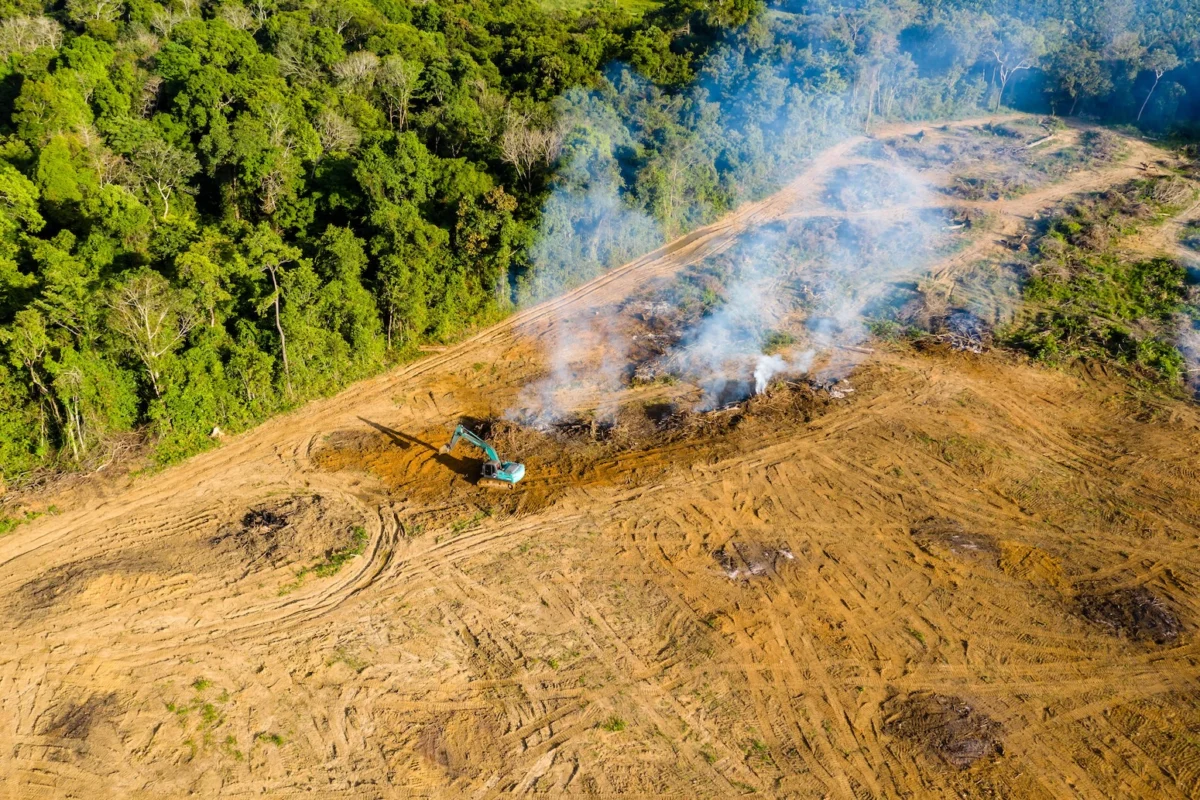
According to the Food and Agriculture Organization of the United Nations (FAO), forests currently blanket approximately 31% of the world’s land area. This massive expanse is not merely a collection of wood; it is a critical component of the global carbon cycle. However, this capacity is double-edged: when forests are cleared or degraded, the carbon stored over centuries is released back into the atmosphere, transforming a vital carbon sink into a significant source of greenhouse gas emissions.
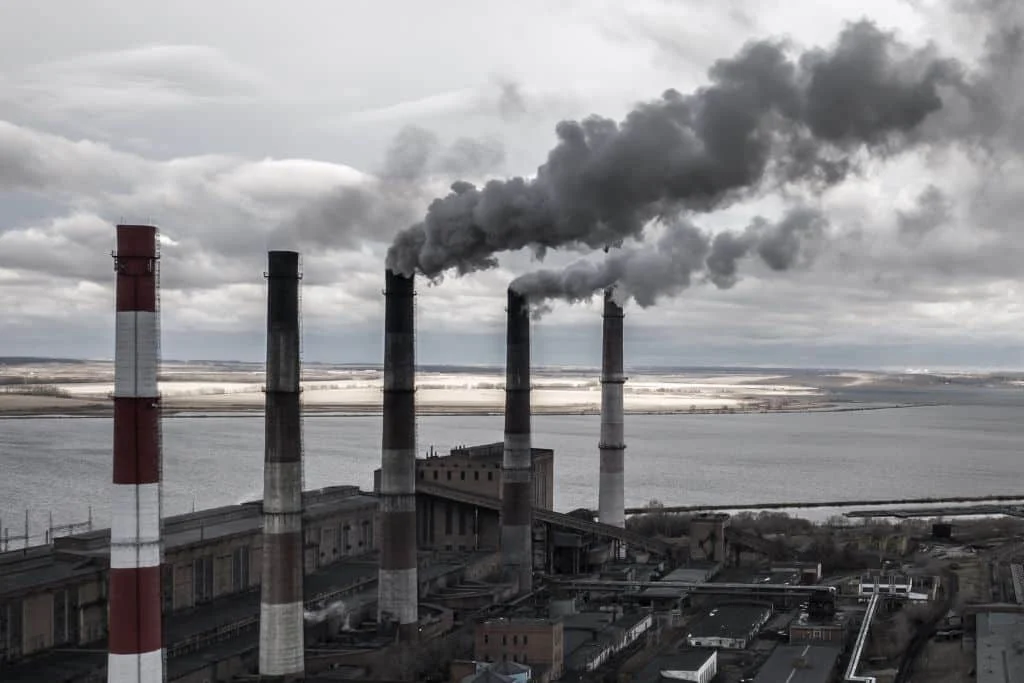
Beyond carbon, trees act as biological filters. In urban environments, their leaves and branches capture particulate matter—dust, soot, and smoke—generated by vehicular traffic and industrial activity. Furthermore, their role in the water cycle is profound; through transpiration, trees release moisture into the atmosphere, which influences cloud formation and regional rainfall patterns, while their root systems anchor soil and regulate water runoff, preventing erosion and mitigating flood risks.
A Chronological Perspective: From Resource to Crisis
The relationship between humanity and forests has undergone a seismic shift over the last three centuries.
- The Industrial Era (1800s–1950s): Forests were primarily viewed through the lens of extraction. The rapid expansion of industrialization necessitated vast amounts of timber for fuel, construction, and railway development. During this period, the concept of "forest management" was largely synonymous with "resource exploitation."
- The Awareness Awakening (1960s–1990s): As global environmental movements gained traction, scientific research began to quantify the ecological services provided by forests. Studies in the 1970s and 80s revealed the direct correlation between deforestation in tropical basins and the loss of global biodiversity, leading to the first international summits on forestry conservation.
- The Climate Crisis Era (2000–Present): With the formalization of climate science, forests were identified as critical assets in the fight against global warming. International agreements, such as the REDD+ (Reducing Emissions from Deforestation and Forest Degradation) framework, moved the needle toward incentivizing the preservation of standing forests rather than just the planting of new ones.
Supporting Data: The Biological Census
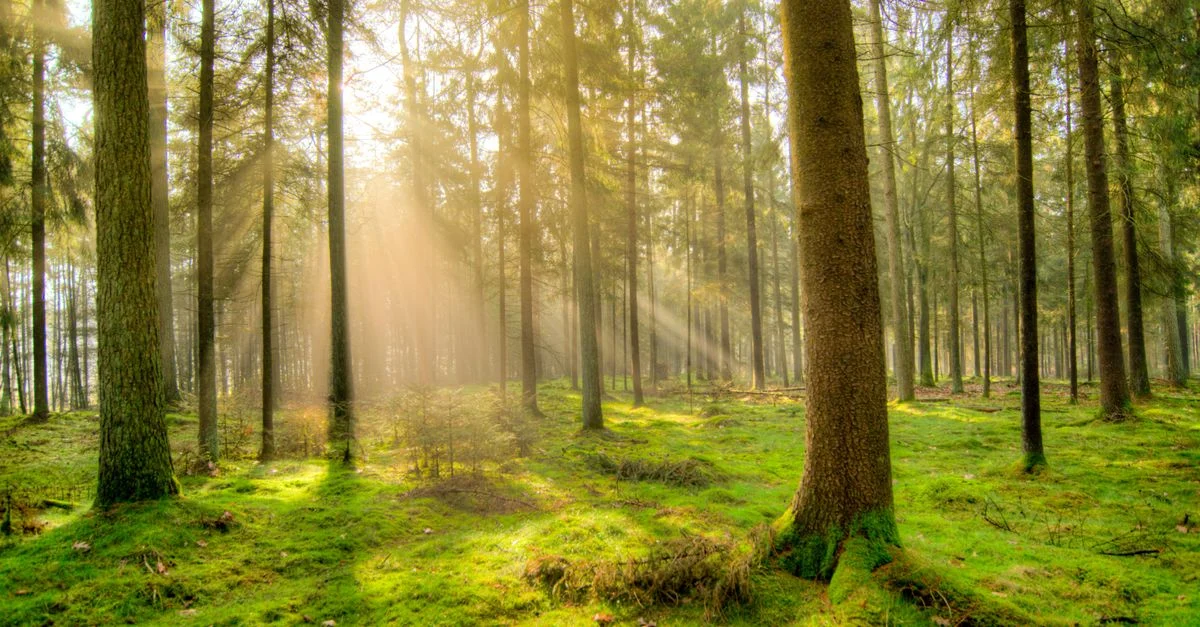
The scale of forest-based biodiversity is staggering. The FAO reports that forests provide habitat for approximately 80% of the world’s amphibian species, 75% of bird species, and 68% of mammal species. These numbers underscore that a forest is not merely a collection of trees, but a complex, interconnected community.
- Pollination and Nutrient Cycling: Insects, which are integral to global food production, rely heavily on forest ecosystems for nesting and food. A loss of forest cover leads to "habitat fragmentation," where wildlife populations are isolated, reducing their genetic diversity and capacity to adapt to changing environments.
- Urban Cooling: The urban heat island effect is a measurable phenomenon where cities can be several degrees hotter than rural surroundings due to pavement and concrete. Strategic tree planting has been proven to lower localized temperatures, reducing the demand for energy-intensive air conditioning and subsequently cutting down on the emissions associated with electricity generation.
- Soil Integrity: In hilly and riparian regions, trees are the primary defense against erosion. Without root systems to bind the soil, heavy rainfall leads to catastrophic sedimentation of water bodies and the loss of nutrient-rich topsoil, which is vital for agriculture.
Official Responses and Strategic Policy
Governments and international bodies are increasingly moving toward a "Conservation-First" policy. This shift acknowledges that reforestation—while popular—cannot replace the ecological complexity of a primary or mature forest.
The Problem with "Simple Planting"
Policymakers are moving away from the "one-size-fits-all" tree-planting campaigns that gained popularity in the early 2000s. Scientists now warn that planting monoculture forests or introducing non-native species in regions like natural grasslands can actually harm existing carbon storage and biodiversity. Modern policy now prioritizes "native species" and "ecosystem-based management," which takes into account the specific soil, water, and local species needs of an area.
Sustainable Land Management
The current international consensus, supported by initiatives like the UN Decade on Ecosystem Restoration, emphasizes a three-pronged approach:
- Protecting Existing Forests: Prioritizing the legal protection of old-growth forests, which hold the highest density of carbon and biodiversity.
- Sustainable Forestry: Implementing regulations that ensure commercial logging is performed in a way that allows for natural forest regeneration.
- Urban Green Infrastructure: Integrating trees into city planning to mitigate heatwaves and improve public health outcomes.
Implications: The Future of Our Planet
The degradation of the world’s forests has consequences that transcend borders. When an acre of the Amazon or a tract of the Congo Basin is cleared, the effects are felt globally through disrupted rainfall patterns, accelerated climate change, and the potential extinction of species that have not yet been cataloged by science.
The Economic Case for Forests
The economic implications are equally significant. Beyond the "ecosystem services" valuation—which estimates that forests provide trillions of dollars in value annually through water purification, pollination, and carbon storage—the loss of forests threatens the livelihoods of millions of indigenous people and local communities who depend on these environments for food, medicine, and shelter.
Moving Forward: A Holistic Approach
The challenge of the next century is to decouple economic growth from deforestation. This requires:
- Corporate Accountability: Companies must eliminate deforestation from their supply chains, particularly regarding commodities like soy, palm oil, and beef.
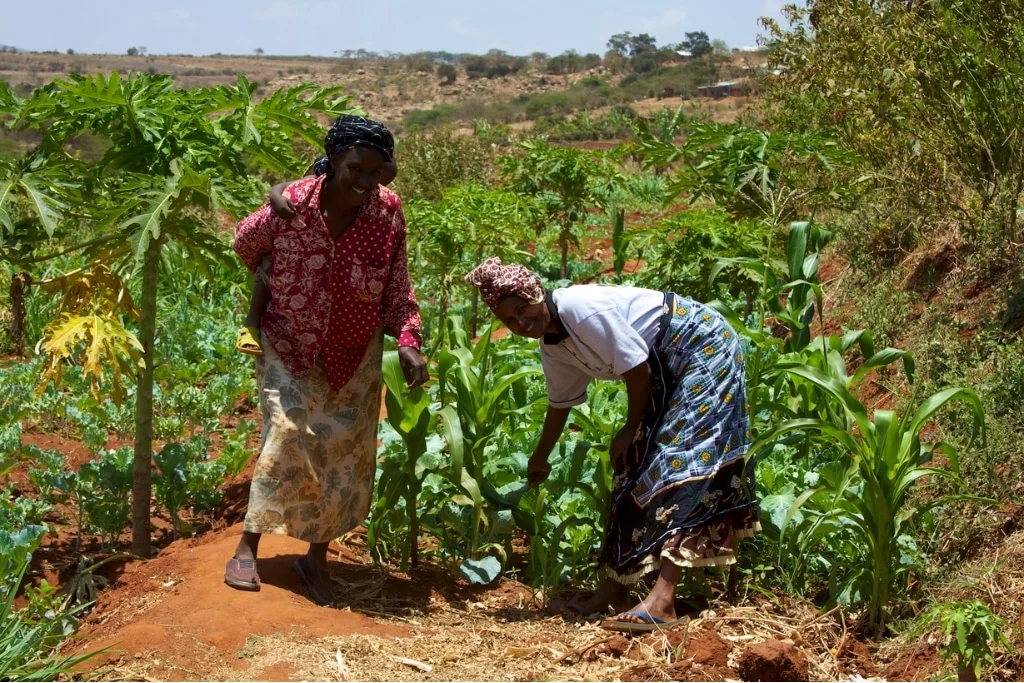
- Policy Reform: Governments must prioritize land-use planning that balances agricultural necessity with forest conservation, often by incentivizing farmers to adopt agroforestry practices that integrate trees into farming landscapes.
- Individual Action: Consumer demand for sustainably sourced products creates the market pressure necessary to shift industry practices.
Conclusion: The Living Legacy
Trees are far more than a decorative feature of our landscapes or a mere source of timber. They are the fundamental components of the Earth’s environmental systems. As we face a future characterized by rising temperatures and ecological volatility, our capacity to manage our forests will be the ultimate test of our stewardship.
We cannot "engineer" our way out of the climate crisis with technology alone; we must partner with the biological machinery that has sustained life for millennia. Protecting existing forests, restoring degraded landscapes with scientific rigor, and fostering a deep, structural respect for the role of trees in our urban and rural lives is not just an environmental preference—it is a necessity for the survival of generations to come. The decision to preserve a forest today is an investment in the air we breathe, the water we drink, and the stability of the very climate that makes human civilization possible.