As the international community prepares to convene in Yerevan, Armenia, for the COP17 biodiversity summit starting October 19, a grim reality hangs over the negotiations: the world is failing to pay for nature. A new global stocktaking report from the UN Convention on Biological Diversity (CBD) has confirmed that the financial resources mobilized to date fall “far short” of the commitments made just four years ago.
With the 2030 deadline to reverse biodiversity loss looming, the inability of developed nations to close the $200 billion annual “biodiversity finance gap” has shifted from a technical policy concern to a fundamental crisis of trust. This shortfall is not merely a budgetary oversight; it is a structural failure that threatens to undermine the entire Kunming-Montreal Global Biodiversity Framework (GBF)—the ambitious “Paris Agreement for nature” signed by 196 countries in 2022.

The Core Problem: A $700 Billion Gap
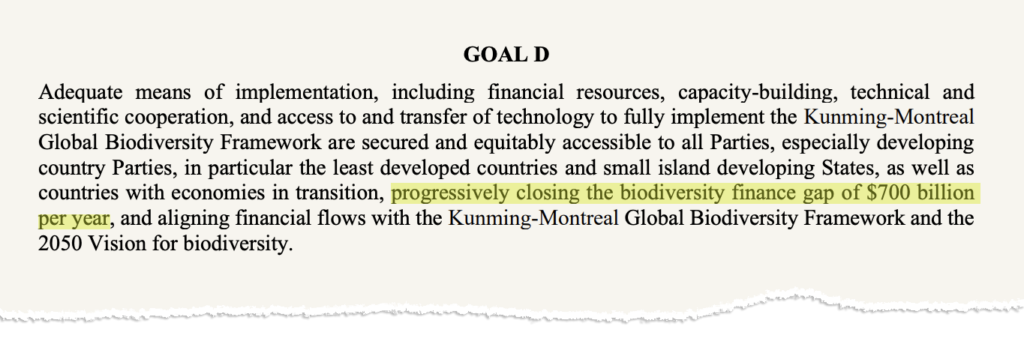
To understand the gravity of the situation, one must look at the math agreed upon in Montreal at COP15. The GBF established a clear roadmap to bridge a $700 billion annual financing gap by 2030. This figure is bifurcated into two distinct responsibilities:
- Subsidy Reform: Target 18 mandates that countries identify and eliminate or reform nature-harming subsidies, aiming to reduce them by at least $500 billion per year by 2030.
- Resource Mobilization: Target 19 requires a substantial increase in financial flows from all sources—national budgets, development banks, and the private sector—to reach at least $200 billion per year.
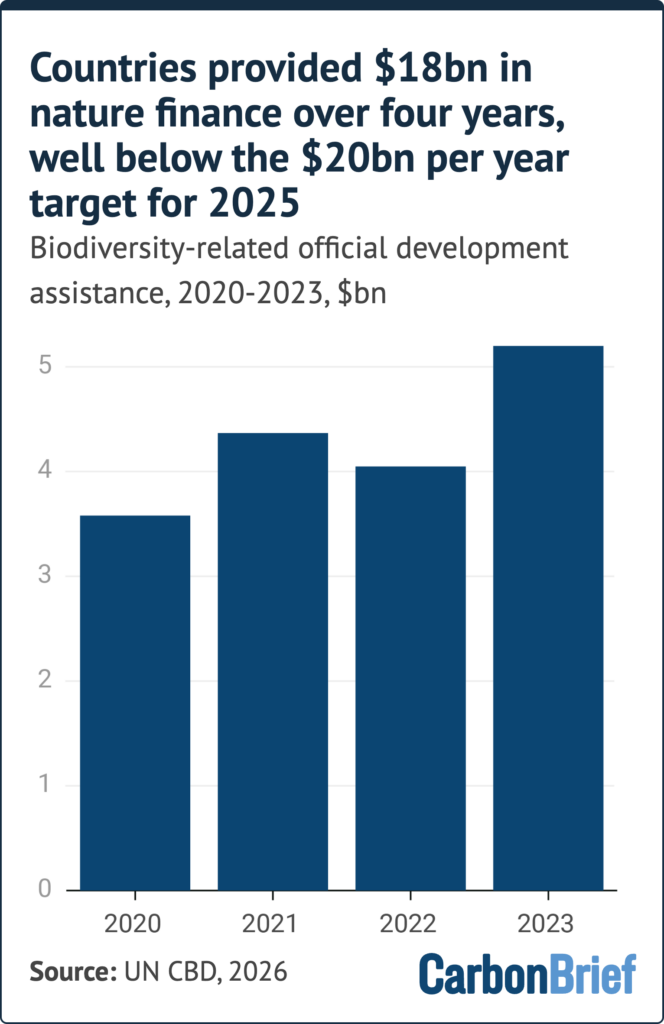
Crucially, within that $200 billion, there is a specific, non-negotiable expectation for international public finance. Developed countries committed to providing at least $20 billion per year by 2025, rising to $30 billion by 2030. According to the UN’s latest assessment, this 2025 milestone has almost certainly been missed.
Chronology of Stagnation: From Montreal to Yerevan
- December 2022 (COP15): The Kunming-Montreal Global Biodiversity Framework is adopted, creating a sense of historic momentum and clear, measurable financial targets for 2025 and 2030.
- 2023–2024: A period of "initial flurries." The Global Biodiversity Framework Fund (GBFF) is established under the Global Environment Facility (GEF). However, contributions remain sporadic and meager.
- October 2024 (COP16): The "Cali Fund" is created, marking a landmark effort to capture profits from genetic data (Digital Sequence Information) to support conservation. Expectations are high, but private sector participation remains virtually non-existent.
- September 2026: The UN releases its global stocktaking report ahead of COP17, providing the sobering data that international public finance for biodiversity averaged only $4.4 billion per year between 2020 and 2023—a mere fraction of the promised $20 billion annual target.
- October 2026 (COP17): Negotiators gather in Yerevan under the shadow of these failures, with finance set to be the primary point of contention.
Supporting Data: The Anatomy of Failure
The failure to meet funding goals is reflected across multiple data channels. According to the OECD, total global biodiversity finance reached between $74.9 billion and $92.4 billion per year from 2023–2025. While this sounds significant, the composition of this funding is problematic.
Of that total, only a small portion qualifies as "biodiversity-specific." Much of the reported finance involves projects where nature is a secondary objective, diluting the efficacy of the spending. Furthermore, international public finance—the lifeblood for developing nations—has hovered around $16.1 billion per year, nearly $4 billion short of the 2025 target.
The Faltering Specialized Funds
The two primary mechanisms intended to catalyze change have struggled to gain traction:
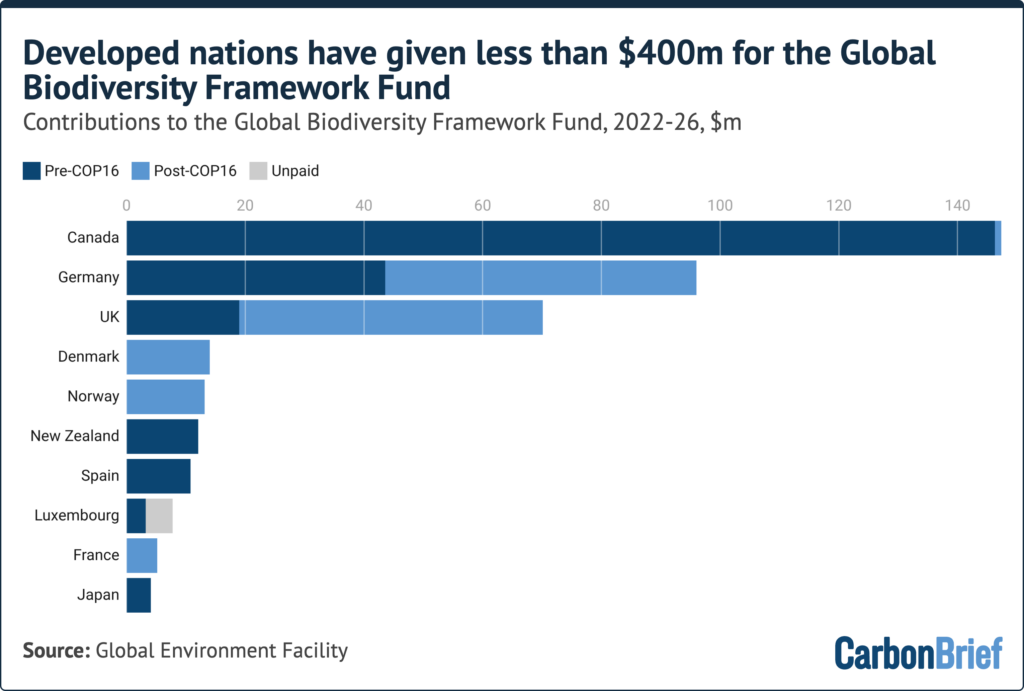
- The Global Biodiversity Framework Fund (GBFF): Despite the urgency of the crisis, the fund has secured less than $400 million in signed commitments since its inception. Contributions have stalled since the initial pledges surrounding COP16, leaving the fund under-capitalized and unable to support large-scale national biodiversity strategies.
- The Cali Fund: Designed to facilitate private sector responsibility, the fund’s performance has been abysmal. While research from the LSE’s Grantham Institute suggests that a "realistic" uptake from eligible firms could generate over $900 million annually, the fund has received a total of only $6,000 to date. This equates to a microscopic fraction of the potential revenue, highlighting a glaring lack of corporate accountability.
Official Responses and Expert Analysis
The diplomatic climate ahead of COP17 is tense. Developing nations, which house the vast majority of the world’s remaining biodiversity, argue that they are being asked to bear the cost of global conservation without the promised support from the nations that have historically driven the most ecological degradation.
Lim Li Ching of the Third World Network is unequivocal in her assessment: "Developed countries have regrettably not met their legal obligations. This failure should not be used as an excuse to pivot to the private sector or market-based mechanisms, which struggle to raise finance at scale and often deepen social and ecological harm."
The sentiment is echoed by academics who study the intersection of law and nature. Dr. Siva Thambisetty of the London School of Economics highlights the "voluntary" nature of current corporate contributions as the root of the problem. "The private sector is doing what it always does: minimizing outgoings and liability," she notes. "States with jurisdiction over business need to take action."
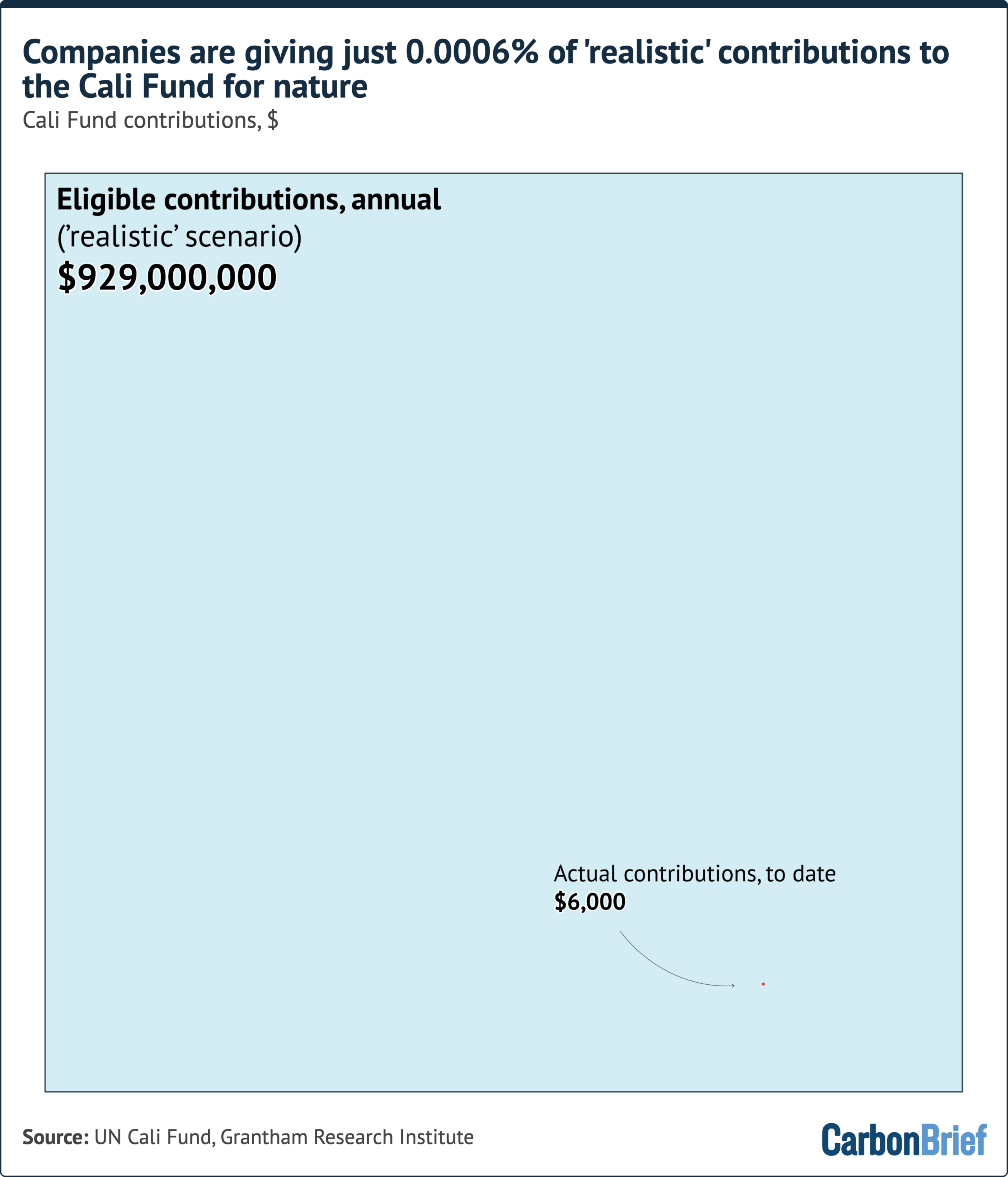
Currently, not a single government has passed legislation requiring companies to contribute to the Cali Fund. Cali Watch, an industry-monitoring initiative, suggests that eight major companies alone should be contributing over $2 billion—a stark contrast to the $6,000 currently in the coffers.
Implications: The High Cost of Inaction
The implications of this funding gap extend far beyond the boardroom or the negotiation table. For Indigenous peoples and local communities (IPLCs), who are the most effective stewards of the world’s ecosystems, the delay in finance is a direct threat to their survival and the integrity of their lands.
Dr. June Rubis, representing the Indigenous peoples and local communities on the Cali Fund’s steering committee, warns that the current lack of progress is fracturing the "wider biodiversity bargain." She emphasizes that the issue is not just about the total amount of money, but the accessibility of the funding. "Headline commitments matter, but so do the pathways through which money reaches people," she says. "If one part of the finance architecture moves while the others are repeatedly deferred, confidence in the process becomes harder to sustain."
A Turning Point at COP17
As delegates descend on Yerevan, the stakes could not be higher. If COP17 concludes without a clear, binding roadmap to resolve the funding deficit, the credibility of the UN biodiversity process will be severely compromised.
The "finance gap fight" in Armenia will likely center on three key areas:
- Forced Accountability: Demands for developed nations to formalize their public finance pledges through legally binding mechanisms rather than "best effort" promises.
- Corporate Regulation: Increasing pressure on states to regulate the private sector, moving beyond voluntary contributions to mandatory "nature-based" levies.
- Direct Access: Creating more efficient, transparent pipelines for funding to reach local communities and IPLCs, ensuring that money is not swallowed by administrative overhead.
The world is currently in a race against time, but it is a race being run with broken equipment. The $200 billion-a-year gap is not just a figure on a spreadsheet; it is the price of a habitable, diverse, and functioning planet. Whether the leaders in Yerevan can bridge this divide will define the success or failure of the 2030 nature agenda. Without a significant shift in political and corporate will, the Kunming-Montreal vision risks becoming another set of promises written in water.