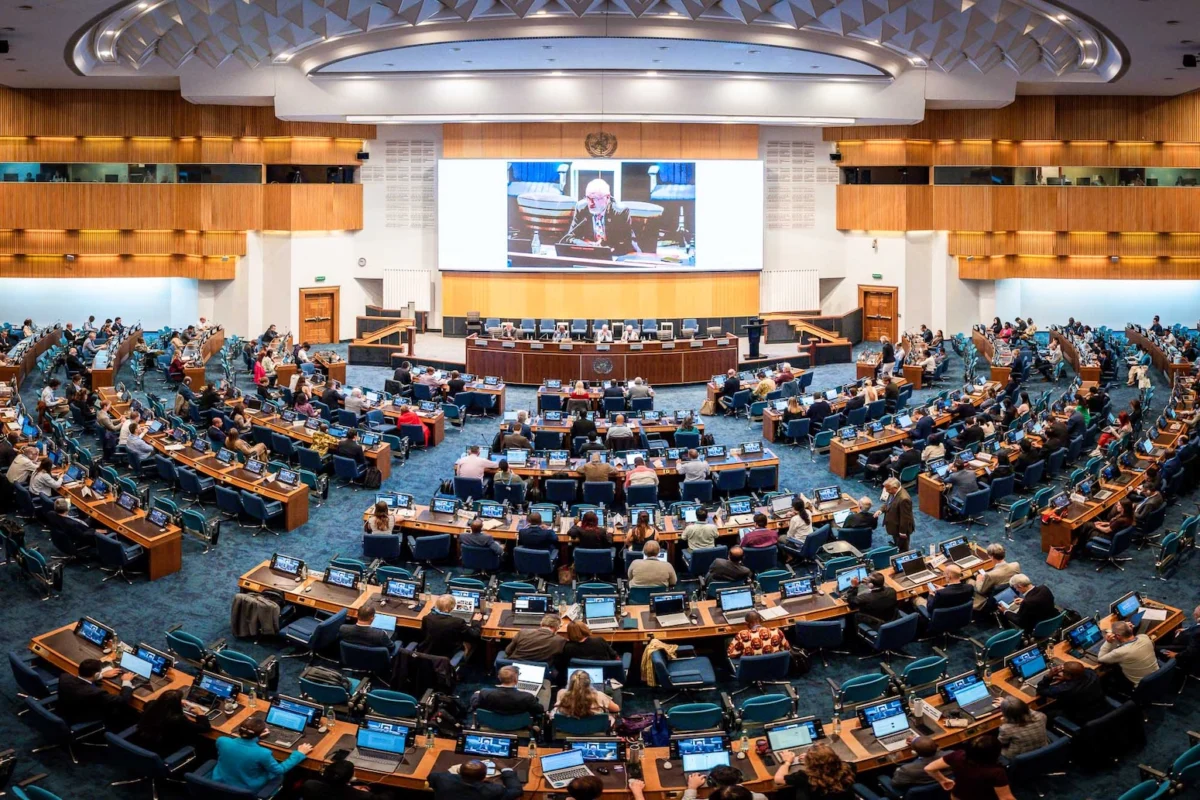
The Intergovernmental Panel on Climate Change (IPCC), the world’s foremost scientific body on climate change, has reached a critical impasse. For the sixth consecutive session, member nations have failed to agree on a timeline for the publication of the Seventh Assessment Report (AR7). The breakdown occurred during the IPCC’s 65th session (IPCC-65) in Addis Ababa, Ethiopia, leaving the organization in a state of administrative paralysis and facing a deepening financial crisis that threatens its ability to deliver the science essential for global policy.
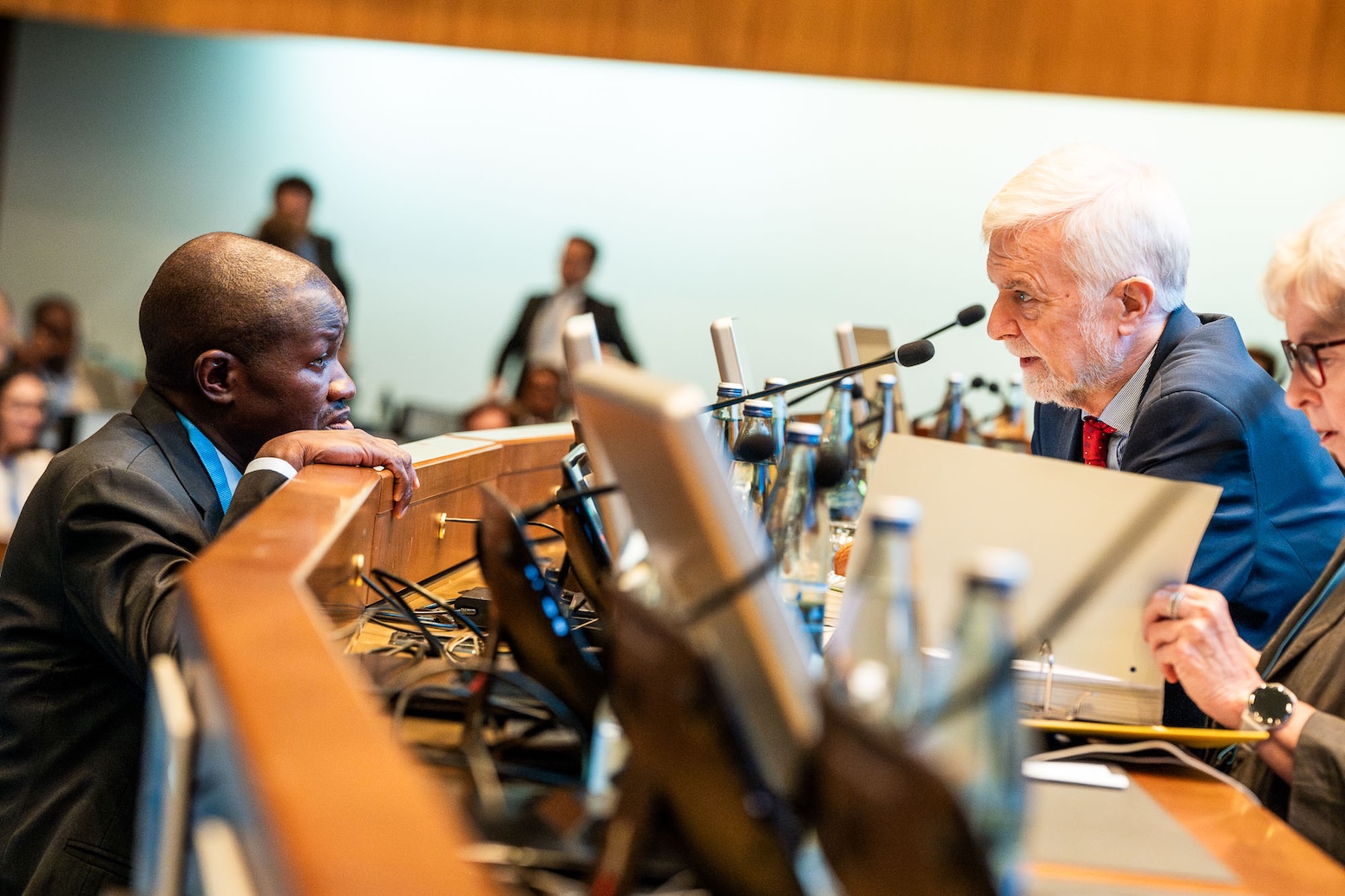
The meeting, intended to be the definitive moment to align the IPCC’s work with the United Nations’ second "global stocktake" in 2028, concluded on a somber note. IPCC Chair Prof. Sir Jim Skea was forced to suspend the proceedings on Friday evening without a resolution, describing the summit as a "profound disappointment" and "among the most difficult" in the organization’s history.
The Core Conflict: A Timeline in Shambles
At the heart of the dispute is the "work plan" for the AR7’s three primary working groups: Working Group I (climate science), Working Group II (impacts and adaptation), and Working Group III (mitigation).
The global stocktake—a cornerstone of the Paris Agreement—is a formal assessment of collective global progress toward climate targets. Many nations, particularly climate-vulnerable small island states and developed countries, have argued that for this stocktake to be meaningful, it must be informed by the most recent, comprehensive scientific findings. They contend that all three IPCC reports must be published by 2028.
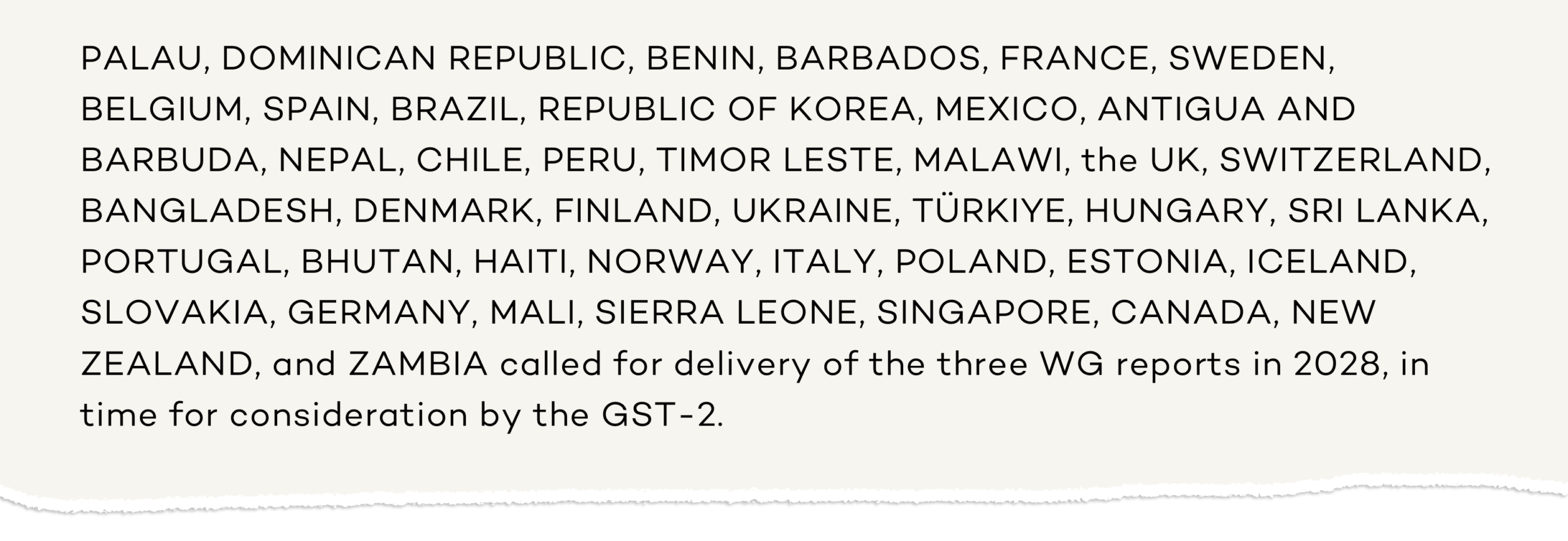
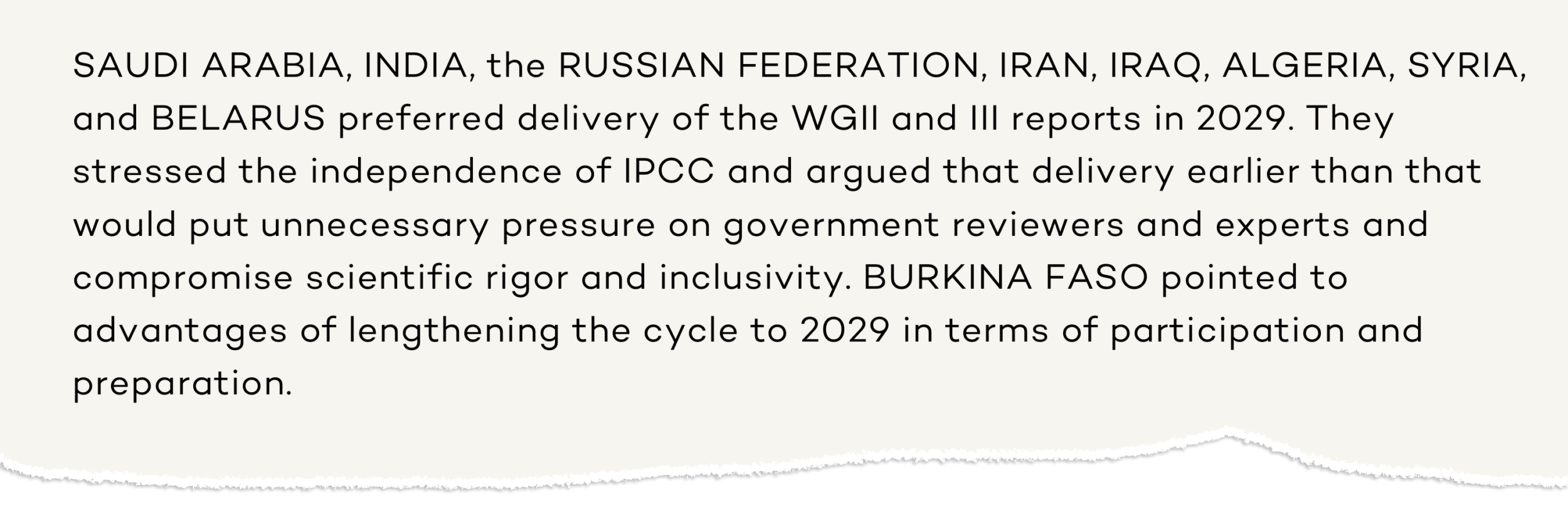
However, a bloc of nations including India, Kenya, Russia, and Saudi Arabia has consistently pushed for a delayed timeline. They argue that the current pace is too aggressive and that developing nations require more time for rigorous review and approval of the reports to ensure their national interests and capacities are reflected. This divide has turned the IPCC plenary sessions into a battlefield of procedural maneuvering, preventing a consensus that would typically be reached with ease.
Chronology of a Stalled Negotiation
The failure in Addis Ababa did not occur in a vacuum; it is the culmination of nearly two years of failed diplomacy. Since early 2024, the IPCC has held sessions in Istanbul, Sofia, Hangzhou, Lima, and Bangkok—all of which ended in deadlock regarding the AR7 schedule.
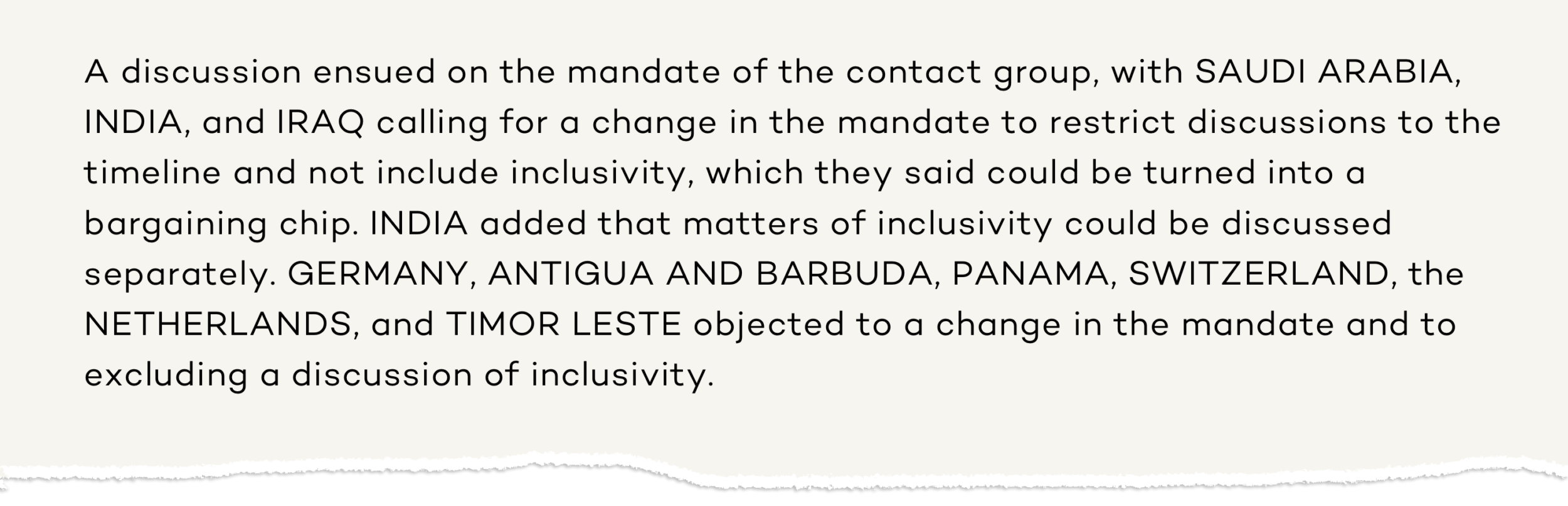
- Monday: The session opened with the establishment of a "contact group," co-chaired by Brazil and Ireland, tasked with finding a compromise.
- Mid-Week: Discussions grew increasingly fraught. Despite the secretariat presenting three clear timeline options, the debate expanded to include a fourth, proposed by Haiti.
- Friday Morning: The contact group reported back that they were "a long way from consensus."
- Friday Evening: With several delegations from developing nations having already departed the summit, Prof. Skea announced that continuing the session would no longer be inclusive. He suspended the meeting at 8:29 pm, leaving the future of the AR7 timeline—and the budget—entirely uncertain.
Financial Fragility: A Budget Under Siege
The impasse over the timeline is inextricably linked to a severe funding crisis. The IPCC relies on voluntary contributions from member governments and parent organizations (WMO and UNEP). However, the budget for the 2026–2029 cycle is currently underfunded, with significant concerns regarding the long-term sustainability of the IPCC Trust Fund.
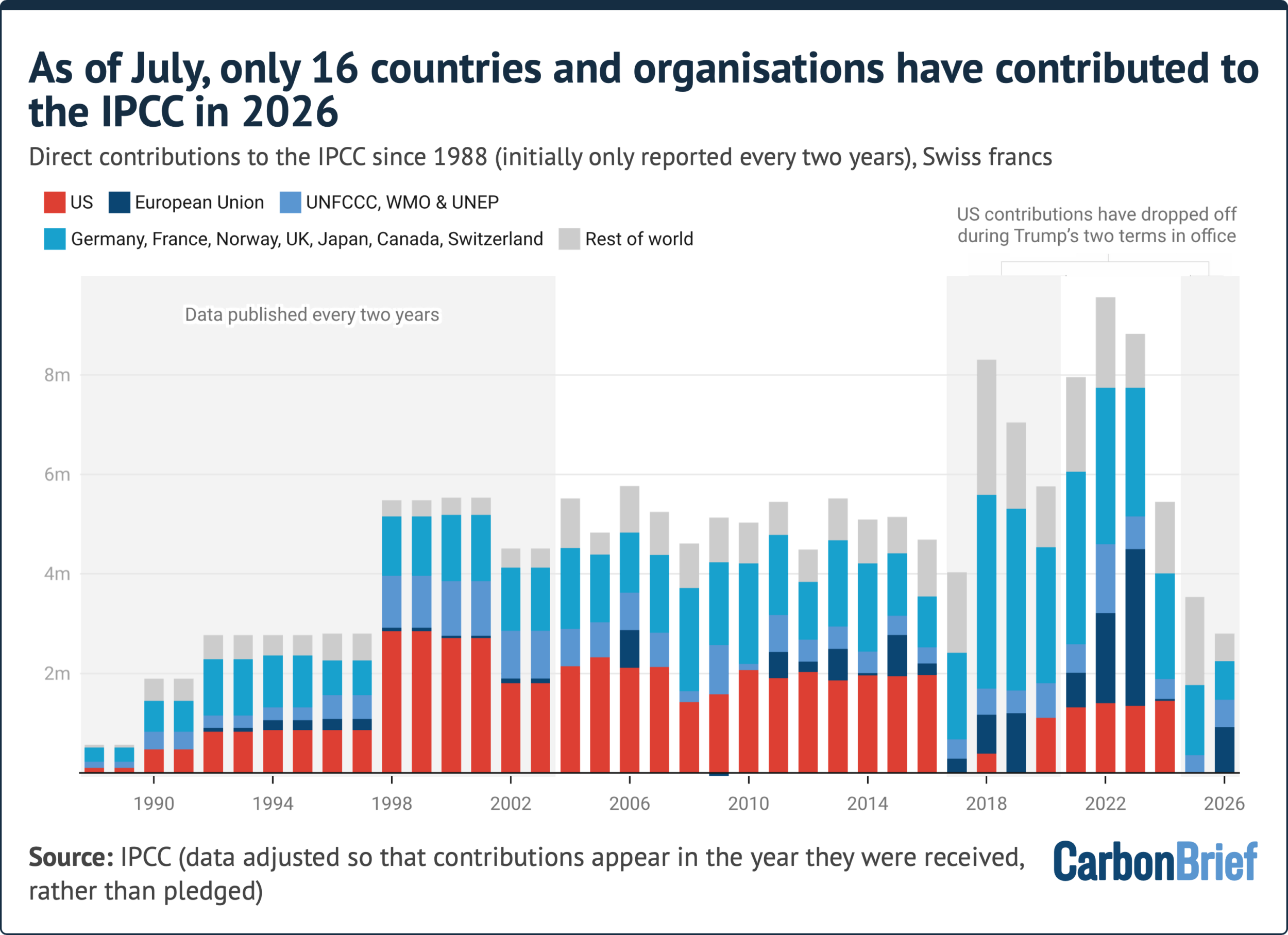
The secretariat has warned that the trust fund is at risk of depletion by the end of 2028 if current contribution levels persist. In 2025 alone, contributions were 5.3 million Swiss francs lower than in 2023. Notably, the United States—historically the largest donor—has ceased financial contributions to the IPCC since 2024.
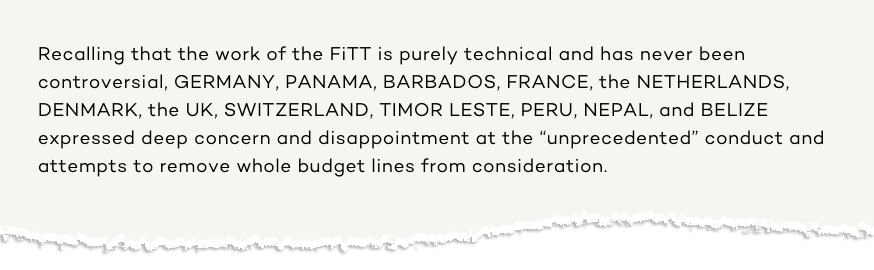
During the Addis Ababa meeting, efforts to finalize a budget were hampered by some nations holding budget lines "hostage" until their preferred timeline was adopted. This obstructionist behavior has been described by observers as unprecedented. While some nations have pledged continued support, the refusal of key players to agree on technical budget lines for the Financial Task Team (FiTT) has effectively paralyzed the organization’s operational capacity.
Official Responses and Scientific Outcry
The reaction from the scientific community and climate-vulnerable nations has been one of alarm. More than 200 scientists currently working on the AR7 drafts have signed an open letter pledging to continue their work, emphasizing that the world cannot afford to conduct a global stocktake without the latest scientific evidence.
Marshall Islands climate envoy Tina Stege did not mince words, calling the failure a "travesty." She noted that the refusal to approve a timeline is a "shameful play for time" that directly undermines the safety and livelihoods of millions on the frontlines of climate change.
Conversely, representatives from countries like China and Saudi Arabia have maintained that the IPCC reports do not necessarily need to be tethered to the UN global stocktake schedule, arguing that scientific assessments should not be rushed to meet political deadlines.
Prof. Skea’s closing remarks reflected a man grappling with a system under immense strain. He noted that if stronger language than "profound disappointment" existed, he would have used it. His sentiment was shared by other experts, including Prof. Fabrice Lambert, who argued that the IPCC is now in dire need of professional UN-level negotiators to step in and break the deadlock, as the current discussions have drifted far from the scientific mission that defines the organization.
Implications for Global Climate Action
The failure to establish an AR7 timeline has profound implications for international climate policy. If the IPCC cannot deliver its synthesis of climate science in time for the 2028 global stocktake, the subsequent political decisions on emissions targets and climate finance will be based on outdated or incomplete data.
Furthermore, the "politicization" of the IPCC’s internal procedures—ranging from budget negotiations to the use of artificial intelligence in research—suggests a broader breakdown in multilateral cooperation. The fact that the IPCC could not even agree on the simple documentation of its own meeting reports, with some nations debating the nuances of "passive voice" versus "active voice" to control the narrative of the negotiations, signals a level of dysfunction that threatens the credibility of the entire institution.
Looking Ahead: A Path to Resolution?
The IPCC has pledged to reconvene at the "earliest opportunity," but no date or location has been set. This uncertainty creates a vacuum that is detrimental to the thousands of authors and experts who volunteer their time to produce these reports.

For the IPCC to recover, it must address three critical hurdles:
- The Timeline Compromise: It must find a middle ground that respects the need for inclusivity while ensuring the science is delivered in time to influence the 2028 COP33 summit.
- The Funding Gap: It requires a renewed commitment from major economies to replenish the Trust Fund. The current reliance on a shrinking pool of voluntary donors is not a sustainable model for an organization of such global importance.
- Procedural Reform: As suggested by some delegates, the IPCC may need to reform its plenary procedures to prevent single nations or small groups from holding the entire process hostage.
The situation in Addis Ababa serves as a stark reminder that even in the face of an accelerating climate crisis, the machinery of international cooperation remains fragile. As the planet warms, the window for effective, science-led policy is closing—and the IPCC, the very body tasked with guiding that path, is currently stalled by the very politics it is meant to transcend. The world now waits to see if the IPCC can regain its footing or if the most critical scientific voice of our time will be silenced by its own bureaucratic decay.