Main Facts: A Legal and Diplomatic Offensive
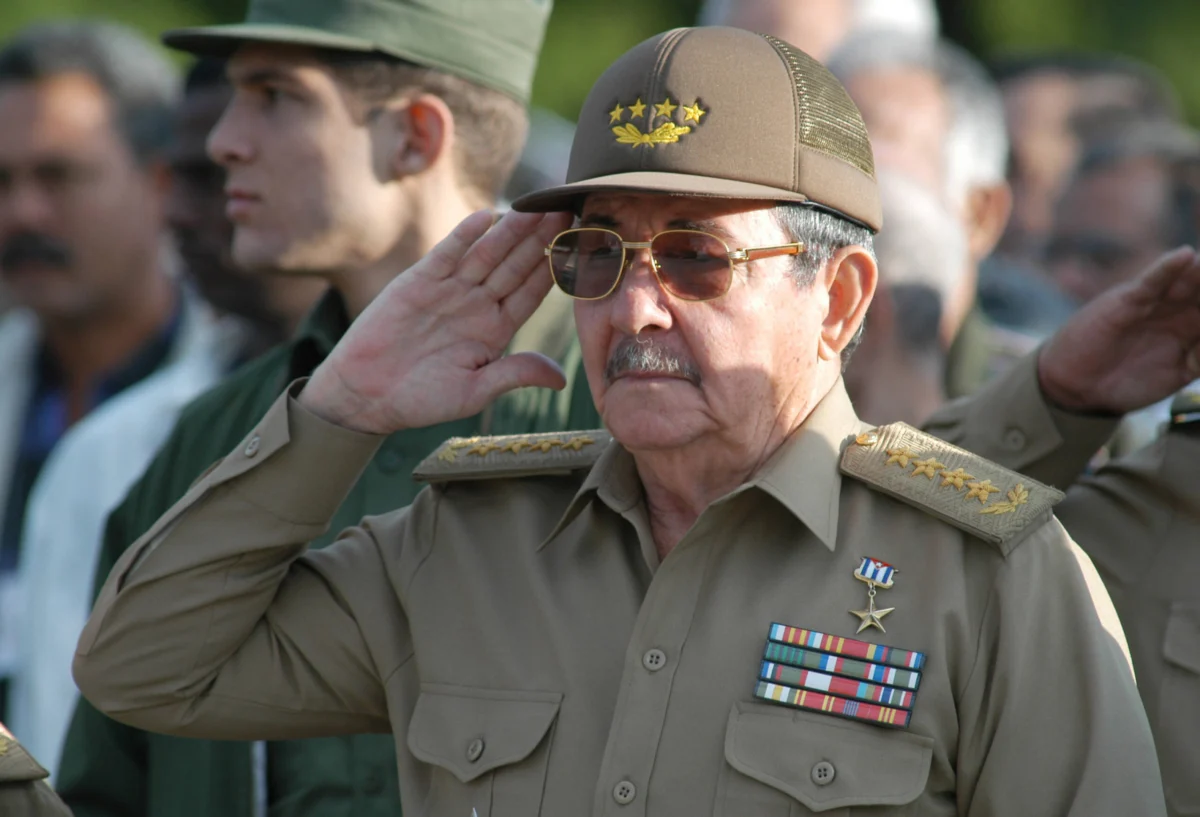
In a significant escalation of tensions between Washington and Havana, Florida authorities have issued a new arrest warrant for former Cuban President Raúl Castro. This legal action stems from the 1996 shoot-down of two Brothers to the Rescue aircraft, an incident that remains a haunting scar in the history of U.S.-Cuba relations. The warrant complements a federal superseding indictment unsealed in May, which formally charges Castro and five other high-ranking officials of the regime for their roles in the deadly aerial attack.
While the probability of bringing the former leader into U.S. custody remains slim, the strategic intent behind these proceedings is unmistakable. U.S. authorities are signaling a shift from rhetorical condemnation to judicial accountability. By targeting the architects of the regime’s past transgressions, Washington is reinforcing a message to the current Cuban leadership: the impunity that shielded the nomenklatura for decades is beginning to erode. This legal pressure is part of a broader, multi-pronged campaign—encompassing economic sanctions, diplomatic isolation, and direct outreach to the Cuban populace—designed to accelerate the erosion of the communist system.
Chronology: From Crisis to Confrontation
The current standoff is the culmination of decades of systemic decay. To understand the gravity of the 2026 crisis, one must view it through the lens of a long-term decline:
- 1996: The Brothers to the Rescue incident occurs, setting the stage for decades of animosity and marking a pivot point in U.S. policy toward the Castro regime.
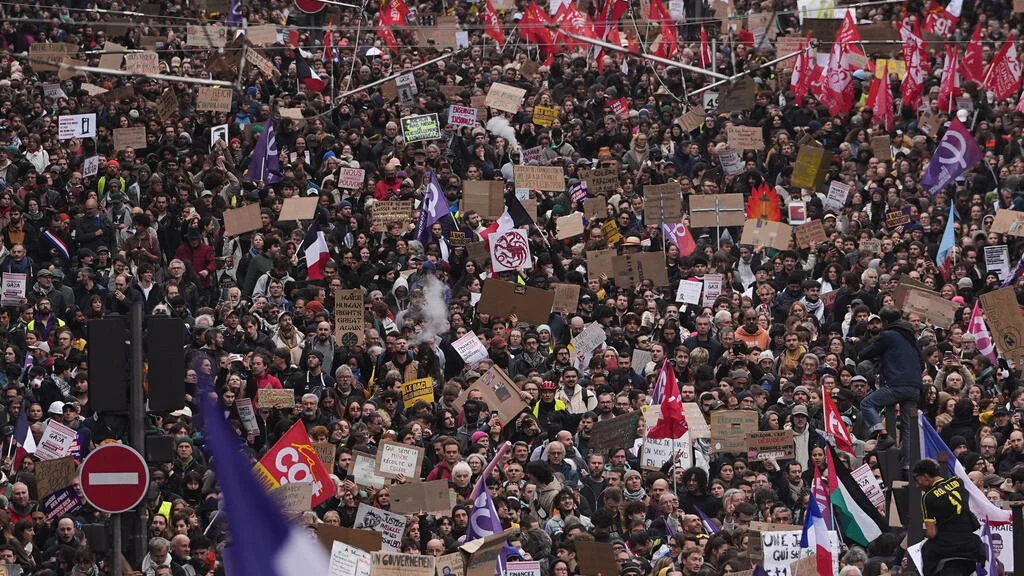
- 2021: Mass anti-government demonstrations—known as "11-J"—erupt across the island. The regime’s violent crackdown reveals the depth of domestic discontent but also marks the beginning of a new, more repressive era of governance.
- 2025: The economic situation reaches a breaking point. Infant mortality rates rise sharply, and the state’s monopoly on medicine and food distribution effectively collapses.
- January 2026: President Donald Trump signs an executive order declaring the situation in Cuba a national emergency, specifically targeting the regime’s reliance on foreign oil imports and threatening tariffs on third-party suppliers.
- May 2026: The U.S. Department of Justice unseals an indictment against Raúl Castro, signaling a shift toward direct legal accountability for regime leaders.
- Late 2026: Florida authorities follow suit with a state-level warrant, further cementing the legal pressure on Havana.
Supporting Data: The Anatomy of a Collapse
The narrative of "mismanagement" barely captures the humanitarian catastrophe unfolding in Cuba today. According to official figures released by the Cuban government itself, the country’s once-vaunted healthcare system is in a state of terminal decline. Infant mortality more than doubled between 2019 and 2025, reaching 9.9 deaths per 1,000 live births—a metric that underscores the failure of the state to provide basic pediatric care.
The pharmaceutical sector is similarly decimated. Reports from 2025 indicated that only 30 percent of the essential medicines required by the national healthcare system were available. This scarcity extends to the most fundamental human needs: in September 2026, the United Nations estimated that 3.2 million Cubans—roughly a quarter of the population—faced acute challenges in accessing safe, potable water.
Economic surveys, such as those conducted by the Cuban Observatory of Human Rights, reveal that eight in ten Cubans now report skipping meals due to persistent food shortages and the collapse of the local currency’s purchasing power. This is not merely a byproduct of sanctions; it is the inevitable outcome of a state-run, military-controlled economic model that has been starved of capital, expertise, and international trade partners.
Official Responses and the Strategy of Direct Outreach
The Biden and Trump administrations—and currently, the State Department under Secretary Marco Rubio—have moved beyond traditional diplomatic maneuvering. Secretary Rubio has taken a proactive approach, utilizing direct communication channels to bypass the state-controlled media apparatus in Havana.
In a pivotal address delivered this past May, Rubio articulated a vision for a "new economic model" for Cuba. His message was aimed squarely at the ordinary Cuban citizen: a future predicated on private enterprise, the rule of law, and the reintegration of Cuba into the global economy. By emphasizing that the current regime is the primary obstacle to the welfare of the people, Washington is attempting to decouple the interests of the Cuban populace from those of the ruling security elite.
The regime in Havana, however, remains entrenched. It has rejected calls for structural reform, characterizing U.S. pressure as an infringement on national sovereignty. The government’s recent "economic reforms" are widely viewed by international observers as a charade—a legislative veneer designed to preserve state control while offering the illusion of a market opening.
Implications: The Future of the Cuban Transition
The quest for a "post-communist" Cuba has moved from a theoretical exercise to a planning phase. Assessments are currently being drafted by various think tanks and international financial institutions regarding the capital infusion necessary to revive the Cuban economy. These plans are not merely about aid; they are about restructuring the entire foundation of the island’s commerce.
The "Siloviki" Risk
A critical concern for policymakers is the emergence of a "siloviki" model—a scenario in which the transition is incomplete, and the old security elite merely morphs into a new class of oligarchs. As seen in the post-Soviet transition in Russia, without a comprehensive dismantling of the political and security architecture of the state, any economic reforms will likely be co-opted by those already in power. Washington’s insistence on total regime change is, in part, an attempt to prevent this outcome.
The Role of the Diaspora and the Freedom Accord
The Cuban exile community is poised to serve as the primary engine for the initial capital required to rebuild the nation. This group is closely aligned with the "Freedom Accord," an agreement signed in March between opposition coalitions representing dissidents on the island and in the diaspora. This accord serves as a blueprint for a democratic transition and provides a roadmap for the restoration of civil liberties.
The inclusion of these groups in any future negotiation is deemed essential by observers. They are the only entities with the credibility to signal to the Cuban people that a fundamental, rather than superficial, transformation is taking place.
The International Stage
As the United Nations prepares for its annual vote on the U.S. embargo, the global community faces a choice. While the resolution focuses on the embargo itself, the debate serves as a litmus test for international consensus. Greater condemnation of the regime’s human rights record, coupled with support for the aspirations of the Cuban people, would further isolate Havana and potentially increase the cost of maintaining the current status quo.
Conclusion: The Path Ahead
The road to a new Cuba is fraught with complexity. The regime is currently prioritizing its own survival over the demographic and economic viability of the nation, using fear and repression to prevent a repeat of the 2021 protests. Yet, the confluence of internal economic collapse, sustained U.S. legal and economic pressure, and the emerging unity of the Cuban opposition suggests that the current system is reaching its limit.
For the United States, the goal is clear: to foster an environment where a legitimate political transition is not only possible but inevitable. As Secretary Rubio and other officials have signaled, the objective is to move beyond the failed policies of the past and support a transition that prioritizes the welfare, rights, and economic potential of the Cuban people. Whether this transition arrives through internal pressure, external diplomatic force, or a combination of both, the fundamental reality remains: the current configuration of power in Cuba is unsustainable. The "river" of change is moving, and the question is no longer whether it will carve a new path, but how that transition will be managed to ensure a stable, democratic future for the island.