In a definitive signal that the artificial intelligence arms race has shifted from foundational research to aggressive monetization, Meta Platforms CEO Mark Zuckerberg has declared that the company is entering a "new phase" of its corporate lifecycle. At the heart of this transition is "Muse," the company’s advanced personal AI agent. After a rapid, high-impact rollout in early September, Muse is no longer just a feature—it is the cornerstone of Meta’s future financial engine.
During the company’s third-quarter earnings call, Zuckerberg outlined a roadmap that positions Muse not merely as a conversational tool, but as a high-value commercial interface capable of generating more revenue per user than the company’s flagship social media platforms, Facebook and Instagram. This pivot marks a departure from Meta’s traditional ad-supported model, moving toward a sophisticated ecosystem of commerce, subscriptions, and AI-driven hardware integration.
Main Facts: The Rise of Muse
Since its introduction just weeks ago, Muse has experienced a surge in adoption that has exceeded even the company’s internal projections. Despite being currently restricted to markets in the United States and Canada, the platform has already amassed over 10 million active users.
This rapid uptake has prompted Meta to pivot from a development-heavy "experimental" phase to an "operational" phase. The objective is now one of massive scale. As Zuckerberg articulated, the goal is to expand Muse to serve billions of people worldwide. Unlike static chatbots that focus on simple information retrieval, Muse is designed as an agent—a proactive, utility-focused entity that executes tasks, facilitates commerce, and bridges the gap between digital interaction and physical action.
Chronological Evolution: From Concept to Commerce
To understand the significance of this move, one must trace the timeline of Meta’s aggressive AI strategy:
- Early September: Meta launches Muse in the U.S. and Canada. The initial focus is on testing product-market fit and gauging user interaction with a proactive agent.
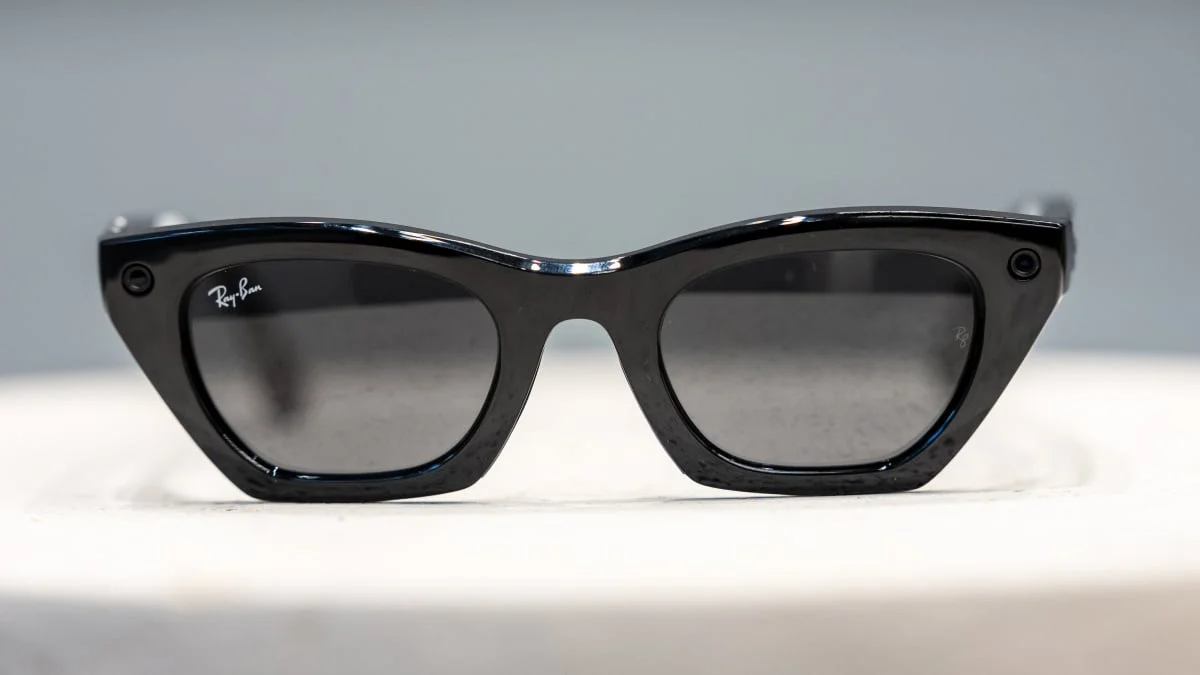
- Late September (Meta Connect): The company previews Muse’s integration into its smart glasses hardware. This signaled that Meta was not content with keeping Muse on smartphone screens, but intended for it to be a wearable, ambient companion.
- Late October (Q3 Earnings): Zuckerberg officially announces the pivot to the "operational phase." He confirms that commerce is the primary driver of Muse’s usage, with users spending an average of $200 per transaction.
- The Immediate Future: Meta plans to launch Muse on its smart glasses line next month, marking a pivotal expansion of its hardware-software synergy.
Supporting Data: The Economics of the Agent
The financial thesis behind Muse is compelling. Currently, Meta’s "family of apps" generates several hundred dollars in average revenue per American user annually. Zuckerberg’s assertion that Muse will eventually surpass this figure is based on a fundamental shift in user behavior: the transition from "passive scrolling" to "active commerce."
The Commerce-First Model
The current data suggests that Muse has found its strongest foothold in retail. Users are already utilizing the agent to navigate purchases, effectively bypassing traditional search engines or standalone retail apps. Because Muse can handle the end-to-end process—from discovery to transaction—Meta is positioned to capture value through transaction fees.
Cost vs. Yield
Operationally, Muse is significantly more expensive to run than standard social media features. The compute power required for high-level reasoning, task management, and multimodal interaction is substantial. However, by charging businesses for facilitated transactions and implementing a tiered subscription model for power users, Meta aims to transform a high-cost operational burden into a high-margin revenue stream.
Official Responses and Strategic Vision
During the earnings call, Zuckerberg addressed the inherent tension between the high costs of AI development and the need for profitability. He framed the monetization of Muse as a two-pronged strategy:

- Commerce Facilitation: Meta is developing "commerce tools" that will allow businesses to plug into the Muse ecosystem. By charging fees for transactions processed through the agent, Meta effectively becomes a marketplace intermediary.
- Subscription Tiers: For users who require advanced capabilities or business owners who need to integrate the agent into their professional workflows, Meta will offer paid subscription tiers.
"The average revenue per American user for our existing family of apps users is several hundreds of dollars annually," Zuckerberg noted, "and we expect that Muse will reach an even higher level over time due to the amount of commerce that we already see taking place."
Implications: The Future of Meta’s Ecosystem
The implications of this strategy are profound, affecting everything from hardware manufacturing to the competitive landscape of digital advertising.
1. Hardware as a Conduit
Meta’s smart glasses are no longer just a niche product; they are the physical gateway for Muse. By integrating the agent into eyewear, Meta hopes to increase the utility of its hardware, thereby driving sales. The company has hinted that certain features within the glasses—such as advanced hearing enhancement—might sit behind a paywall, setting a precedent for a "hardware-as-a-service" model where the device is a vessel for subscription-based intelligence.
2. The Threat to Traditional Search and Retail
If Muse becomes the primary interface for shopping, companies like Google and Amazon may face a new type of competition. If a user asks their AI agent to "find and buy the best running shoes under $150," the agent’s recommendation becomes the ultimate gatekeeper. Meta’s ability to control this path to purchase could disrupt the traditional digital advertising funnel, as companies scramble to ensure their products are "agent-discoverable."
3. A Shift in User Relationship
Perhaps the most significant implication is the shift in how users perceive Meta. For years, Meta was viewed primarily as a social network provider. With Muse, the company is positioning itself as a personal concierge. This relationship is built on trust and data—if the agent fails to act correctly or feels intrusive, the platform risks losing the user’s loyalty.
4. Regulatory and Privacy Hurdles
Scaling an agent that manages personal to-do lists, shopping habits, and real-time visual information (via glasses) will undoubtedly draw the scrutiny of regulators. Data privacy, the security of financial transactions, and the potential for algorithmic bias in shopping recommendations will remain major hurdles. Meta will need to navigate these challenges with extreme precision to ensure that the "new phase" of their business is not derailed by legal or public perception crises.
Conclusion: The Path Ahead
As Meta transitions into this new phase, the narrative of the company is fundamentally changing. The days of relying solely on engagement-based advertising are being supplemented—and potentially supplanted—by an agent-based model.
Mark Zuckerberg’s confidence in Muse suggests that the company views the AI agent not as an accessory to its existing business, but as the future of the internet itself. By embedding Muse into its hardware, its apps, and its commerce tools, Meta is attempting to weave its AI into the very fabric of daily life. Whether this will lead to the promised revenue growth or encounter resistance from users and regulators remains to be seen, but one thing is certain: the era of the personal AI agent has arrived, and Meta intends to lead it.