By David Taube, Senior Correspondent
Published October 15, 2026
The American logistics backbone is facing an unprecedented endurance test. As diesel prices continue to surge, fueled by international conflict and the systematic destruction of energy infrastructure, the trucking industry is bracing for a long, painful winter. With industry experts warning that the current market volatility will likely extend well into 2027, small-to-mid-sized carriers are increasingly finding themselves in a precarious financial position, balancing thin margins against the realities of a global energy crunch.
The State of the Crisis: Main Facts
The primary catalyst for the current price spike is the ongoing war involving Iran, which has systematically disrupted global oil trade routes and targeted key refinery infrastructure. The destruction of these energy sites has created a vacuum in the global diesel supply chain, causing a domino effect that is felt most acutely at the fuel pump.
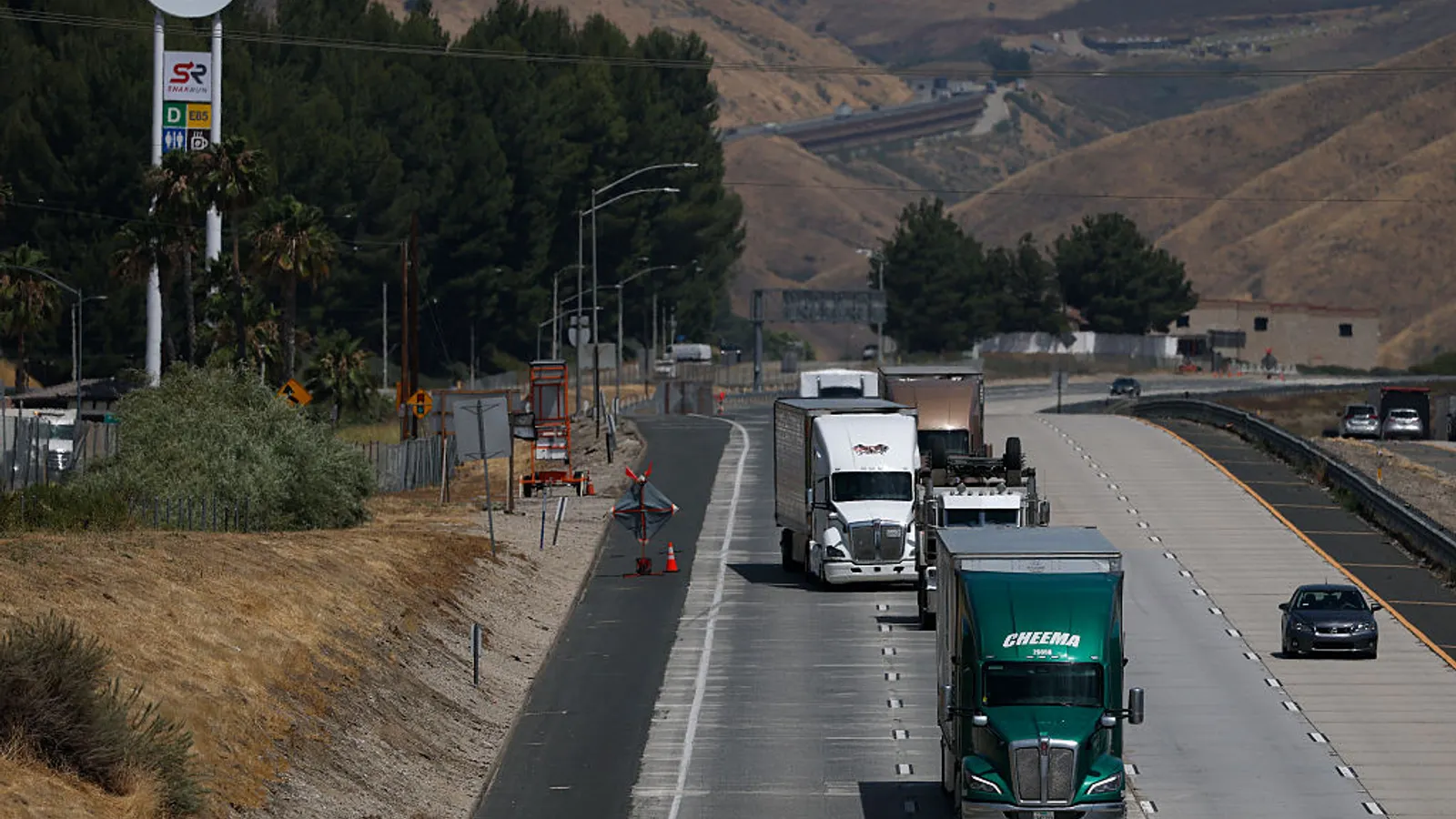
For the trucking industry, this is not merely a temporary fluctuation; it is a structural crisis. Diesel prices, which have climbed toward record highs—exceeding $8 per gallon in parts of California—are fundamentally changing how freight moves across the country. Operators are reporting that traditional fuel surcharge models, which are intended to buffer against price volatility, are failing to keep pace.
"Small carriers often lack the upfront capital to cover the massive cash flow requirements before fuel surcharges even kick in," explains an industry expert and VP at CPS Express. "Even when those surcharges are applied, they frequently only cover 70% to 75% of the actual incurred costs. That gap is where the profit disappears."
Chronology: A Cascade of Disruptions
The timeline of this crisis can be traced back to the initial escalation of hostilities in the Middle East earlier this year.
- Early 2026: Initial attacks on oil infrastructure in the Middle East lead to immediate, sharp spikes in crude oil prices, which quickly translate into higher refined diesel costs globally.
- March 2026: Reports emerge detailing the systemic damage to energy production facilities, signaling that the supply disruption will be long-term rather than transient.
- Summer 2026: Truckers begin adopting extreme fuel-saving measures, such as reducing highway speeds and rerouting vehicles to top off tanks in states with lower fuel taxes.
- October 2026: The federal government intervenes by authorizing the use of "dyed diesel"—typically reserved for off-road agricultural equipment—for on-road use, aiming to provide tax-related relief.
- Mid-October 2026: Industry groups and regional associations, including the California Trucking Association, formally appeal to state and federal leaders for more substantial intervention, noting that the current measures are insufficient.
Supporting Data and Technical Analysis
The longevity of this crisis is rooted in the physical nature of the energy sector. According to Matt Kropf, Director of the Harry Halloran Energy Institute at the University of Pittsburgh at Bradford, the damage inflicted upon refining capacity is not a quick fix.
"I personally expect that we will see elevated diesel prices well into 2027," Kropf told Trucking Dive. "This assessment is based on the specific type of refining capacity and technical equipment that needs to be repaired, rebuilt, or entirely replaced. You cannot simply flip a switch to bring this capacity back online. When you look at the extent of the damage caused by international conflicts, we are looking at months, if not years, of remediation."

Further complicating the matter is the global competition for fuel. The Federal Reserve Bank of Dallas recently noted that Europe is facing even greater diesel pressure due to the concurrent, ongoing war between Russia and Ukraine. This creates a global tug-of-war for available diesel stocks, keeping prices elevated across the board. President Donald Trump has recently signaled an intent to secure diesel installments from Russia, though the efficacy and geopolitical feasibility of such a move remain subjects of intense debate.
Official Responses and Policy Failures
The federal government’s attempt to provide relief through the authorization of dyed diesel has met with limited success, particularly in states like California.
Because California law restricts the use of untaxed "dyed" diesel on public roads, the federal order provides almost no practical relief to the trucking fleets that need it most. The California Farm Bureau noted in a recent newsletter that the state’s regulatory environment effectively negates the federal mandate. The Bureau has suggested that a more meaningful intervention would be the temporary suspension of state-level diesel taxes, which could save businesses approximately 73 cents per gallon—a significant margin for a struggling carrier.
Industry advocacy groups are now shifting their focus toward state capitals, specifically targeting Governor Gavin Newsom, urging for state-level intervention to prevent a collapse of the regional supply chain. However, as of mid-October, no concrete path toward state tax relief has been established, leaving carriers in a "wait-and-see" limbo.

Economic and Operational Implications
The downstream effects of these costs are beginning to manifest in the broader economy. "Everything can help," notes the industry expert from CPS Express. "But at the end of the day, somebody has to pay for this cost."
For the trucking industry, this means the burden is being passed along the supply chain. If carriers cannot absorb the costs, they must raise freight rates. If shippers cannot absorb the rates, the costs are eventually passed to the consumer in the form of higher prices for goods, food, and building materials.
Operational Shifts
The industry is currently undergoing a forced evolution:
- Route Optimization: Carriers are actively mapping "fuel-efficient corridors," choosing routes that bypass high-tax states even if they add mileage to the trip.
- Speed Capping: By forcing drivers to operate at lower speeds, companies are seeing marginal improvements in miles-per-gallon, though this comes at the expense of delivery speed and driver productivity.
- Capital Preservation: Many small carriers are liquidating aging assets to reduce debt-servicing costs, choosing to operate smaller fleets with higher efficiency rather than maintaining larger, fuel-hungry operations.
The Road Ahead
As the industry looks toward 2027, the sentiment is one of cautious pessimism. The intersection of geopolitical instability, limited refining capacity, and a rigid tax structure has created a "perfect storm."
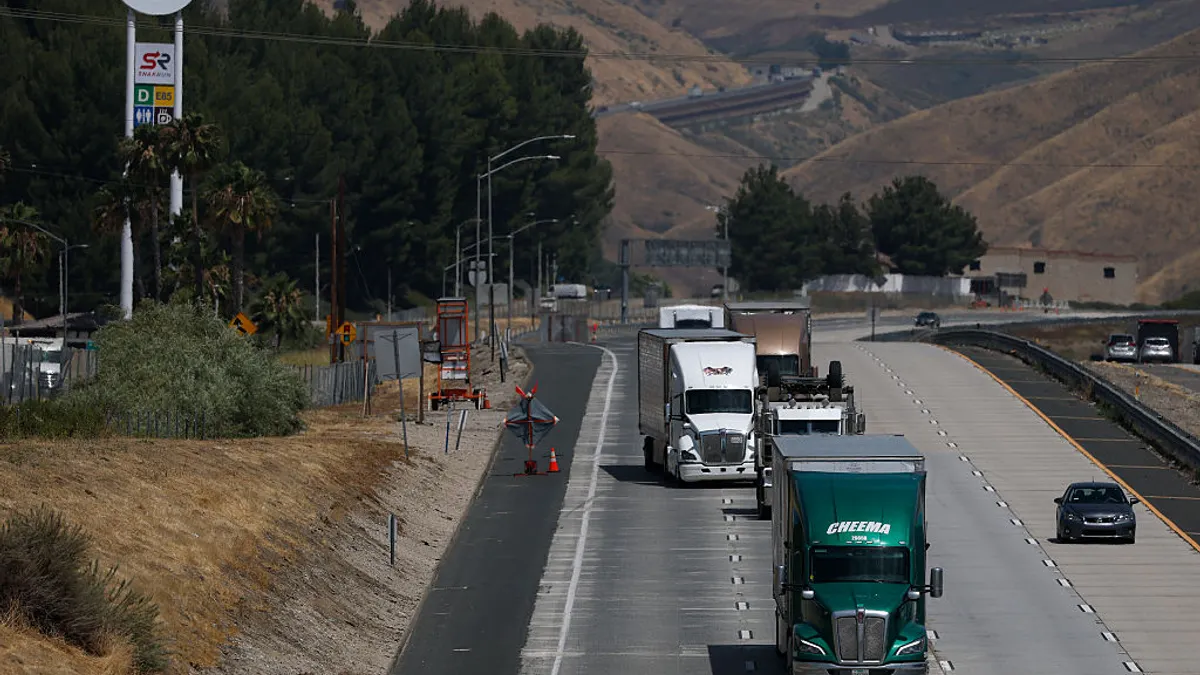
While the industry waits for the energy sector to rebuild its damaged infrastructure, the primary concern remains the survival of the individual owner-operator and the small carrier. Without a unified, effective policy response that addresses both the tax burden and the underlying supply-side limitations, the trucking industry will continue to operate on a razor’s edge.
As Kropf emphasized, the equipment that has been destroyed represents the "bottleneck" of the global economy. Until that bottleneck is cleared—a process that will likely outlast the current calendar year—the high cost of keeping America’s freight moving will remain the defining challenge of the logistics sector. The coming months will determine which carriers have the capital reserves to endure this marathon, and which may be forced to exit the market entirely, potentially leading to a significant contraction in national freight capacity.