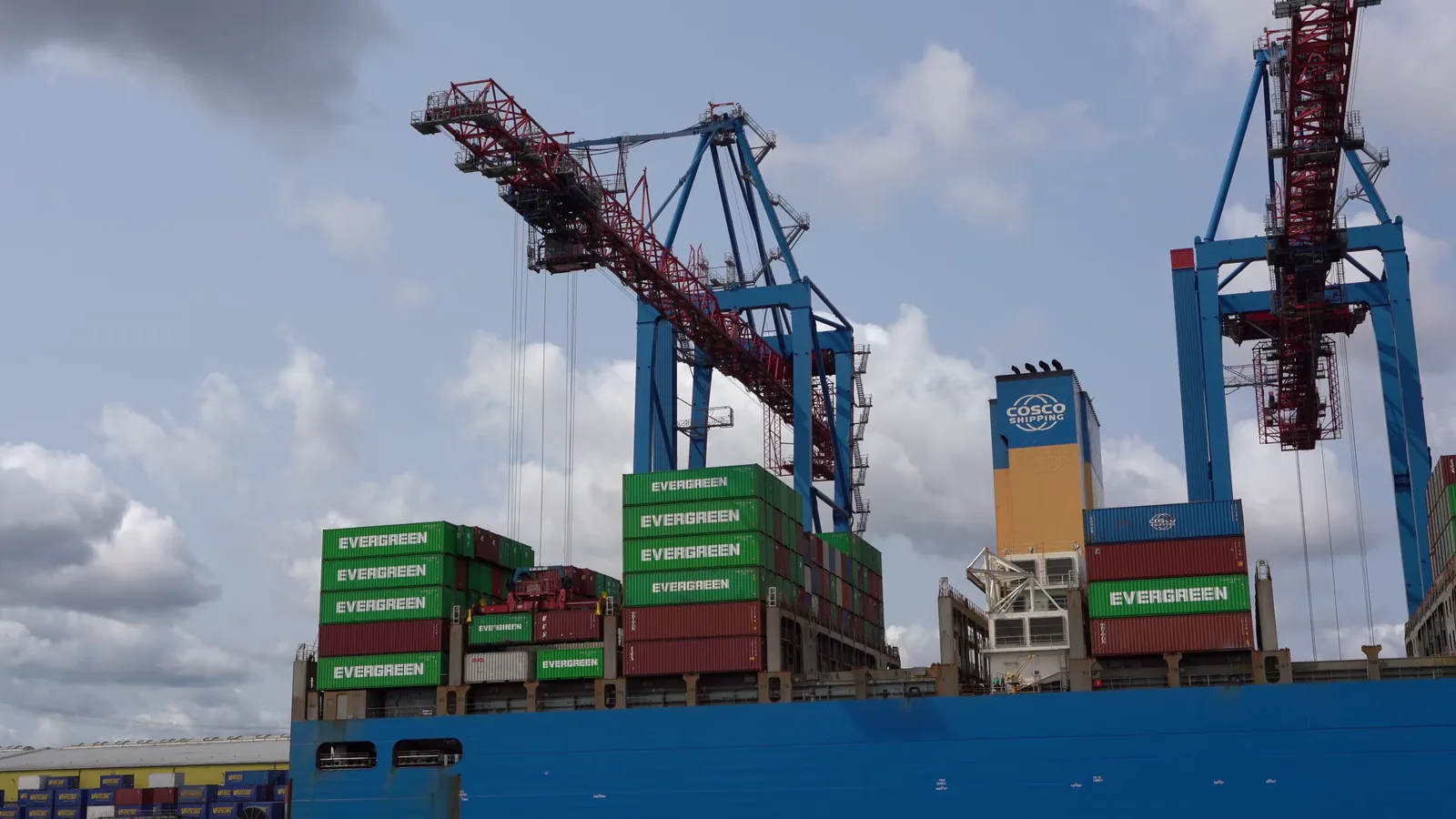
In an economic landscape often characterized by uncertainty and the persistent cooling of domestic momentum, China’s trade sector has delivered a performance that has stunned global markets. According to the latest data released by the General Administration of Customs and reported via the IndexBox Market Intelligence Platform, China’s trade figures for September have obliterated analyst forecasts, signaling a robust—if somewhat lopsided—resurgence in the world’s second-largest economy.
While domestic headwinds, including a sluggish property sector and tepid consumer sentiment, continue to challenge Beijing’s growth targets, the nation’s manufacturing engine is finding salvation in overseas markets. The surge in export and import volumes underscores a critical reliance on international trade to sustain industrial output at a time when the domestic appetite for goods remains historically subdued.
The Main Facts: A Statistical Overperformance
The September data release painted a picture of unexpected vigor. Exports, measured in U.S. dollar terms, surged by a remarkable 36.3% year-on-year. This figure not only comfortably outpaced the consensus expectations of a 25.5% gain but also represented a significant acceleration from the 25.0% growth recorded in August. To put this in perspective, this is the fastest pace of export growth observed since February, suggesting that the "Made in China" label remains a potent force in the global supply chain.
Imports did not lag far behind, climbing 31.0% compared to the same period last year. This handily beat market predictions of 24.5% growth and improved upon the 28.2% expansion seen in the previous month. Consequently, China’s trade surplus swelled to a staggering $133.53 billion, far exceeding the anticipated $116.80 billion and surpassing the $119.09 billion surplus recorded in August.
Chronology: Building Toward a September Breakout
To understand the trajectory of China’s trade performance, one must look at the sequence of events leading up to this recent surge.
Q2 2024: The Foundation of Momentum
The seeds for this growth were sown earlier in the year. By June, reports began circulating that China’s exports were gaining traction, fueled by a dual-engine of artificial intelligence (AI) infrastructure demand and a strategic "front-loading" of orders from the United States. As global firms raced to secure inventory ahead of anticipated geopolitical shifts or potential tariff adjustments, Chinese manufacturers ramped up production to meet the deadline.
Summer 2024: Navigating Volatility
Throughout July and August, the narrative was one of cautious optimism. While the property market crisis continued to weigh heavily on the domestic economy, the trade sector provided a vital cushion. August’s 25.0% export growth served as a proof-of-concept that China could maintain its manufacturing dominance despite internal stagnation.
September: The Statistical Surge
September served as the culmination of these trends. The surge reflected a convergence of factors: increased holiday-season inventory stocking in Western markets, the continued global obsession with AI-related hardware, and a strategic push by Chinese firms to maximize export capacity while global shipping routes remained operational.
Supporting Data and Sector Analysis
The breakdown of this trade data reveals where the strength lies. The primary driver remains the "high-tech" sector. As the global economy undergoes a digital transformation, the demand for advanced electronics, semiconductors, and specialized components has become a pillar of China’s export portfolio.
The AI Infrastructure Boom
China’s export momentum is inextricably linked to the global artificial intelligence investment boom. As data centers expand globally, the need for servers, cooling components, and power management hardware—sectors where China maintains significant manufacturing capacity—has created a steady stream of outbound shipments.
Commodity Imports and Industrial Health
The 31.0% rise in imports is equally telling. While it signals some domestic consumption, it is largely interpreted by analysts as an increase in the purchase of raw materials and intermediate goods. Manufacturers are importing components to assemble into high-value exports, confirming that the "factory of the world" remains busy processing global demand.
Official Responses and Economic Sentiment
While the Chinese government has maintained a measured tone, the data serves as a critical data point for the People’s Bank of China (PBOC) and the Ministry of Commerce.
Official commentary has generally emphasized the "resilience and potential" of China’s foreign trade. However, there is an underlying acknowledgment that this trade surplus is a double-edged sword. While it provides the foreign exchange reserves necessary to stabilize the yuan, it also risks exacerbating trade tensions with partners in Europe and North America who are increasingly concerned about "overcapacity" in Chinese manufacturing.
Market analysts, meanwhile, remain divided. Some, such as those at IndexBox, point to the correlation between container imports in major global hubs and China’s export data, suggesting that the record-high levels of global shipping activity are keeping Chinese ports at peak utilization. Others argue that this surge is temporary—a "front-loading" phenomenon that may lose steam as the year comes to a close.
Implications: The Domestic vs. External Divide
The most profound implication of these figures is the growing disparity between China’s external success and its internal economic reality.
1. The "Two-Track" Economy
China is effectively operating a two-track economy. The export sector is thriving, bolstered by global demand for high-tech goods. Conversely, the domestic sector—driven by household spending and the property market—remains in a period of extended hibernation. This dichotomy places the government in a difficult position: it cannot rely solely on exports to achieve its long-term growth targets, as this leaves the nation vulnerable to external trade policy shifts and global recessions.
2. The Risk of Trade Protectionism
The sheer size of the $133.53 billion surplus is likely to draw scrutiny from international regulators. As China exports its way out of a domestic slump, it risks being perceived as "dumping" excess inventory onto global markets at lower prices. This could lead to further anti-dumping investigations and the potential for new trade barriers, which would threaten the very export momentum that is currently sustaining the economy.
3. Future Outlook
Looking ahead, the critical question is whether external demand can continue to offset domestic weakness. If global interest rates remain high and Western consumer demand begins to cool, the export engine may sputter. Without a meaningful recovery in domestic real estate and private consumption, China’s economic growth may face a "plateau" in the coming quarters.
Conclusion
The September trade data is, in many ways, a testament to the agility of China’s supply chain. In the face of a persistent property downturn and internal structural challenges, the nation’s ability to pivot toward the high-growth sectors of global technology has provided a much-needed lifeline.
However, the reliance on an export-led recovery is a fragile strategy. While the record-breaking figures of September offer a moment of relief for policymakers in Beijing, they also serve as a reminder that the world’s second-largest economy is still searching for a more balanced, sustainable model of growth. As global trade dynamics shift in the final months of the year, all eyes will be on whether this surge is a sign of long-term structural health or merely a fleeting peak in an increasingly volatile global marketplace.